What Normal People Call a Vacation

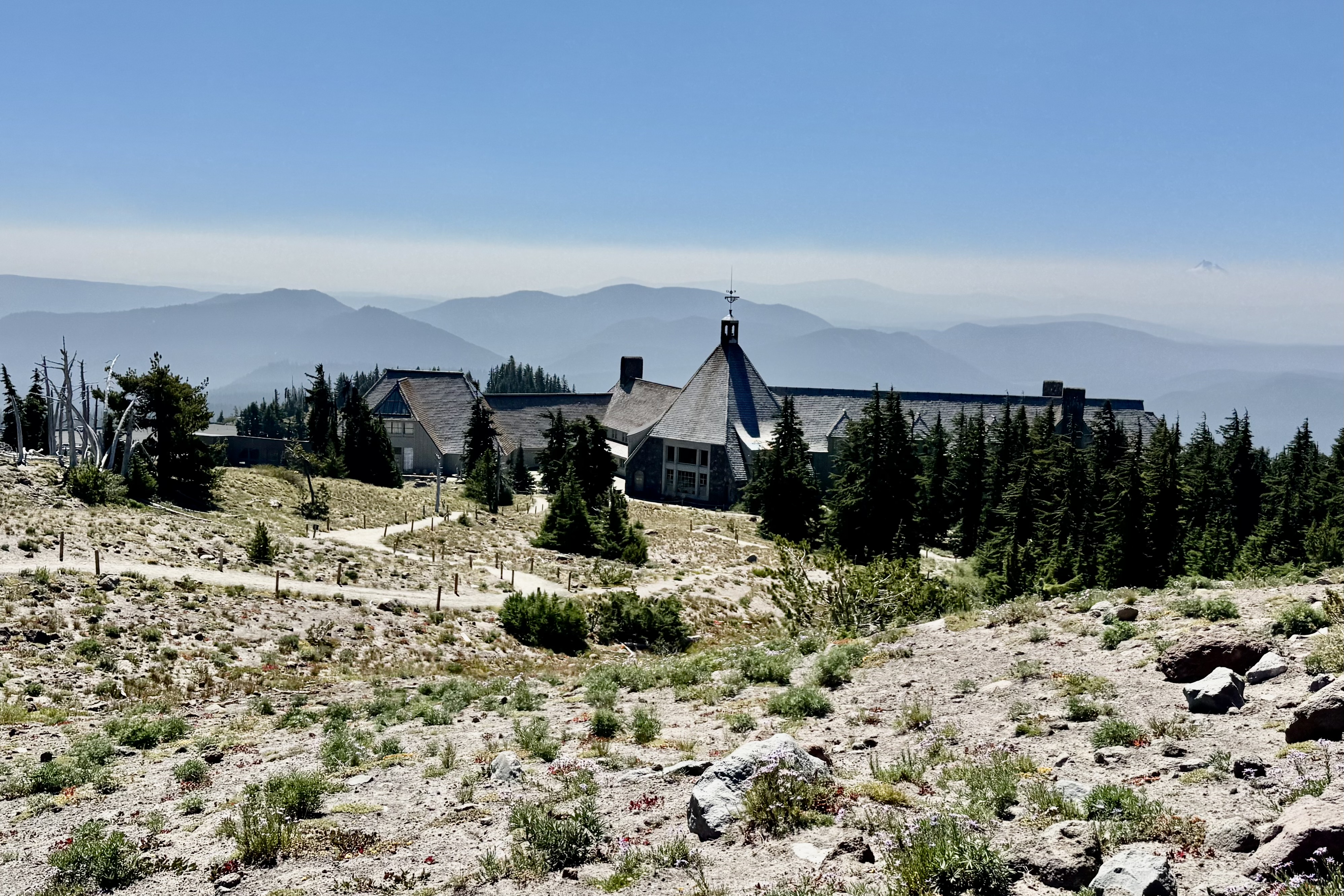
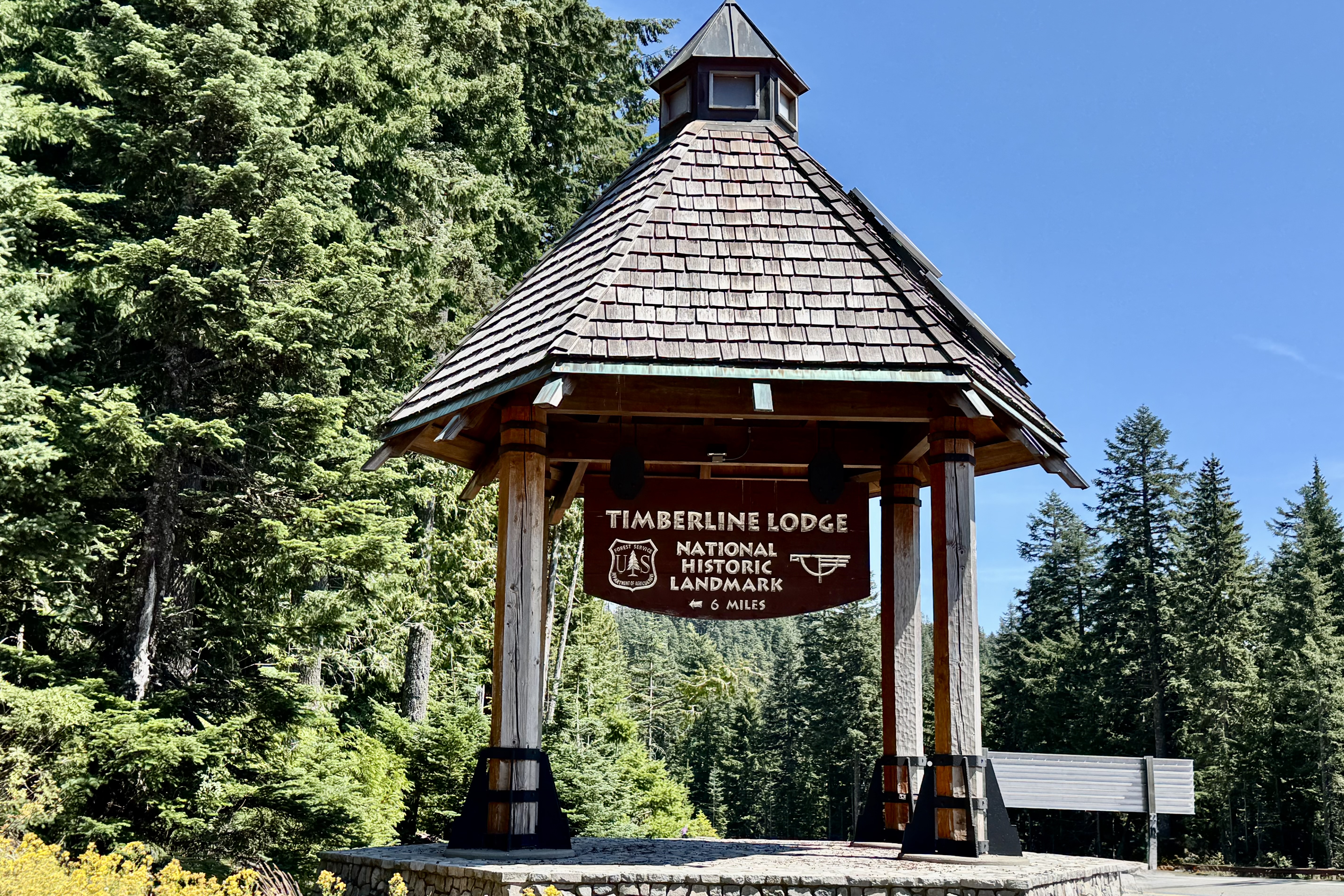
I awoke on day five with a very modest agenda: drive up to Timberline Lodge, get the lay of the land,  and try to determine whether the wildfires were going to interfere with this chapter of my Mt. Hood adventure — or perhaps more importantly would I have to abandon my beloved “forest dungeon.”

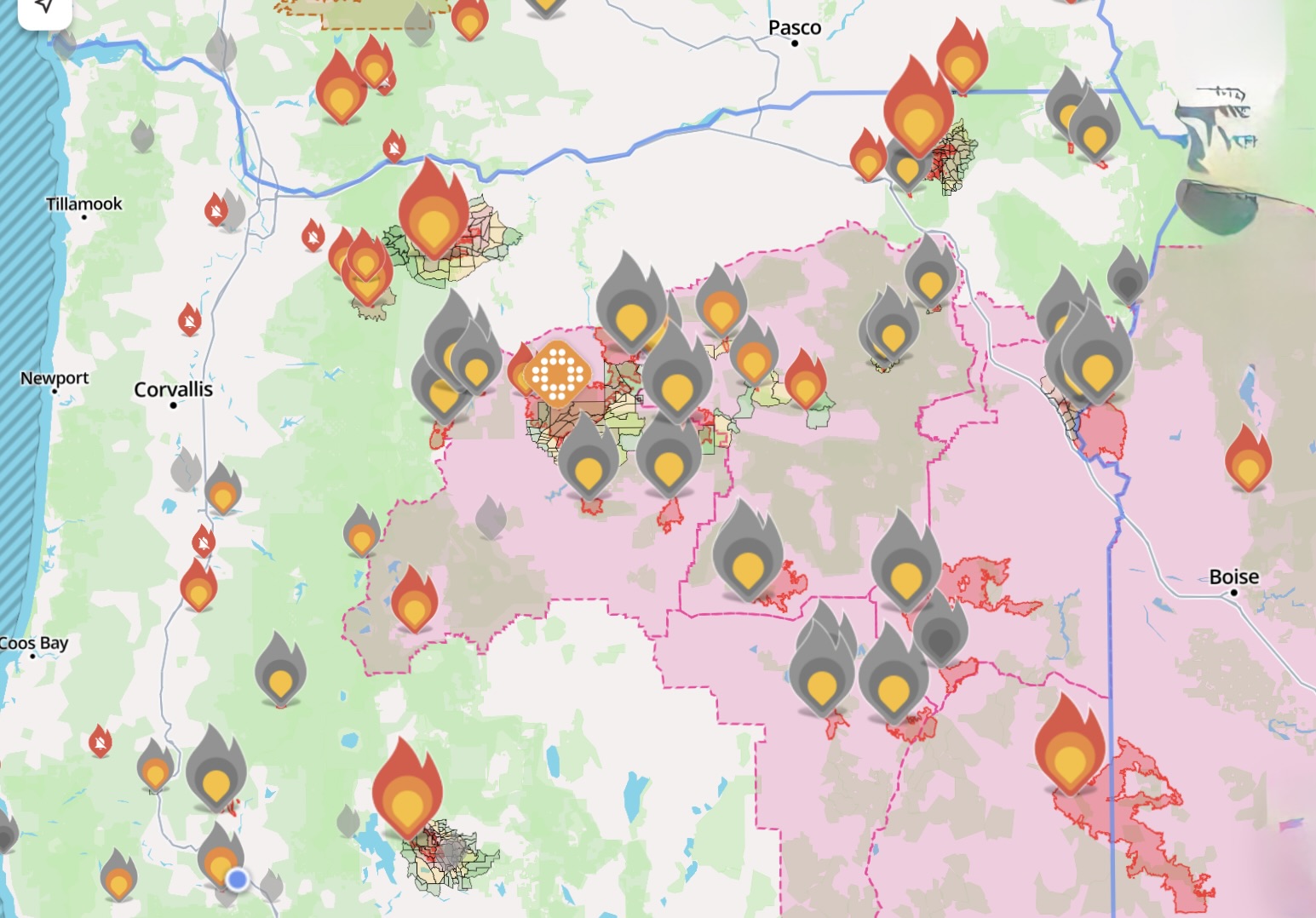
The wildfires were a constant back drop to the trip.  Every day brought another question. Where is the Grasshopper fire now? Which way is the wind blowing?  Was the area going to be evacuated as it is 12 miles east of Timberline Lodge in the Mt. Hood Wilderness? Is my campground affected? Clearly not the normal questions I would be asking when planning a vacation day.

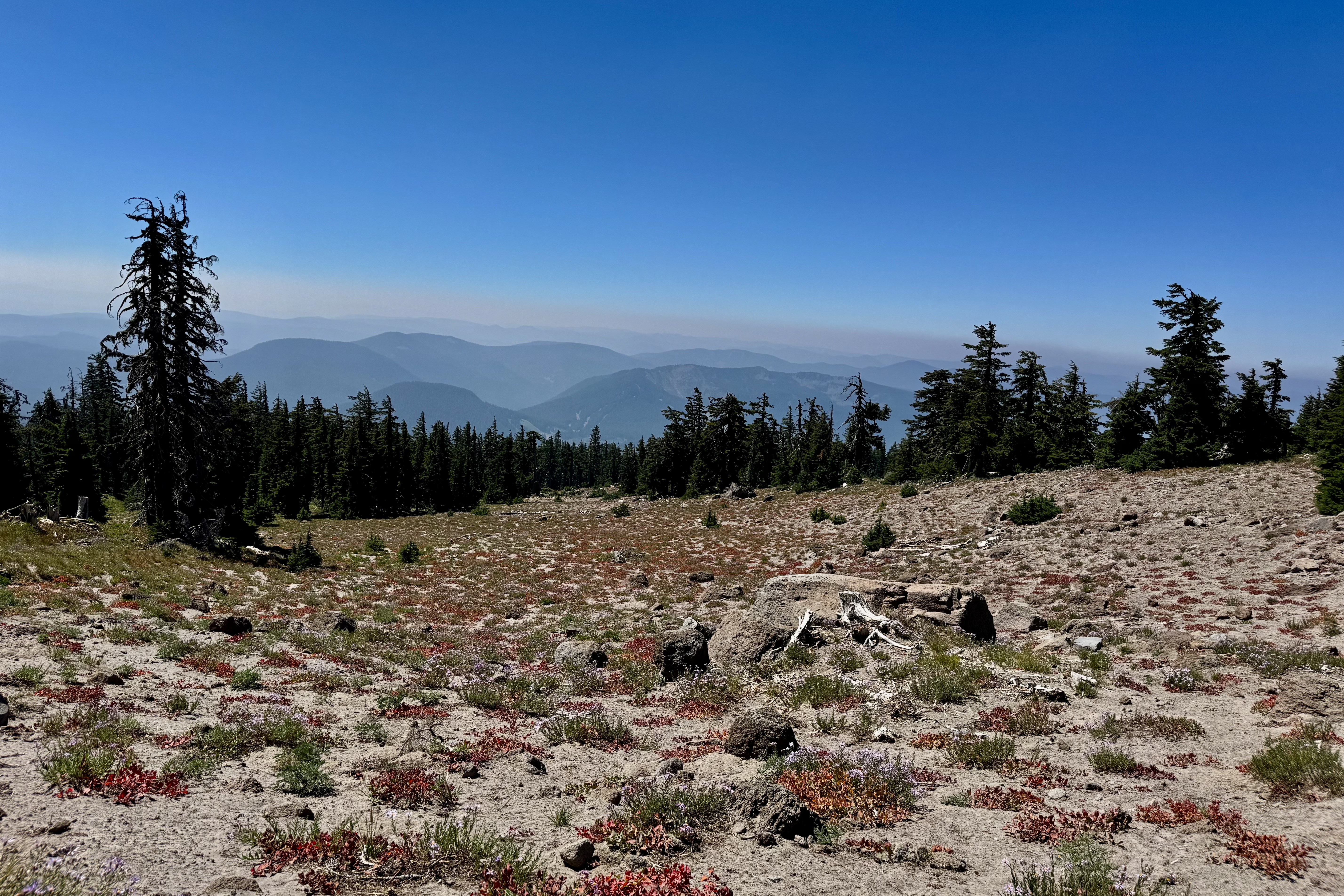
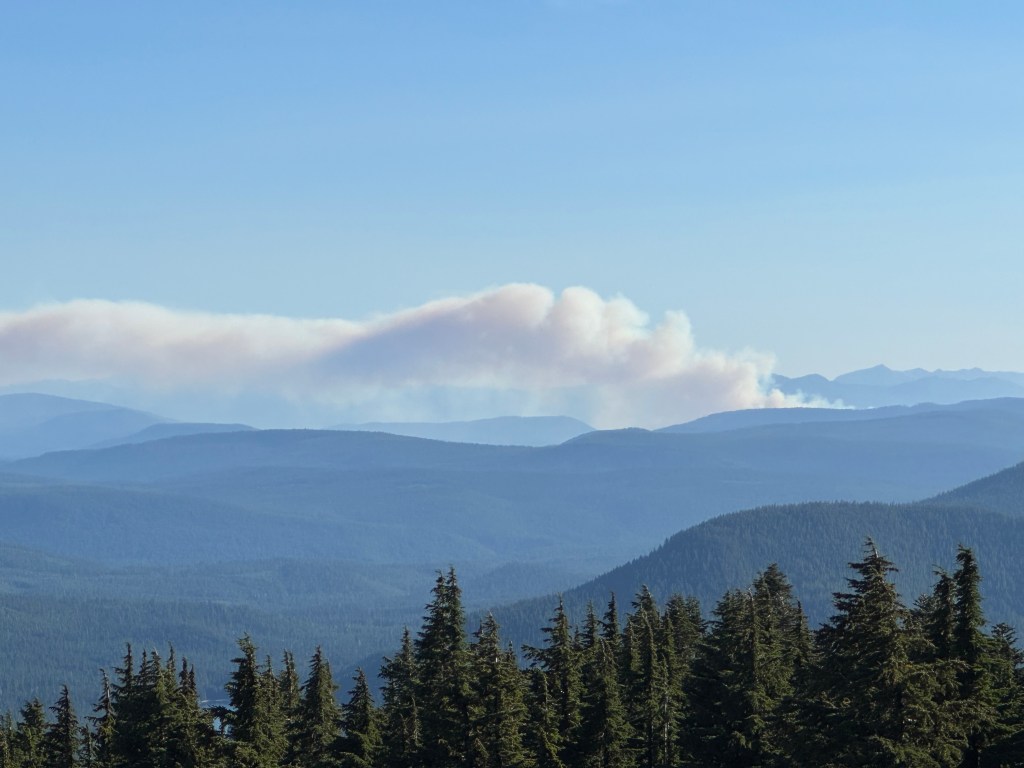
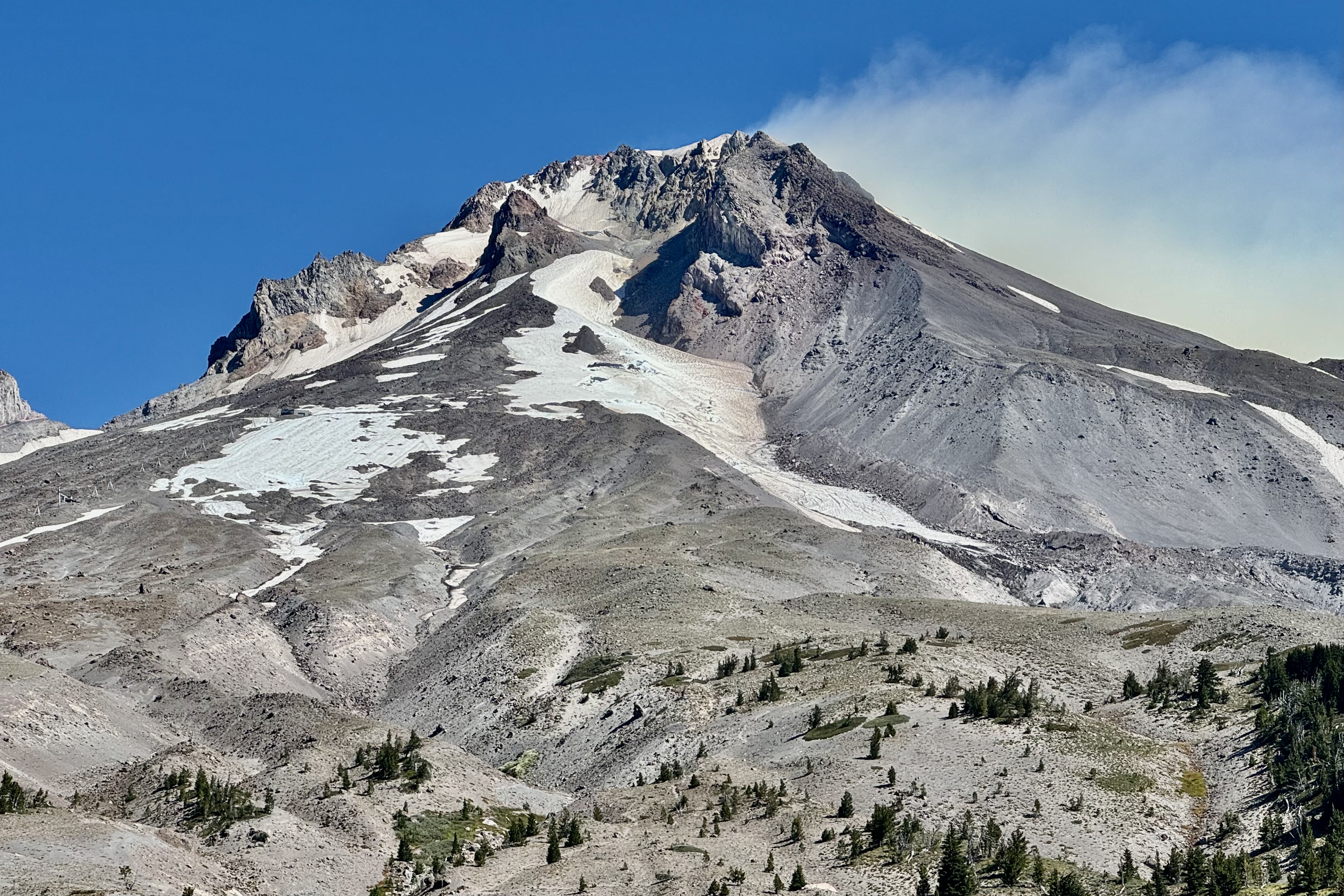
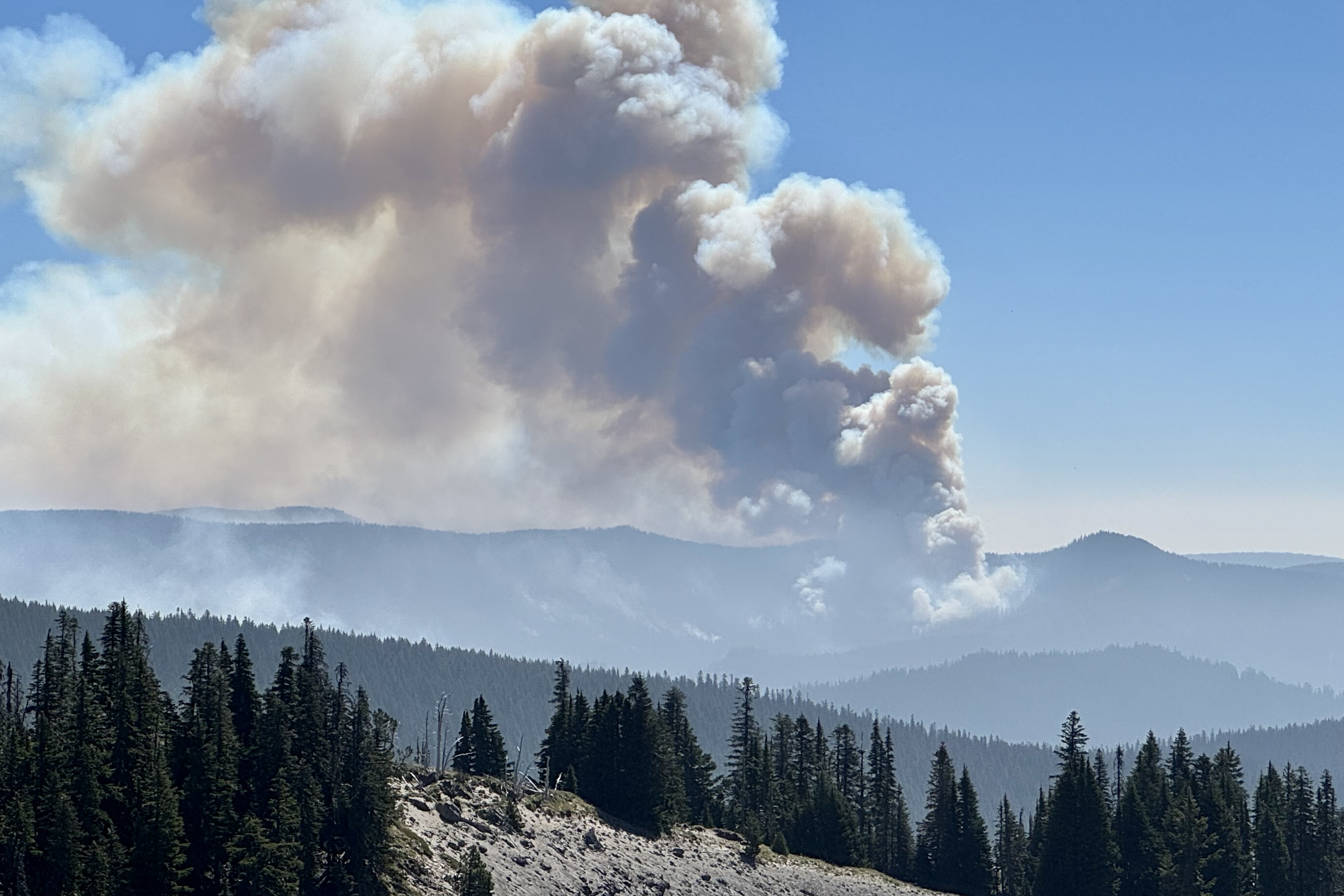
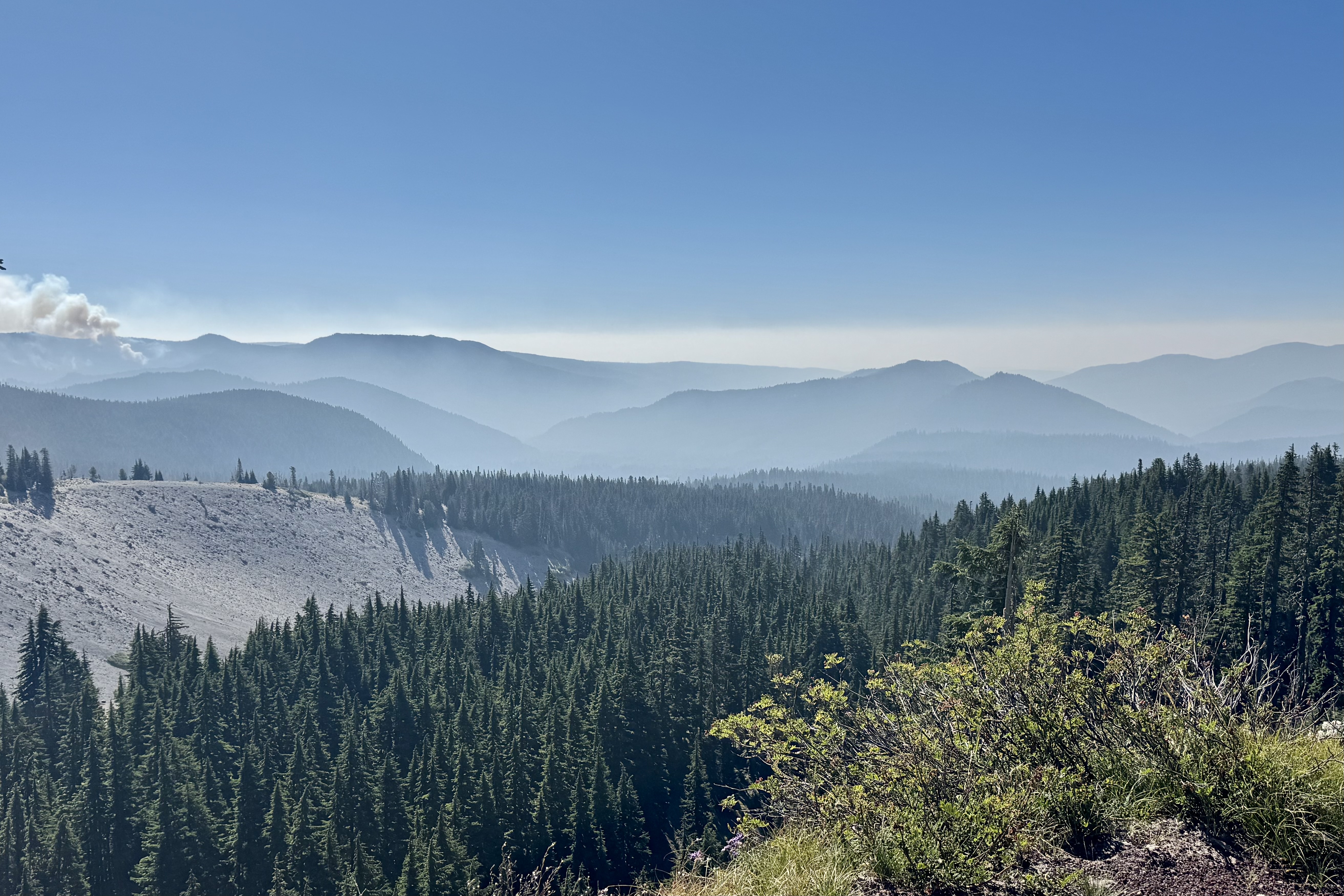
As I approached Timberline I discovered this active  fire was still burning steadily sending up plumes of smoke. Thank goodness the wind was keeping it there. The Lodge and the surrounding area were under an alert to be prepared for a possible evacuation and the winds had consistently been blowing east rather than towards the lodge. Clearly no reason to panic I say. But then no one would expect otherwise from me. 
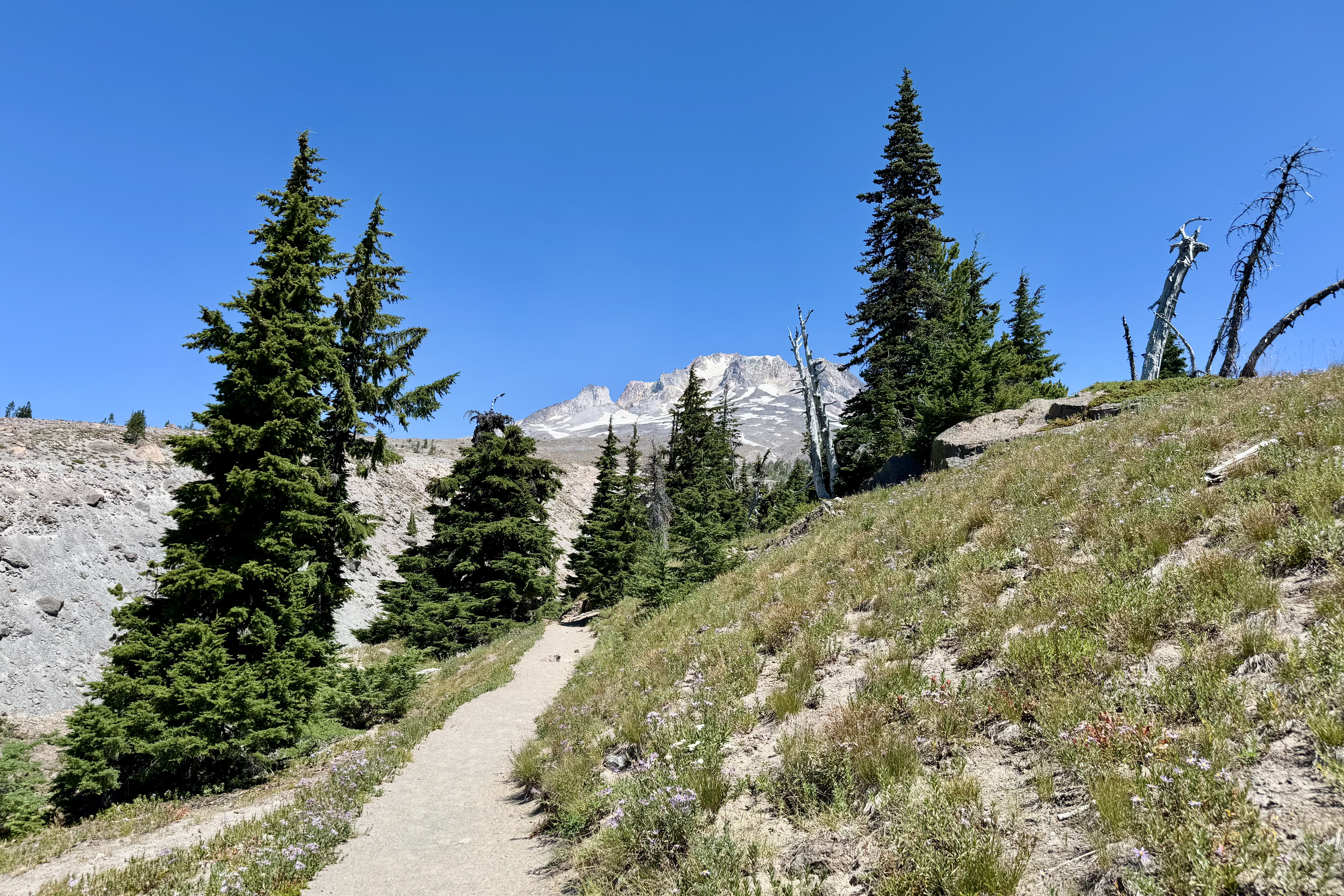
One of the things I basically wanted to do while up there was hike another section of the Pacific Crest Trail.  I had again been thinking about my son Nick and his fiancee heading out from there on the PCT in 2005 and it was a good opportunity to experience more of the trail itself.

Unlike some previous experiences, finding the trail was not in this case a navigational triumph.  There was a sign that essentially said “All Trails This Way.” And then something remarkable happened.  

I had a sane hike!
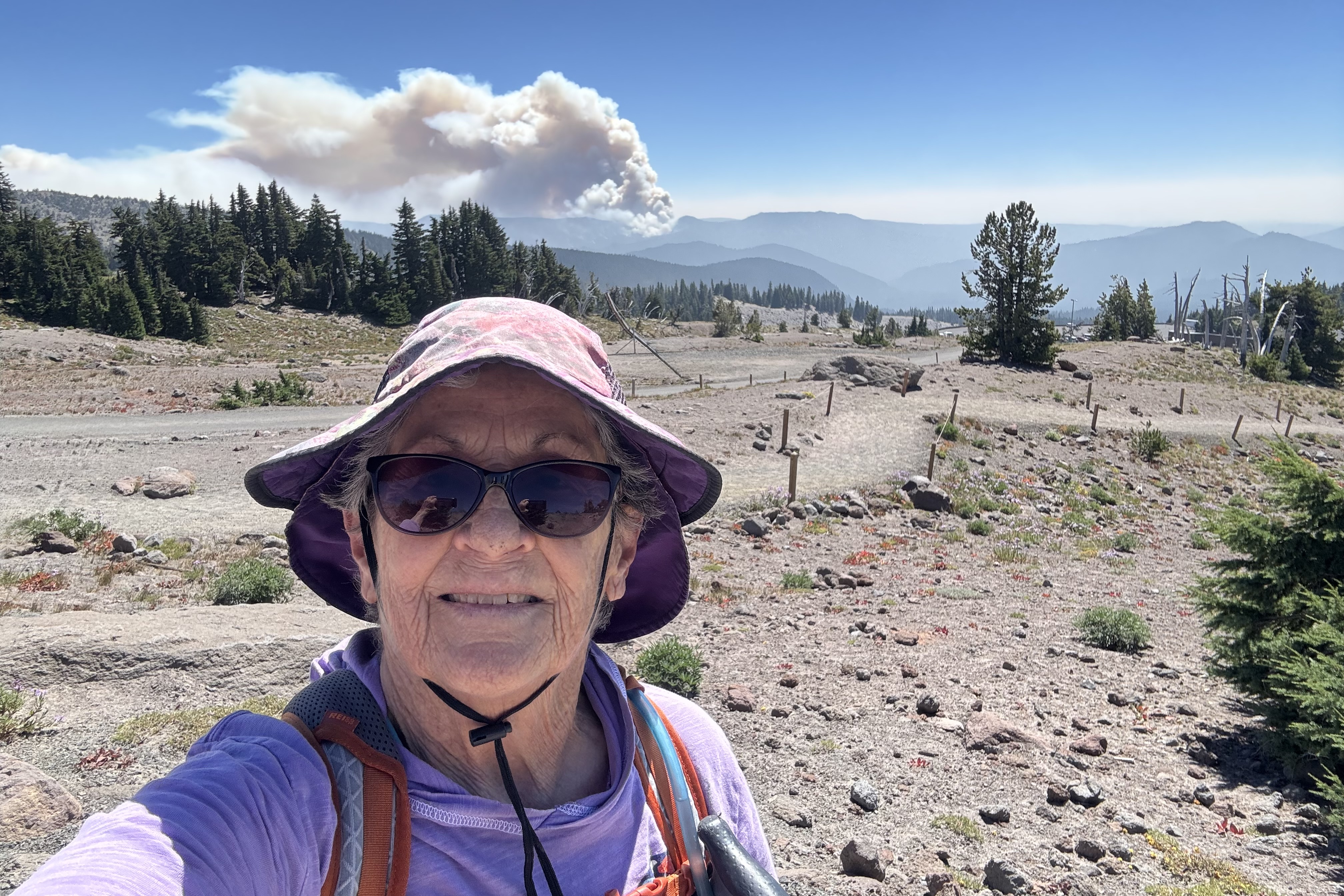
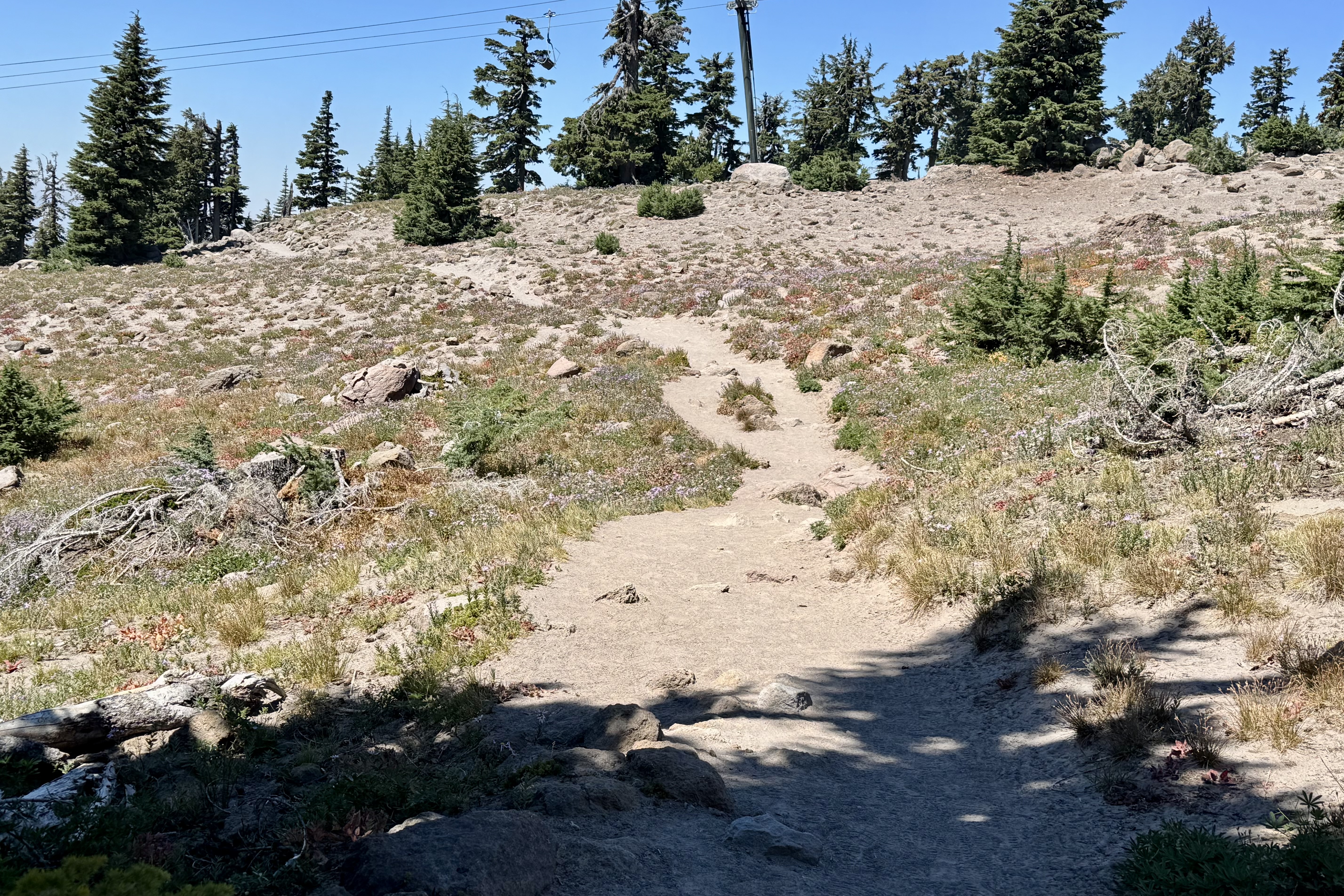
There were other hikers on the trail, mostly casual day hikers, and naturally I passed every one of them. I definitely did not want anyone to get the impression that I had suddenly become a cautious sensible hiker who had learned from previous experiences. I hadn’t. I still had absolutely no idea what the terrain ahead was going to look like. I simply happened to get lucky.

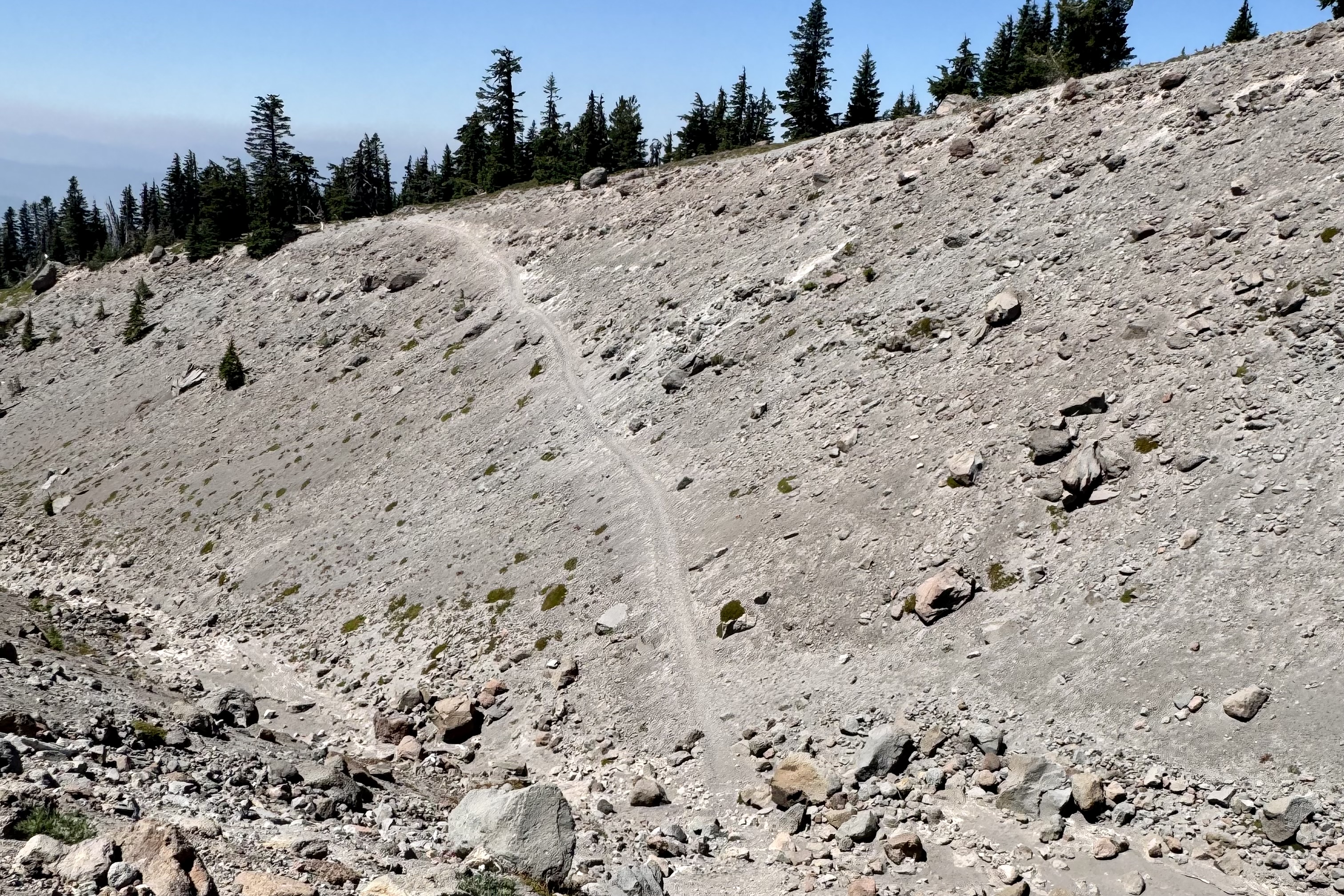
I hiked north on the PCT for about an hour before turning around at ZIg-Zag Canyon and headed back to the lodge. It was actually a very satisfying little hike and i had completed it with no major orthopedic negotiations. 


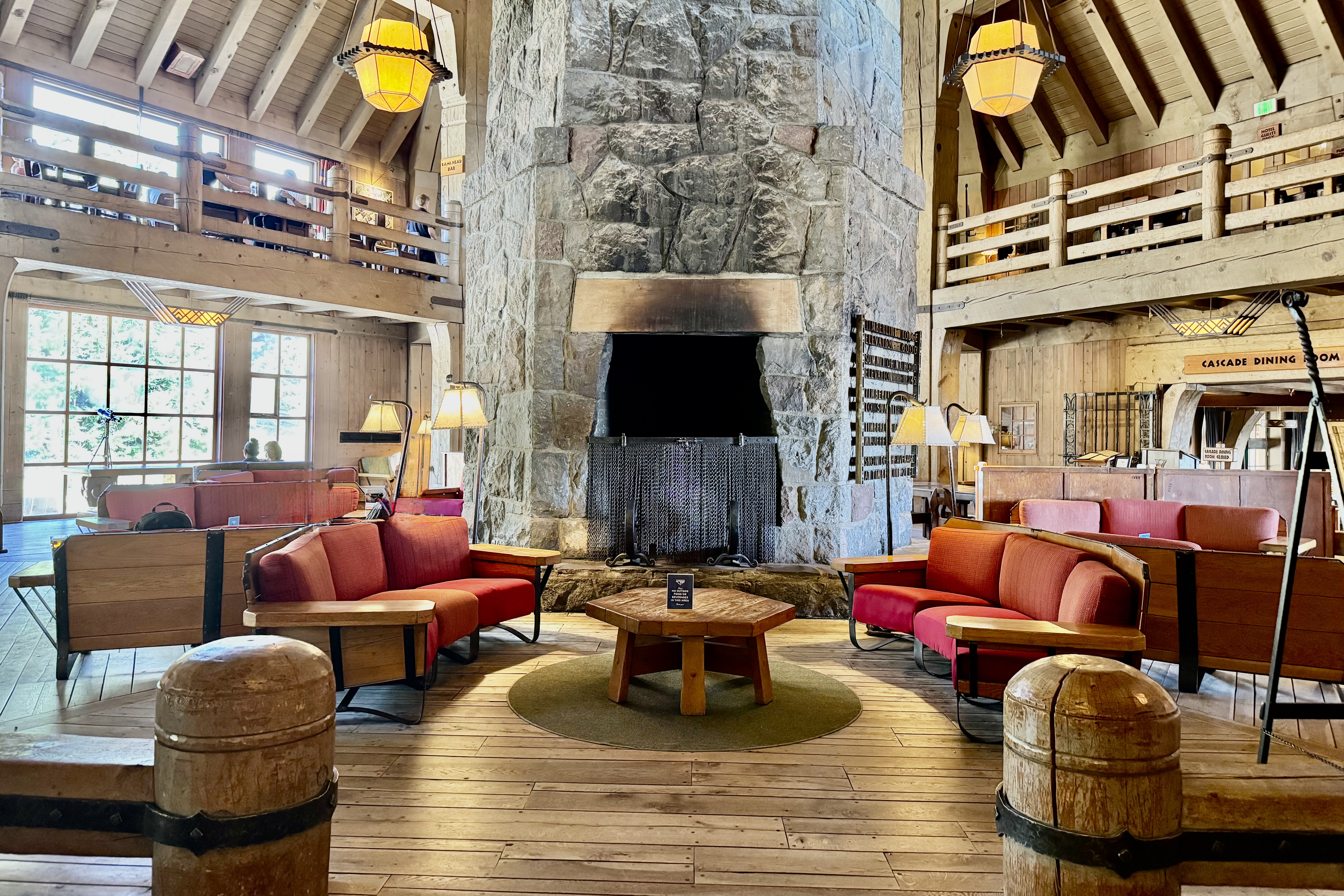
But somewhere along the way the thought took hold. Why exactly was I camping in a forest dungeon when I could be staying up here at Timberline Lodge. I deemed this an excellent question. The lodge is historic with its rustic character, massive hand-hewn timbers, carved woodwork, massive stone fireplaces … not the typical feel of a hotel but a grand mountain lodge. From the lodge, the views open across the rugged mountain slope of Mt. Hood and sweeping mountain vistas.
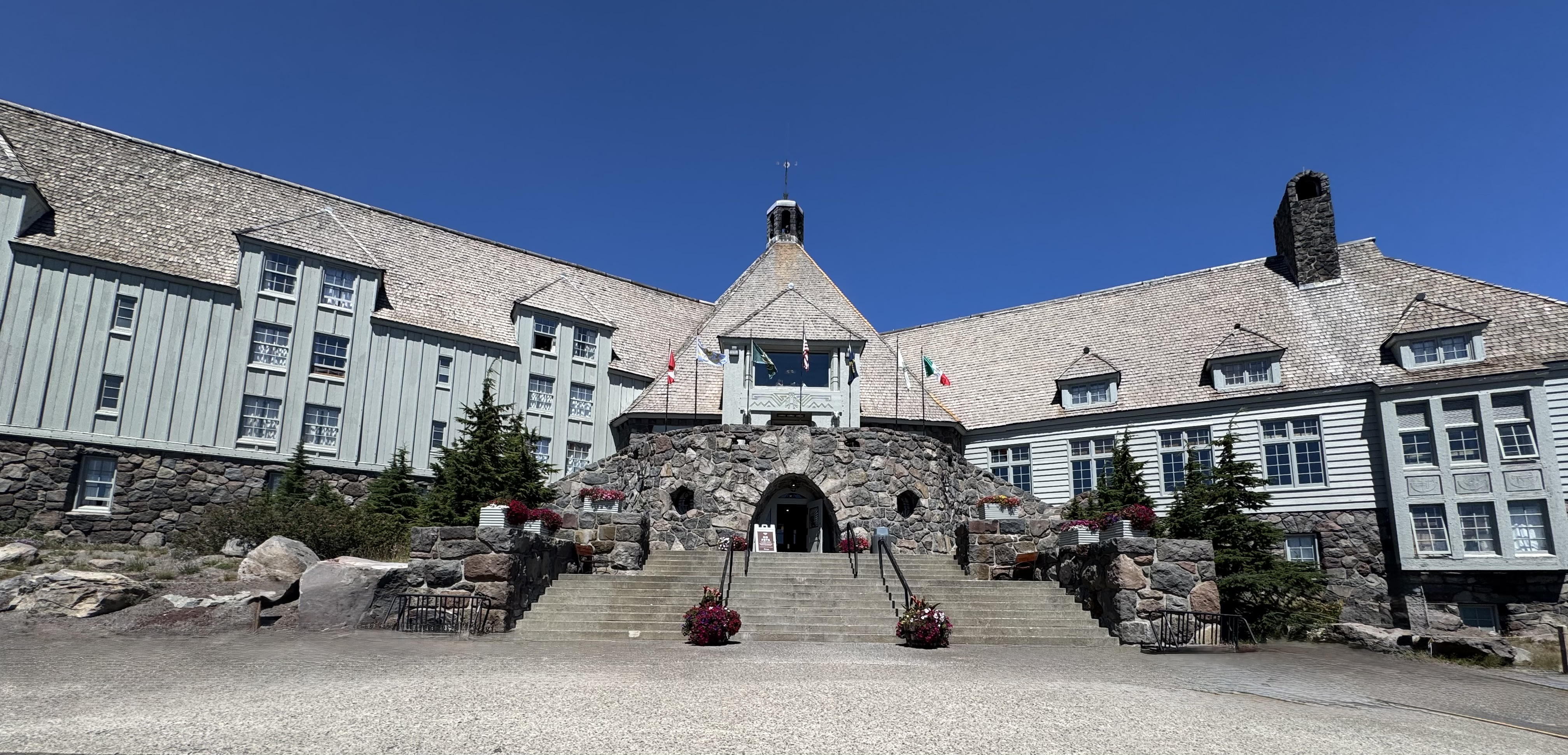
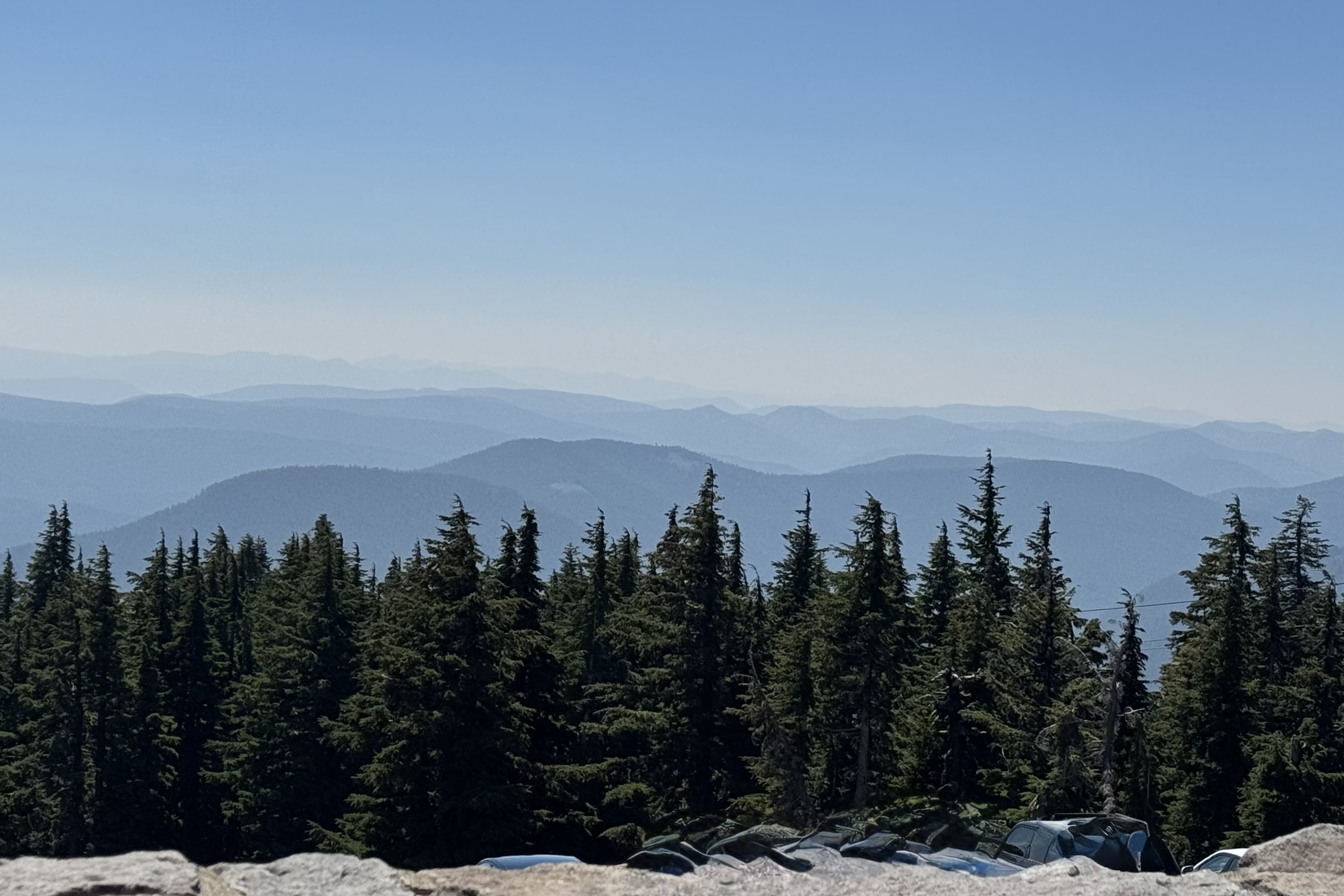
So upon my return from the hike I made what I considered a brilliant decision. I checked to see if there might possibly be a room available for the following night.

There was!

And not just any room. My preferred room was available. By “preferred” of course I mean the least expensive room. At $339.00 a night, it was hardly a bargain, but after several nights of sleeping on a cot, crawling into a tent, and negotiating dirt and tree roots, it certainly seemed like a tremendous value. I took delight in the thought this would be my last night in the forest dungeon.

The campground itself was tucked down a very dark forest road.  It made it feel remote enough to feel isolated bot not remote enough to escape the highway noise. At night when I was hoping for the peaceful sounds of the forest, what I got instead was the steady drone  of truck tires rolling along the highway above. This soundtrack of 18 wheelers was not soothing, or remotely charming .  It was simply annoying especially when I was trying to get to sleep.
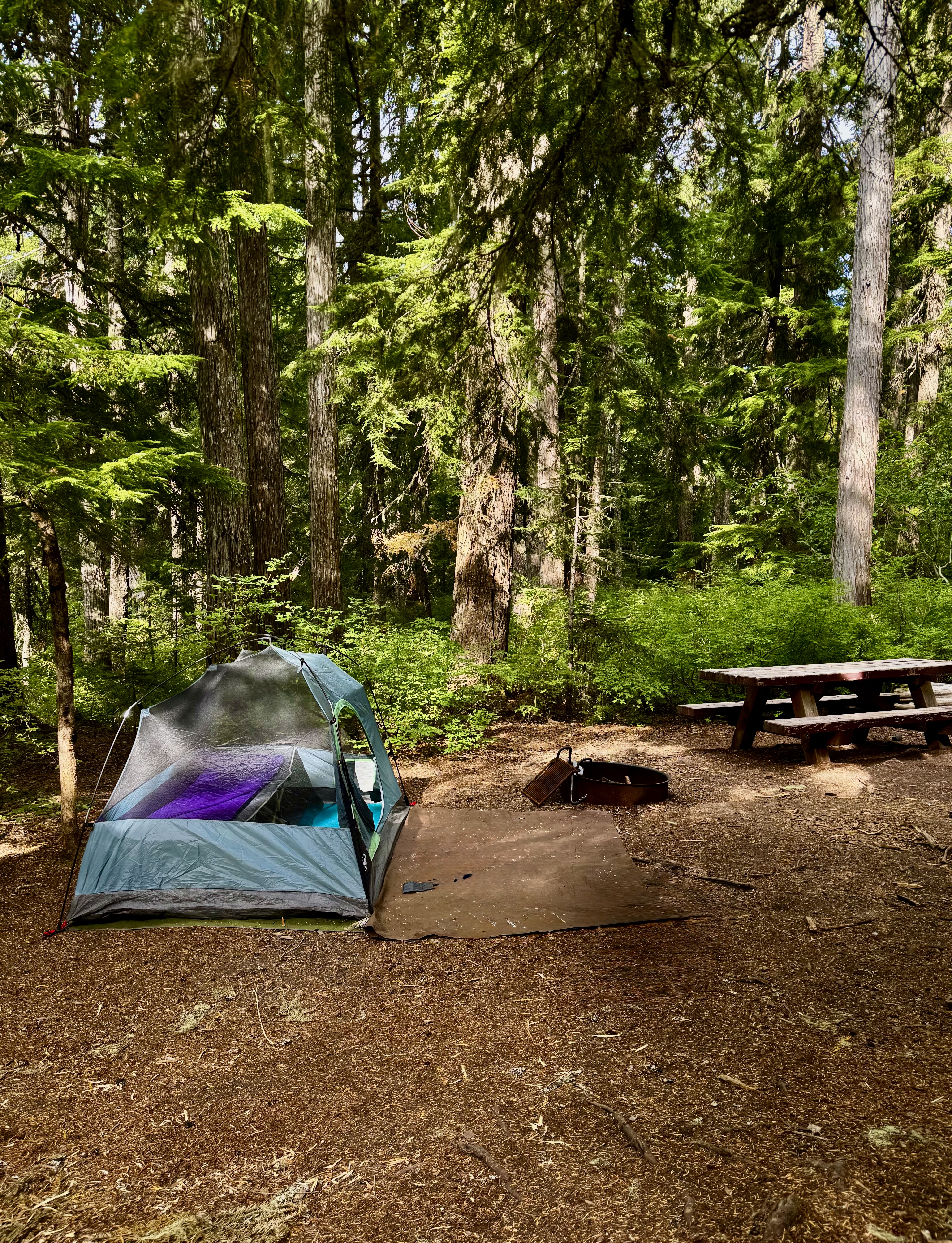
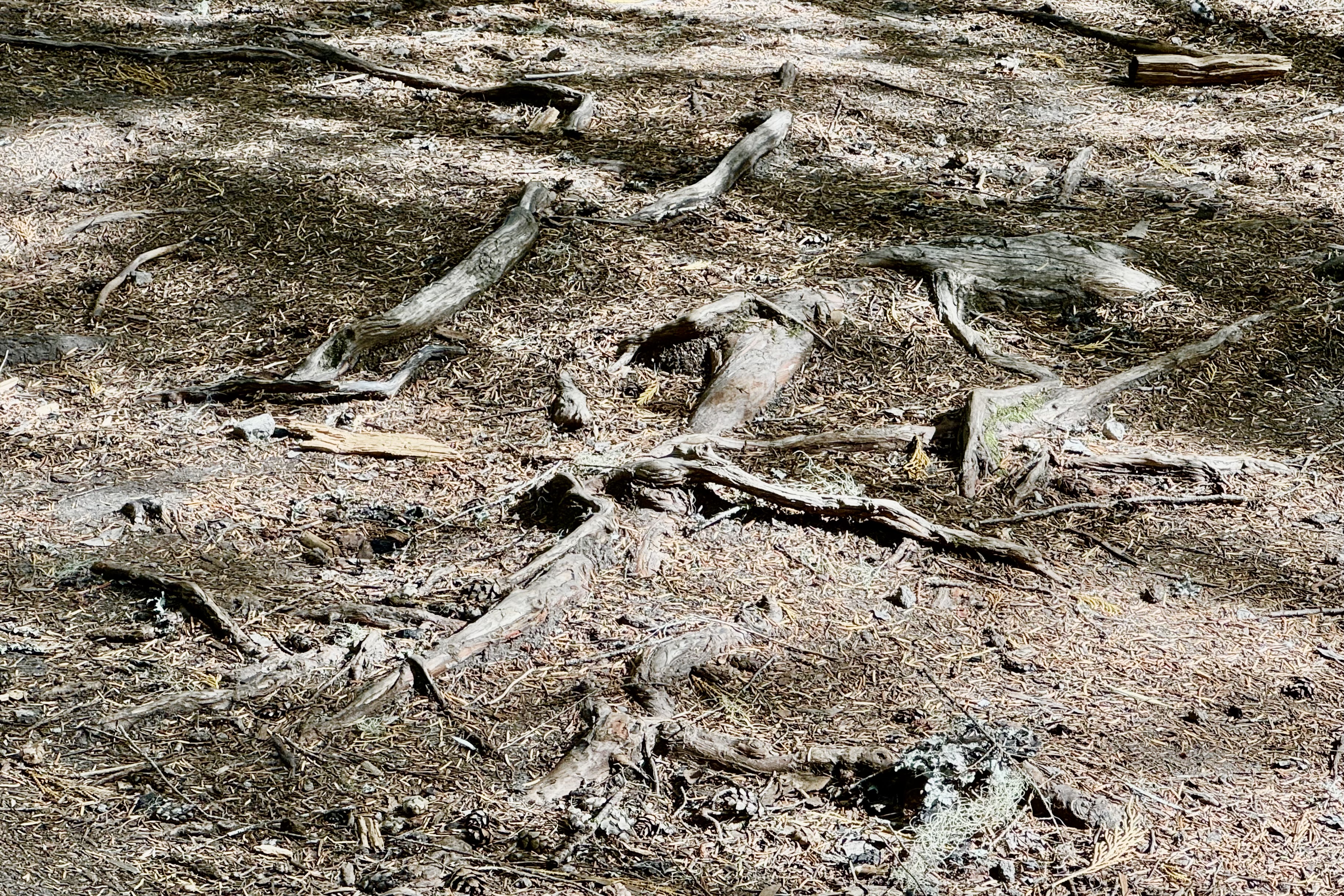
But in fairness, the campsite was not that bad. It was spacious. There were no mosquitos or other aggressive members of the insect world and after I resupplied with ice and other necessities, I settled in for a pleasant evening. The only real problem was the ground itself. I had begun to think of the campsite as a “tripping route” thanks to all the roots sticking up everywhere to test my balance and reflexes.

I had a comfortable evening. No drama, no search for shade, no lava, no questionable decisions involving difficult terrain. And that may be why the day felt so strange. It did not feel like a day I normally associate with my vacations. There was no ordeal to conquer, no ridiculous challenge to overcome, no moment when I wondered if I had made a spectacularly bad decision. I simply drove up a mountain, watched a wildfire smoke show, hike a lovely section of the PCT, found a room at Timberline Lodge, and returned to camp.

Perhaps this is what normal people call a vacation. I am not entirely sure I ready for that.
Misery Ridge: What Could Possibly Go Wrong?

The morning of the fourth day meant breaking camp and heading north towards the  Mt. Hood area where I would be spending the next three night at Still Creek, a Forest Service campground about 7  mile south of Mt. Hood.  It was only going to be a three-hour-and forty-five-minute drive, so naturally I found a way to turn it into an adventure (or perhaps a misadventure). 

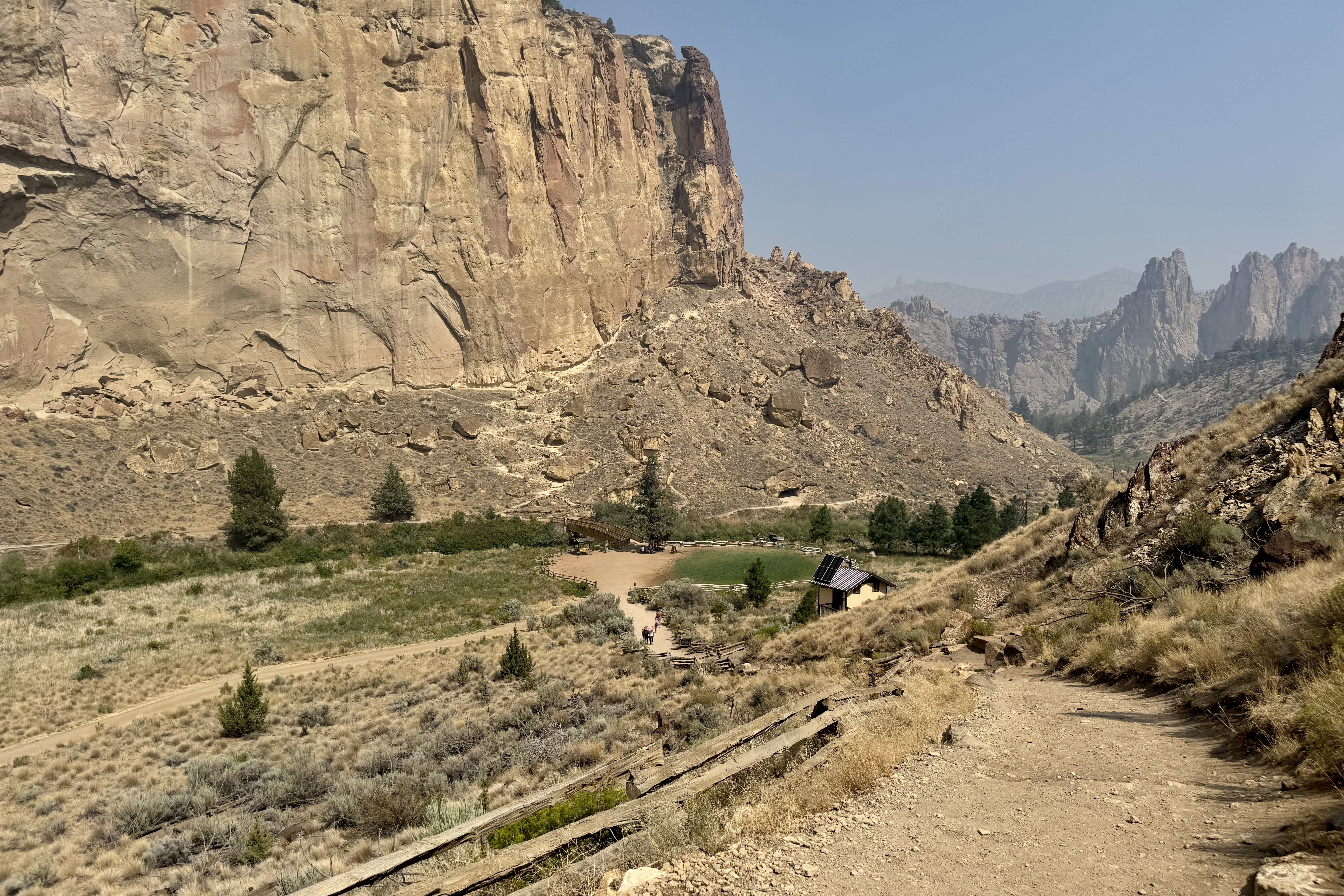
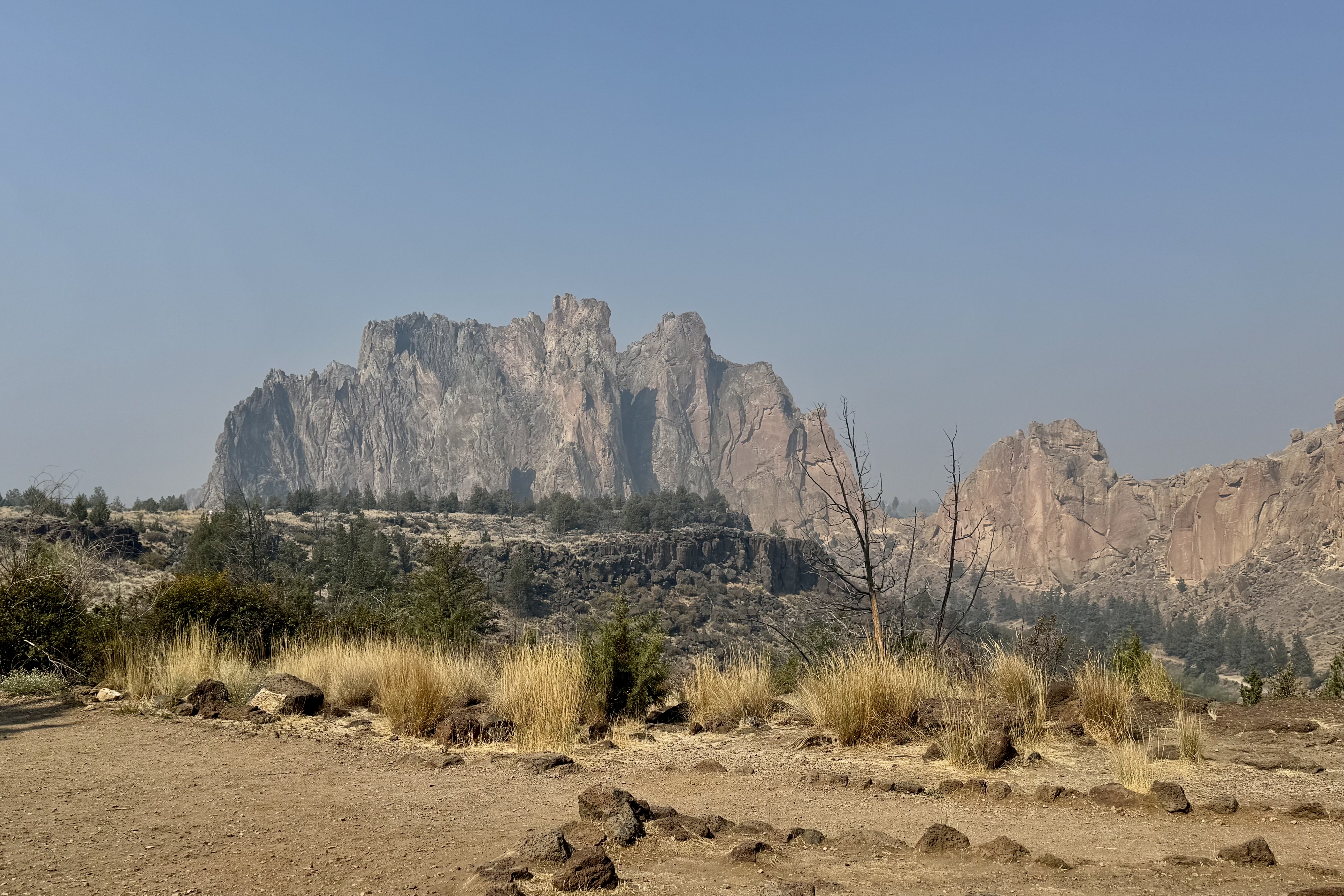
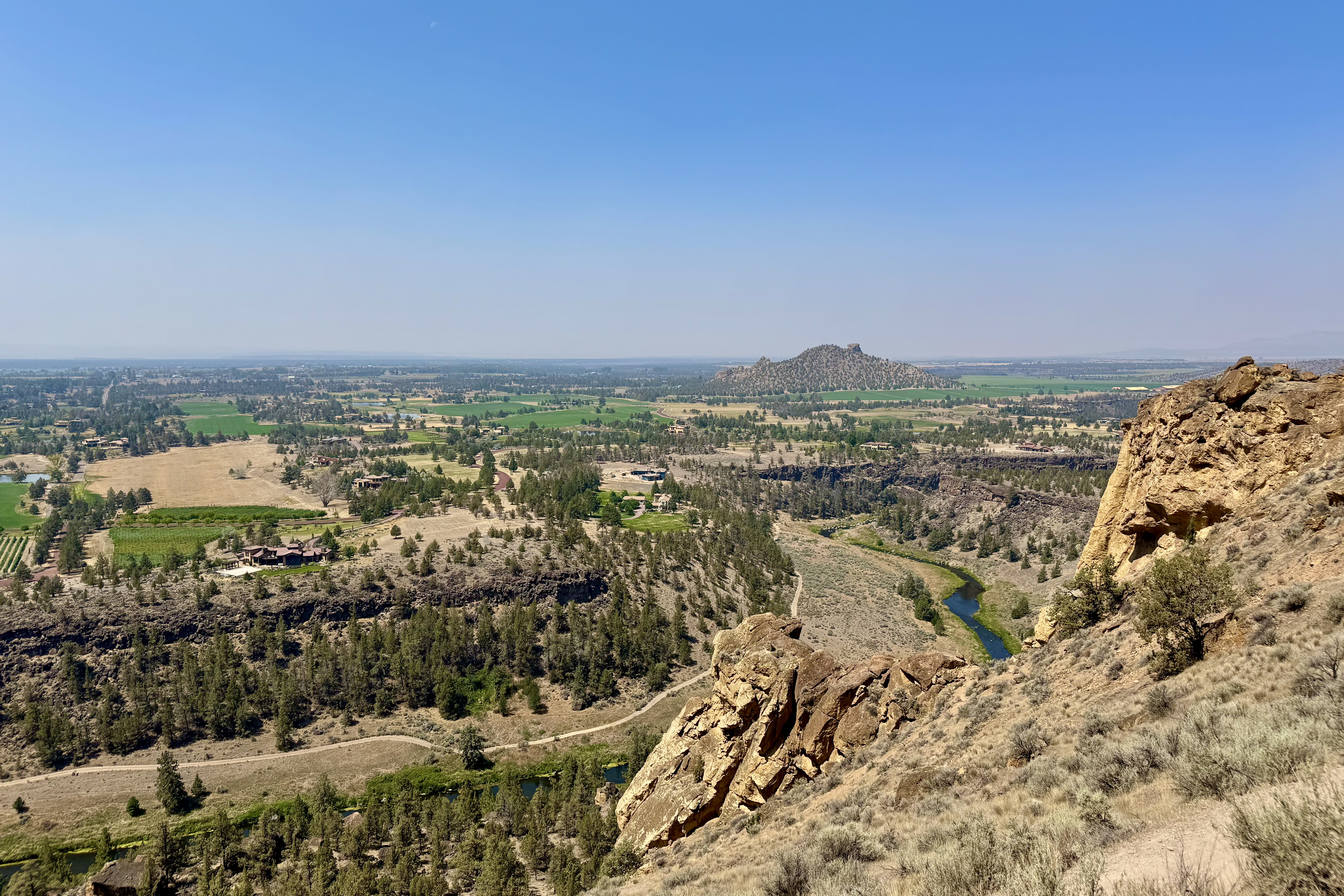
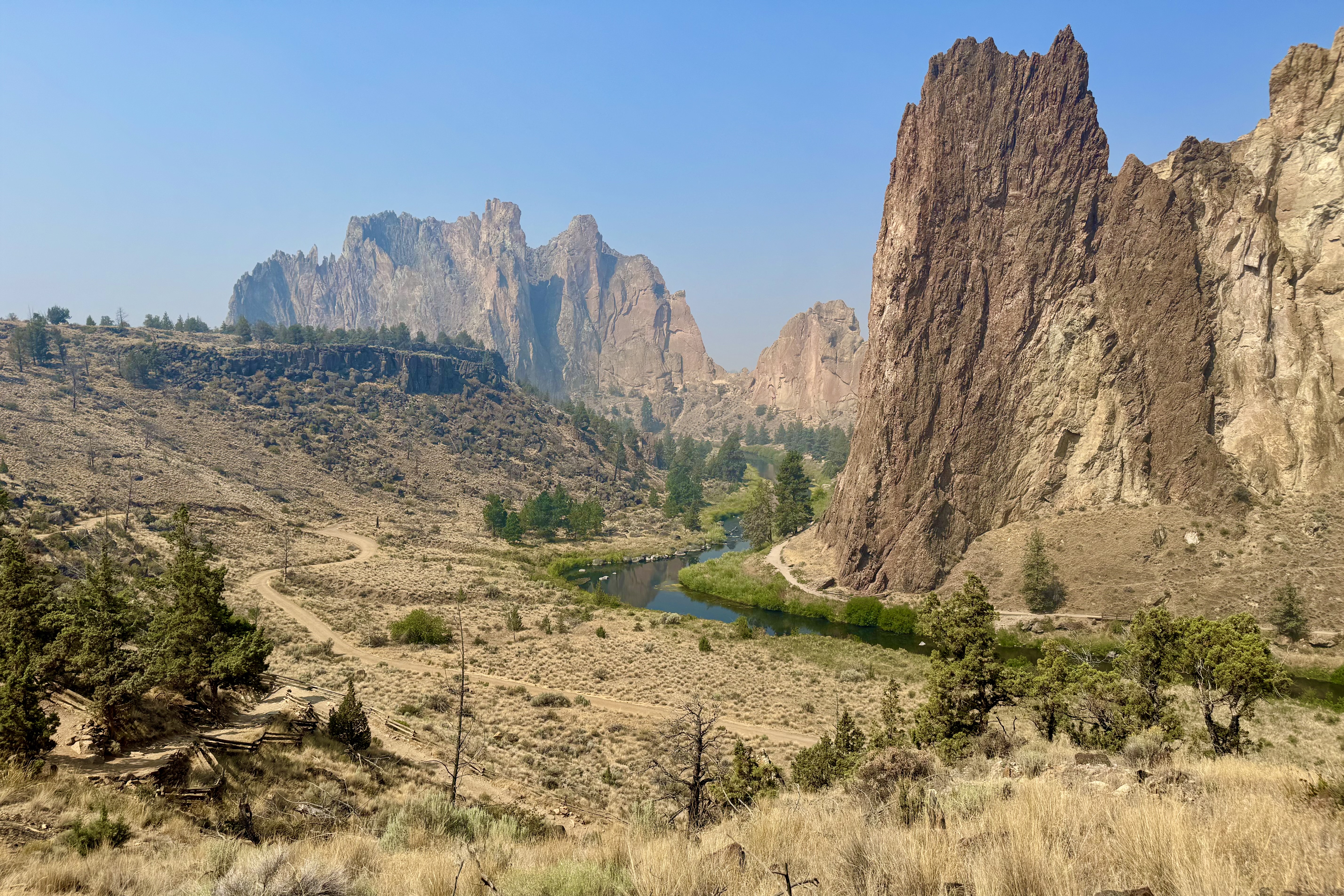
I had read about a beautiful Oregon State Park called Smith Rock famous for its dramatic cliffs and rock climbing. Even better, it was just a few miles off the highway I would be traveling and about halfway to my destination. What better way to break up a drive then to stop for lunch and perhaps a short hike as there was no rush to get to the campground.  I had no agenda beyond setting up camp and enjoy a relaxing evening.

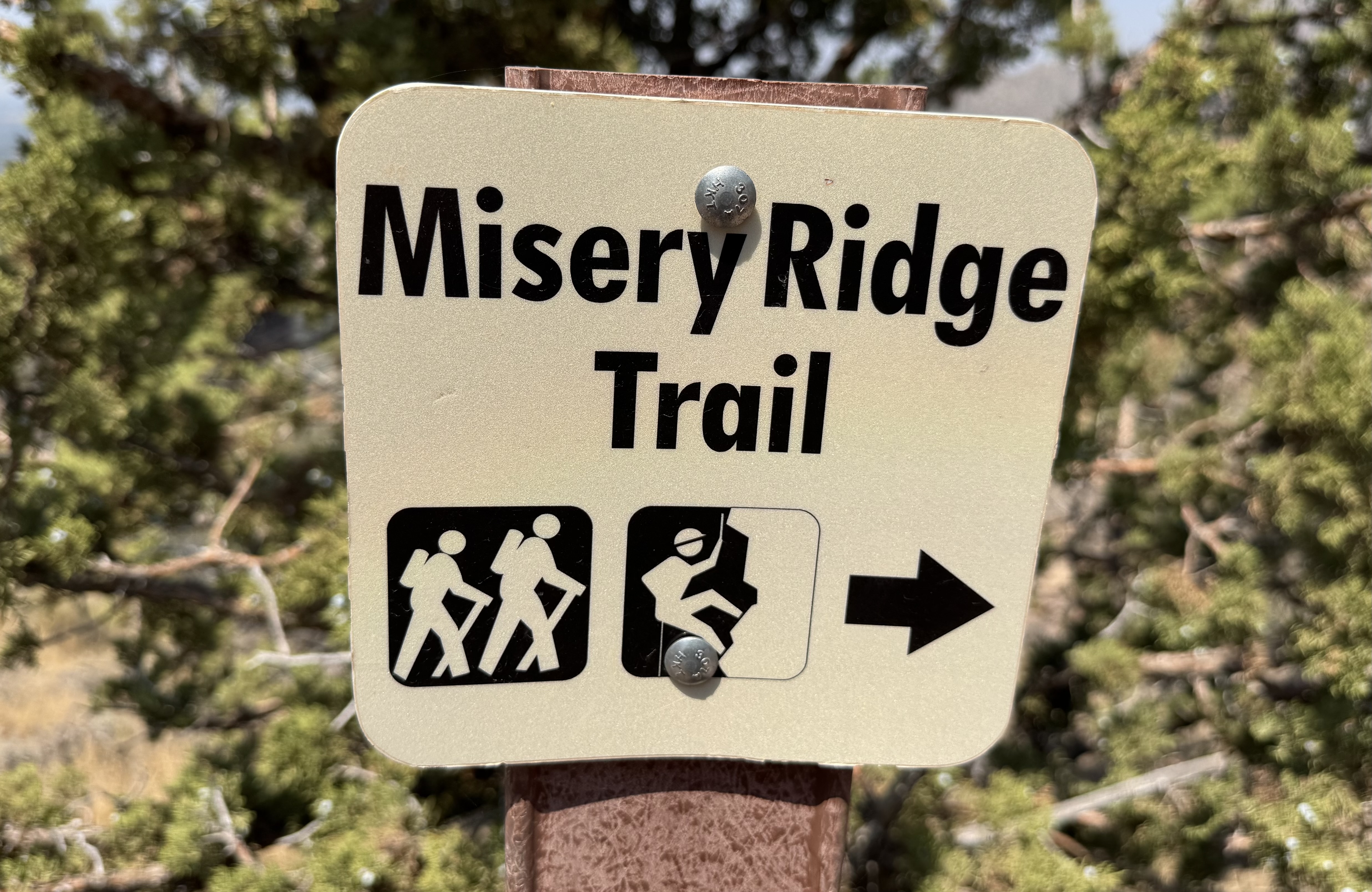
Armed with what I considered my excellent research skills, I had decided I might tackle the Misery Loop Trail – perhaps in reverse as it was described as a bit less difficult. You can be assured I skipped over the description of the “easiest” trail and gone directly to the more difficult ones. What caught my attention, of course, were the words “Misery Ridge Trail” and the “Chute, ” both listed among the park’s most difficult trails.

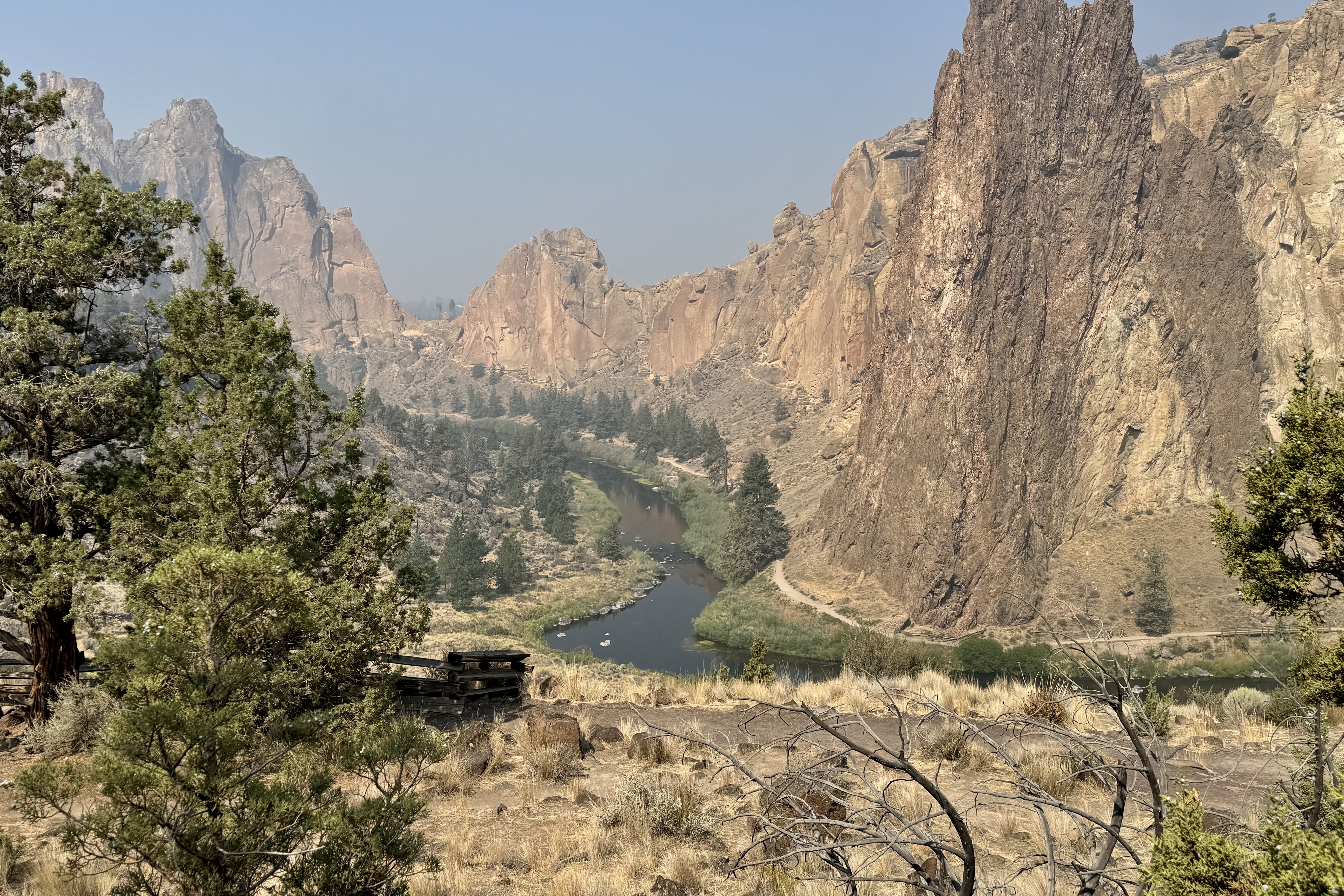
The original plan was called the reverse Misery Ridge Loop, a 3.7 mile route. I would not ascend the Misery Ridge Trail which was described a crowded and quite difficult with trail surface basically loose scree and uneven terrain. But the reward would be spectacular views of the rivers, mountains and surrounding canyons. Once I got to the park, I reconsidered the almost 4 mile hike. The park was not the least bit crowded eliminating the main reason for not doing Misery Ridge. So naturally I revised my thinking: I would climb this difficult section, go slowly and plod my way up, enjoy the views, and carefully pick my way down the easier route.

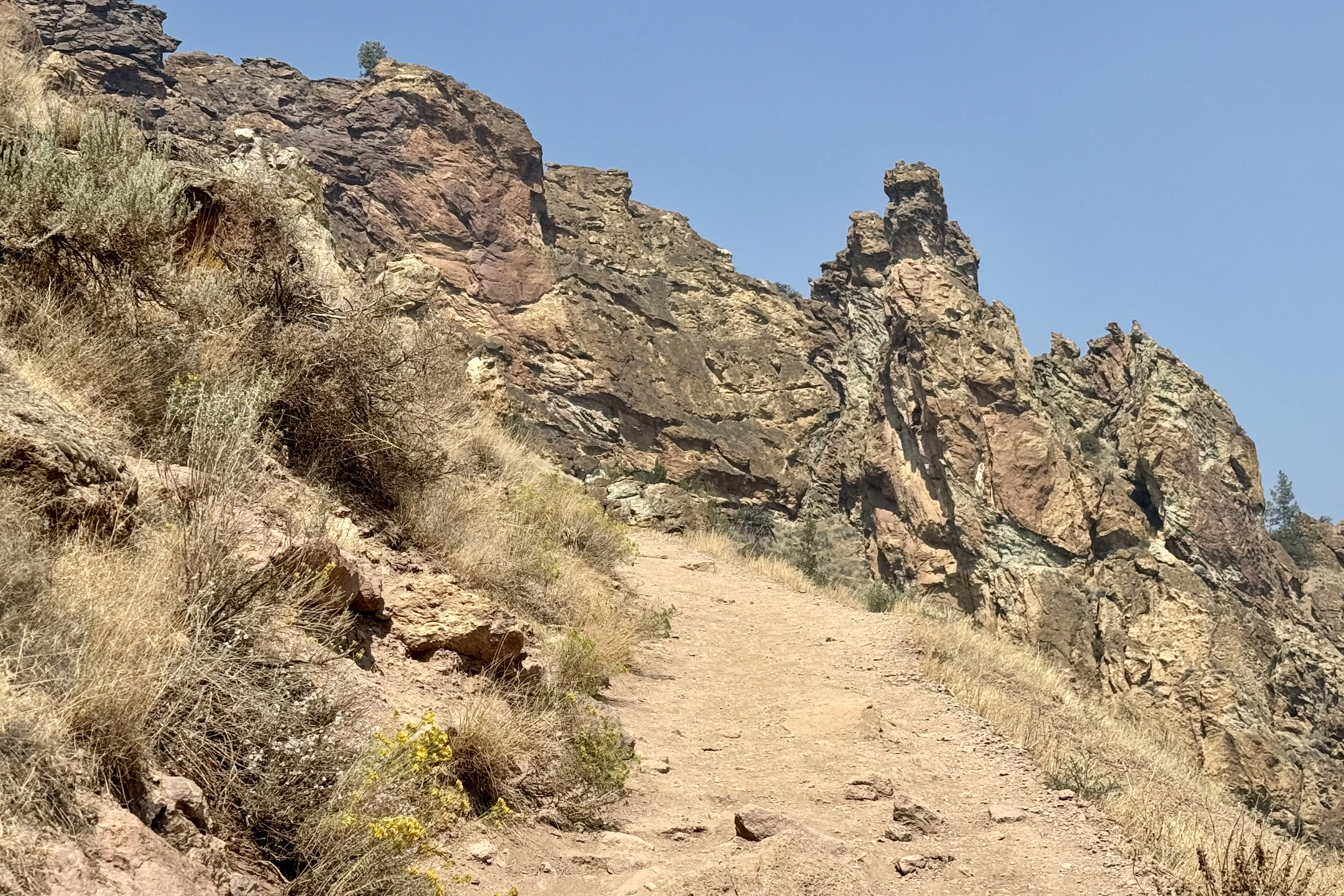
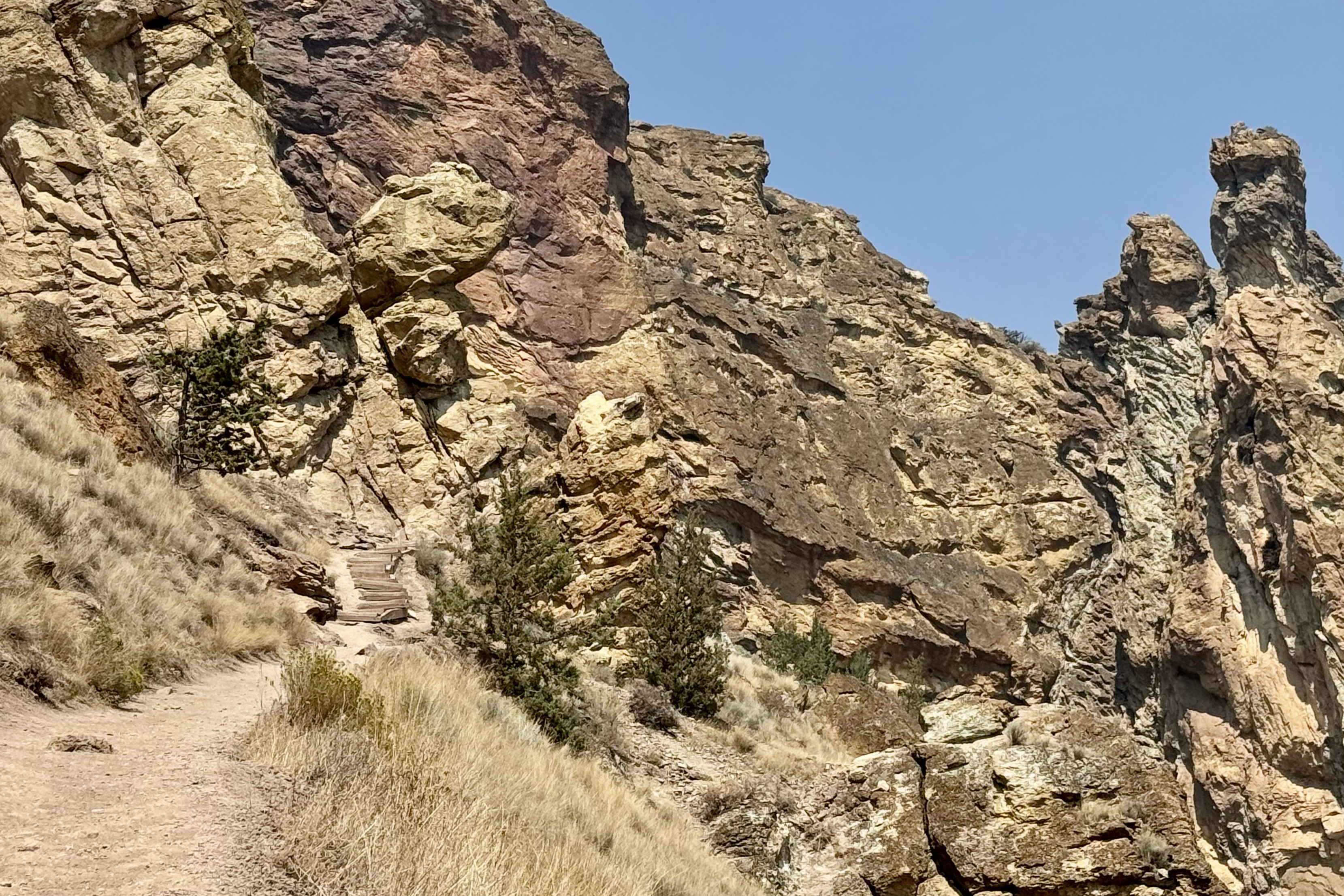
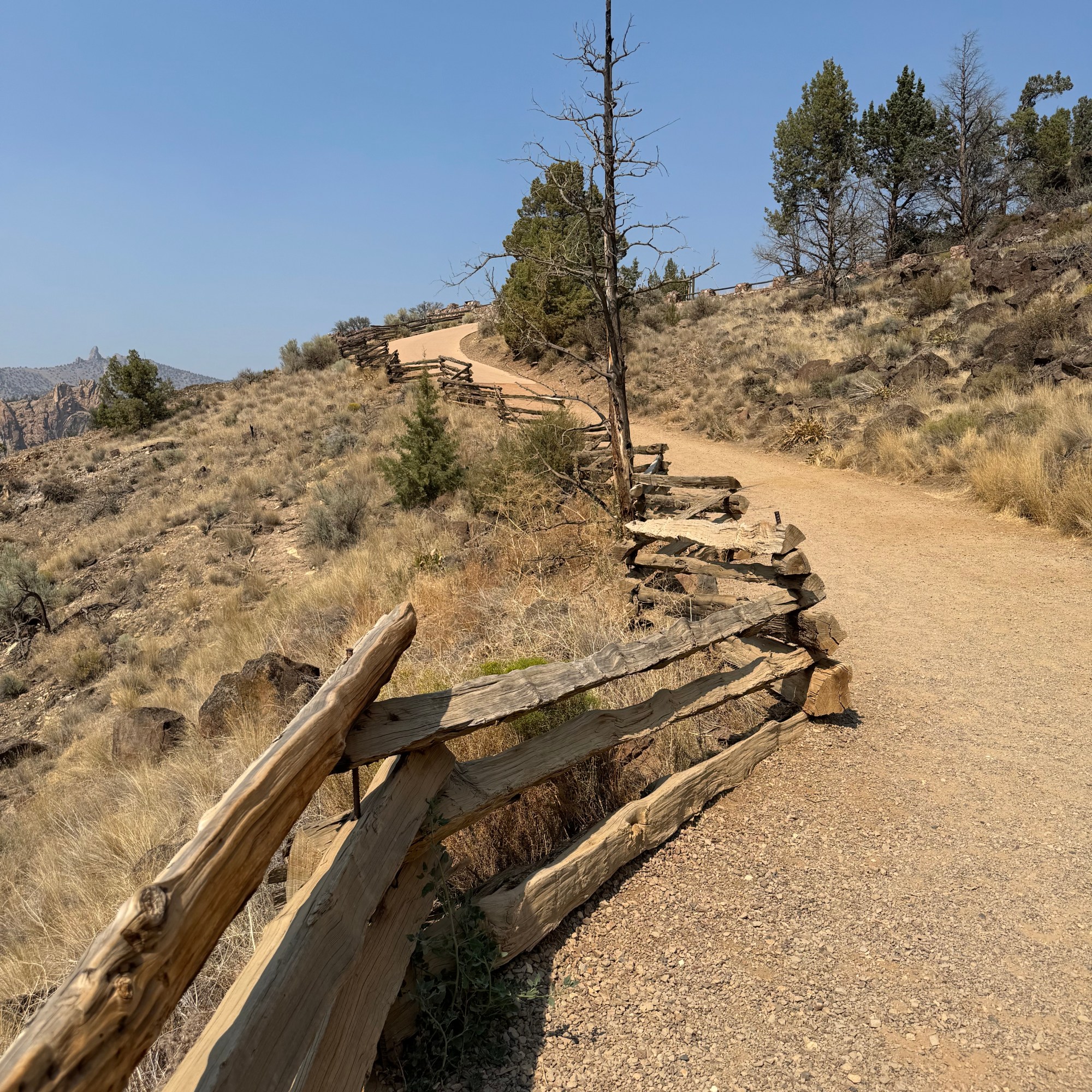
My confidence began to evaporate quite quickly. The trail was every bit as advertised: gravel, loose scree, sand, switchbacks, and uneven wooden steps holding the trail together. It was also getting hot but since this trail was only .68 of a mile – it would be a more sensible choice versus something longer.

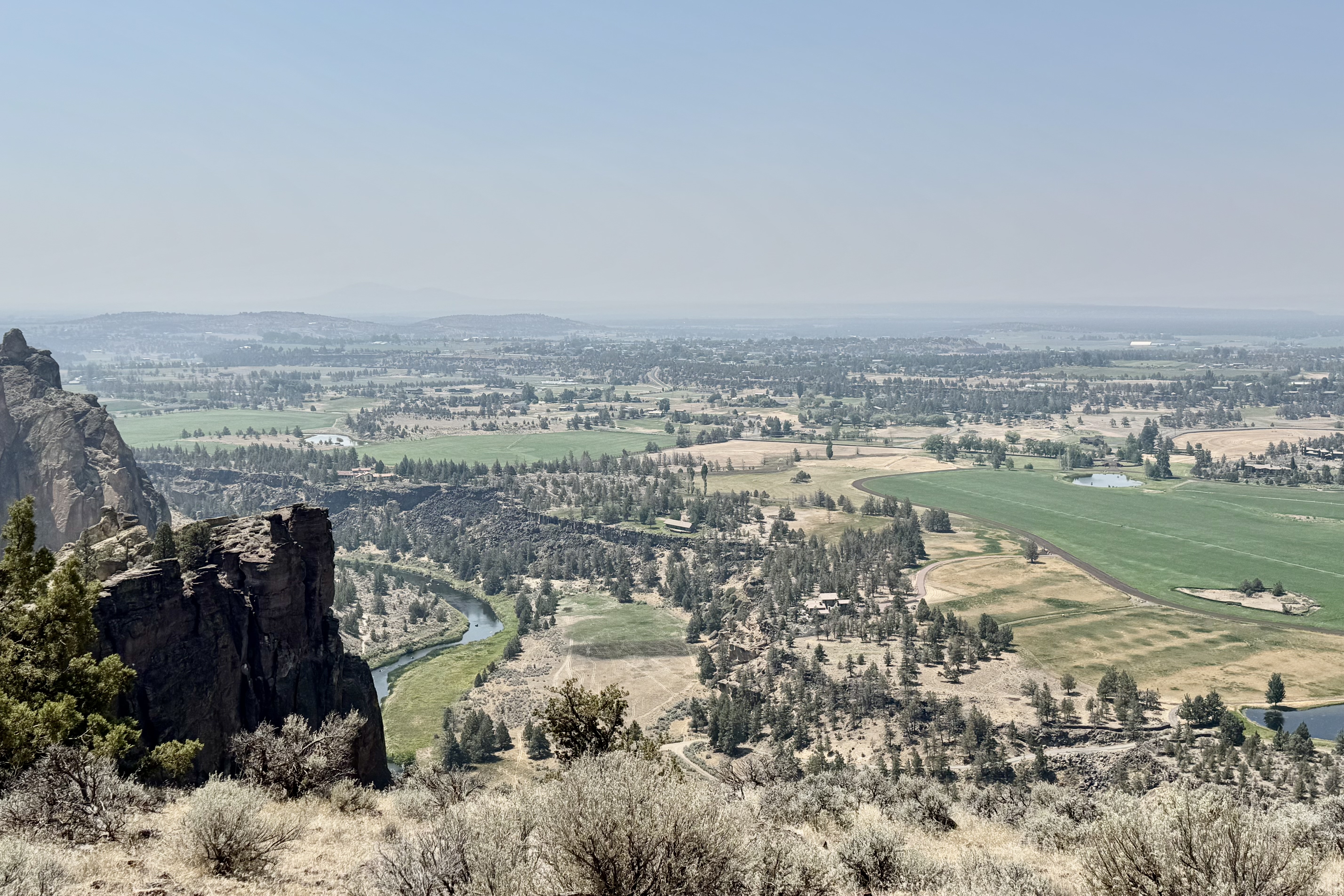
O course I was wrong. I very slowly huffed and puffed my way up this unstable terrain stopping frequently to catch my breath and sip water. I cursed, sweated and actually began to question my judgement. But I was not going to give up. After a little more than an hour and a half I reached the summit.

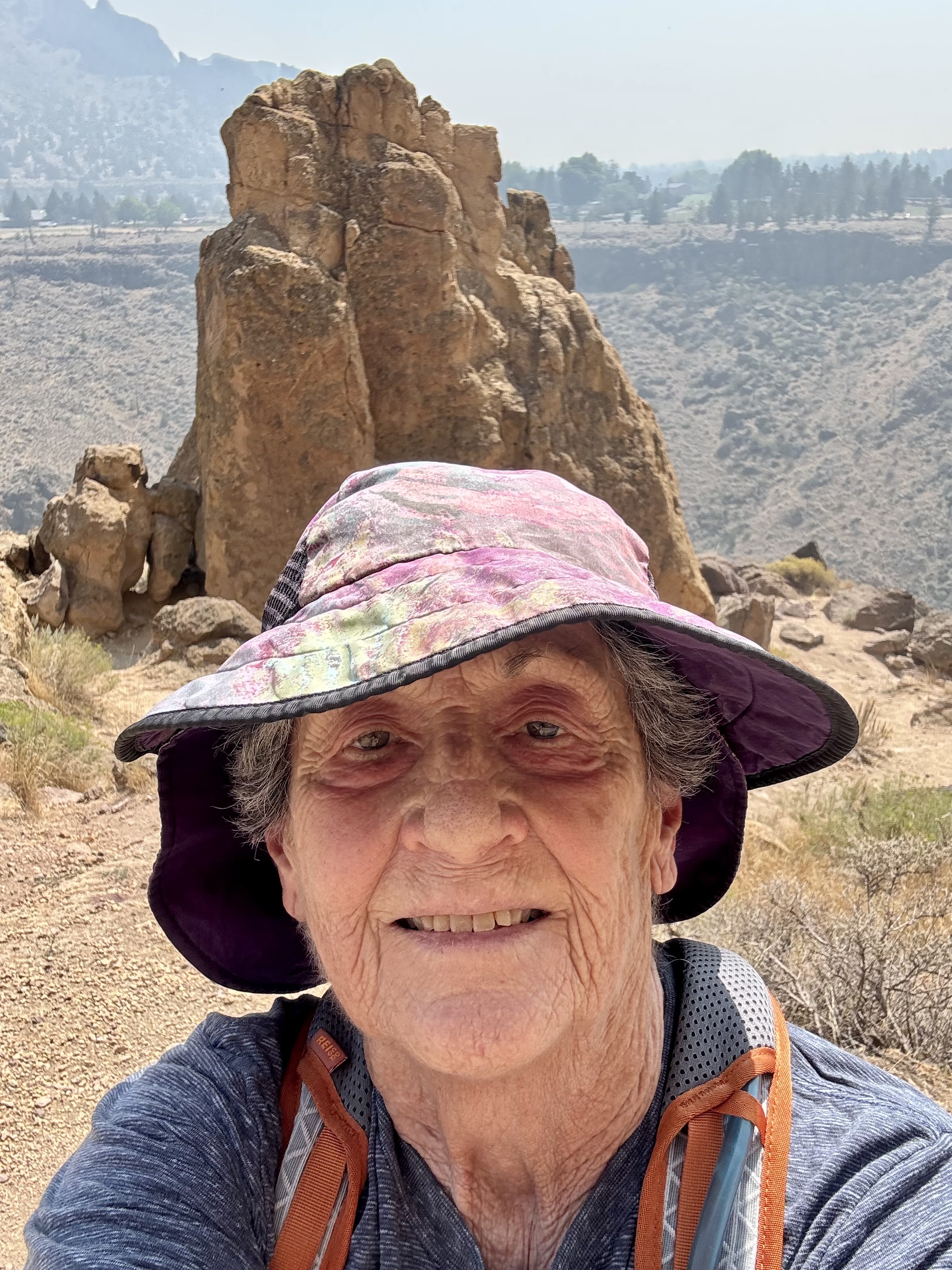
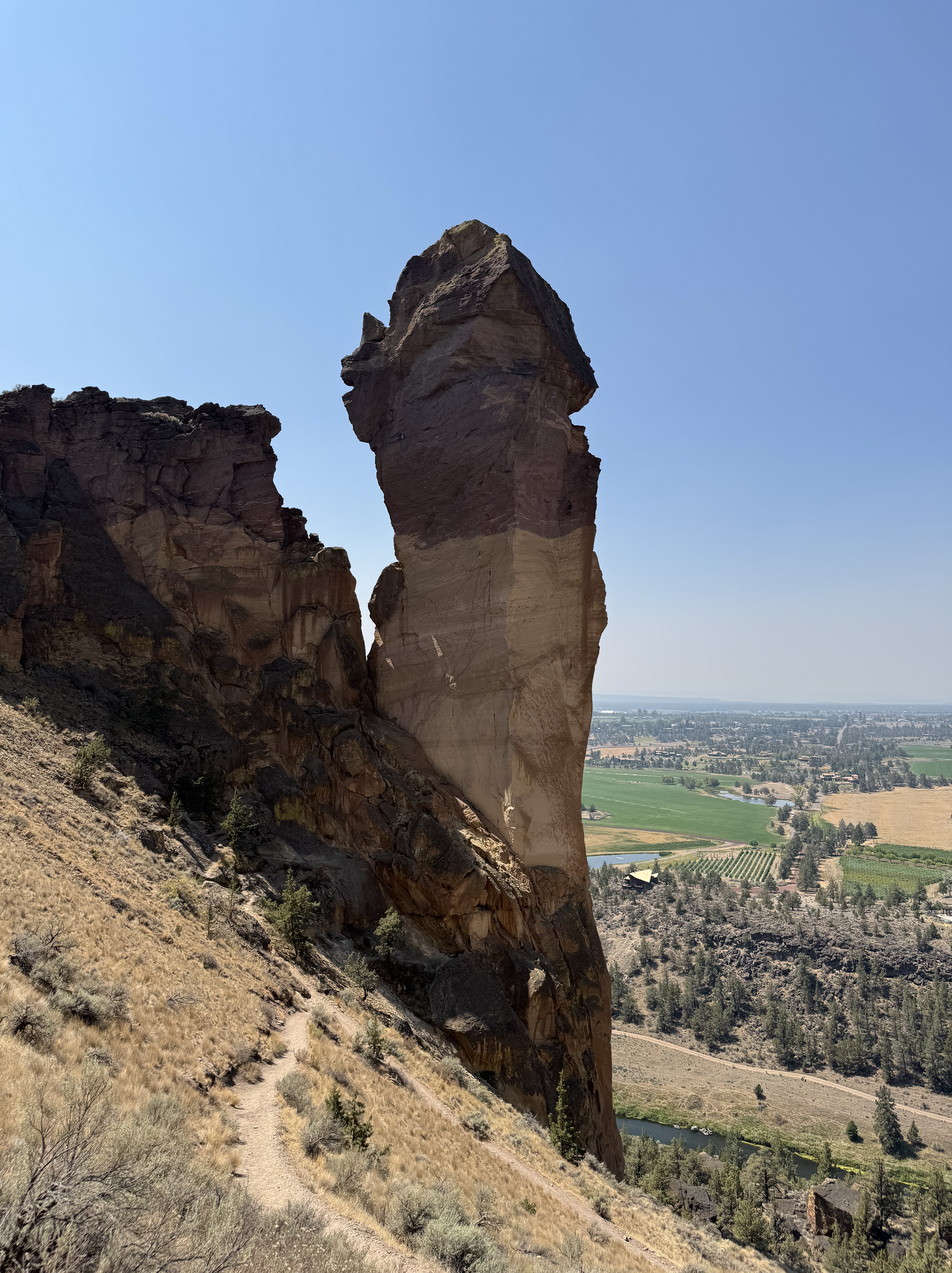
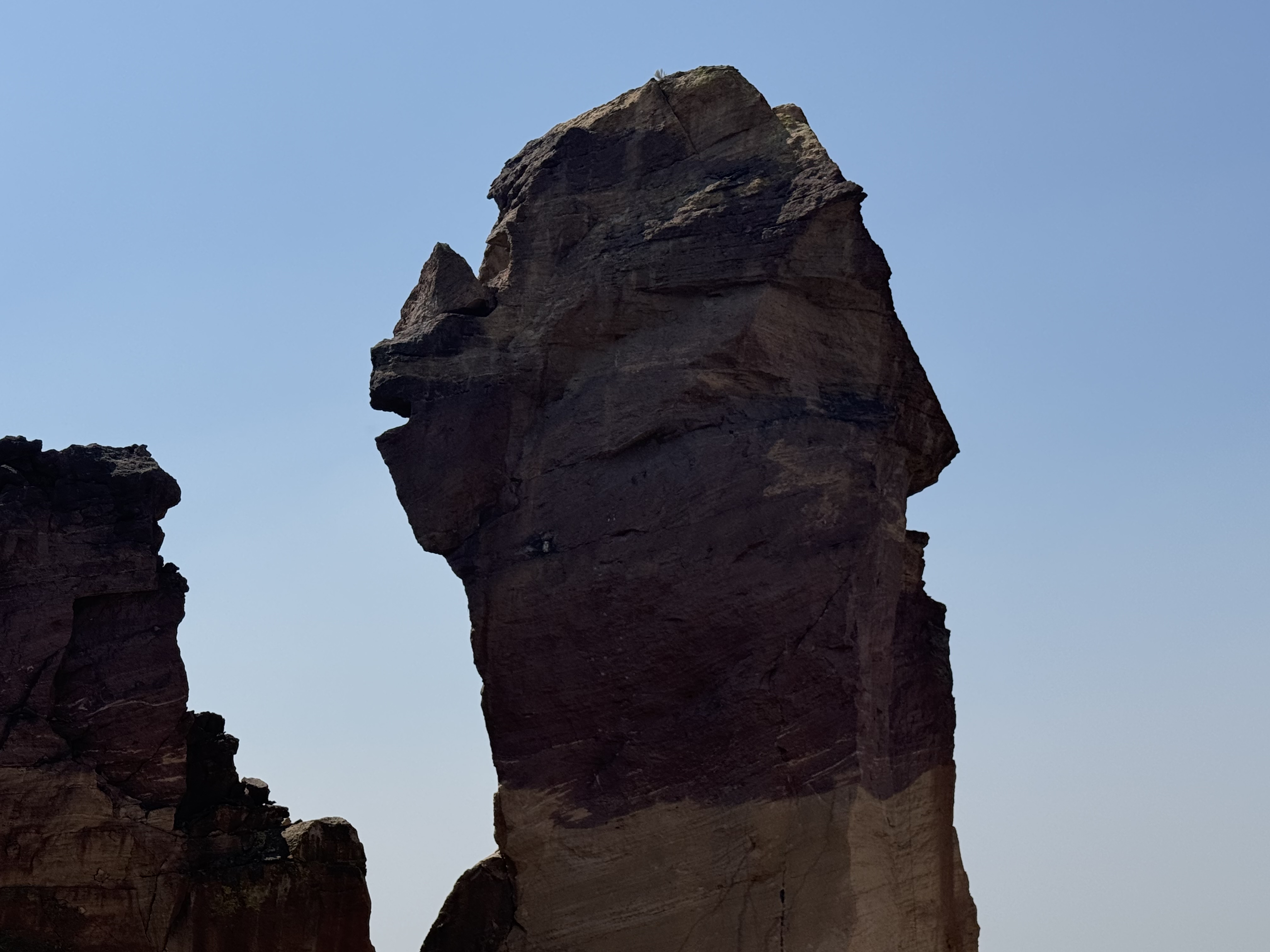
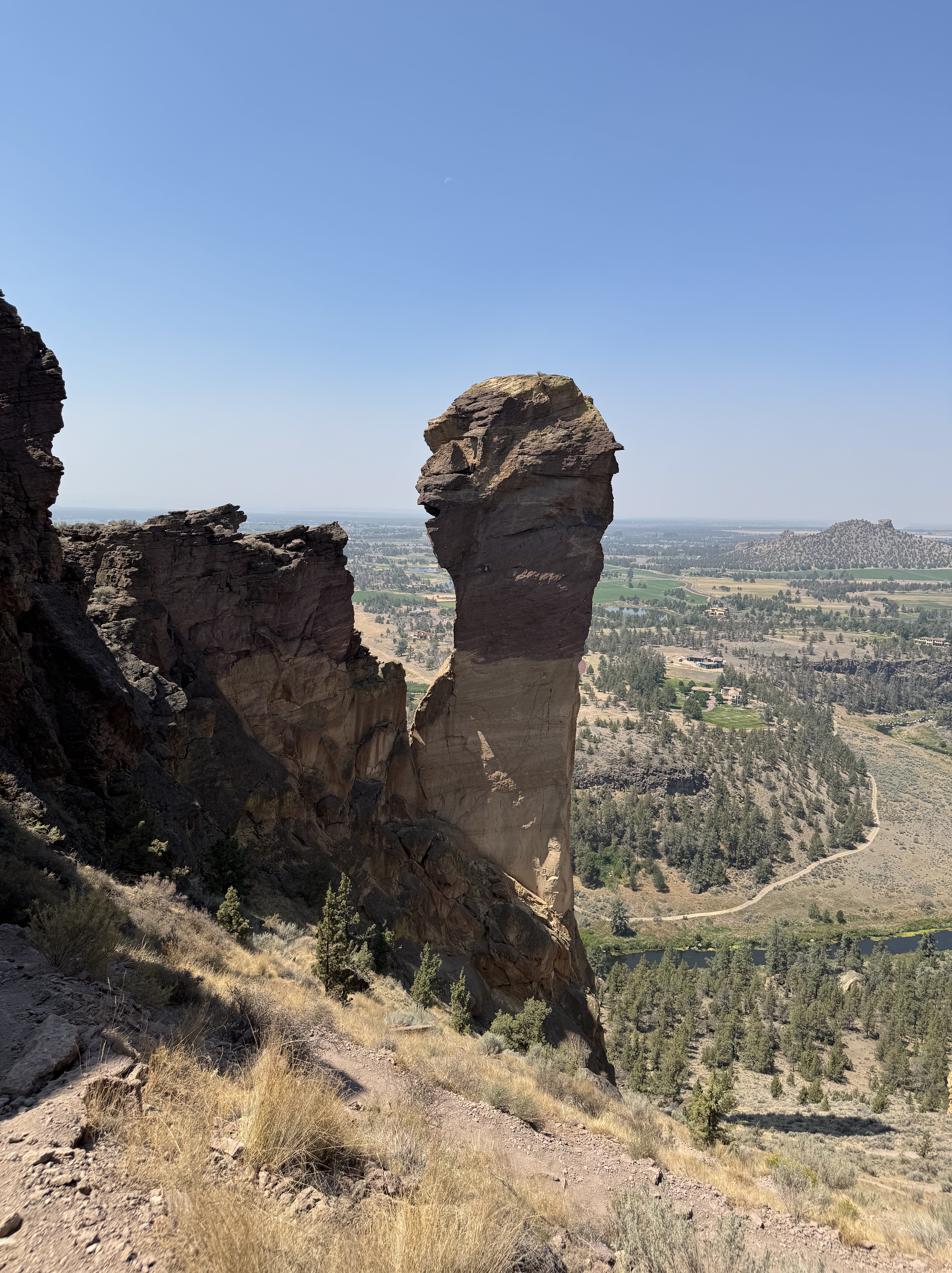
There was some shade. This immediately became my favorite feature of the summit. I settled down, ate my lunch, drank water and then took in the spectacular views. Briefly the suffering felt justified but soon I decided to head down the backside. And that was, yet again, when my lack of navigational skills went into full relapse. I followed the signs for the Misery Ridge Loop until I reached a junction where I had no idea if I was supposed to go right or left. The signage was confusing and although I had anticipated other hikers, there was hardly another human being around to ask. I encountered only two small groups of hikers during the entire hike. I looked back up at “Monkey Face” the famous 350-foot tall volcanic tuff spire in front of me. It’s premier destination for advanced rock climbers but no rock climbers today to consult. .

So there I stood at the junction, faced with two choices: forge ahead and hope I was going the right way or turn around and return by the route I knew. Given my notoriously compromised sense of direction and complete absence of anyone to consult, I turned back and started walking the half mile back up hill. Forty five minutes later I was back at the summit.

I began the descent down the same route I had climbed, carefully picking my way back acroos the unstable surface.  Going downhill was not as easy as I hoped it would be and in some ways harder since it would be so easy to skid out on the gravel and sand. But eventually I reached the river, crossed the bridge and headed toward “The Chute.” 

By now I was feeling that the entire excursion had become a fiasco. I had misjudged the distance, misjudged the difficulty, misjudged the route, then turned myself around and added another 45 minutes to the adventure. And now I still had to climb “The Chute, ” the last steep 500 feet of climbing. So much for a “short hike.”

I have to admit I recovered remarkably quickly after an icy cold Diet Pepsi, climbed back in the car and headed toward Mount Hood and my next campground. 

When I pulled into Still Creek, it felt as if I was driving down into a forest dungeon. Towering old growth trees surrounded the campground creating a dark canopy that was a dramatic contrast to the open sun-drenched landscape  I had just left behind.

As I searched for my campsite, I discovered there was only one other camping party in the entire 25 site campground.  There was a water spigot near my campsite but the smelly loo was the equivalent of a city block away.  

I was a little discouraged.  I was surrounded by a dense forest that initially felt gloomy. But I reminded myself that this was going to be a different kind of experience.  Different scenery.  Different hiking.  Different expectations.

I set up camp and everything wet smoothly.  With the campground quiet and remote there wasn’t much going on – which was probably what I needed. I had time to ponder the day’s adventure and couldn’t help but wonder once again about my sanity.  What is it that makes me constantly choose the difficult path.  Why do I need to consistently push myself to the limit?

A few days later once home I came across an article in the newspaper with the rather ominous title ”The Five Deadly Places in Oregon that Tourists Shouldn’t Travel Alone.” You can probable guess what came next. One of the places on the list was Smith Rock with the article sighting many of the very things I had encountered: summer heat, steep switchbacks, limited shade, exposure and loose rock. Everything I had spent four and a half hours negotiating wandering around largely by myself.

Had I read this article before making my choices at Smith Rock, would I have done things differently? I would like to think so. But knowing myself, I’m not entirely convinced. Perhaps I need to find a part of me that suggests a little more caution. But then that might be asking a lot from a woman who sees a trailhead labeled “Misery Ridge” and thinks “I wonder if I can?” and then forges ahead.

But for now I am simple grateful that my many questionable decision had ended with nothing worse than sore feet, some choice words to self, a lot of sweat , and feeding my addiction to icy cold Diet Pepsi.

Roughing it — with an iPad

On Monday, August 3, I hopped into Lady Spitfire, once again packed as though I were permanently moving into the wilderness, and headed through Central Oregon toward Lava Lake, which would be my base for exploring the Three Sisters area. I had first become aware of this unique volcanic landscape while reading my son’s Pacific Crest Trail hiking journal and now eager to see some of it myself. My plan was to day hike a couple of sections of the PCT that winds through this area.

The drive was pleasantly uneventful along two lane forested roads.  Fortunately, there were enough passing lanes that I did not have to become the crazy woman driver trying to pass everyone who wasn’t traveling at what I deemed the acceptable speed.  There are things about camping I am willing to endure but driving behind someone going 20  miles under the seed limit it definitely not one of them.

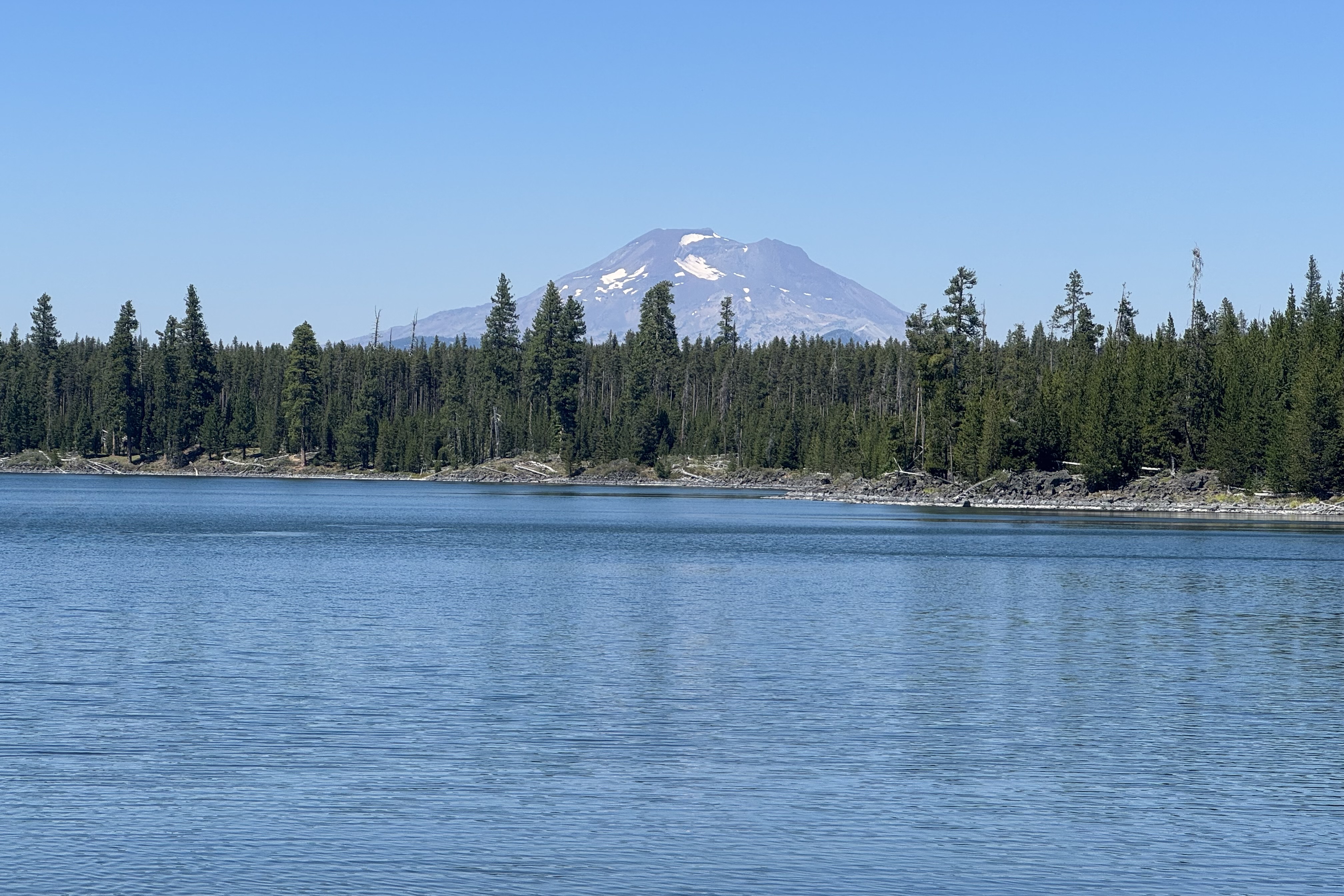
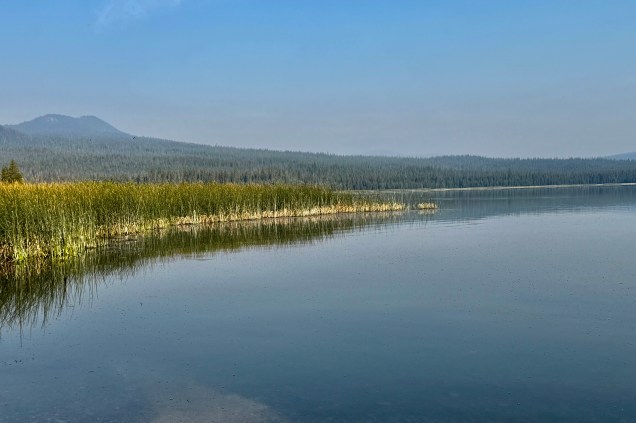
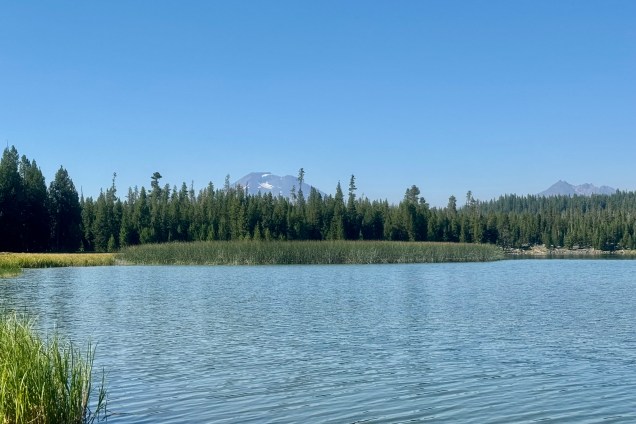
I had deliberately chosen this National Forest Campground because of its location —- and because I have learned the best way to avoid the RV-and-generator  crowd is to seek out campgrounds without electricity.  This one was essentially a tent only campground along the shore of beautiful Lava Lake with a view of South Sister rising across the water.

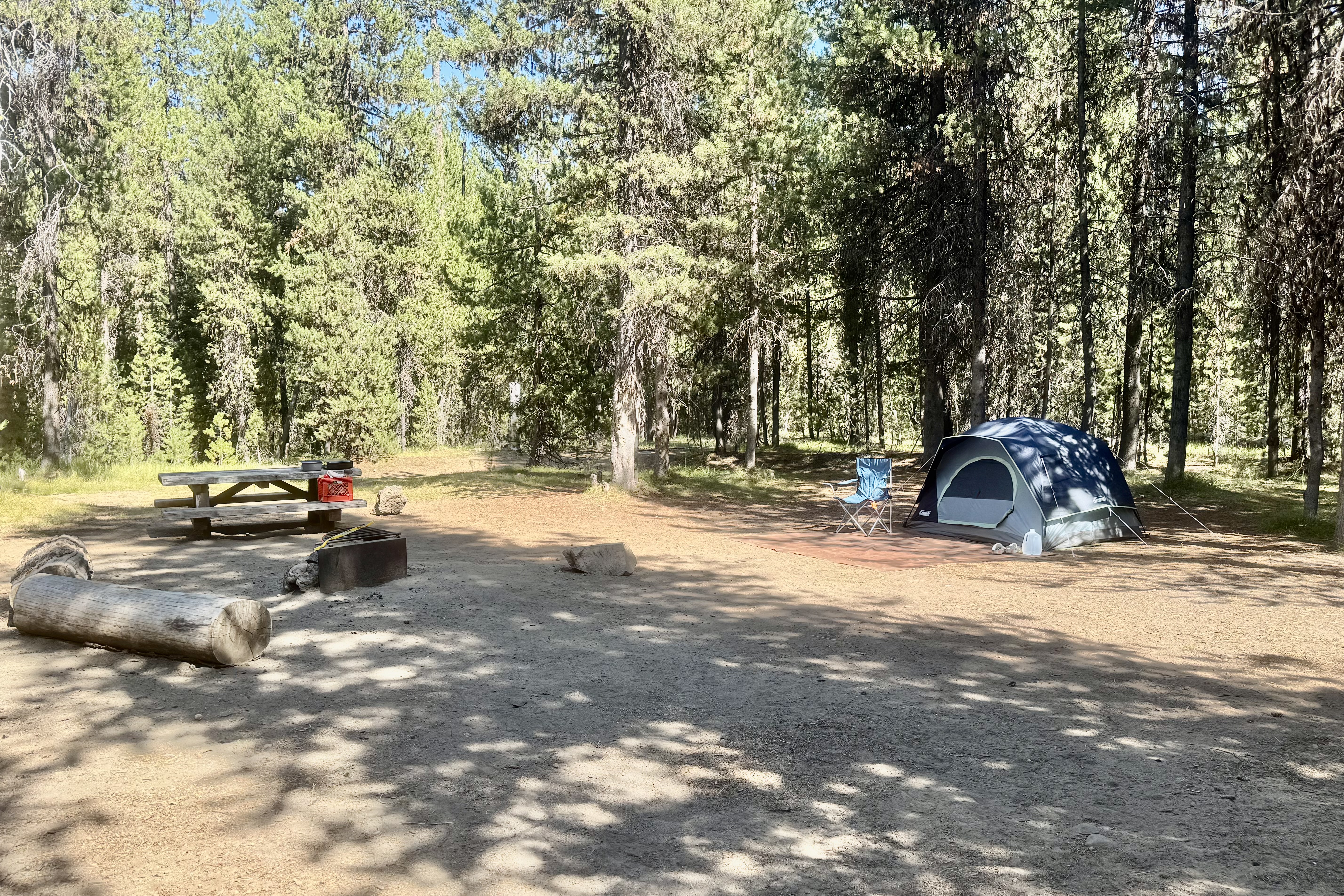
Arriving in the early afternoon, I was quite pleased with my spacious.  campsite. Camp set-up was remarkably smooth since I had the good sense to practice setting up the tent before I left home.  The campground was still relatively empty but as the afternoon wore on, a couple of other camping parties arrived and naturally selected sites right next to mine. I have to wonder why it is such a great idea to leave the comfort of my home, rummage around in the dirt, and then listen to somebody else’s  conversation while smelling and watching them preparing a delicious meal with a plethora of cooking equipment and later enter their three room two story tent that makes my own supplies look positively primitive. Still my tent was set back enough that I didn’t feel particularly exposed.

The there was the matter of electricity. Or, more accurately the lack of it. It had seemed like a good idea when booking. Almost immediately I began what would be a recurring obsession through the entire trip: How am I going to keep all my electronics charged?

My iPhone. My iPad.  My AirPods, My Portable Power Station.

At least I wisely left my computer at home. The portable batter pack did a decent job of keeping things going but eventually the battery pack needed to be recharged. That mean plugging it in to “cigarette” lighter in Lady Spitfire. The the inevitable question: If I’m not actually driving anywhere, am I really going to leave the car running just to charge my electronics with the exhaust spewing into the campsite? I will leave you wondering. I hate to admit but almost everything I do for entertainment is on that iPad: games, books, and news— all siting inside that glowing rectangle. Why did I think a non electricity campground was a great idea?

One settled, I took a lovely walk around the area.  I found the camp store for essentials like ice, groceries, maps etc. I did a two mile walk to Little Lava Lake. By then it was time to commence cooking a meal and there would be no elaborate camp cooking for me. The evening’s gourmet creation consisted of boil-in-a- bag instant cooked rice, some already prepared ground turkey mixed with taco seasoning with a bit of cheese as a topper! DONE! 

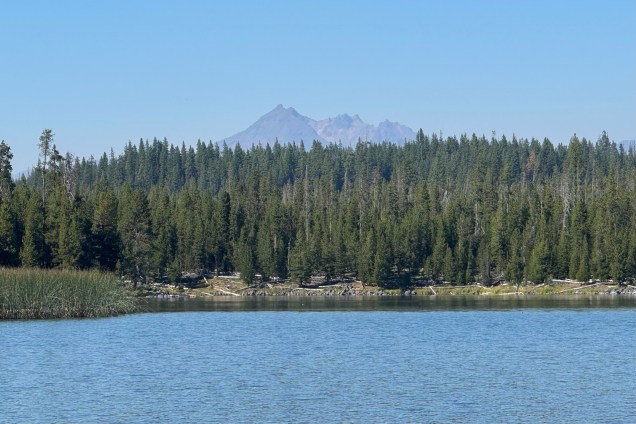
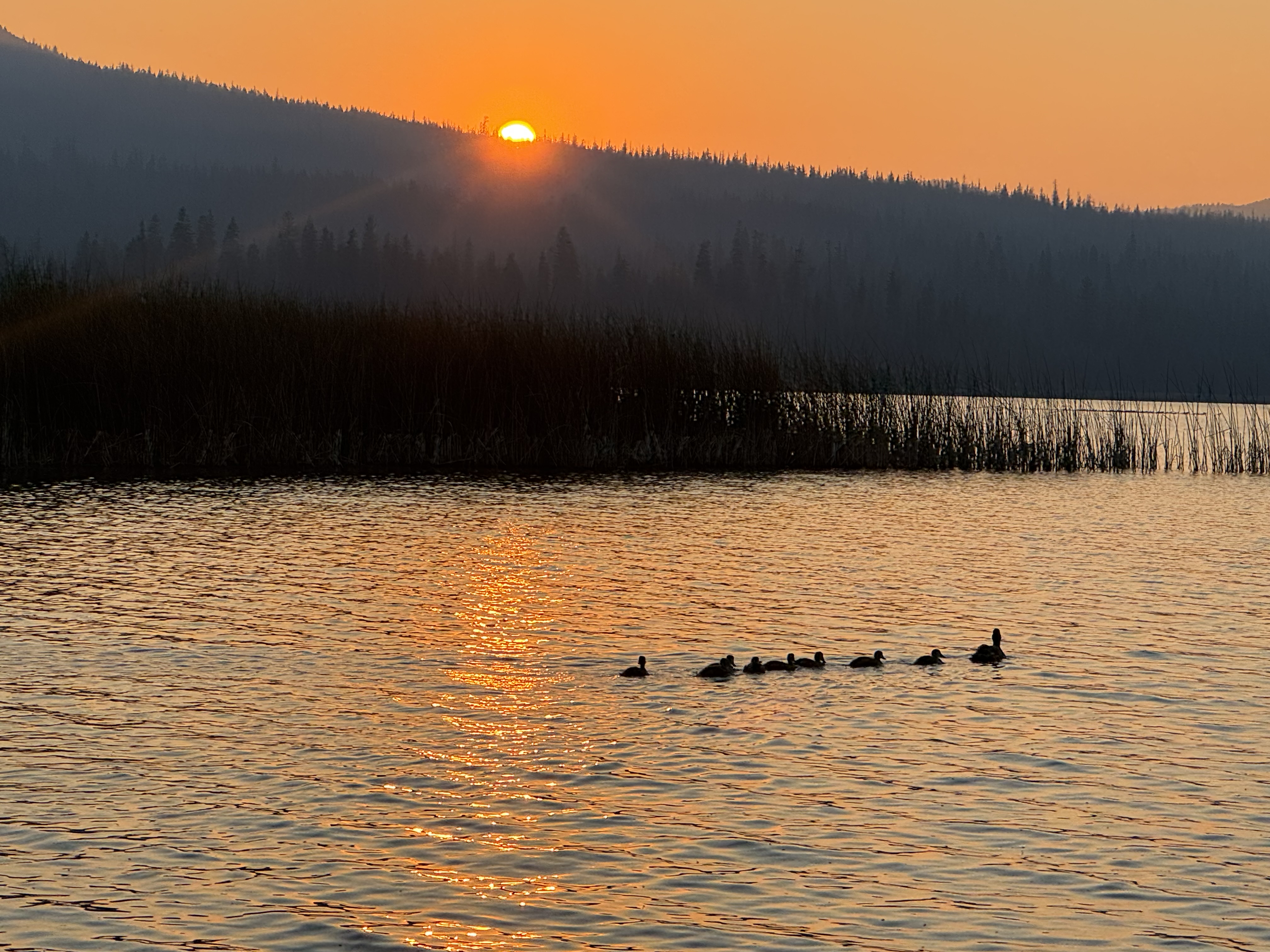
The darkness settled over Lava Lake and all felt right with my world. As the sun dipped below the horizon, the lake turned to liquid gold. The silhouette of South Sister faint in the distance, the landscape softened by the haze of wildfire smoke, and a duck family drifting through the sunset glow captured everything that made the day of driving, hiking and camping feel worth it.

But reality then set in. Now for the hopefully final challenge and hardest part of this entire experiment: getting myself in and out of the tent and then figuring out how to get  myself comfortably situated on my cot, settle in with my iPad, and convince my self that this is actually a relaxing way to spend the rest of the evening

I had staked a ground cloth in front of my tent to minimize the amount of the fine silty dirt that seemed to blanket this site and puff up with every I step took. The dirt was not content to stay outside either. It began sneaking out from beneath the tent and onto the ground cloth at the entrance, intent of finding its way inside. I quickly discovered there were couple of techniques for entering my tent. One option was to remove my Crocs, kneel on the ground sheet, assume something resembling the yoga table pose, and crawl forward into the tent. Another involved standing, bending at the waist until I was essentially at a right angle, stick my head through the tent opening, lifting one leg behind me and shaking off the Croc, stepping the foot into the tent, grabbing hold of the cot for support and balance , and then repeating this maneuver for the other foot. This I assume would need to be repeated to exit. I am sure there were other possibilities but at this point I had not discovered them.

 It was only the first night.  I was wondering if I was having fun yet?


Apparently I still Think This Is a Good Idea! @82

It had been over two years since I had packed up my camping gear and headed into the wilderness. As someone who loves camping, I was feeling the pull to head out again but had no specific impetus or goal to prompt me to make a specific plan.  Then a close friend mentioned that she would be camping with her daughter near Mt. Hood.  That was all the encouragement I needed. I would take a camping trip in Oregon of my own, meet up with her for some day hikes and then spend a night with her up at  the historic Timberline Lodge on Mount Hood.

Getting ready for the trip brought with it a surprising amount of trepidation. My plan was to spend time in two areas of Oregon — the Three Sisters area near Bend, Oregon and the forests surrounding Mt. Hood. But, there was another question lurking in the back of my mind! At 82, could I still actually enjoy doing this. It wasn’t backpacking and hauling a forty-pound pack around and I would have my car and thus could bring a few “luxuries” which one has to forgo when backpacking. But camping involves a significant amount of physical activity even when my car, Lady Spitfire, is sitting 20 feet away: the tent to put up, gear to haul around, sleeping arrangement to assemble, meals to prepare, and perhaps most notably, the undignified challenges of getting in and out of the tent all the while trying to prevent any flying critters from attempting to become tent-mates. Did I still have the agility to crawl through that little opening without getting stuck somehow half-in and half-out. Would getting out in the chill of the morning be an adventure in itself in order to obtain a hot cup of coffee to jump start my day or a excruciating undertaking. Would camping still be fun?

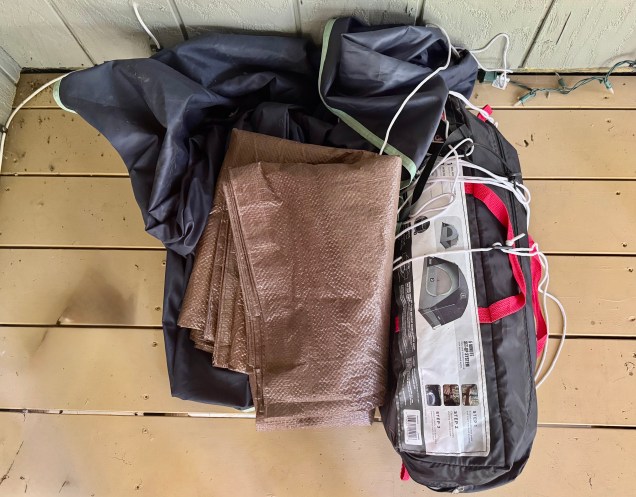
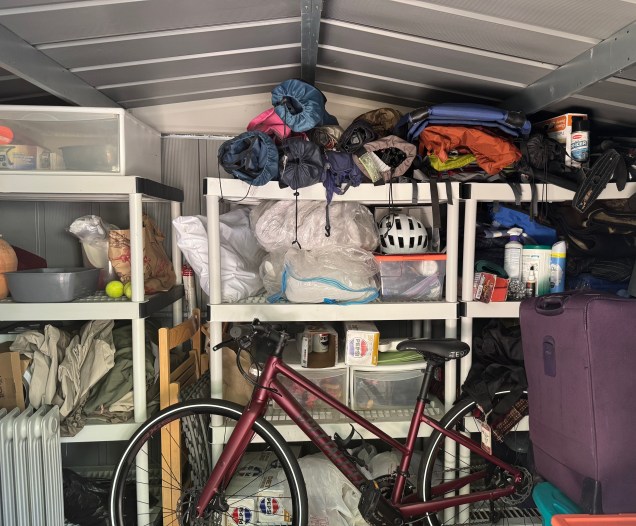
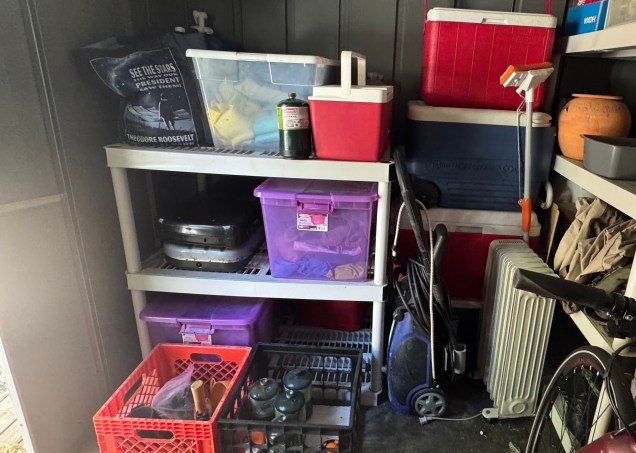
Then came the time to open the storage bins and then discovering and sorting all the family equipment: re-introducing myself  to my own outdoor equipment; and, wondering if the forests would still be there when I arrived. It was Oregon’s fire season.  Wildfires were raging throughout the state with a major fire burning 12 miles east of Mt. Hood and not wanting my planned adventure interrupted by a wall of flames.

Then came the plot twist.  My friend’s family camping trip was cancelled.  Do I cancel or go anyway. With all the preparation work done I decided to go with one simple rule:. I was going unless conditions reached a Level 3 evacuation for my intended destinations. 

What started out as a trip built partly around meeting a friend suddenly became something entirely different: a six night solo adventure through the mountains and forests of Oregon, with wildfires nearby, an assortment of camping gear I was assuming still worked, and absolutely no guarantee that my original plans would survive the first day.