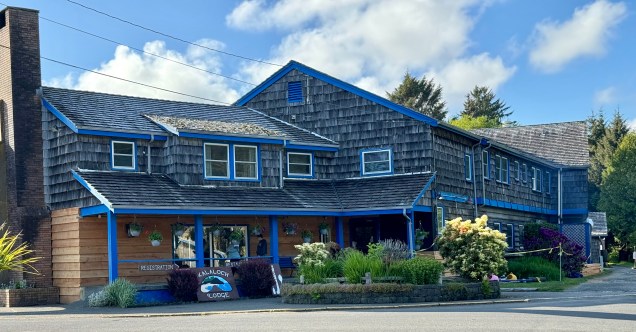
When contemplating a trip to a national park in days gone bye, the major decision was which campground or backpacking trail was the destination and thus reserve accordingly. I would not want to venture that those option are completely off my radar, but my current bent is more towards a stay in one of the iconic National Park Lodges. My mission is to spend any inheritance that has the potential to be forthcoming to my heirs when I go misssing… hopefully several years down the road. So with an anticipated stay in Olympic National Park and a desire to focus on the western coastal area and the Hot Rain Forest, a given for me was to make a reservation at the Kalaloch Lodge, an historical building with minimal amenities at a 2024 inflationary price tag.
A note about park hotels and lodges: In order to preserve wildlife and wilderness, I think the best idea back in 1872 was setting the Yellowstone region aside as a national park thus beginning the creating of a network of parks. The next best idea might well have been the creation of the National Park Lodges. These structures were built with a vision of blending in with the environment via architecture that now has been coined as “Parkitecture. ” This is the rustic architecture that harmonizes with nature, – building something that fit right into place and not detracting from nature’s beauty. It features wood and stone from the area, has massive overhangs, wide logs, timber columns and very large common areas… magnificence without the glass and metals in favor today by most and another way we become totally disconnected from the natural world.
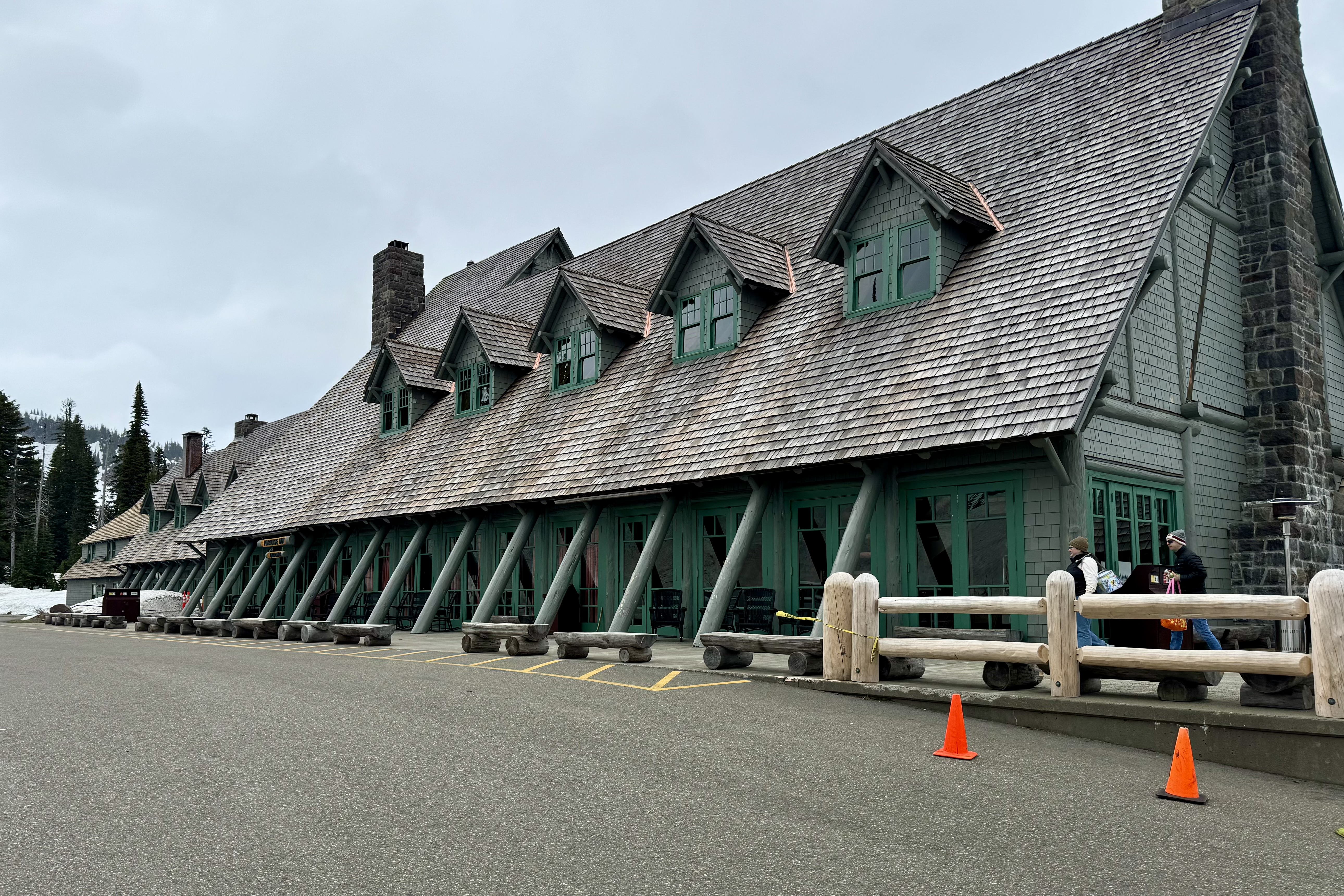


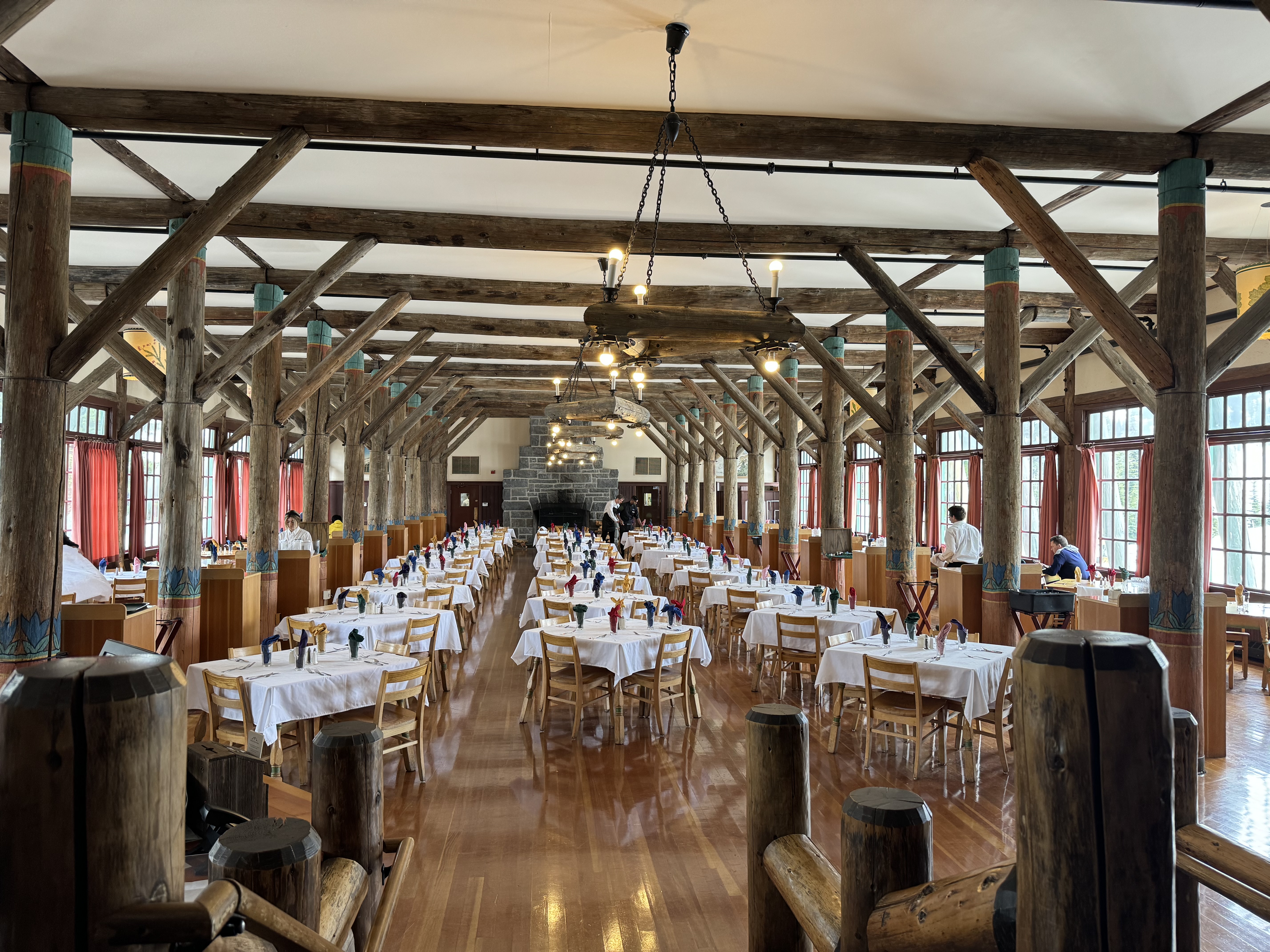
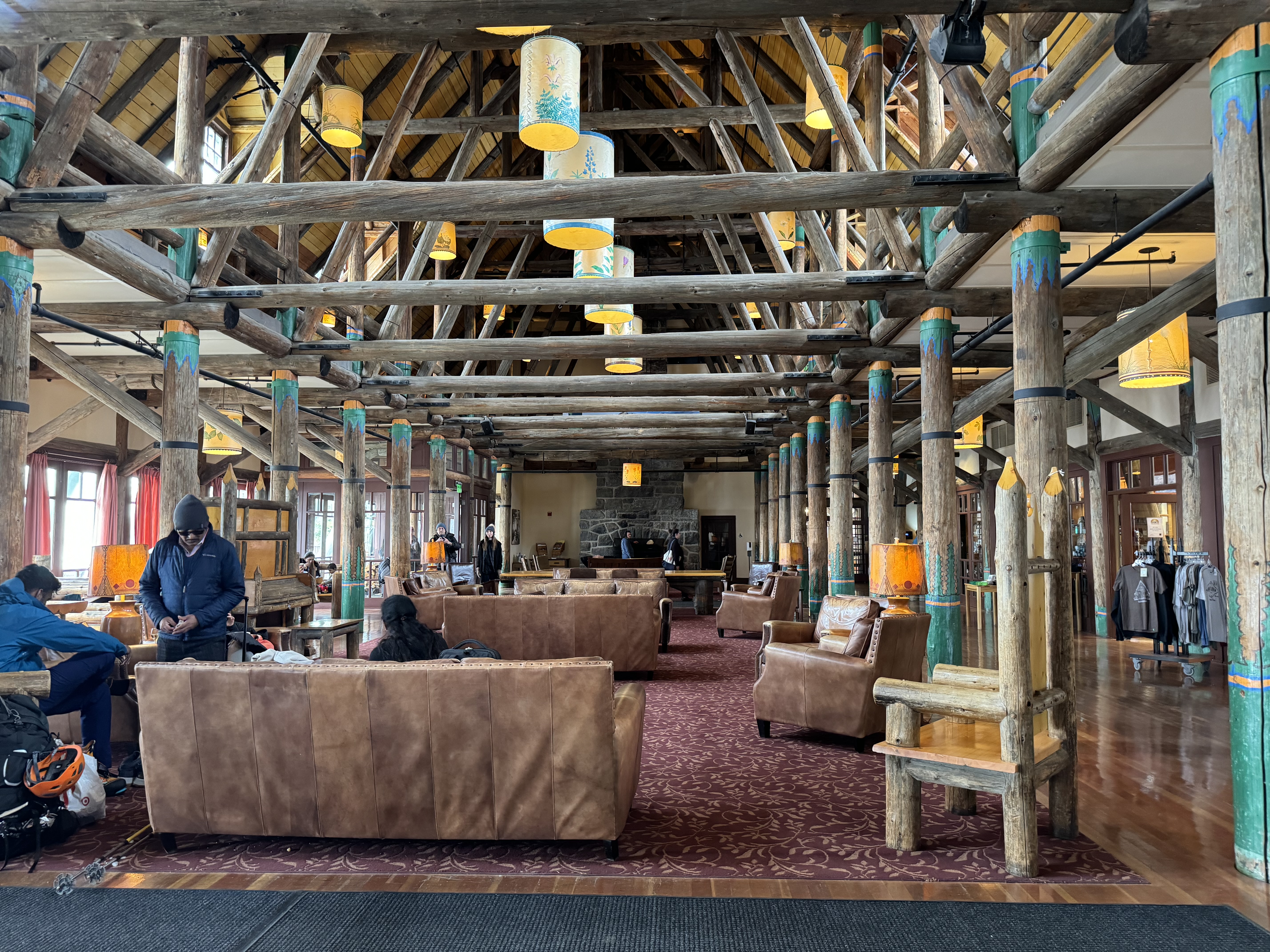
National Park lodges are not like today’s typical hotel rooms. If you need multiple USB plug-ins, a color flatscreen TV with cable, a gym, High-speed WIFI, complimentary continental breakfast, and a swimming pool, be forewarned, this is not the place for you. Many of the National Park Lodges were constructed in the early 1900s an era when leisure travel was a social event. This meant getting dolled up for dinner and actually socializing with other guests. Many lobbies had large fireplaces, many seating areas, usually a gift shop, and a piano. Many of the hotel rooms themselves were small and did not have a private bath or shower, saving the extra space for the larger communal areas such as a large dining rooms and lobby.


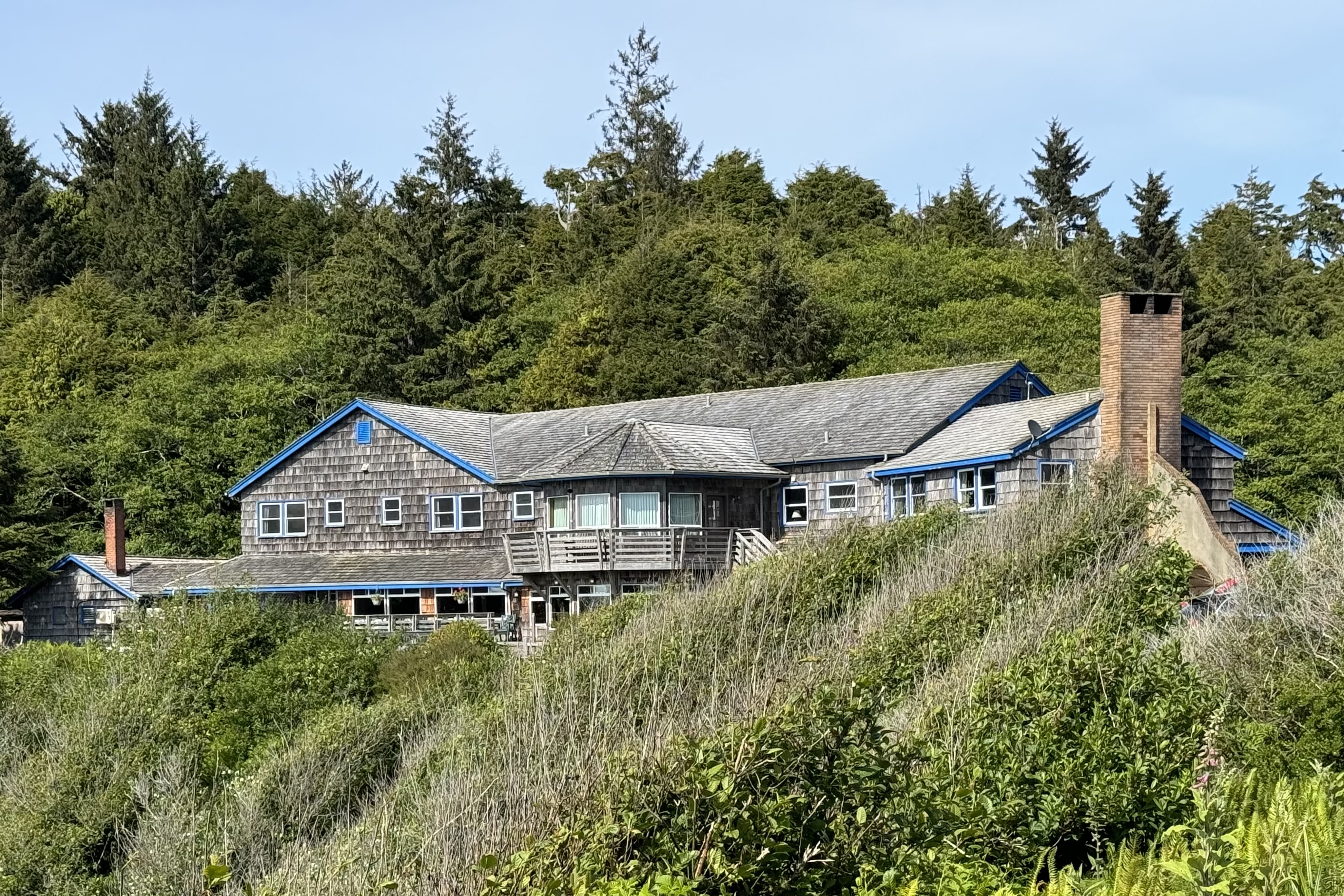
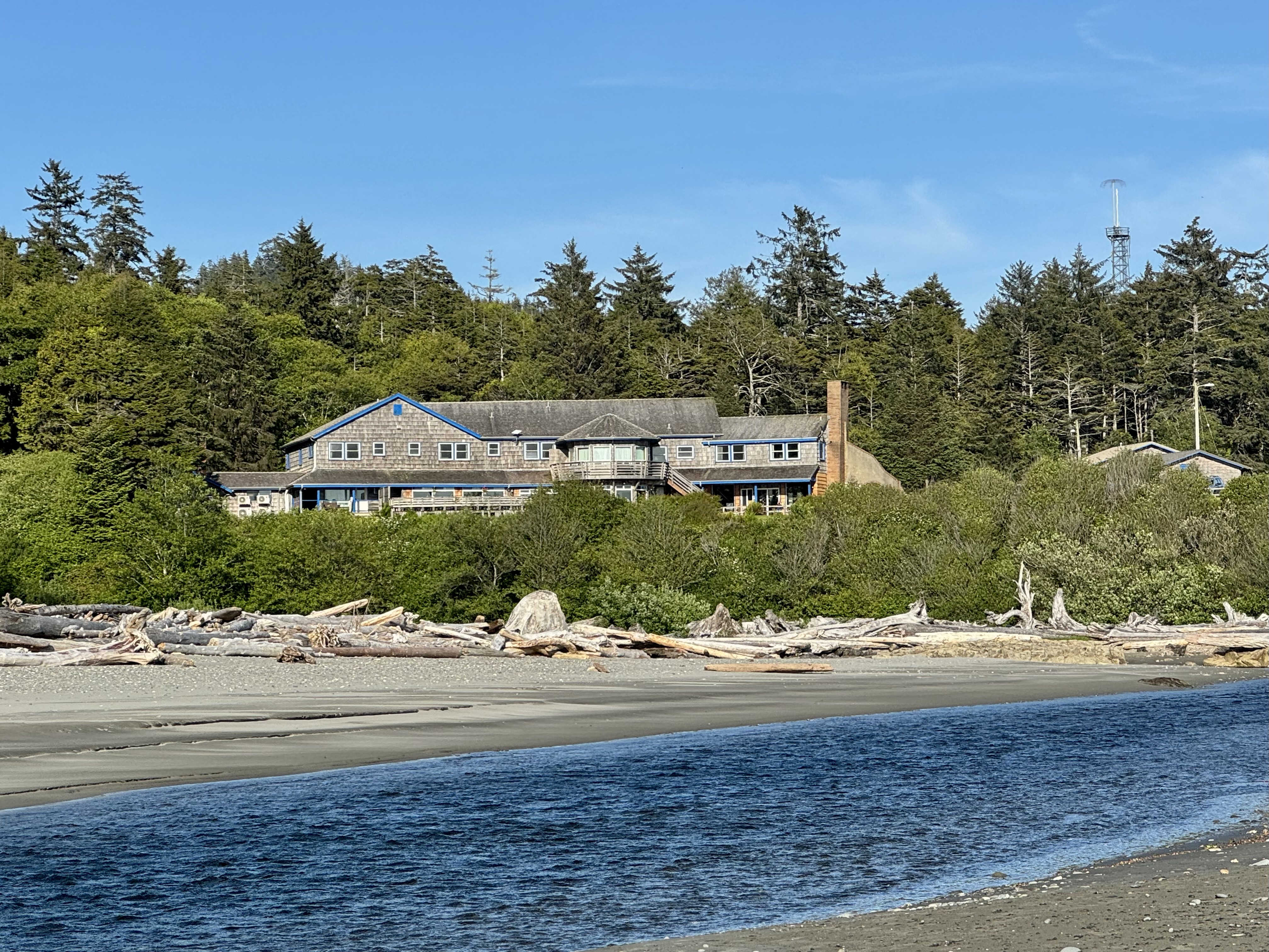
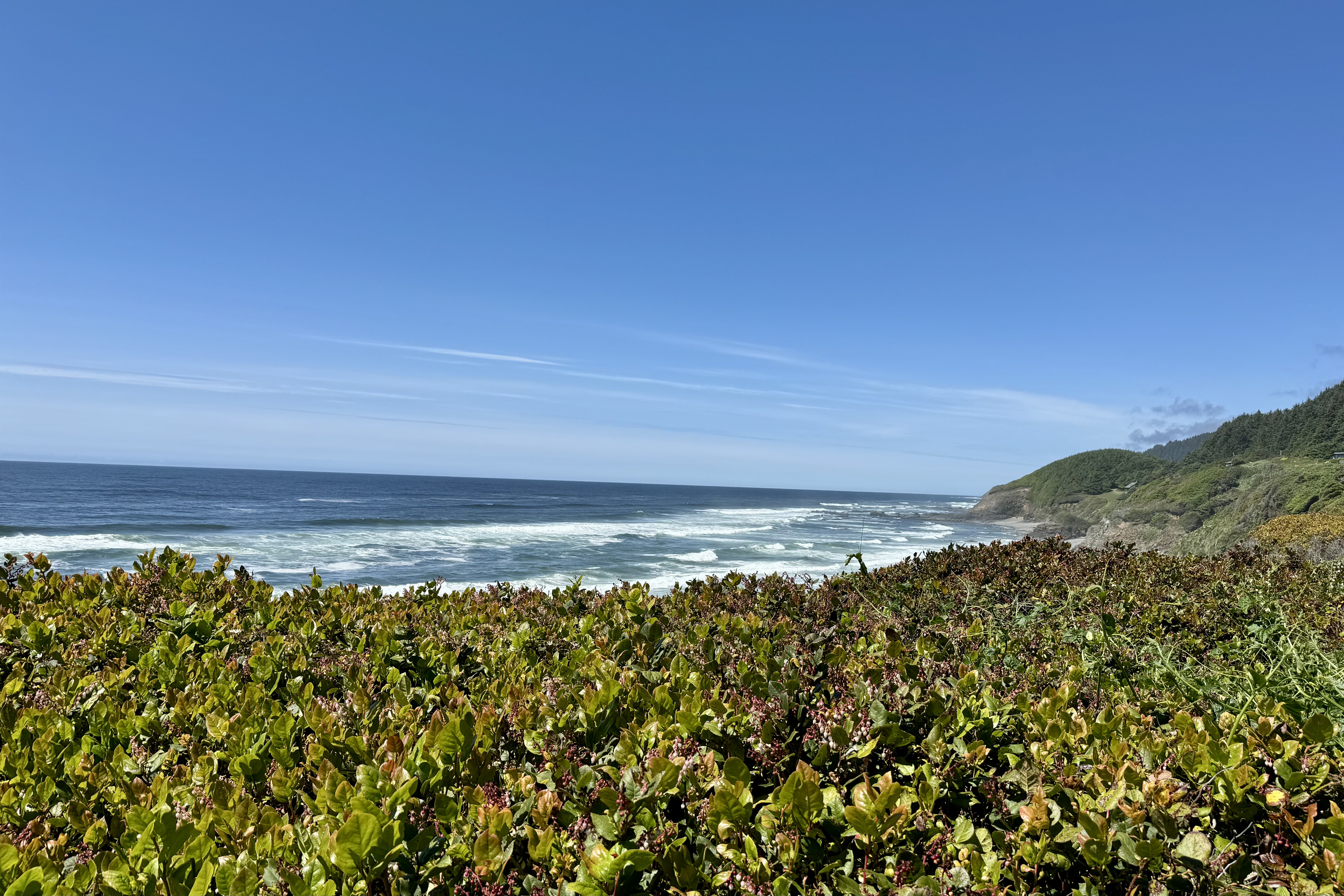
Kalaloch Lodge, built in 1925, is one of those relics of a past era with limited facilities (such as wi-fi in the lobby only, no TV, no swimming pool, no cell service in area) but I gladly spent $ 359.00 a night (least expensive room) to stay in the Seacrest house at this historic property . It’s a beautiful location on a bluff with access to a wildly sumptuous beach.
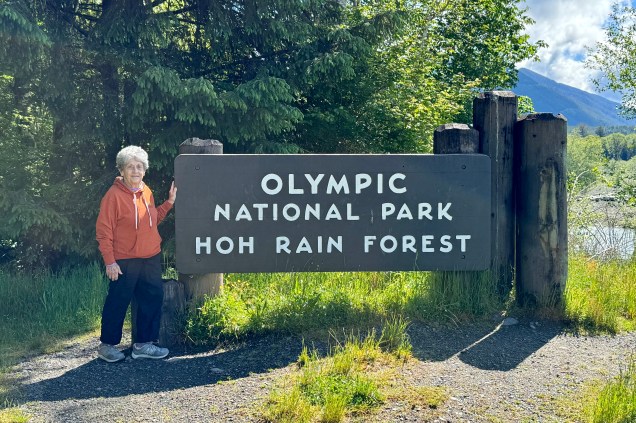
Olympic is one of the mid-sized national parks of about a million acres but when I reserved the room at the Kalaloch Lodge I anticipated a short drive to the Hoh Visitors Center and hiking trailheads. I was surprised to discover it was at least 40 miles and an hours drive along a rural winding road. At that point I began to realize the shear size of this park. It is not just a small outpost on the Olympic Peninsula in Washington, but three ecosystems: snow-capped mountains, temperate rain forests, and 70 miles of stunning coastal beaches. This is the perfect destination in our society of over-choice and FOMO (fear of missing out.). That’s me! I was intent on experiencing the diversity of all of them. Not having three full days and with my friend’s affinity for hugging trees, the biggest focus would be the Hoh Rain Forest. So the next morning we were heading there on a beautiful sunny day but this was not on a day that would be adding to the 140 inches of the annual precipitation which feeds its lush canopy and dense undergrowth. We would not be able to experience Hoh in all its dripping glory as it is directly benefits from buckets of fluid leaking from the heavens.


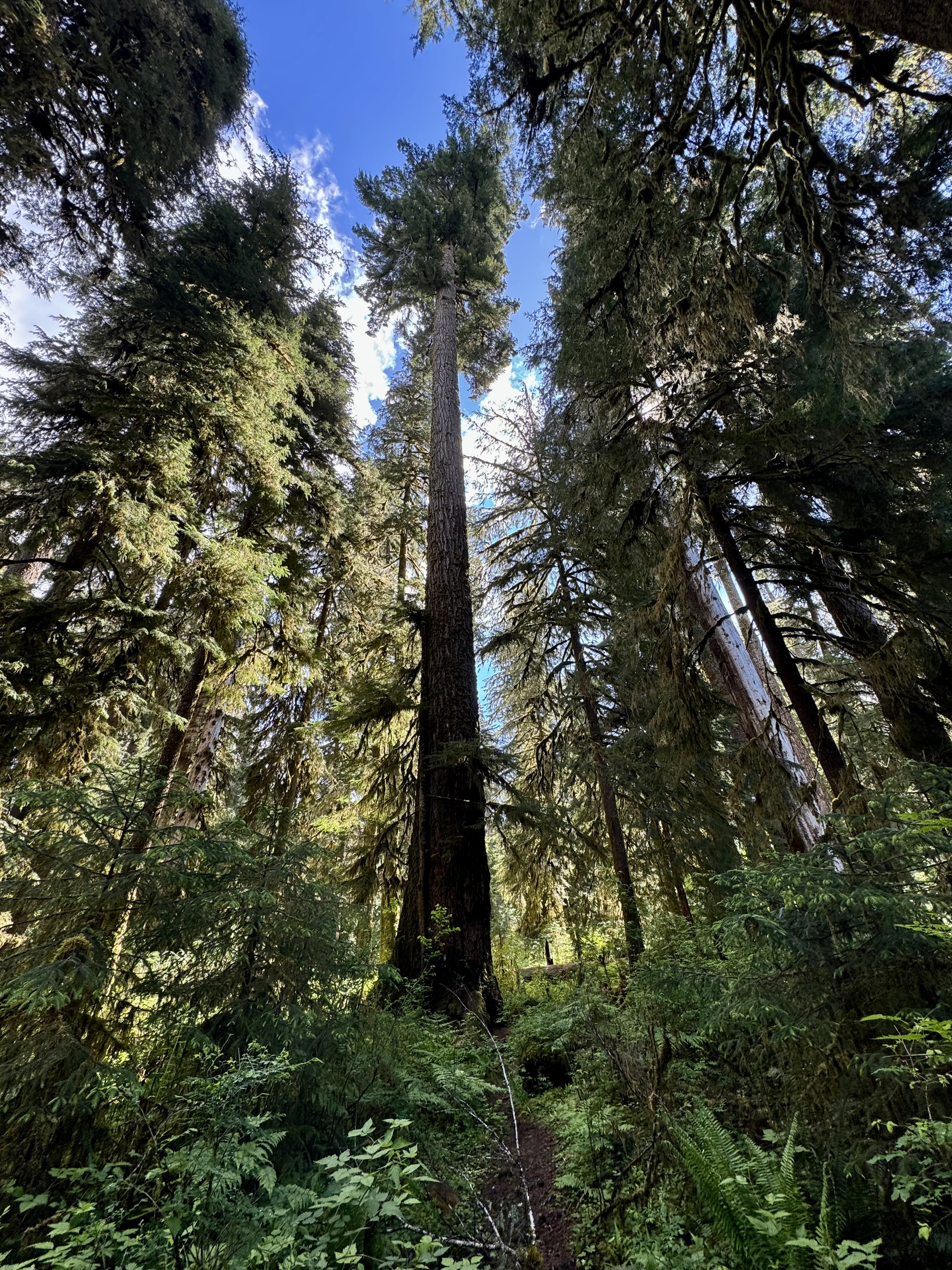
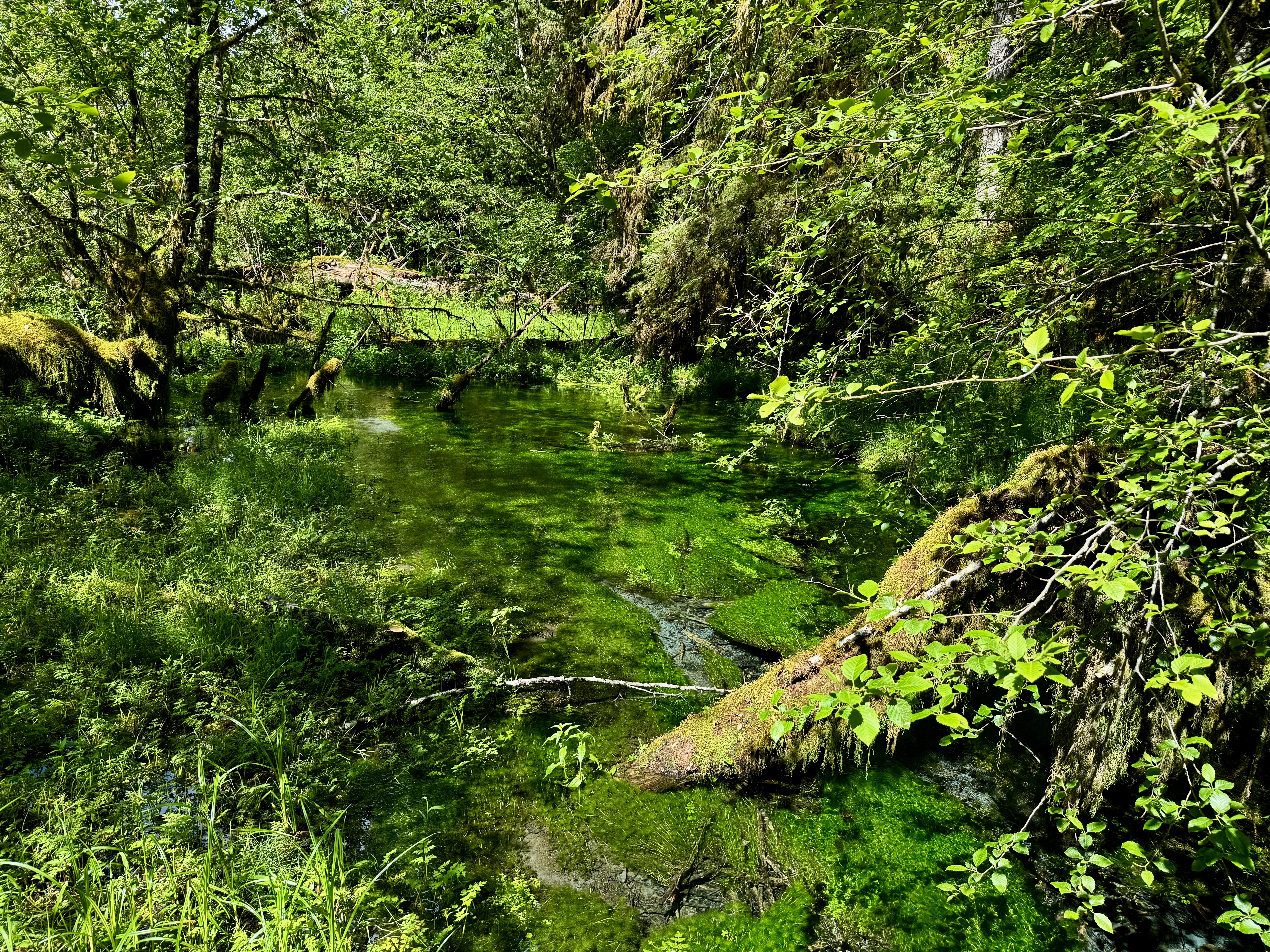

It was a totally immersive experience as I took a deep dive into the Hoh woodland. While hiking the 1.25-mile Hall of Mosses trail, I was “swimming “ in a sea of geriatric moss-covered Sitka Spruce with buttressed moss covered roots, Western Hemlock, Western Redcedar and the mighty Douglas firs. Many of these trees are over 700 years old in this oldest of rain forests in North America. This forest is thick, wet, furry, and dense with many vibrant shades of green ranging from a brilliant emerald to a dusky sage. It is a “Tolkien-esqe” jungle of spongy moss draped giant trees and their understory that is filled with fallen trees, saplings, and ferns. I was again feeling insubstantial and humbled as I hiked in this garden of plants and trees dripping moss and tried to imagine the history that has unfolded during the lifetime of the oldest of the giants. My imagination ran a bit wild envisioning dinosaurs roaming this jurassic jungle. The 1.2 mile Spruce Nature Trail, much less crowded, was now must as I was not yet sated by the trees and the army of epiphytes that surround them. It also served up views of the wild Hoh river.

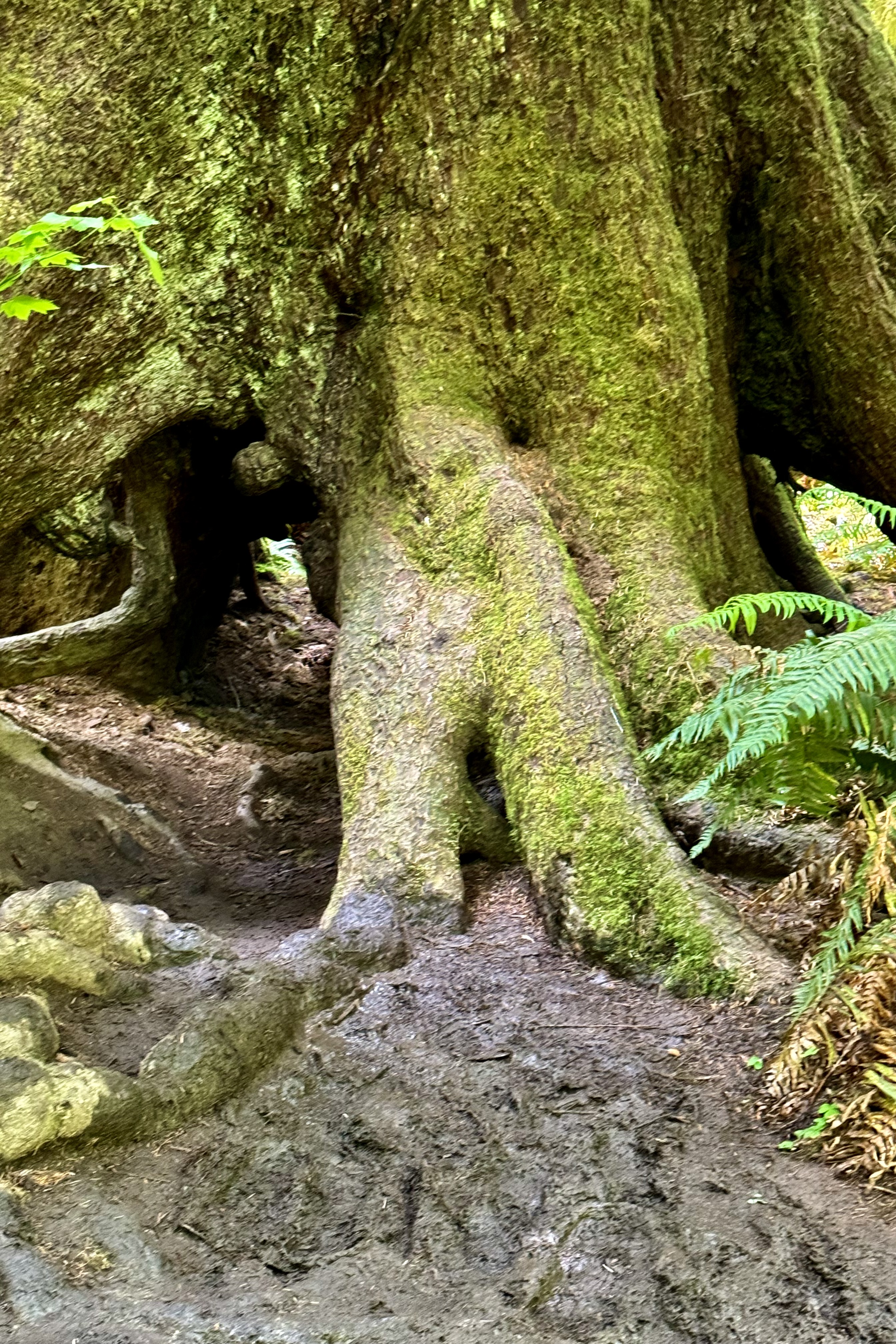
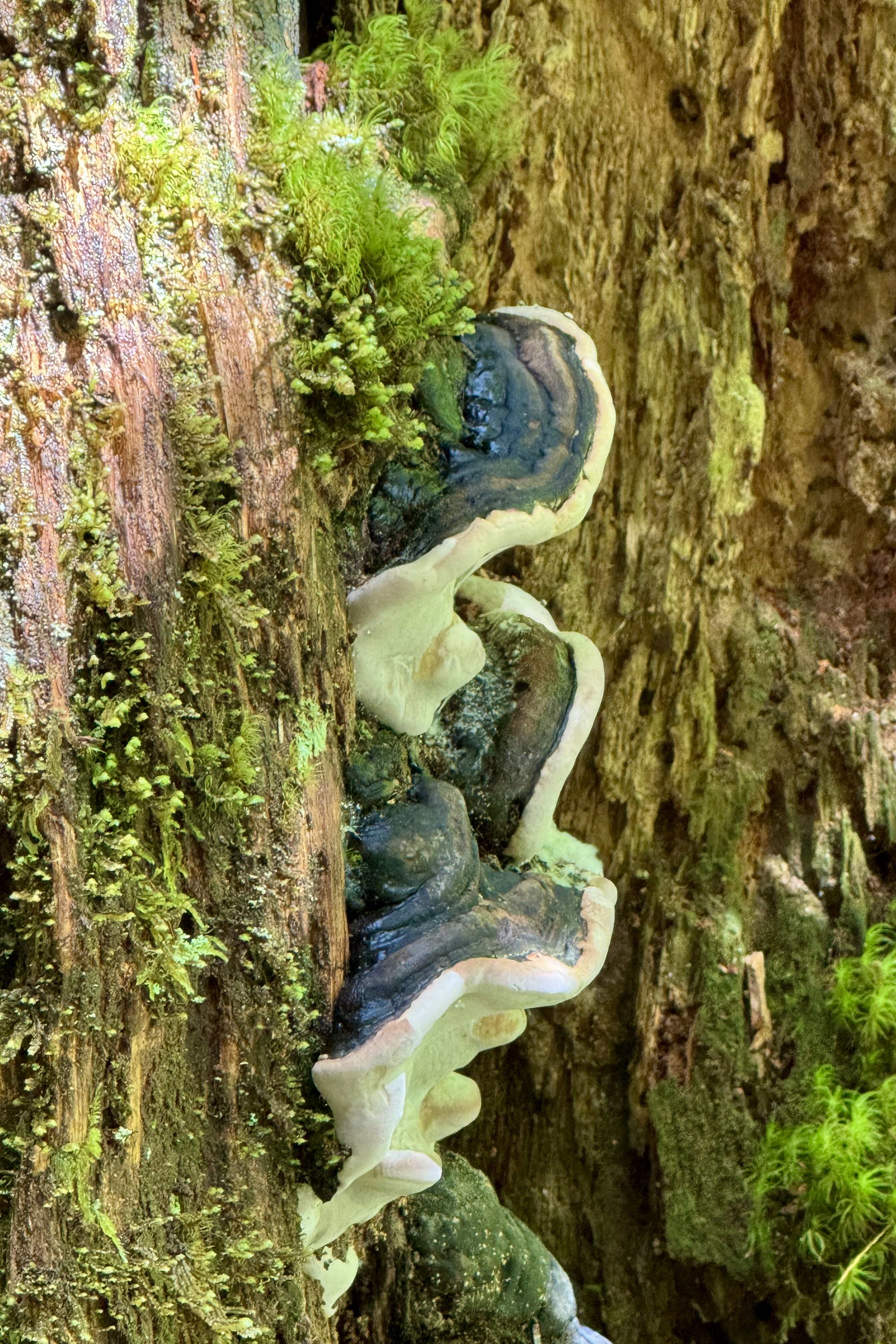

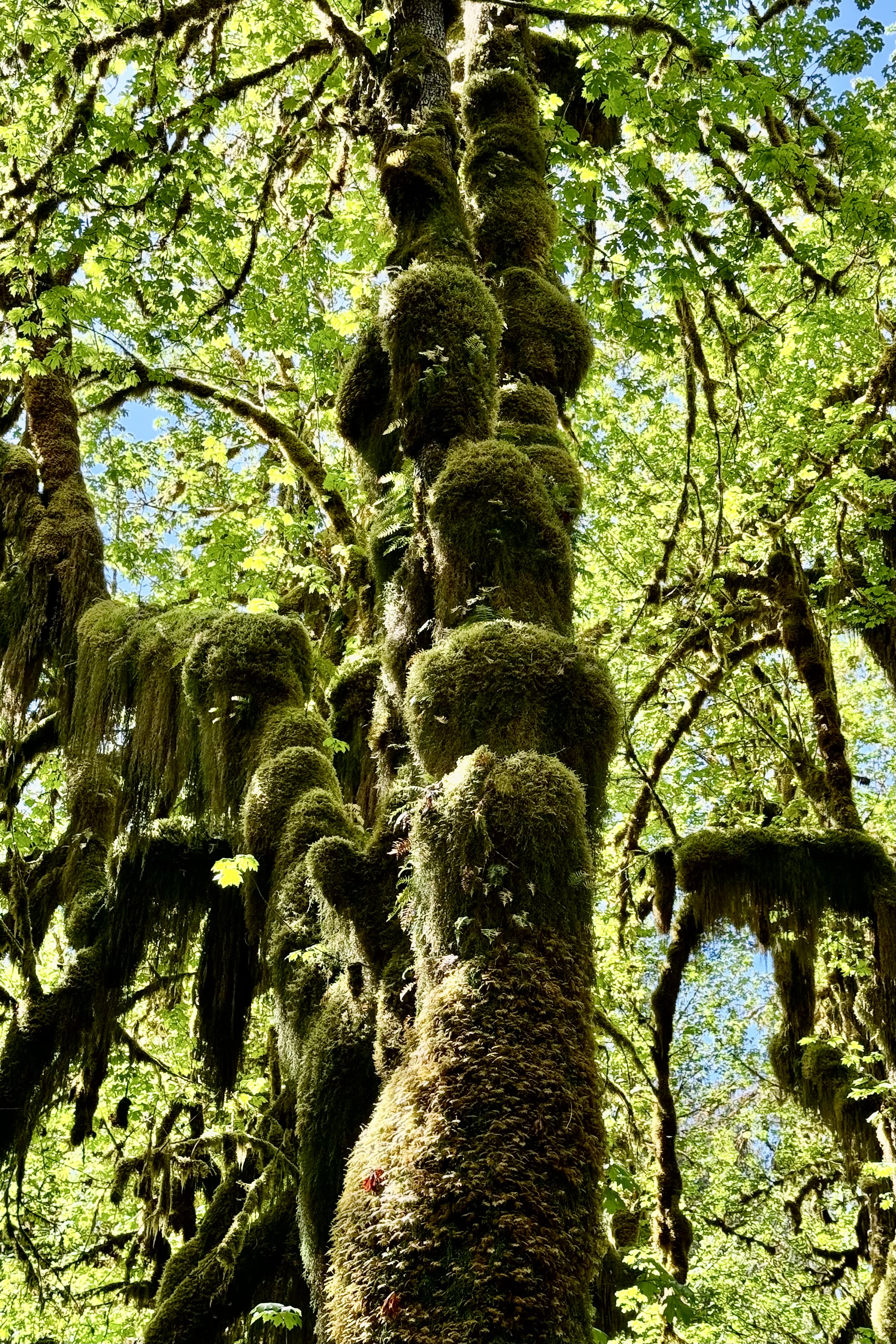
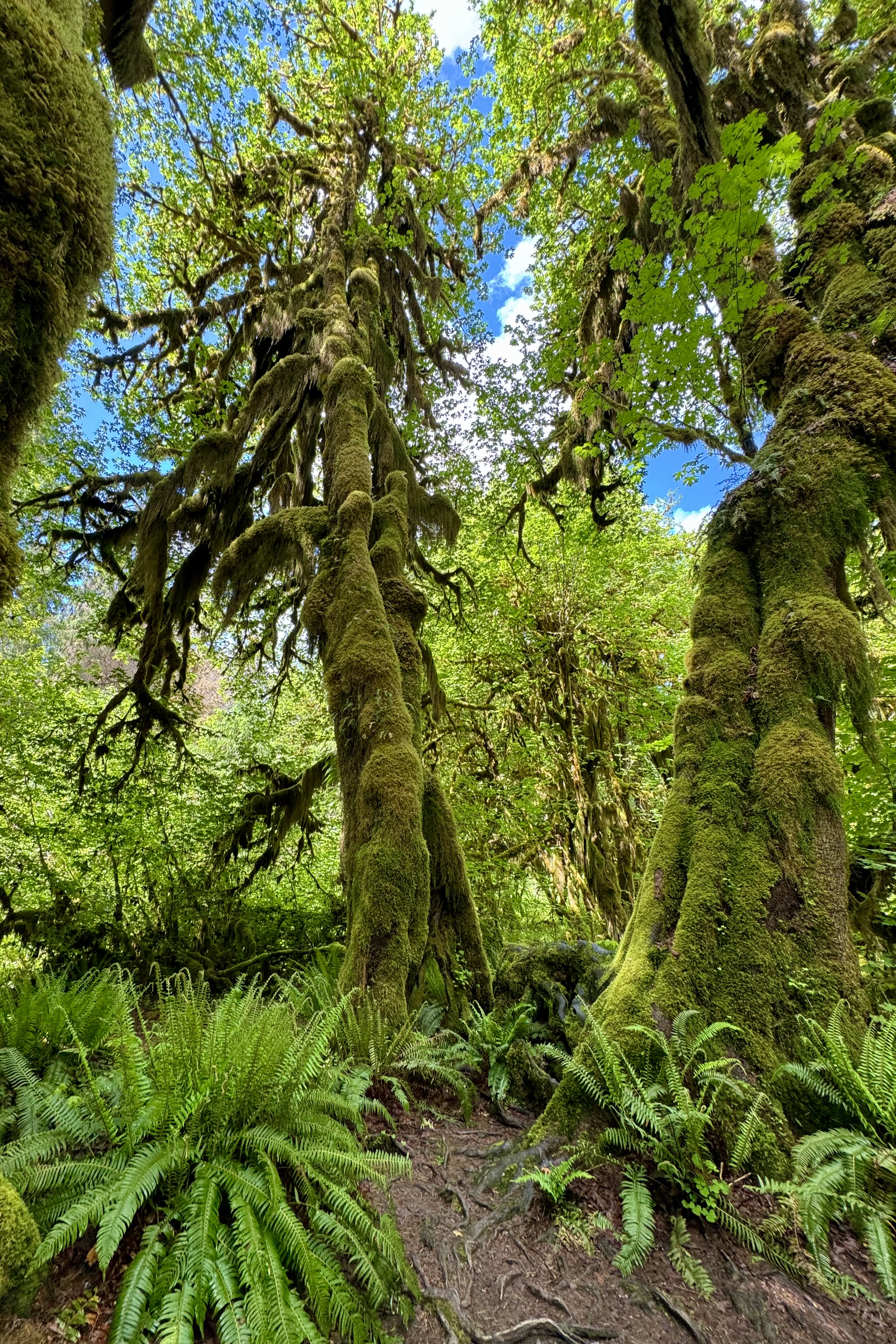
I was again feeling insubstantial and humbled as I hiked in this garden of plants and trees dripping moss and tried to imagine the history that has unfolded during the lifetime of the oldest of the giants. My imagination ran a bit wild envisioning dinosaurs roaming this jurassic jungle. The 1.2 mile Spruce Nature Trail, much less crowded, was now must as I was not yet sated by the trees and the army of epiphytes that surround them. It also served up views of the wild Hoh river.


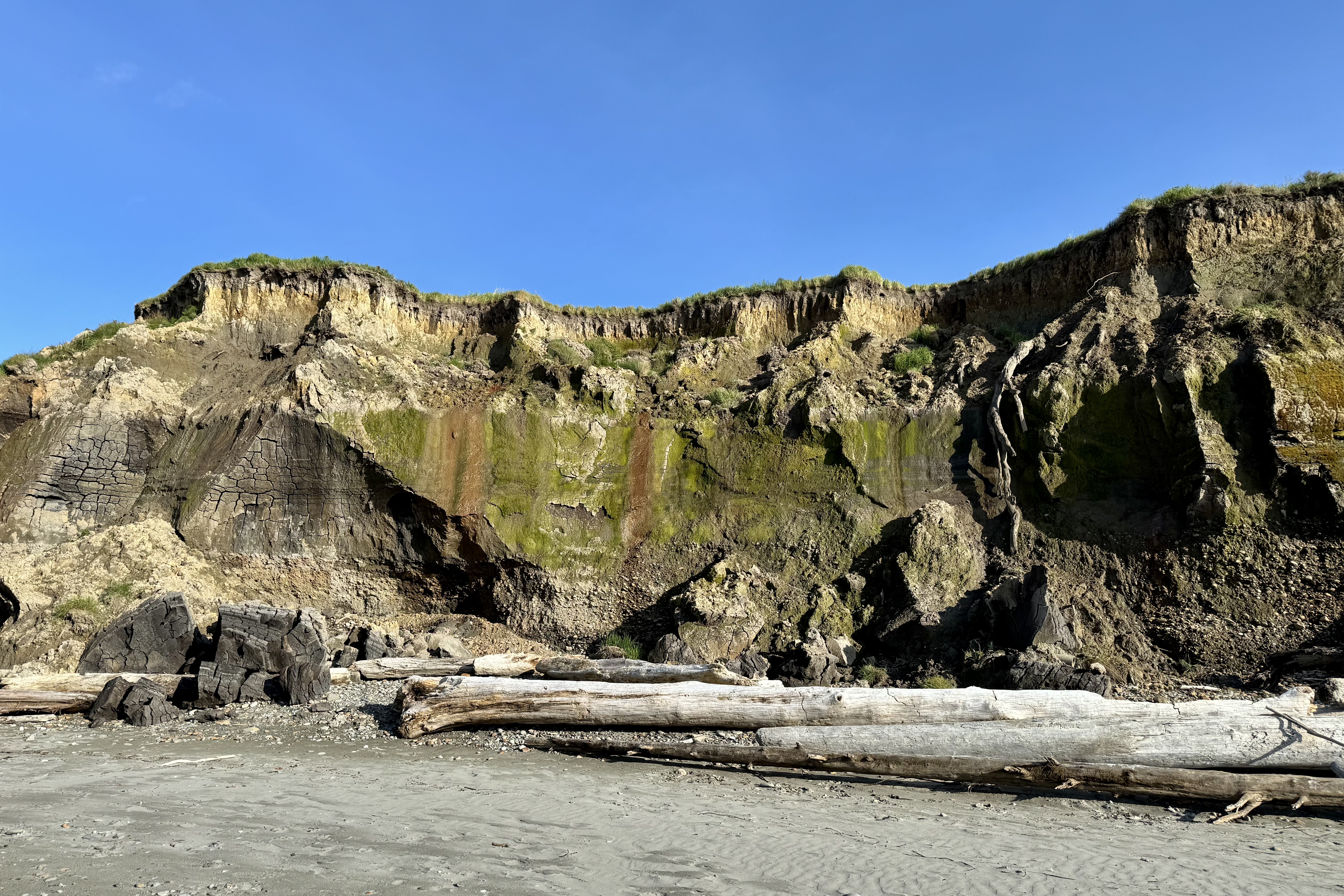
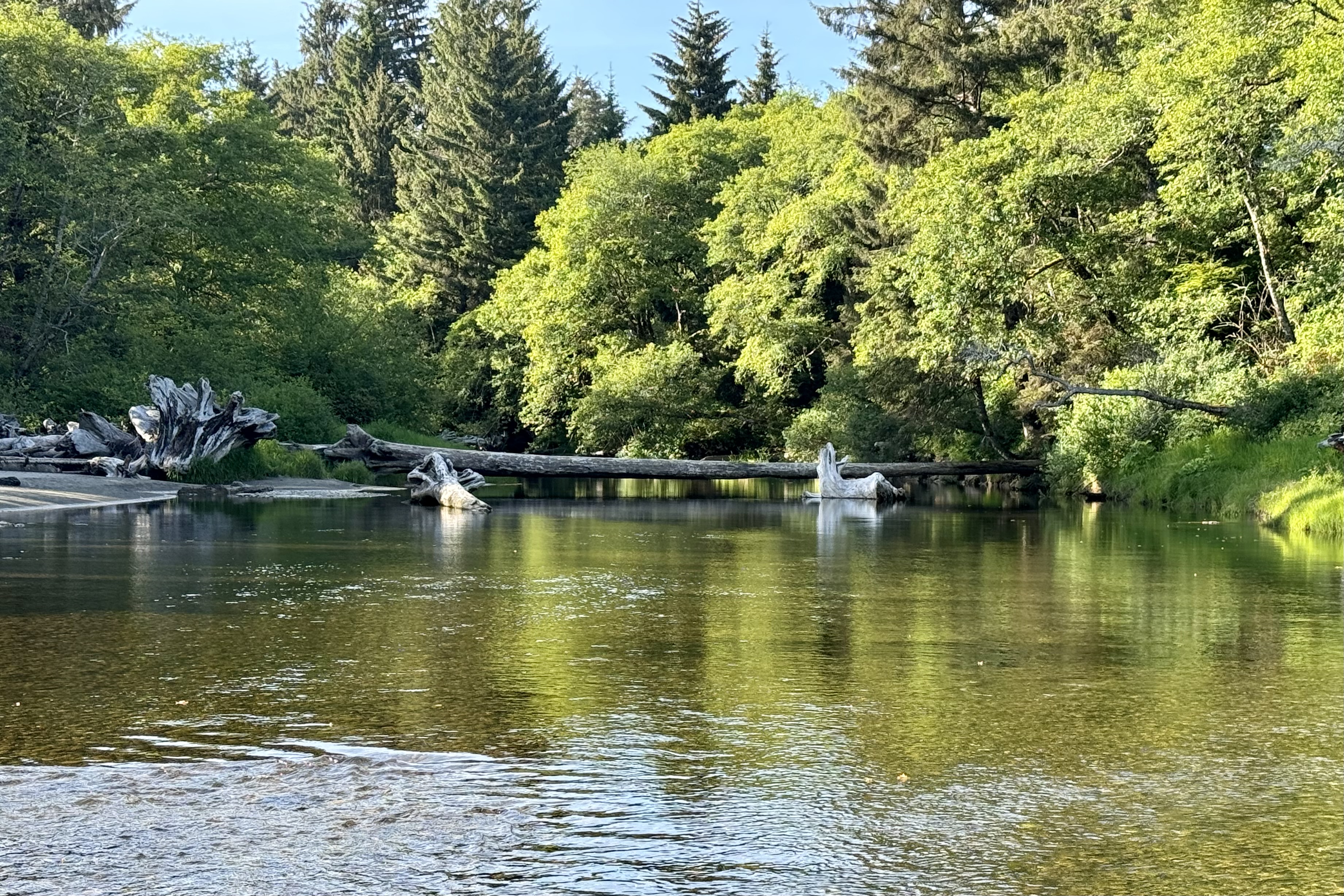
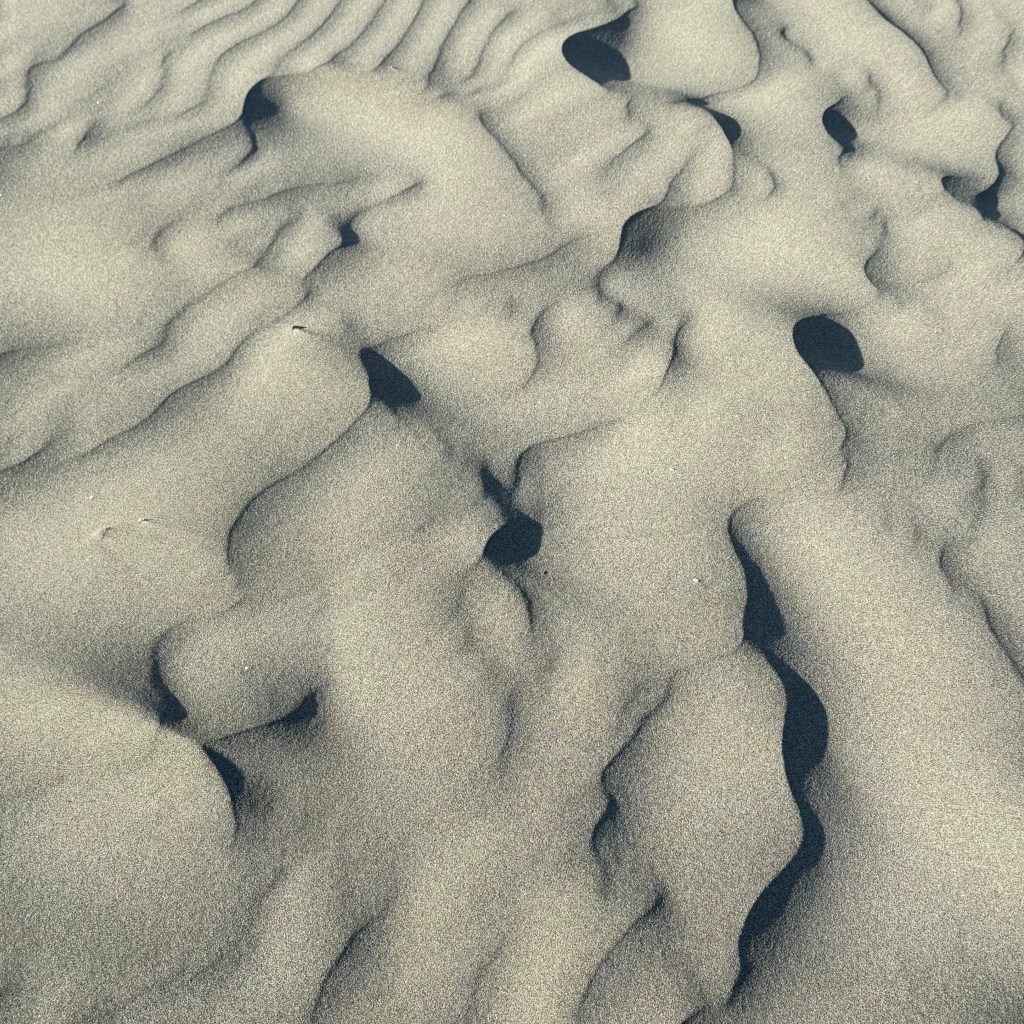
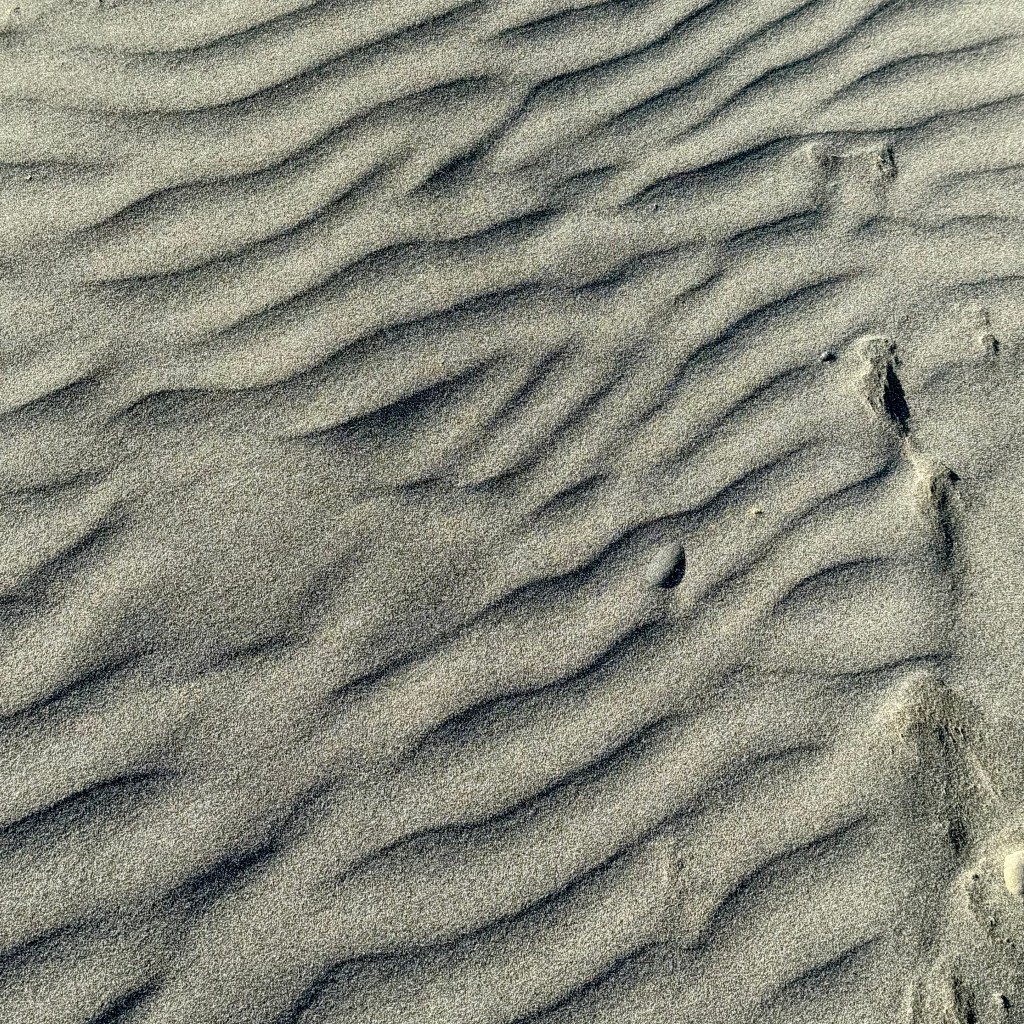
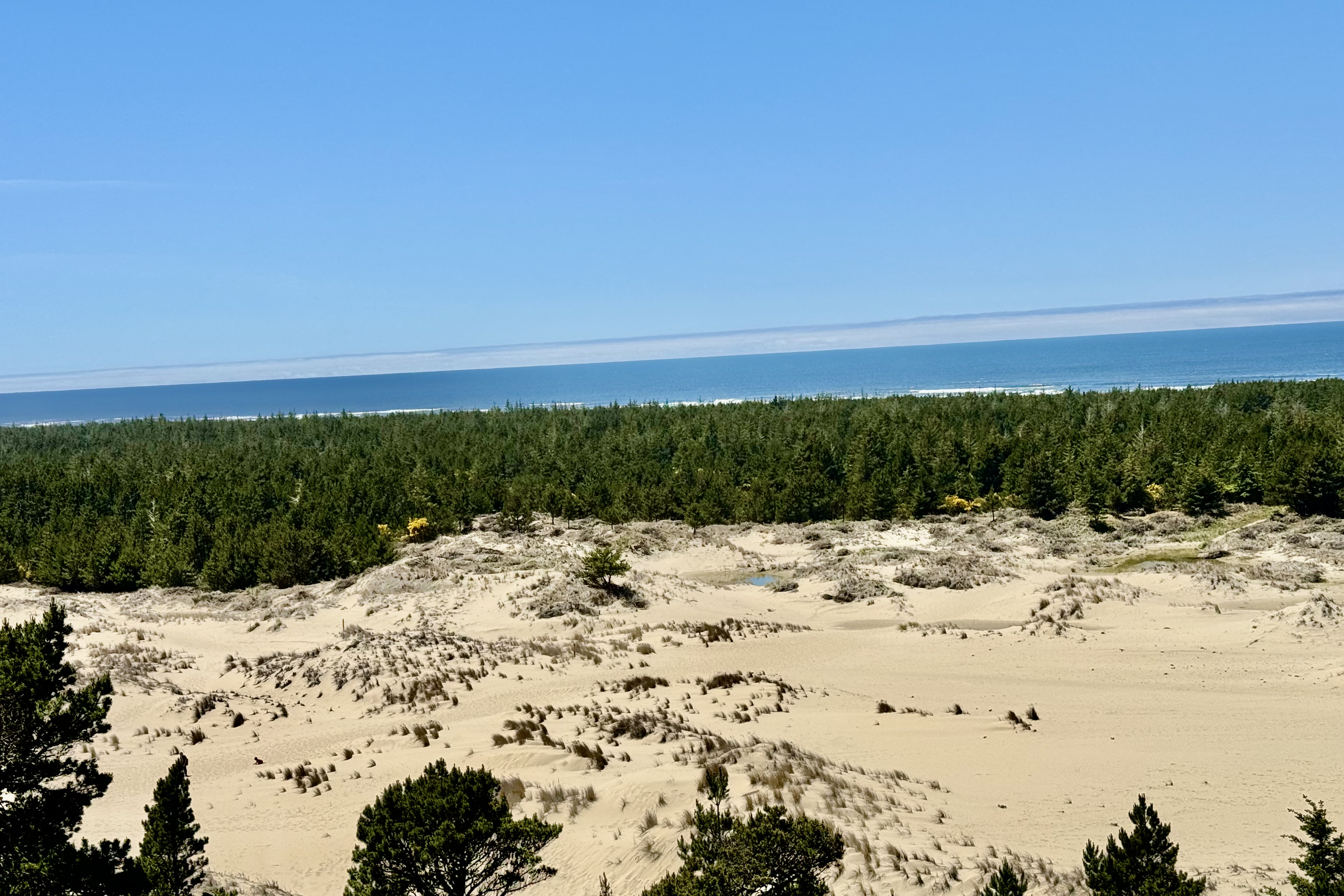
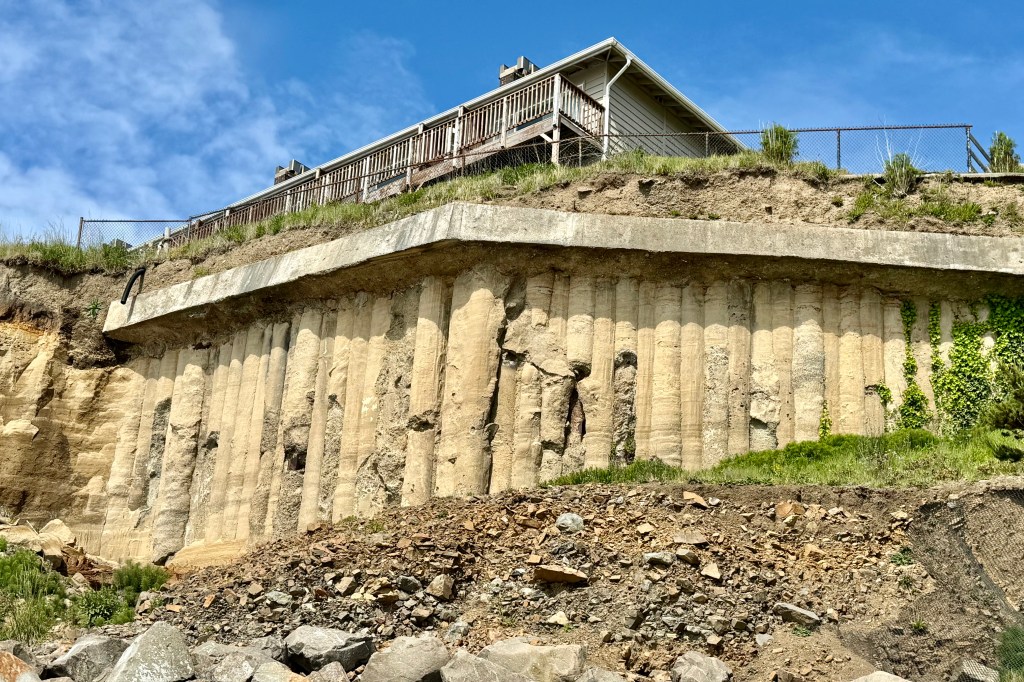
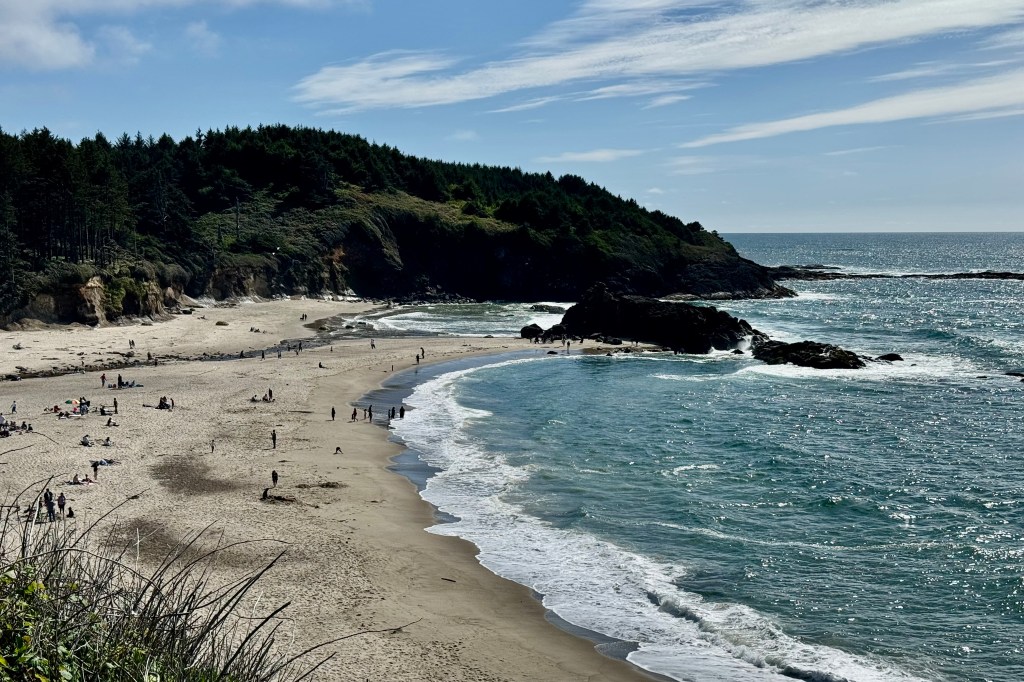
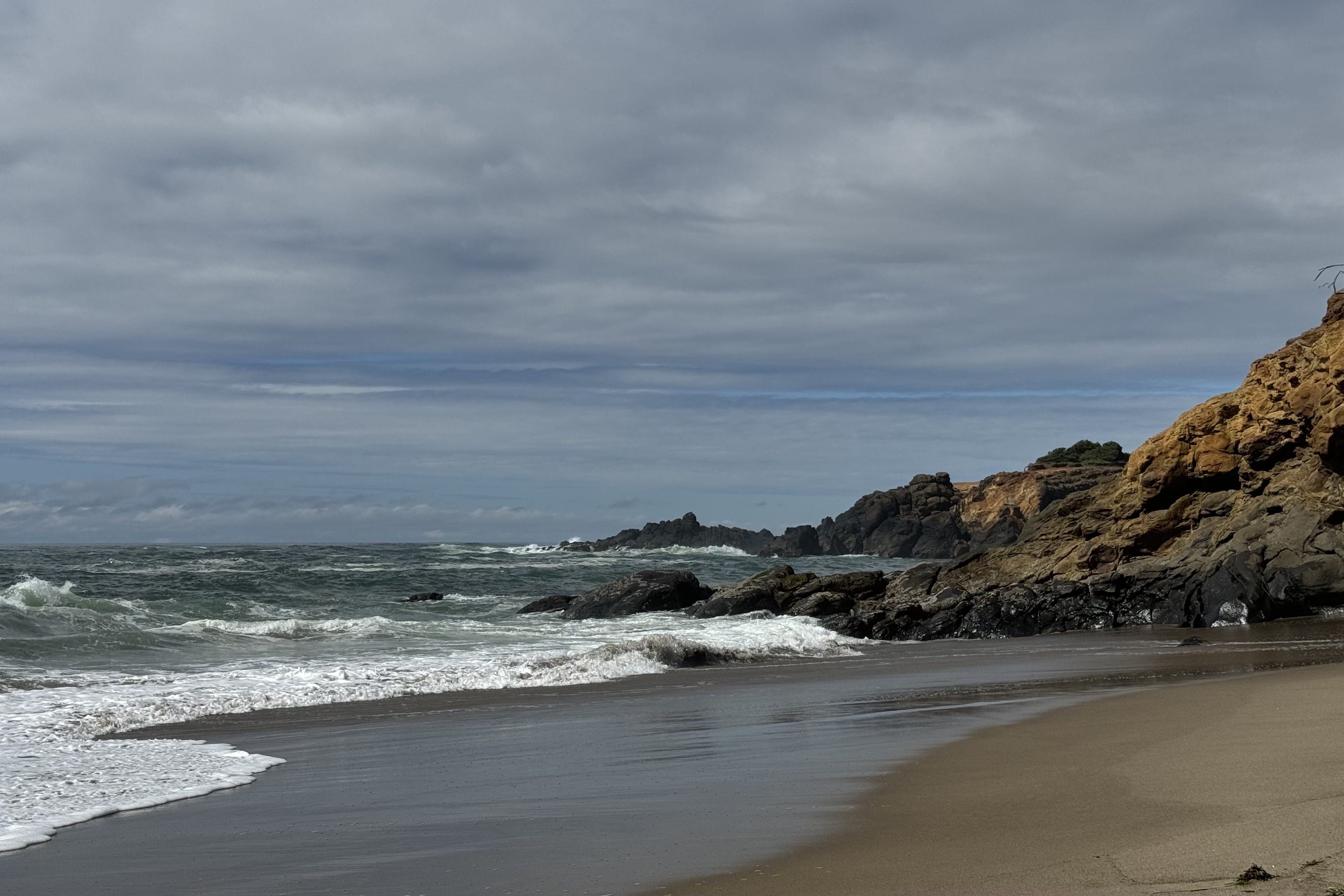
After a harrowing drive back … mind you it was not harrowing for me as the driver but for my passenger who has very little experience being a passenger with a driver who is quite assertive in how she approaches the task of getting somewhere on these narrow curvaceous hilly roads. I vowed to do better next time. Once safely back at the Lodge I determined it was time to explore the beach with its wind-sheared trees, museum of driftwood sculptures, wind swept sands, and eroded sea cliffs. The sky was a clear expanse of blue, the sun shining bright, the wind strong and relentless. Though invigorating, the sandpapering of my legs , all the while pushing against me, did not promote the kind of connection with nature I was seeking. So I meandered up by the egress of Kalaloch Creek, exploring the massive driftwood “carvings” and meandering along this wind-swept beach.



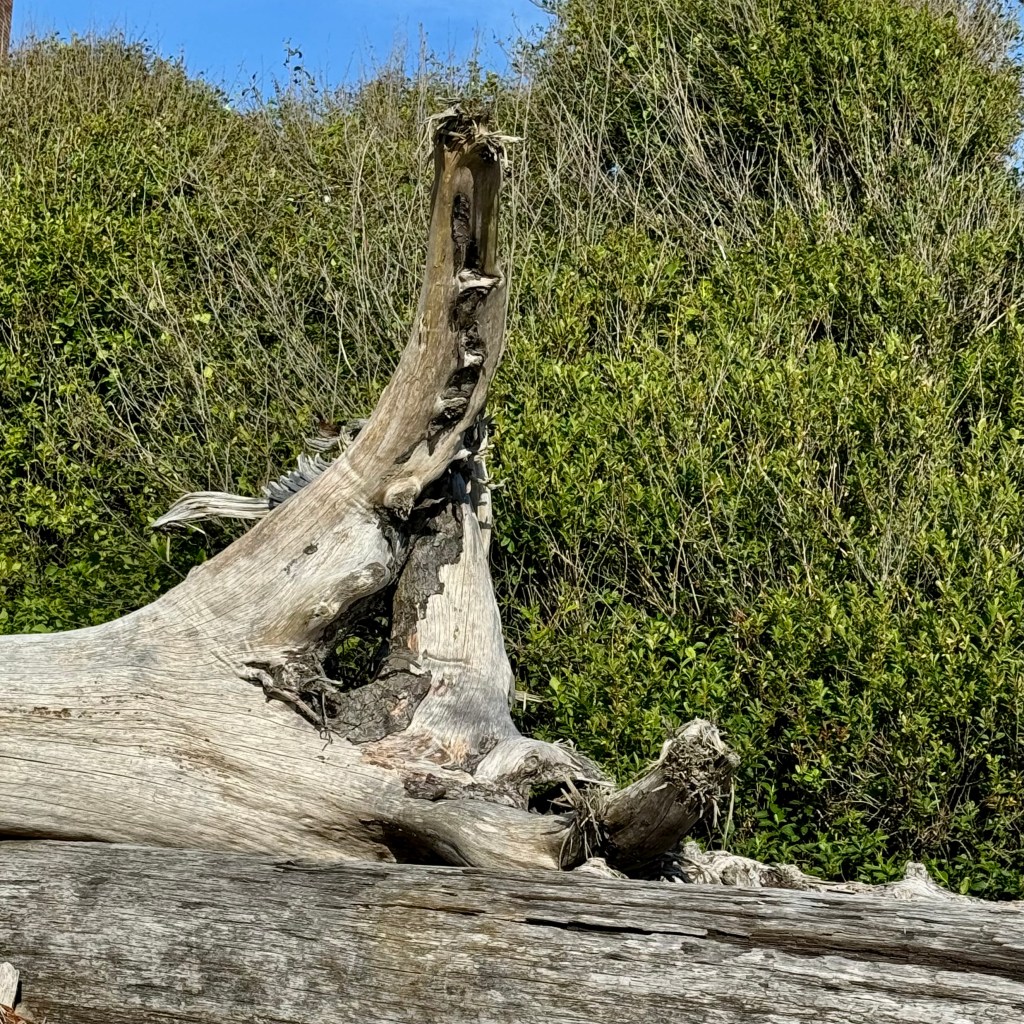


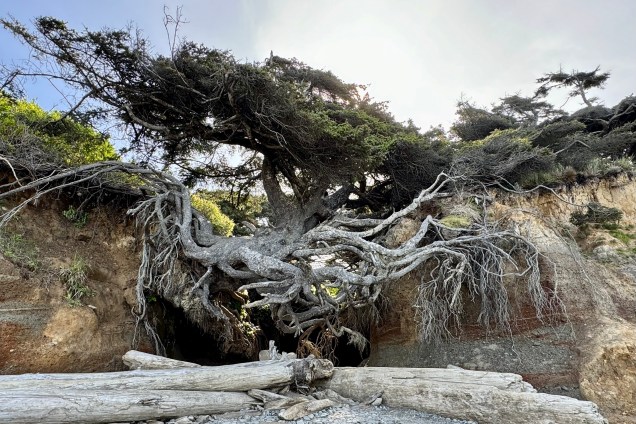
I awoke to a bright and beautiful day for traveling the perimeter of Olympic National Park and then onward to Mt. Rainier. But first I opted to stop just north of the Lodge at “The Tree of Life.” Which Tree of Life do you think I discovered here at Kalaloch? Do you recognize the others?


The Olympic Tree of Life, a Sitka Spruce is quite unique, located on the edge of a sandy bluff- and straddling two cliffs. Erosion from a stream flowing behind the tree weathered away the ground underneath it. A few coiling stems cling to each side of the cliff support the tree’s weight, which by any rational standard should not be able to support its massive size, especially with the rugged wind and storms on the coast.
There definitely is no direct way to cross the park to experience the northern region. The park is encircled by a well-maintained very scenic perimeter road of 329 miles. (Hwy 101) with a few more short paved roads penetrating the interior and dead ending. So if I intended to visit Crescent Lake and Hurricane Ridge I would need to head north and east on the narrow loop road and today adopt a gentler but firm approach to negotiating the twist and turns, the sharp bends and arcs with less focus on the thrill of the drive and an adrenaline rush, especially if I want to maintain my friendship and finish the trip and not have my friend demand an immediate transport to the Seattle Airport. I will save those exhilarating drives of being one with the road when traveling solo.
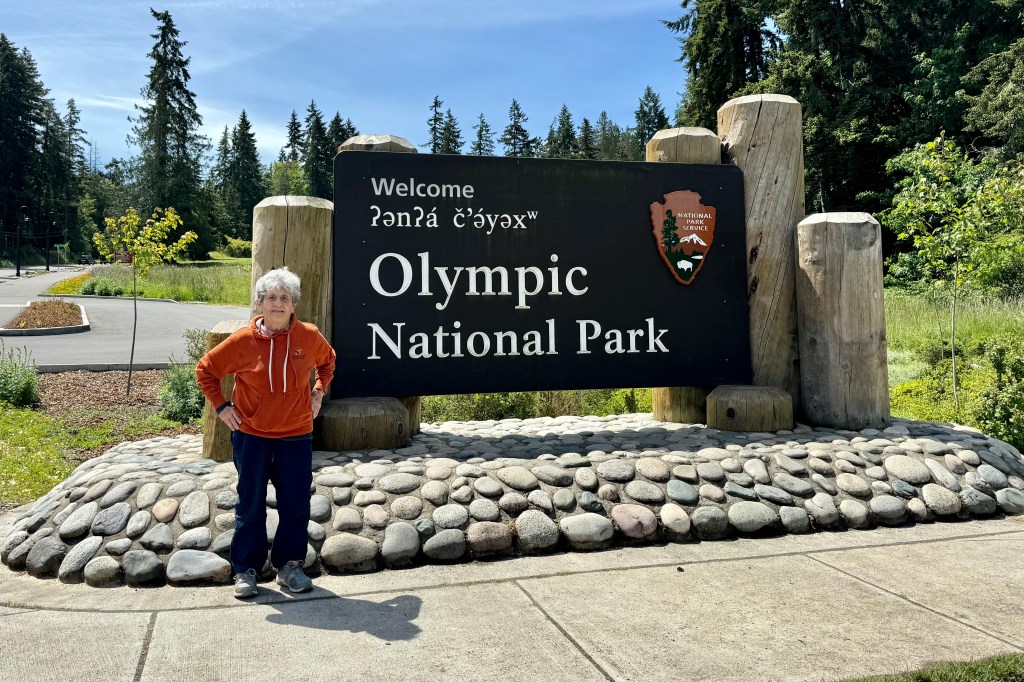

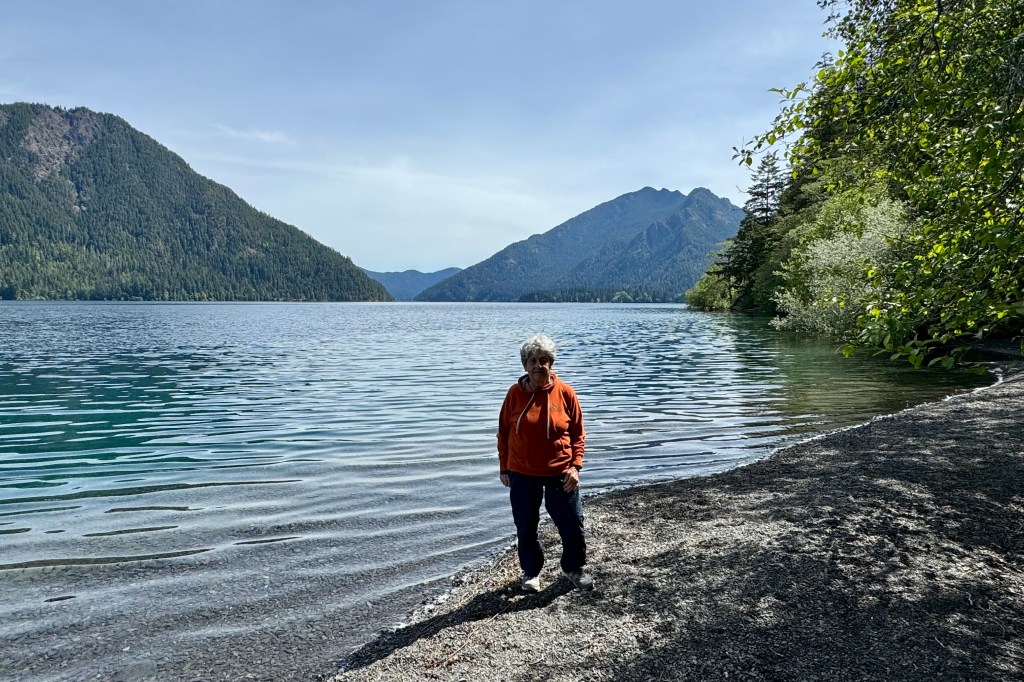
Two hours later we were skirting Lake Crescent and remarking on its crystal-clear deep blue waters viewing it against the backdrop of the Olympic Mountains and the lush temperate rainforests. It was tempting to stay and drink in the tranquility of this lake but Hurricane Ridge beckoned.
At Port Angeles so began the 18 mile ascent from the coastline at sea level up to 5200 feet. The traverse is initially through dense forest but opening up to vistas of distant peaks, including the 10,778 ft Mt. Baker, and eventually transitioning into subalpine and alpine topography.

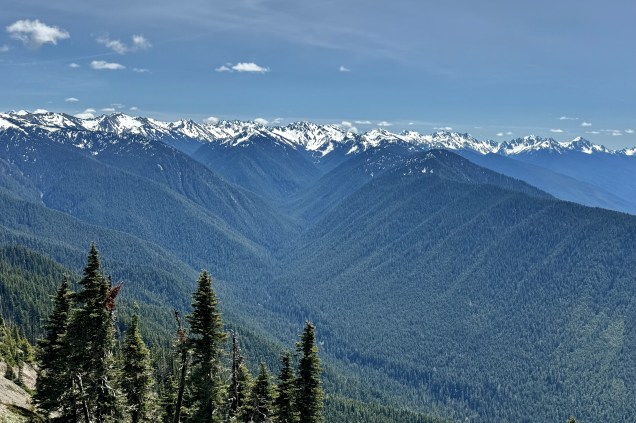
The journey itself, along the road’s twists and turns (yes I found it exhilarating even at a rational pace) ) was as much a part of this adventure as the hike up the High Ridge Trail. The road dead ends and from there we simply enjoyed the panoramic views of the Olympic Mountain Range with its snowcapped mountains , evergreen forests and Mt. Olympus..
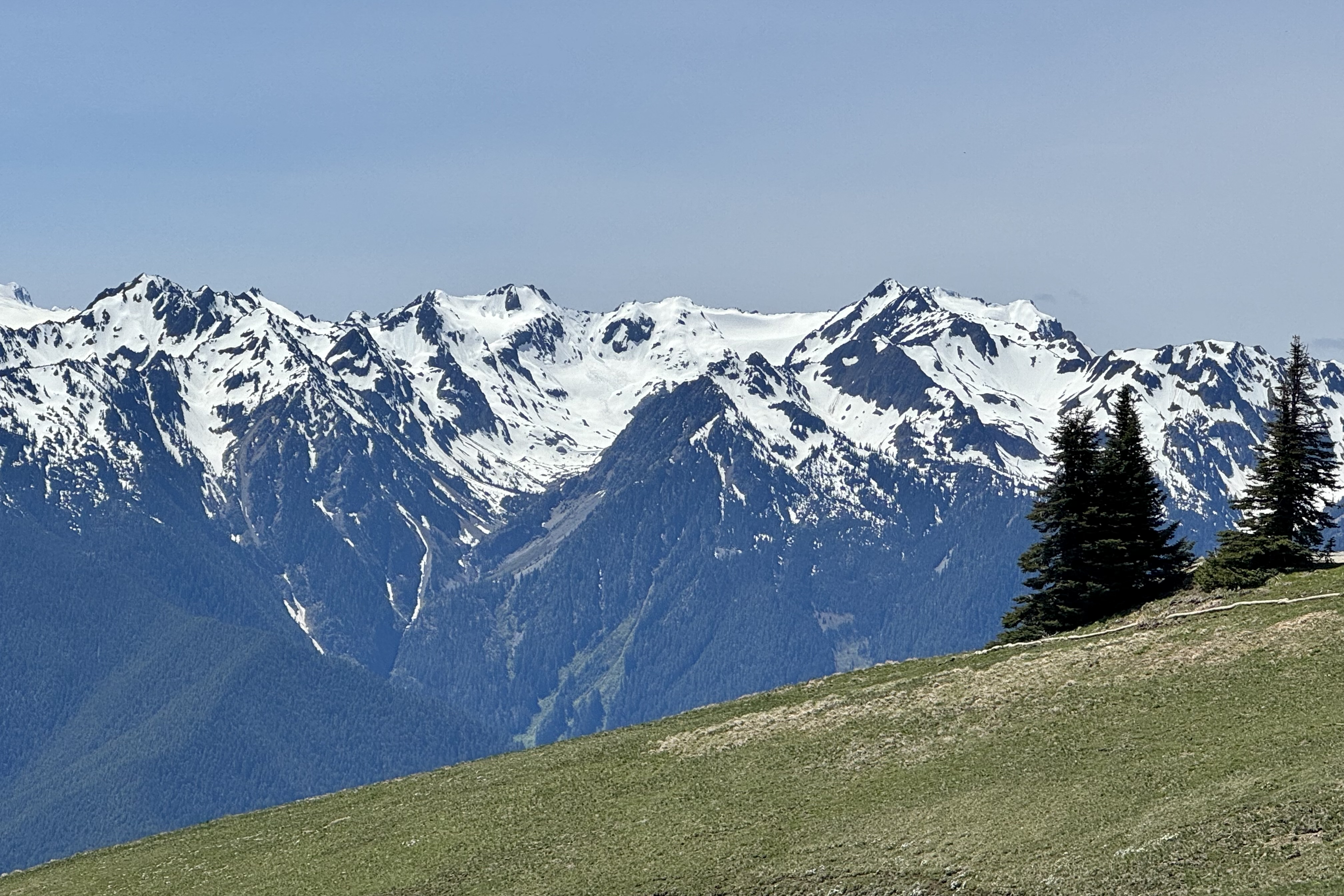
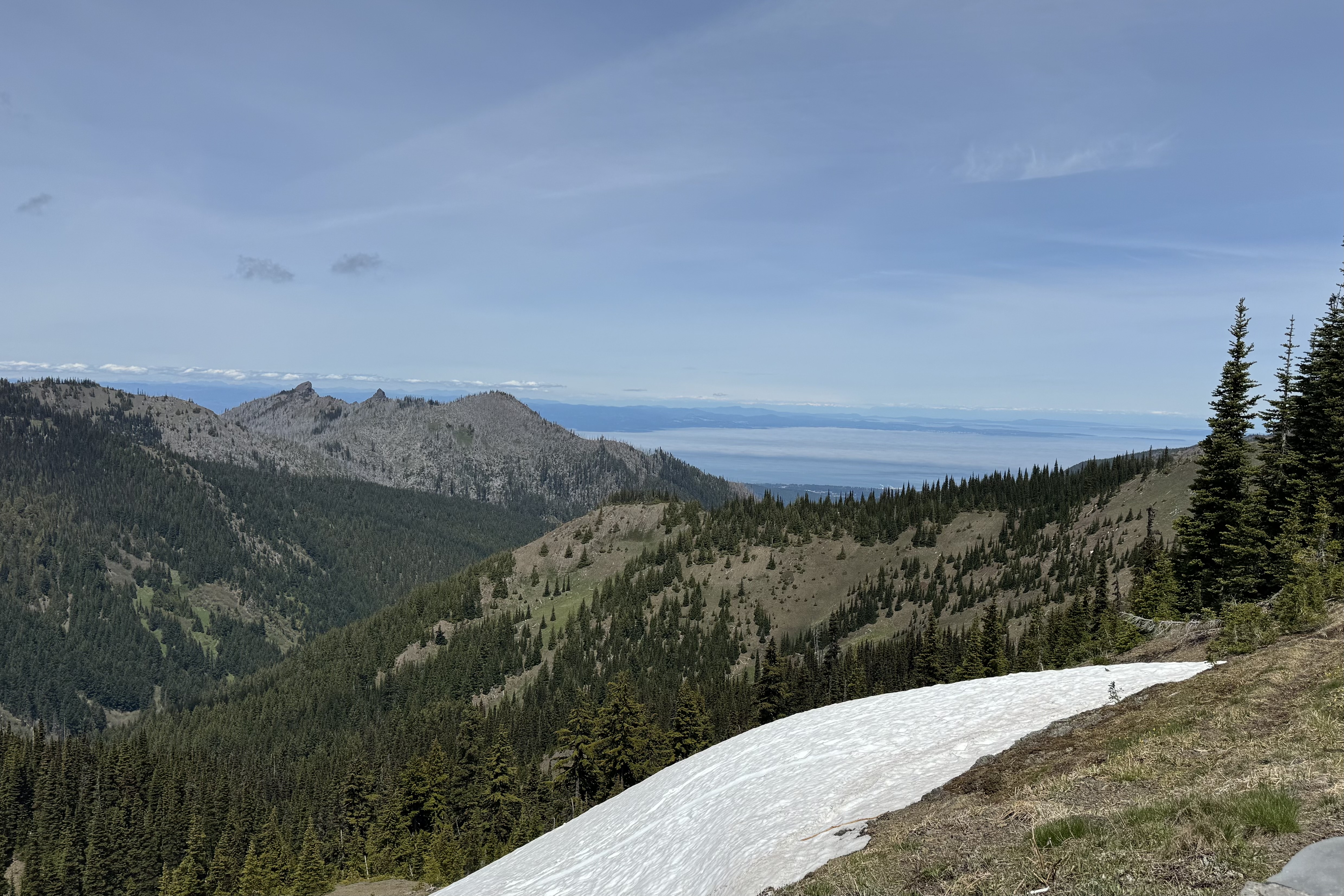
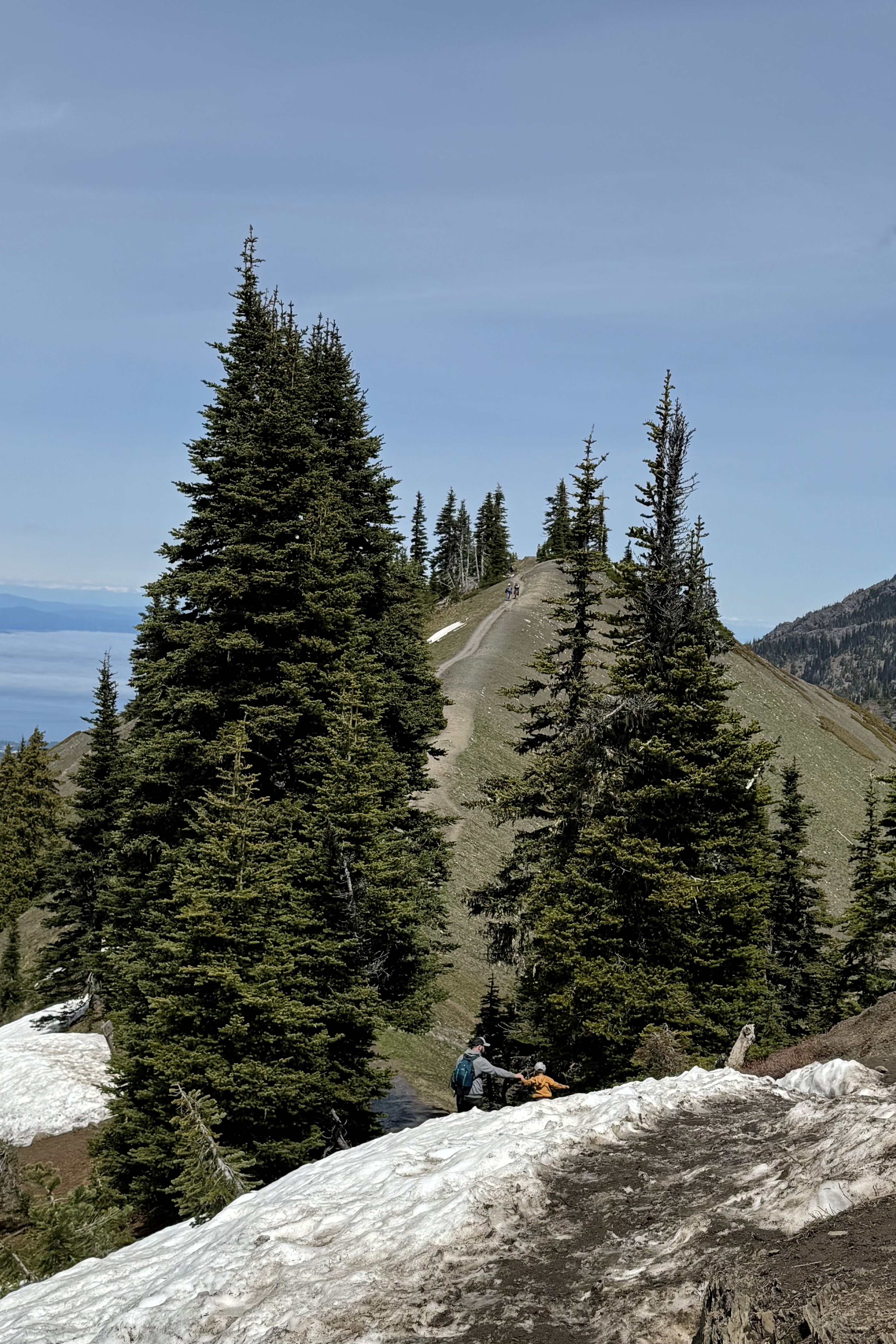
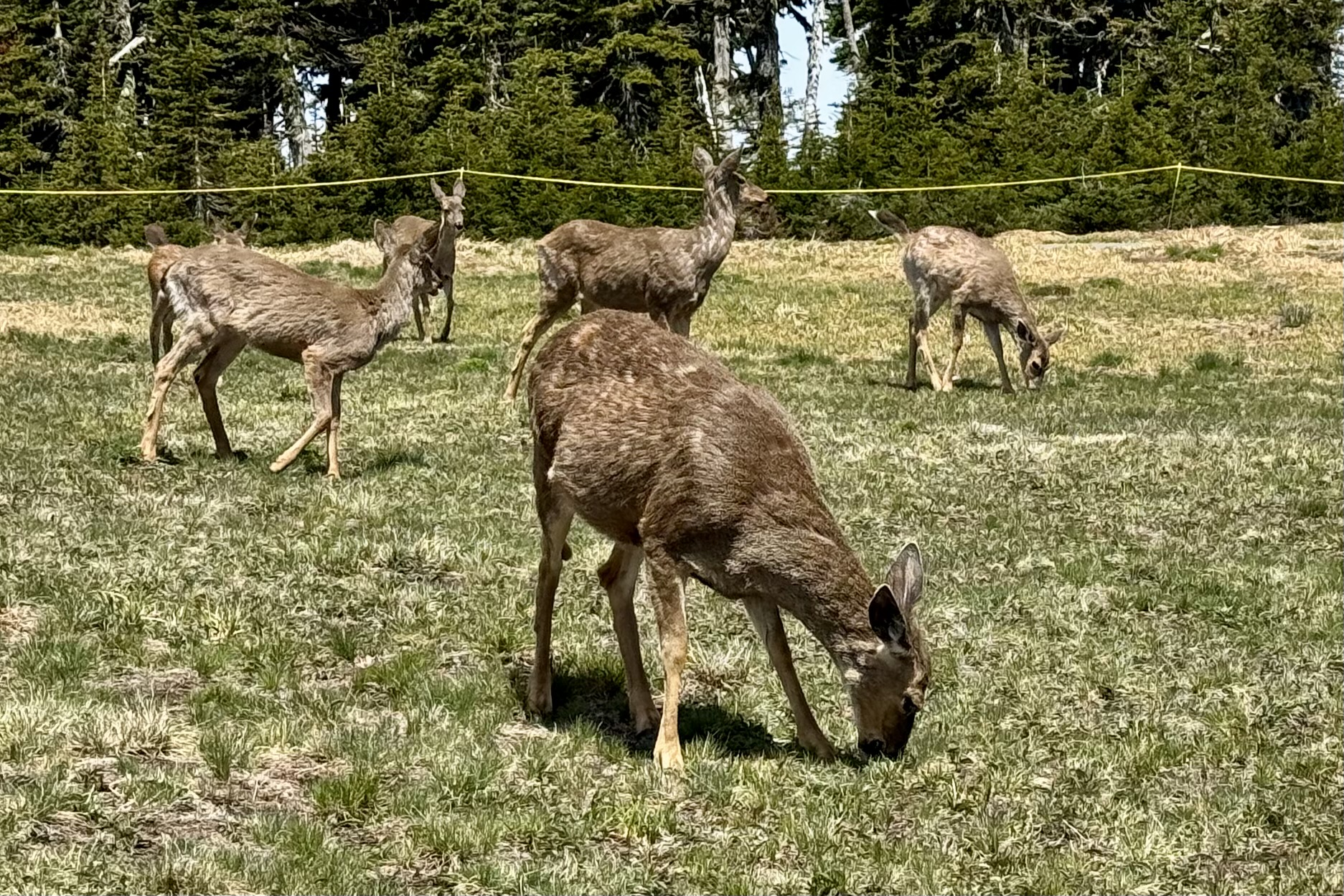
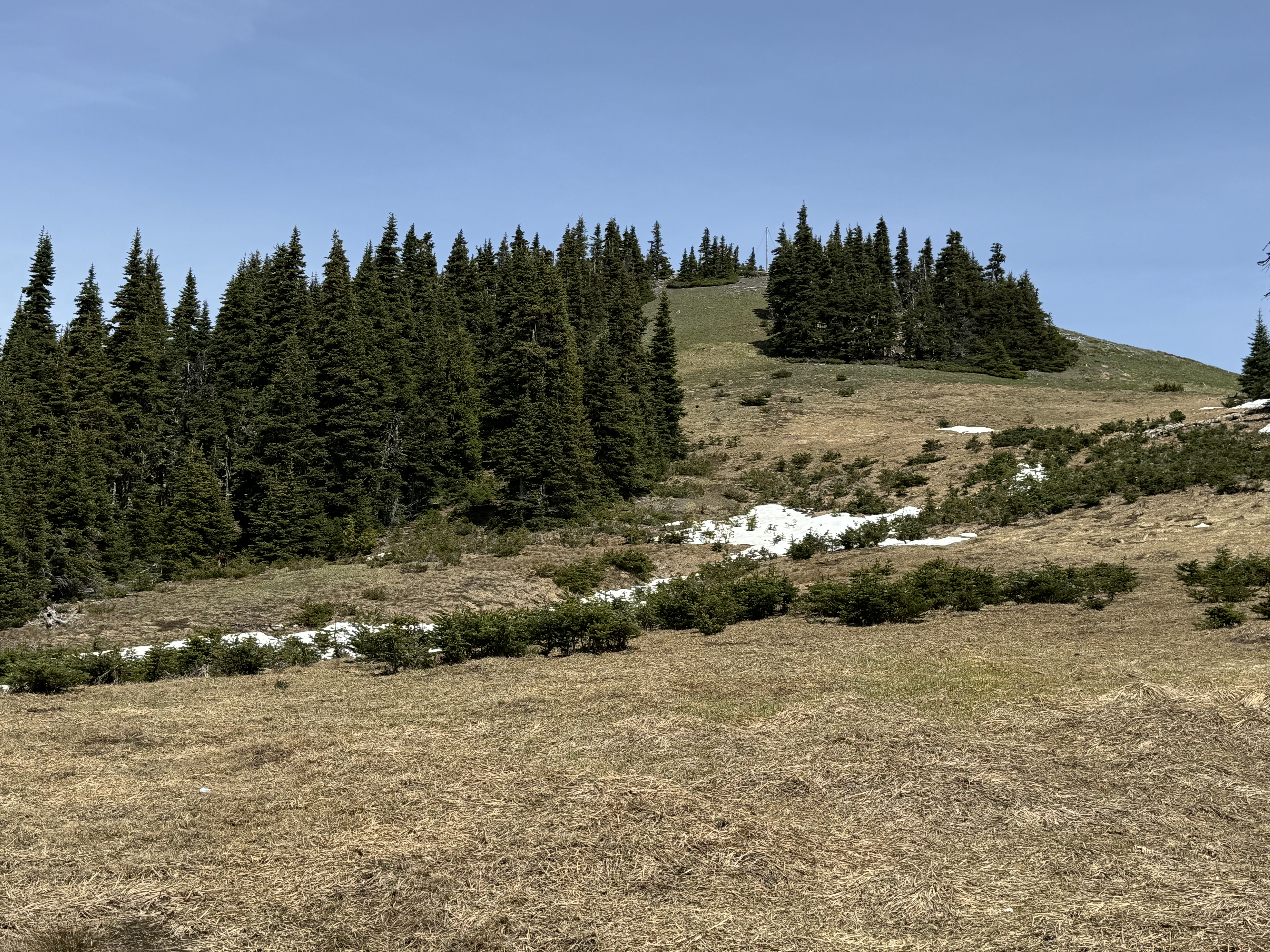
But, I was yearning for a hike, so decided to hike at least part of the High Ridge Trail. A popular and easily accessible trail, there was no paucity of other trekkers. Black-tailed deer were grazing at the trailhead and seemed totally undisturbed by the bevy of humans trespassing on their meadow. We made an elevation gain of about 250 feet and a 2/3rds of a mile ascent and though this seems like an almost nothing hike compared to “what-could-have-been “ we would opt to not go further given minimally a 5-6 hour rive to our nights destination . The views may have gotten even better but I would not be appreciating them on the very curvy, switchback twisting road to Paradise Inn in Mount Rainier National park after dark .























 Uniquely Theo