A Backcountry Shack, a False Start, and a Roaring Cataract

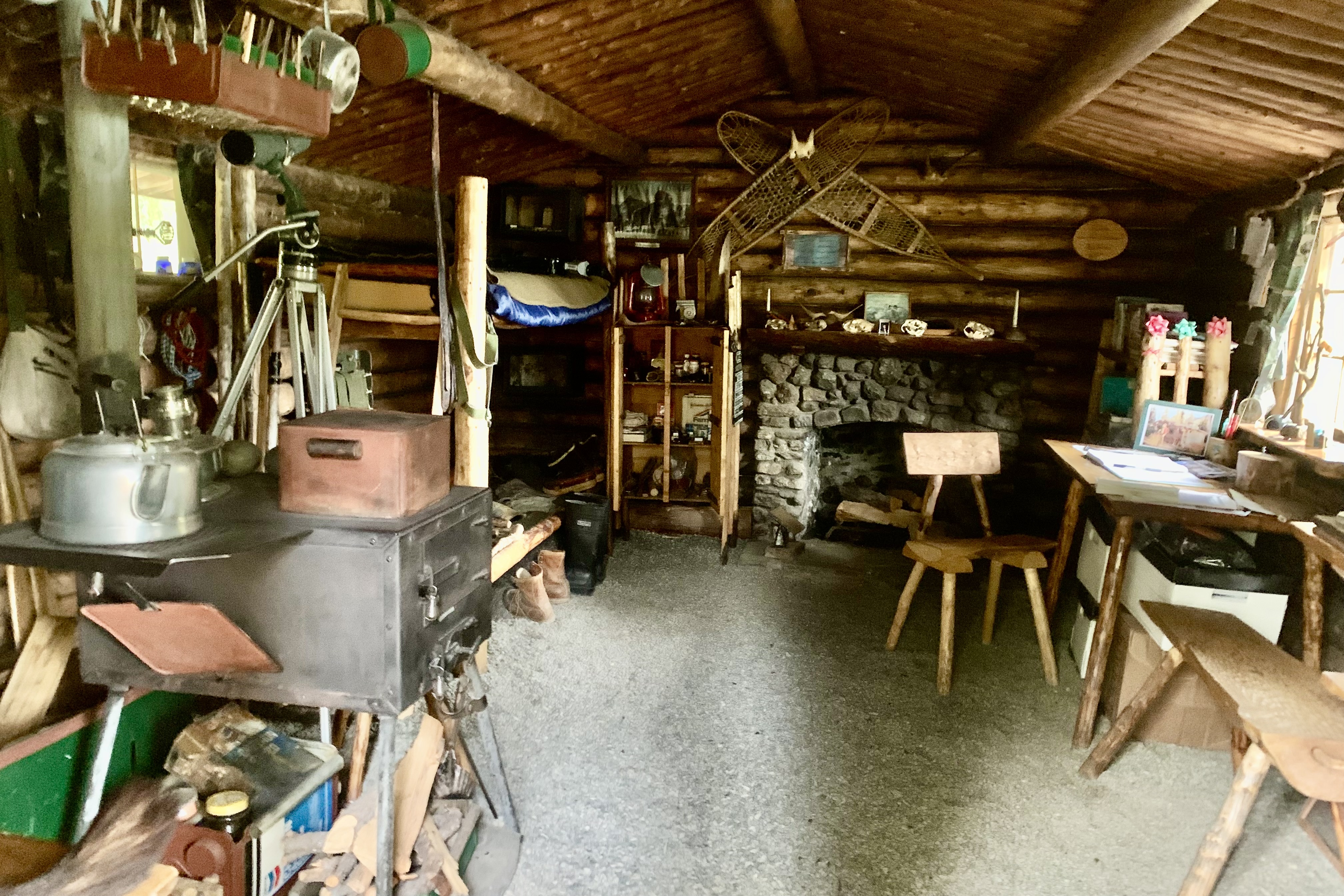
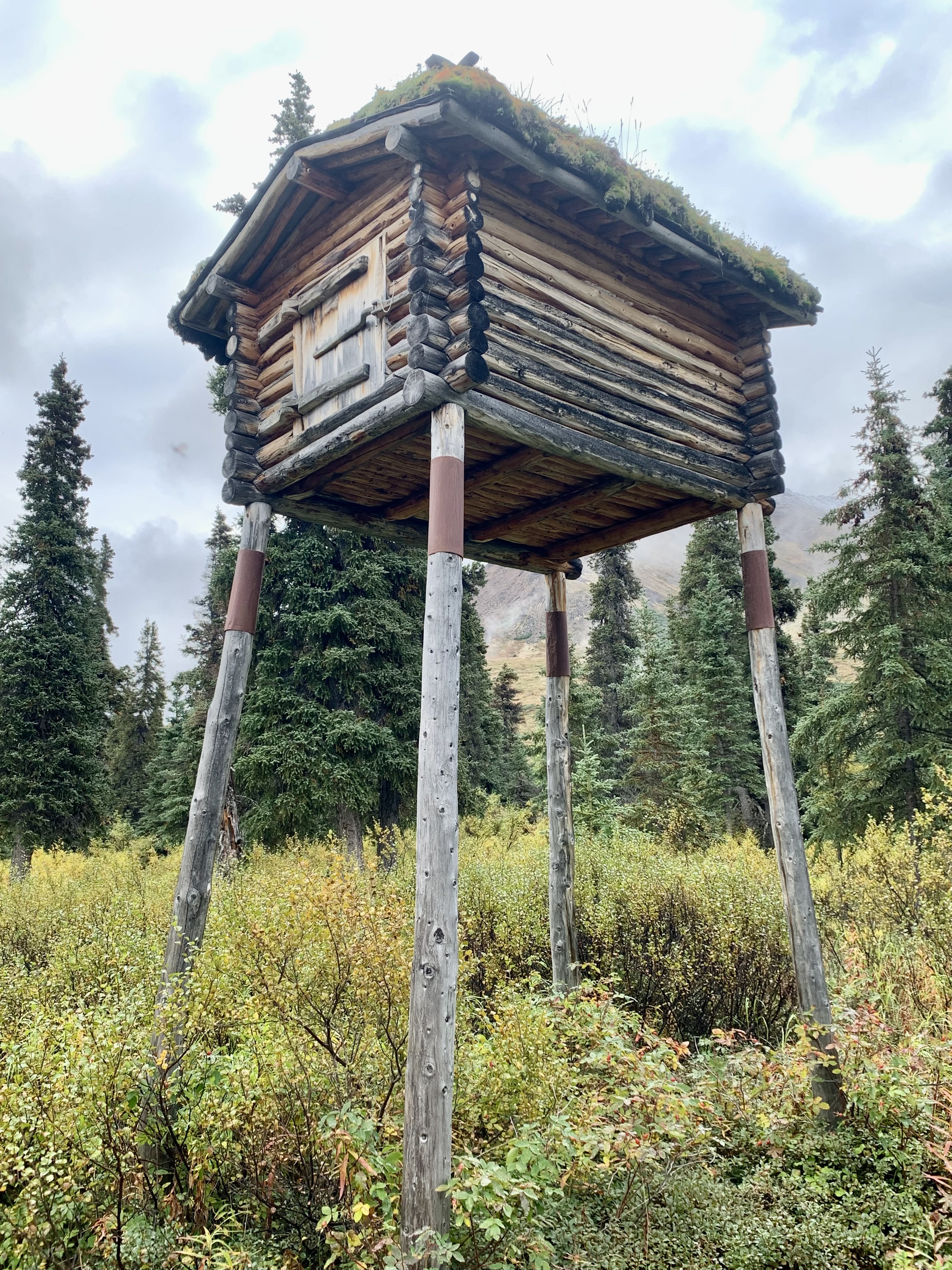
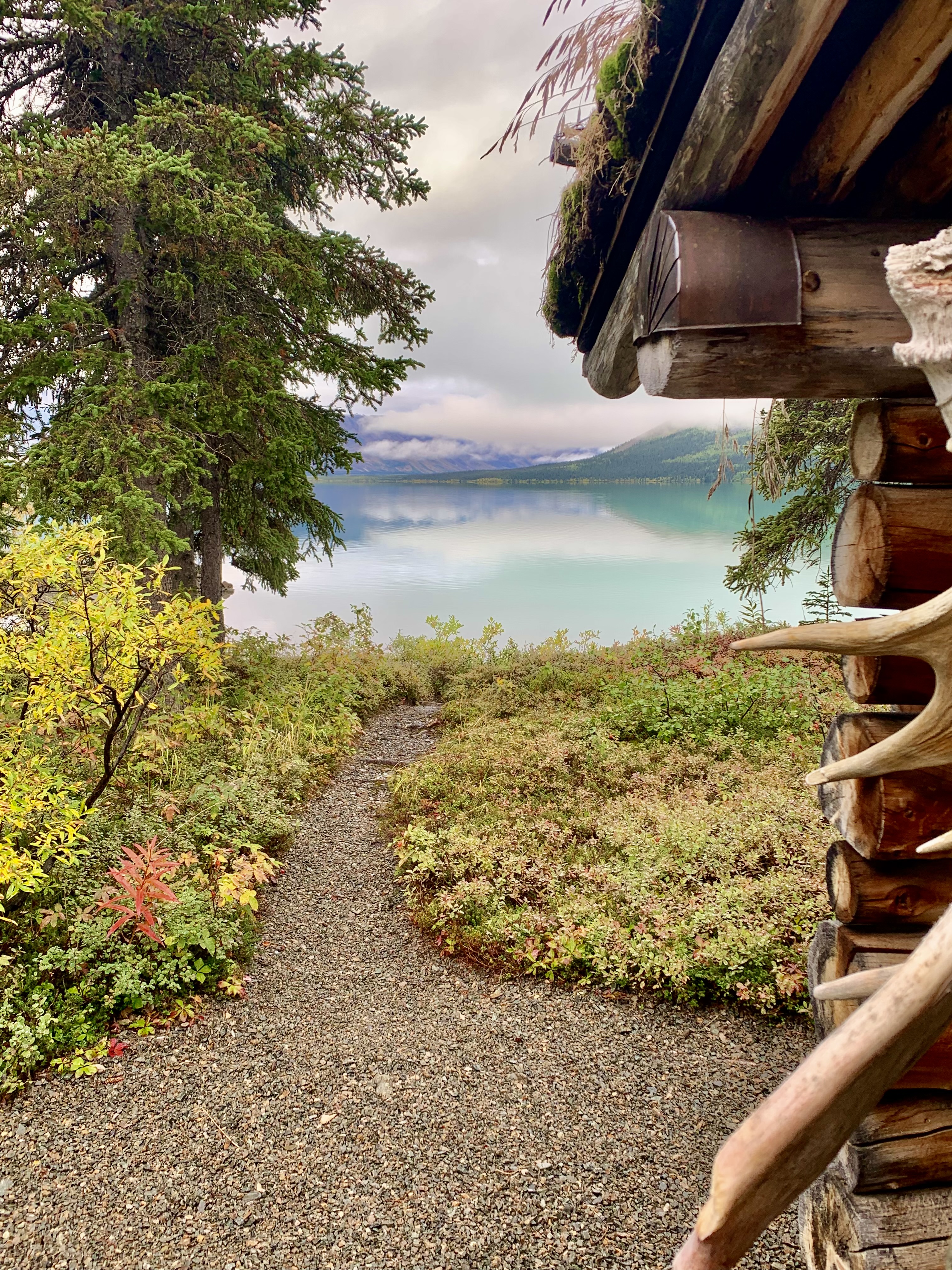
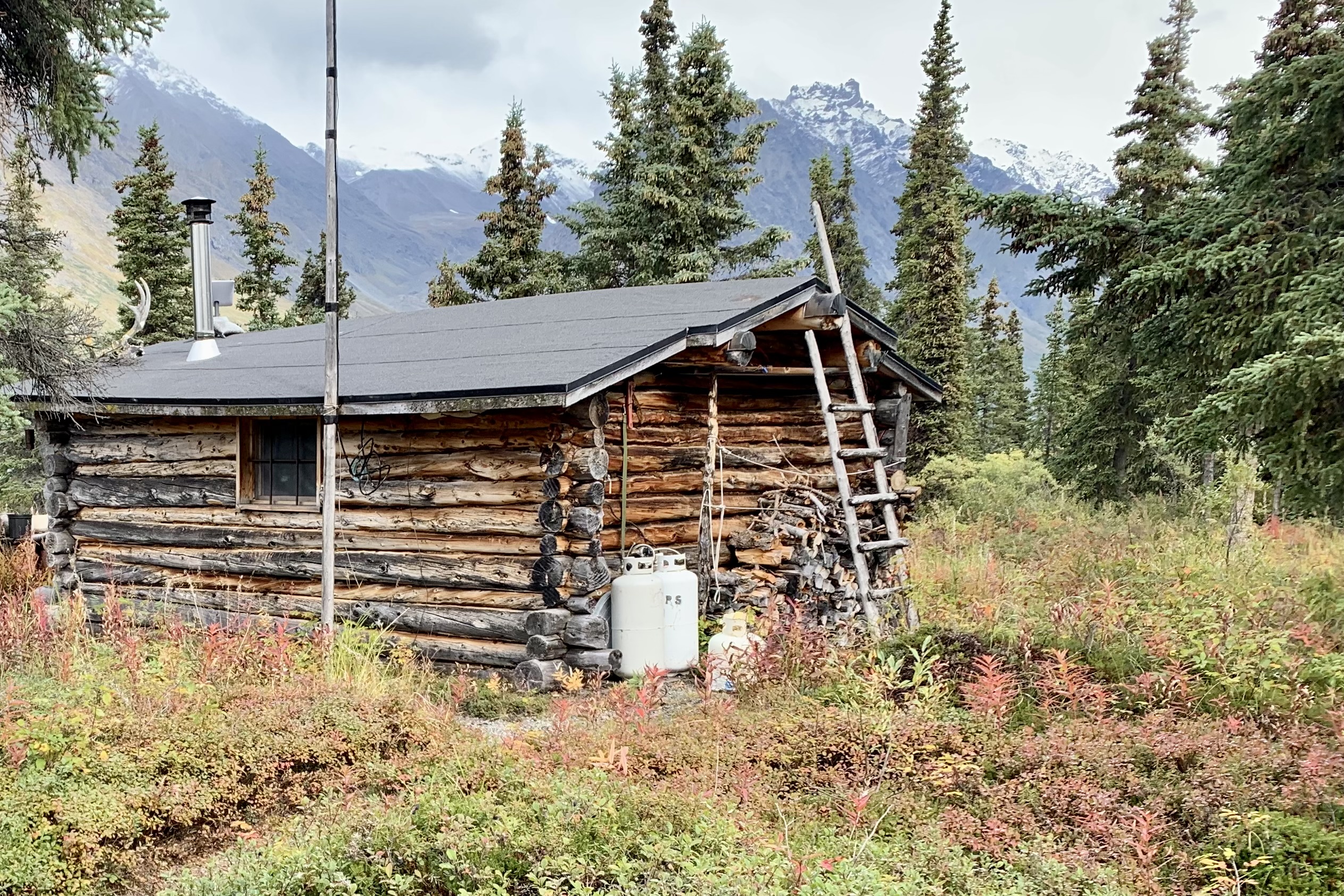
A guided day trip to Twin Lakes was on the schedule for this day. We were advised to be ready for our outing  to Twin Lakes around 10:30 am, somewhat later than our normal 9;00 am plane.  No sleeping in though because breakfast is served at 7:30. The plan was to   drop us with our  guide at Upper Twin Lakes where we would be  exploring the Hope Creek area where Richard Proenneke, aka” Dick”, the embodiment of  wilderness values, self-subsistence, and resourcefulness, lived. From the age of about 51 he lived alone for nearly thirty years (1968–1998) in the mountains of Alaska in a log cabin that he constructed by hand near the shore of Twin Lakes. He definitely is my kind of hero. Dick’s cabin is a National Historic Site and managed by the National Park Service.. We were encouraged to read  a book titled One Man’s Wilderness for some background of the areas, Hope Creek, and Teetering Rock. I had download it the night before and had read about half…at least enough to have a good idea of the challenges he faced in building his home and living off the land.

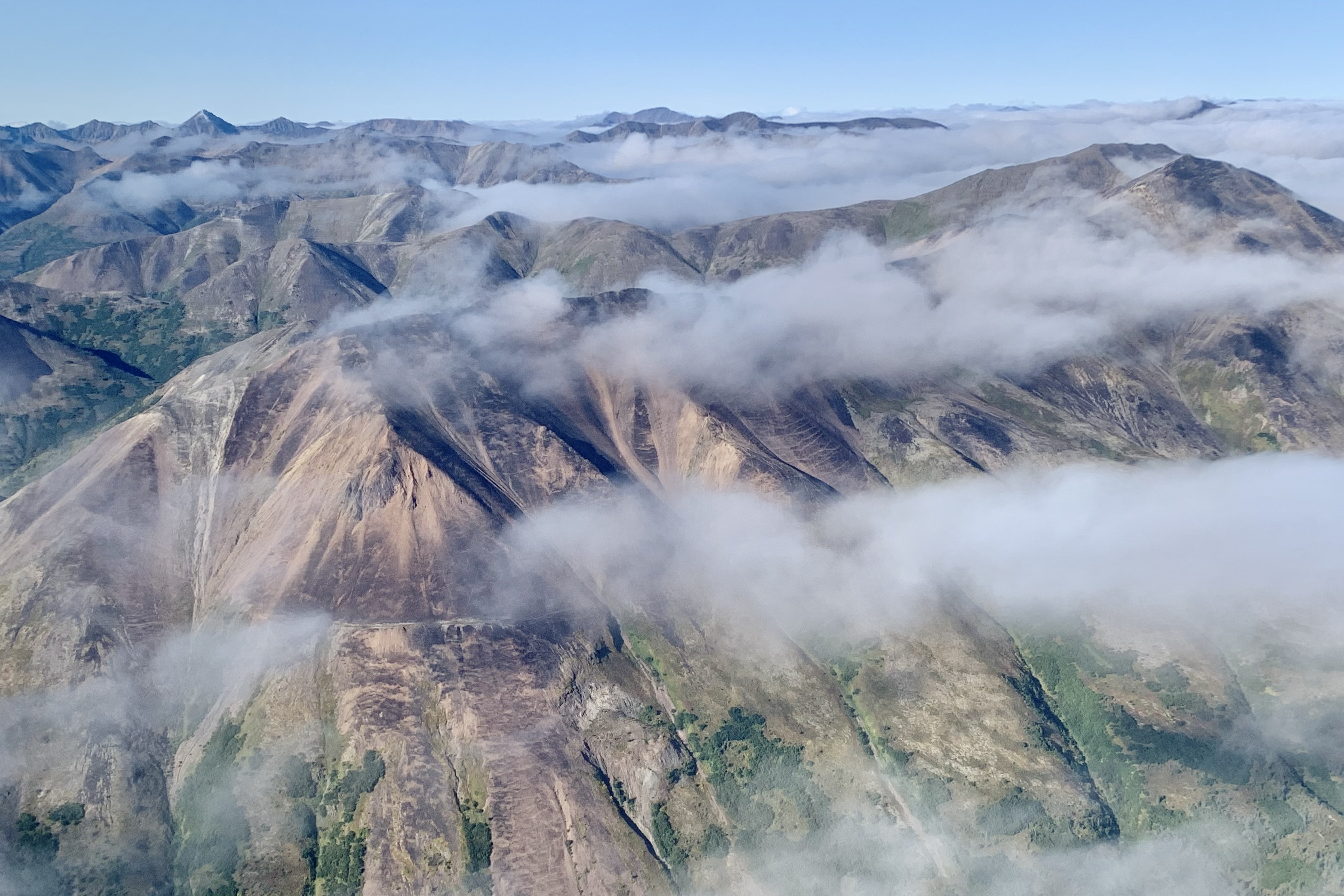
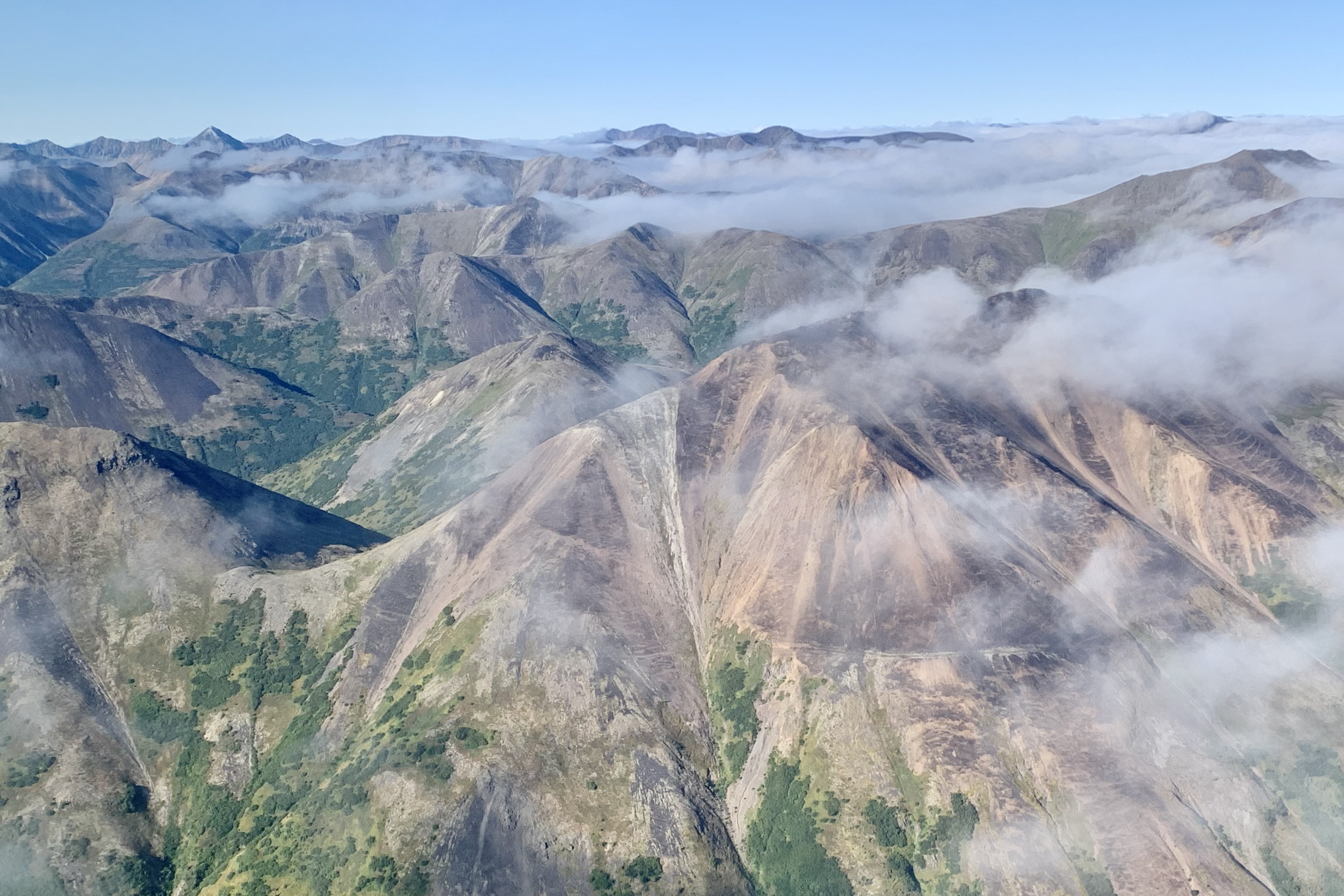
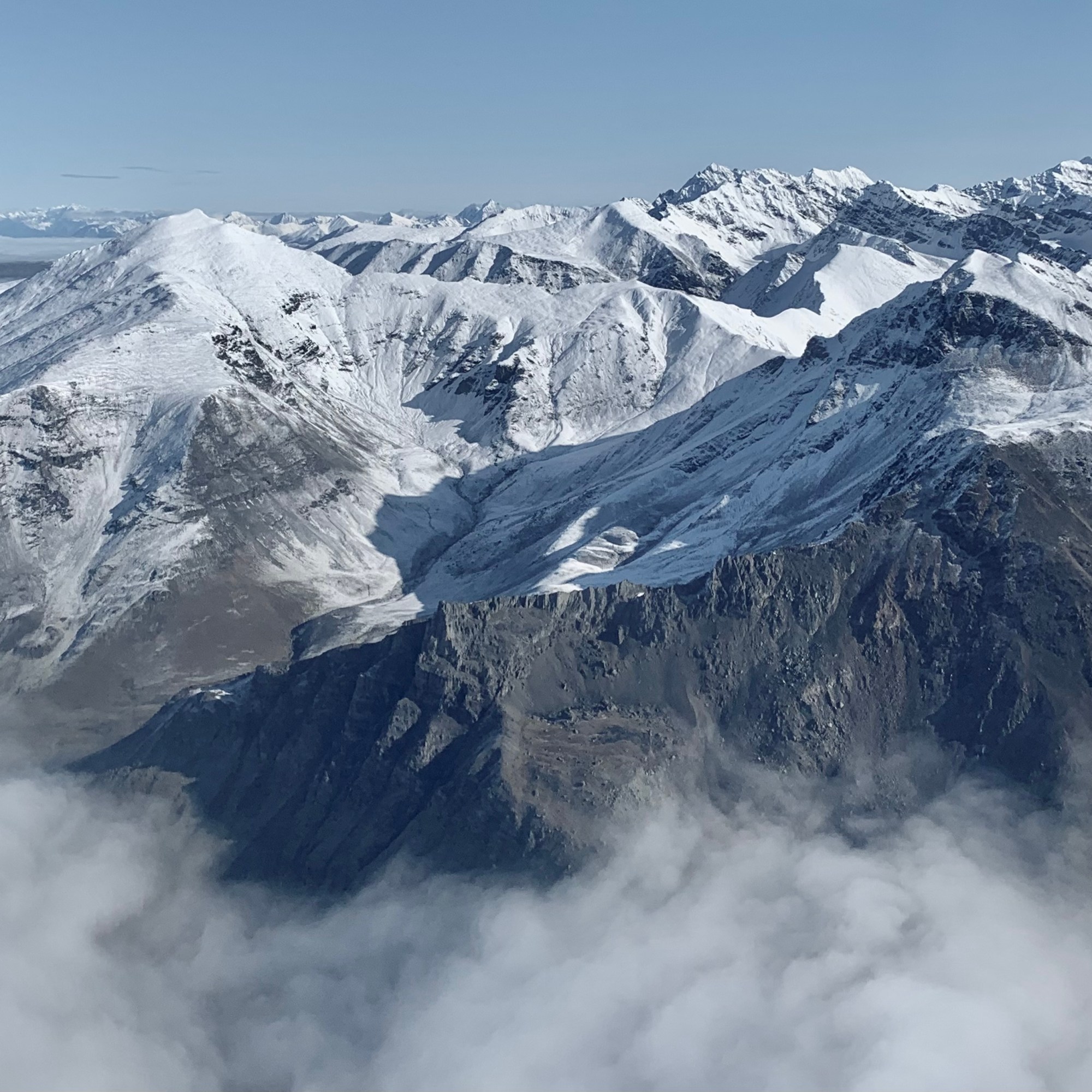
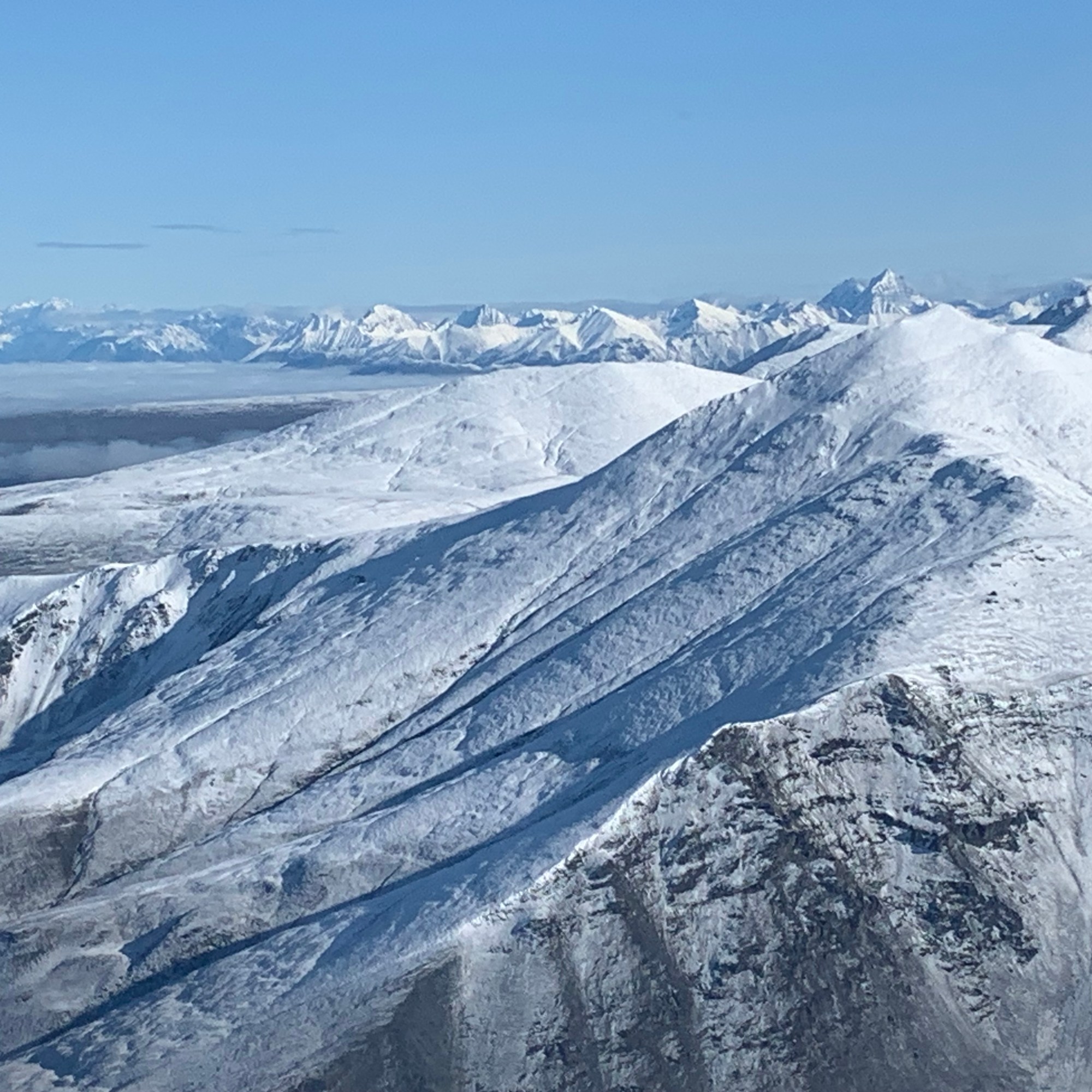
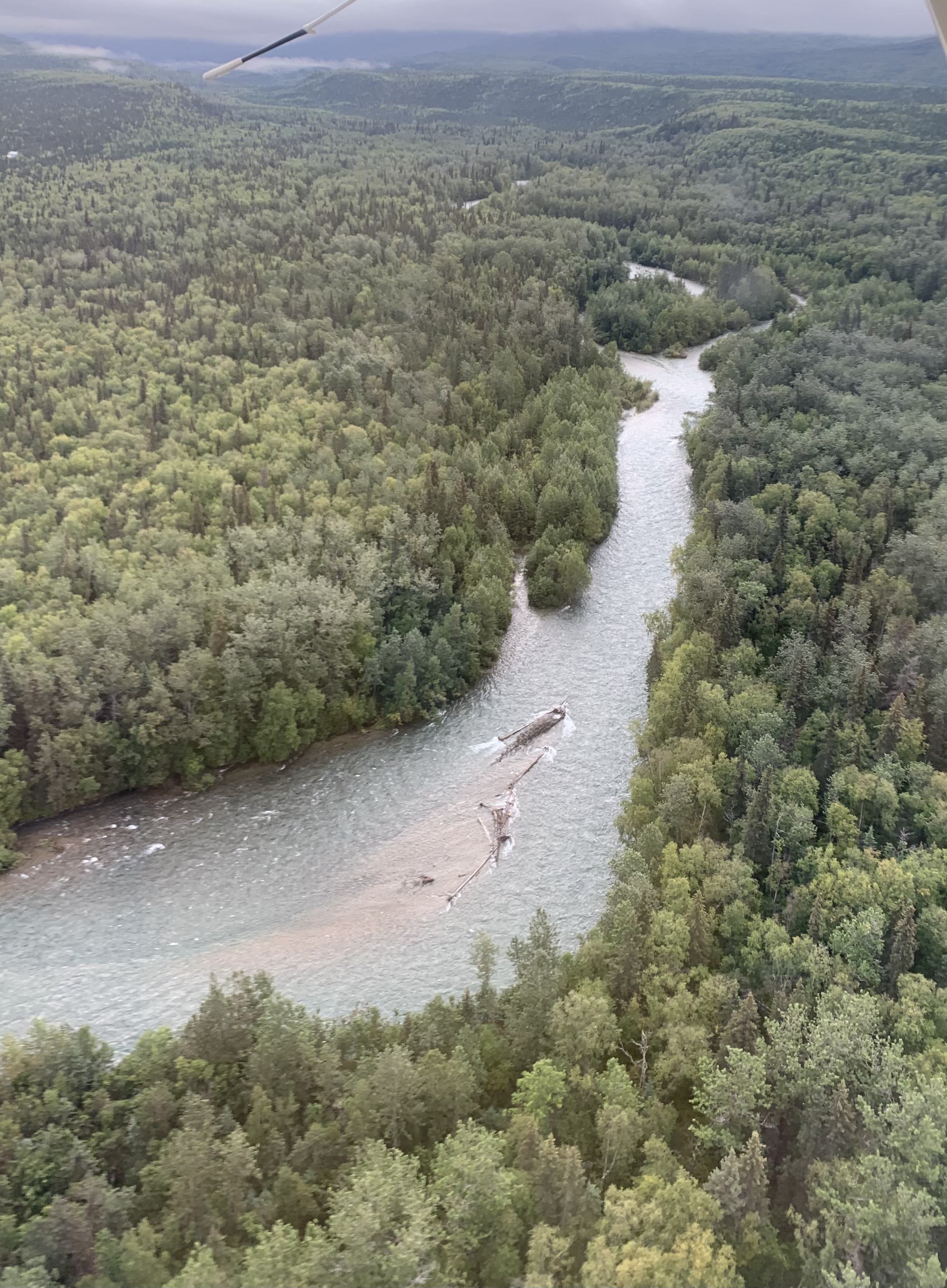
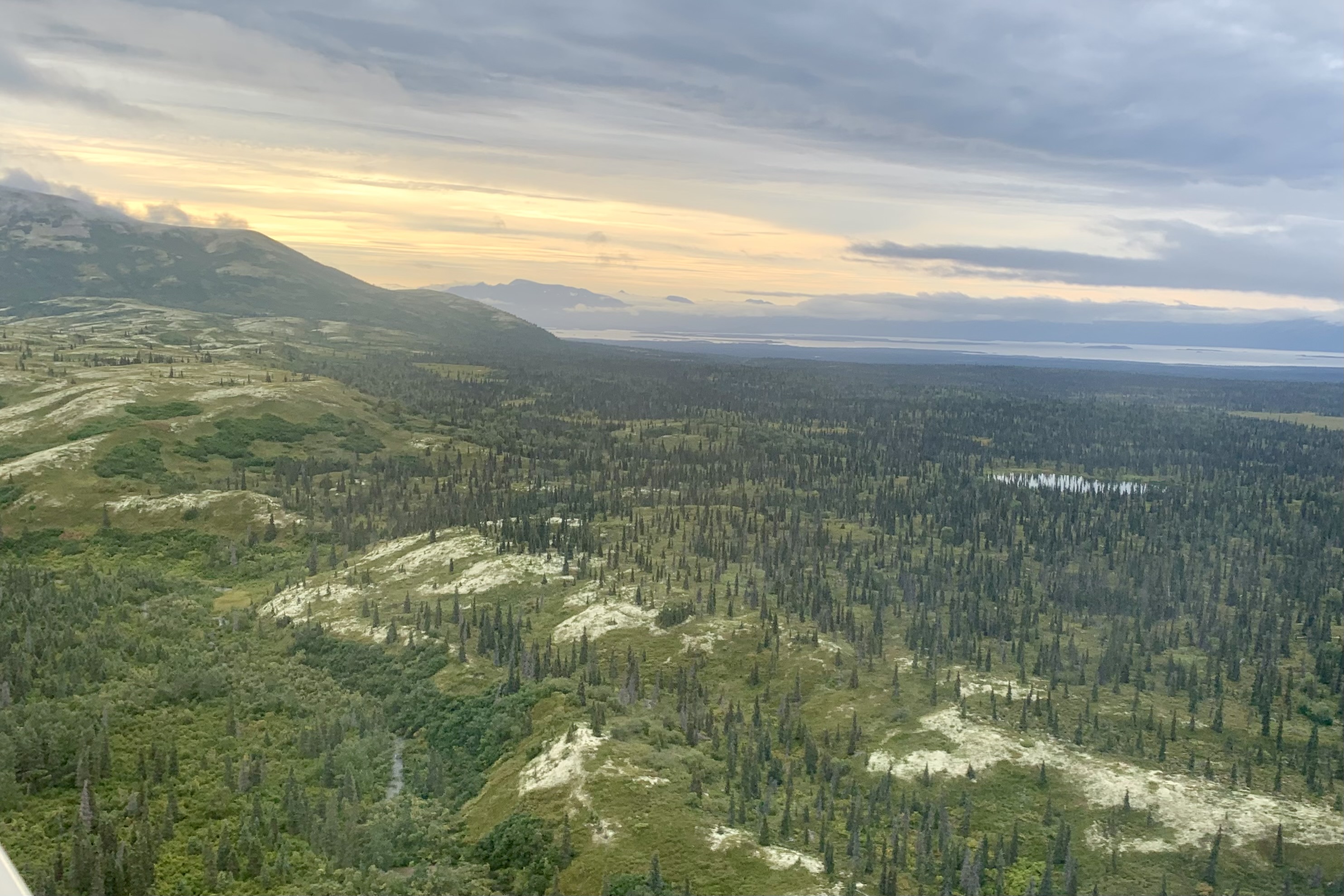
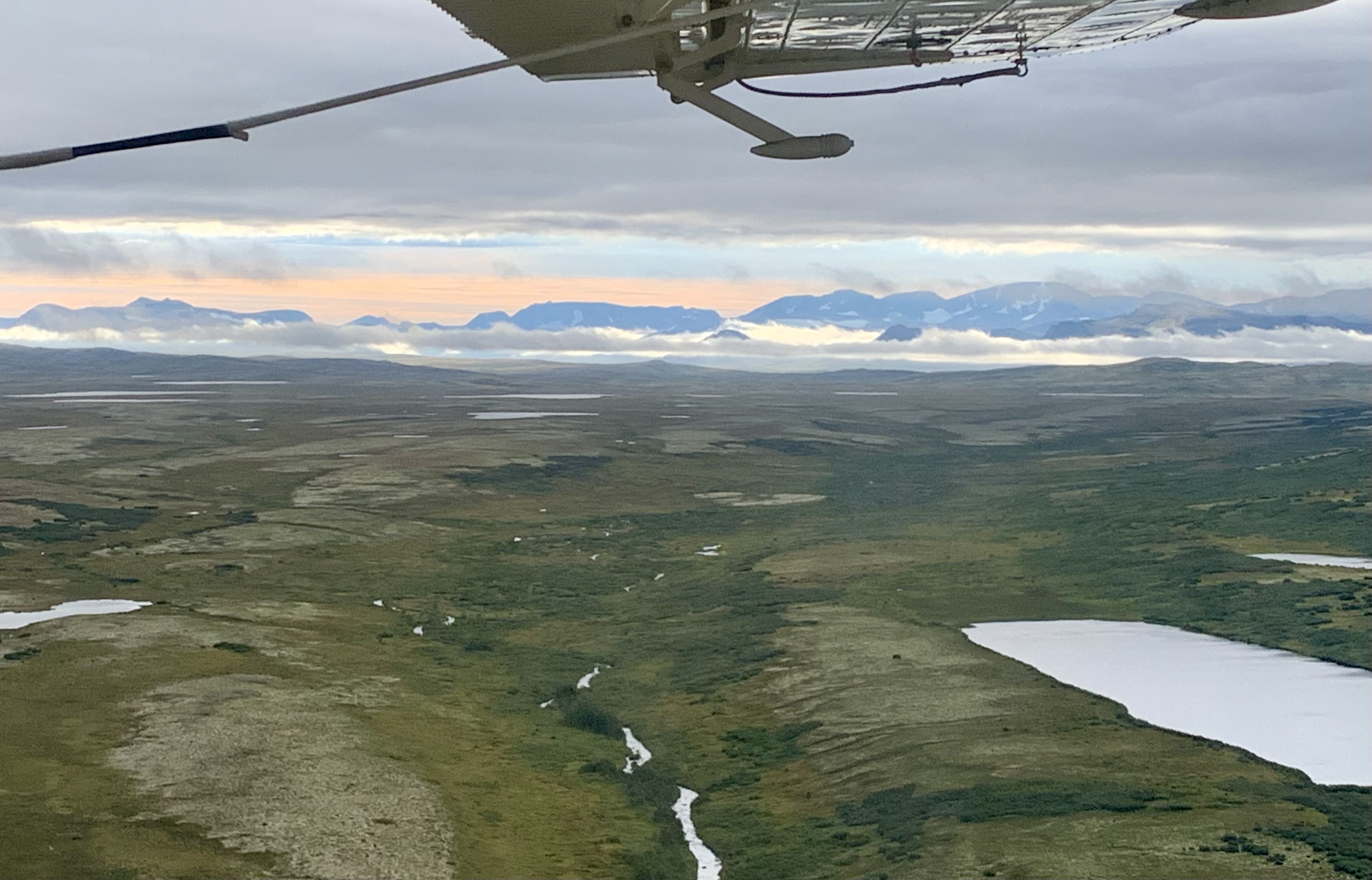
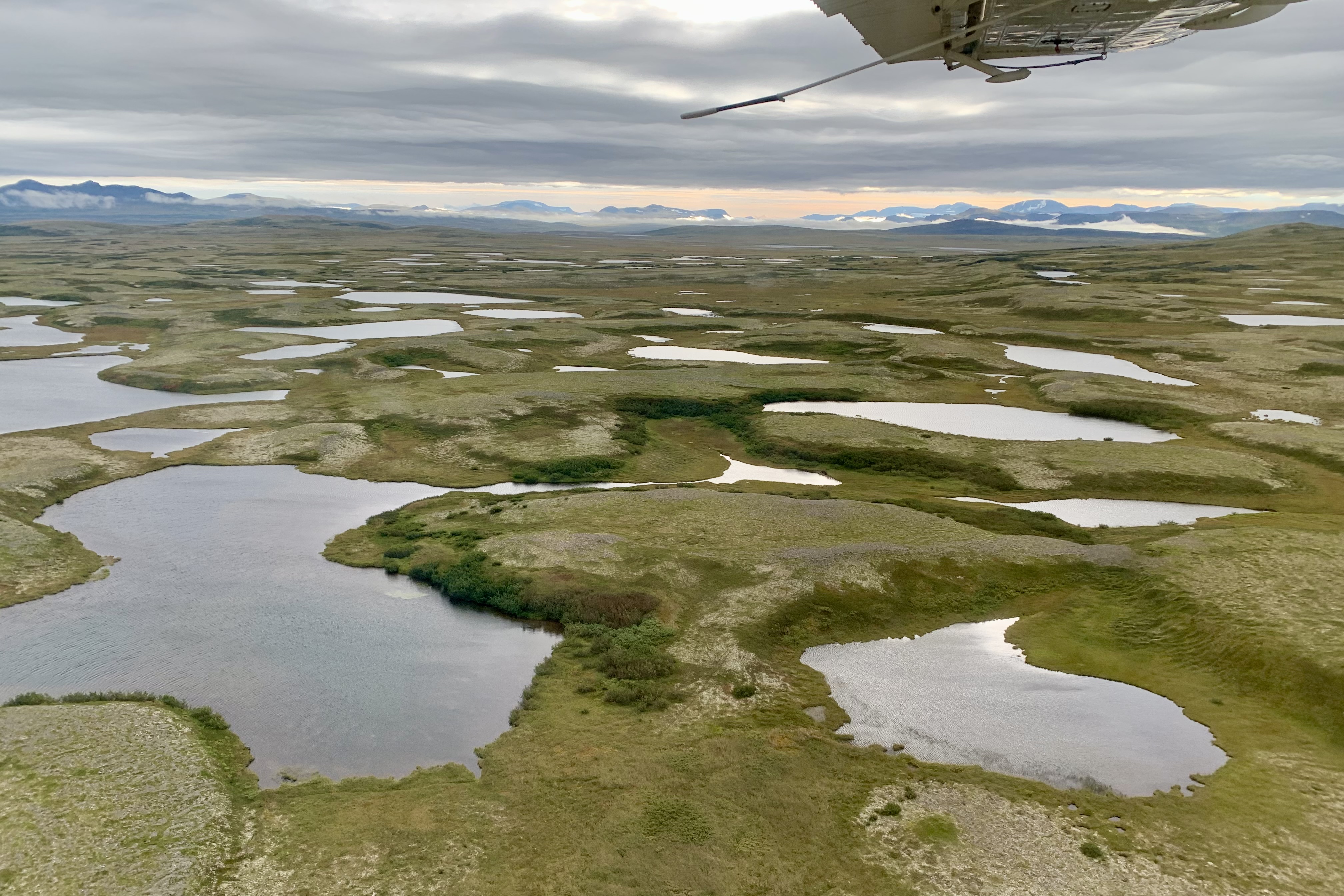
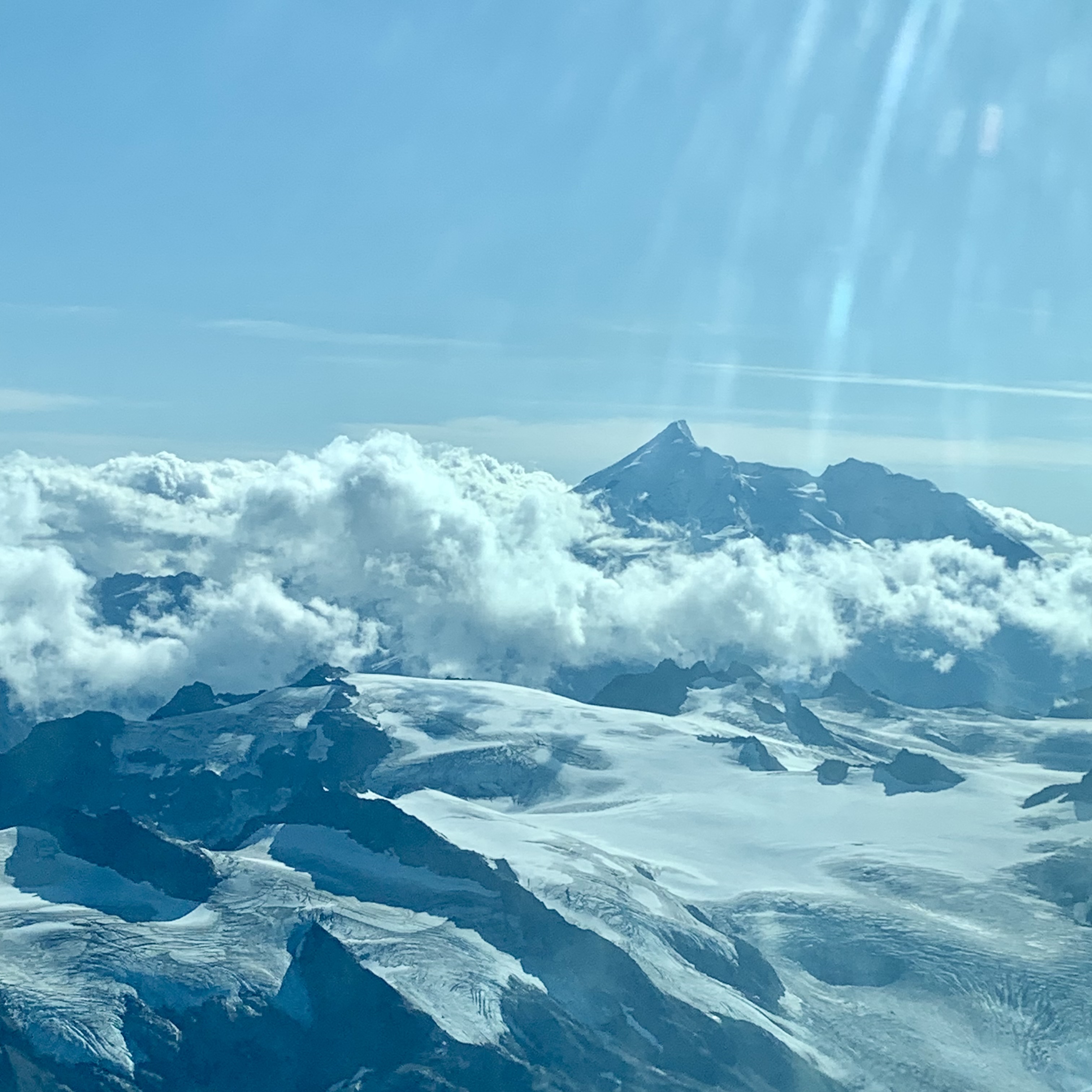
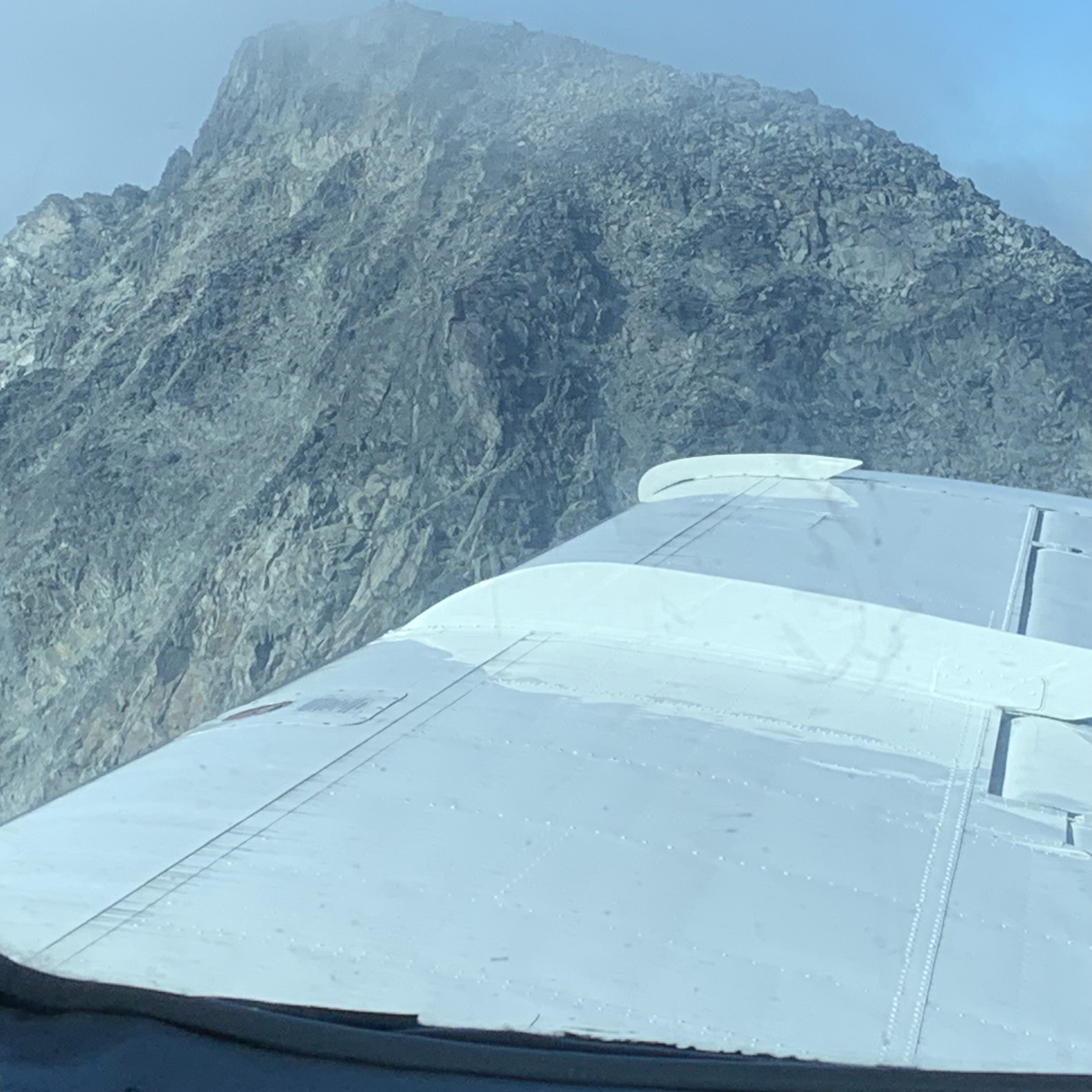
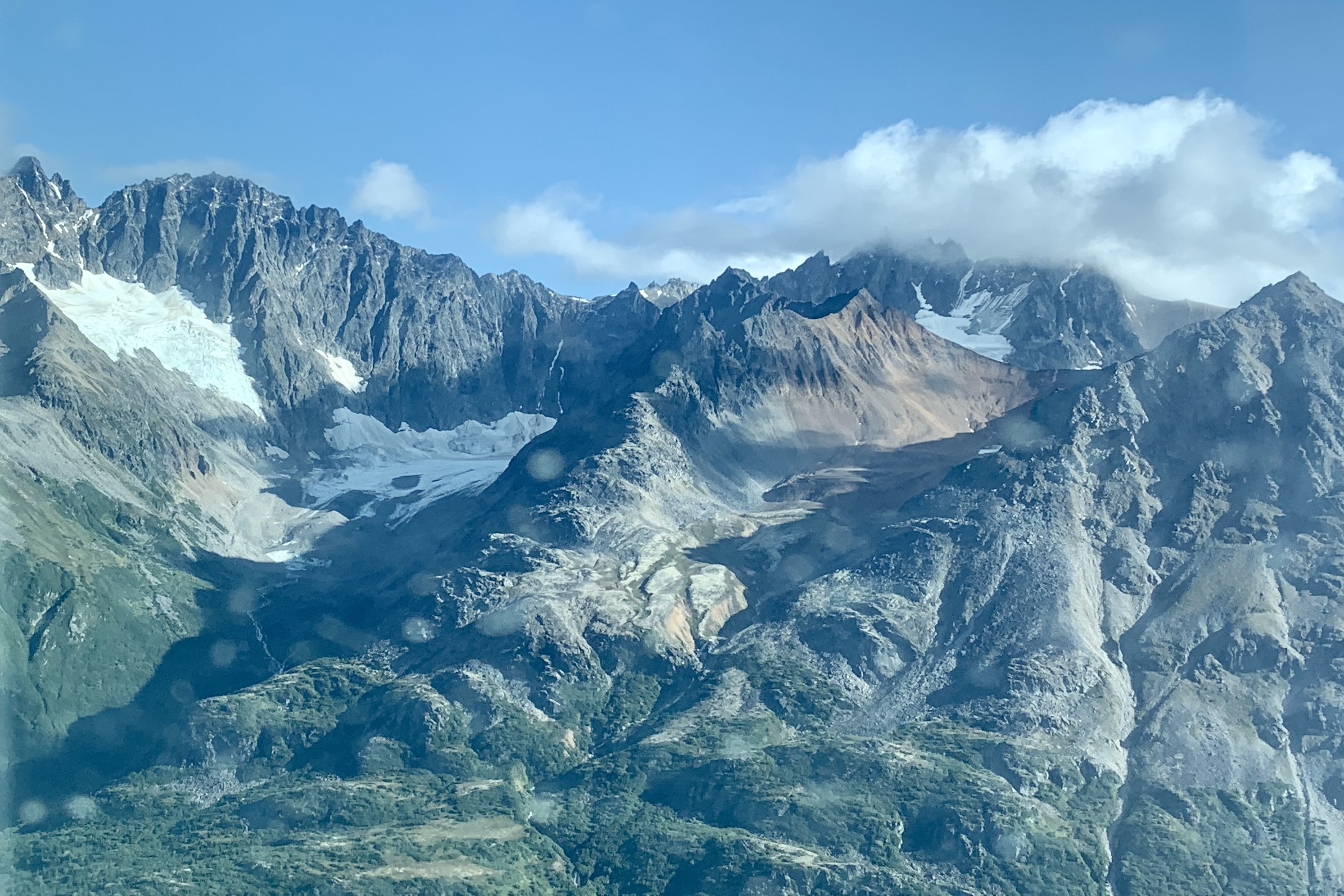
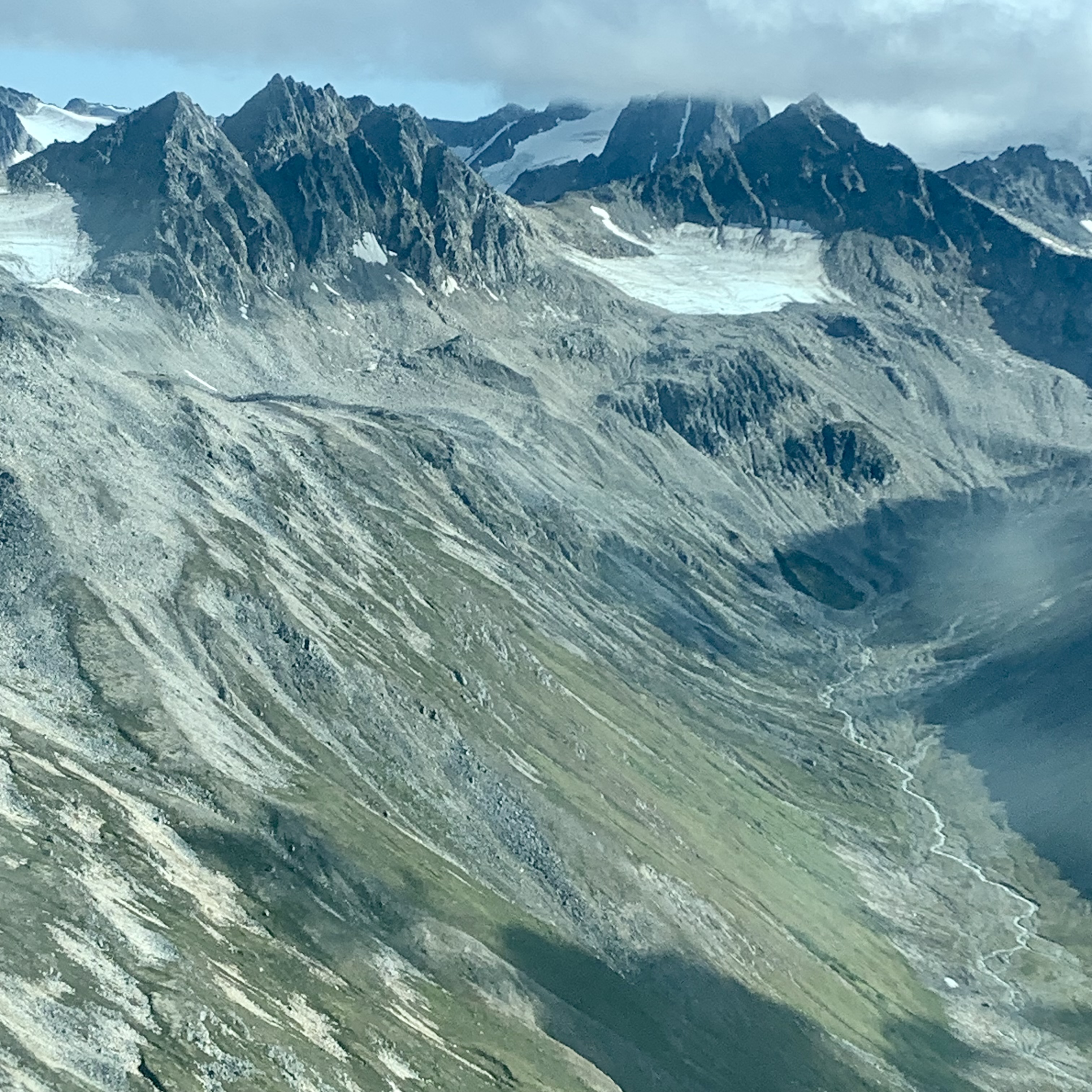
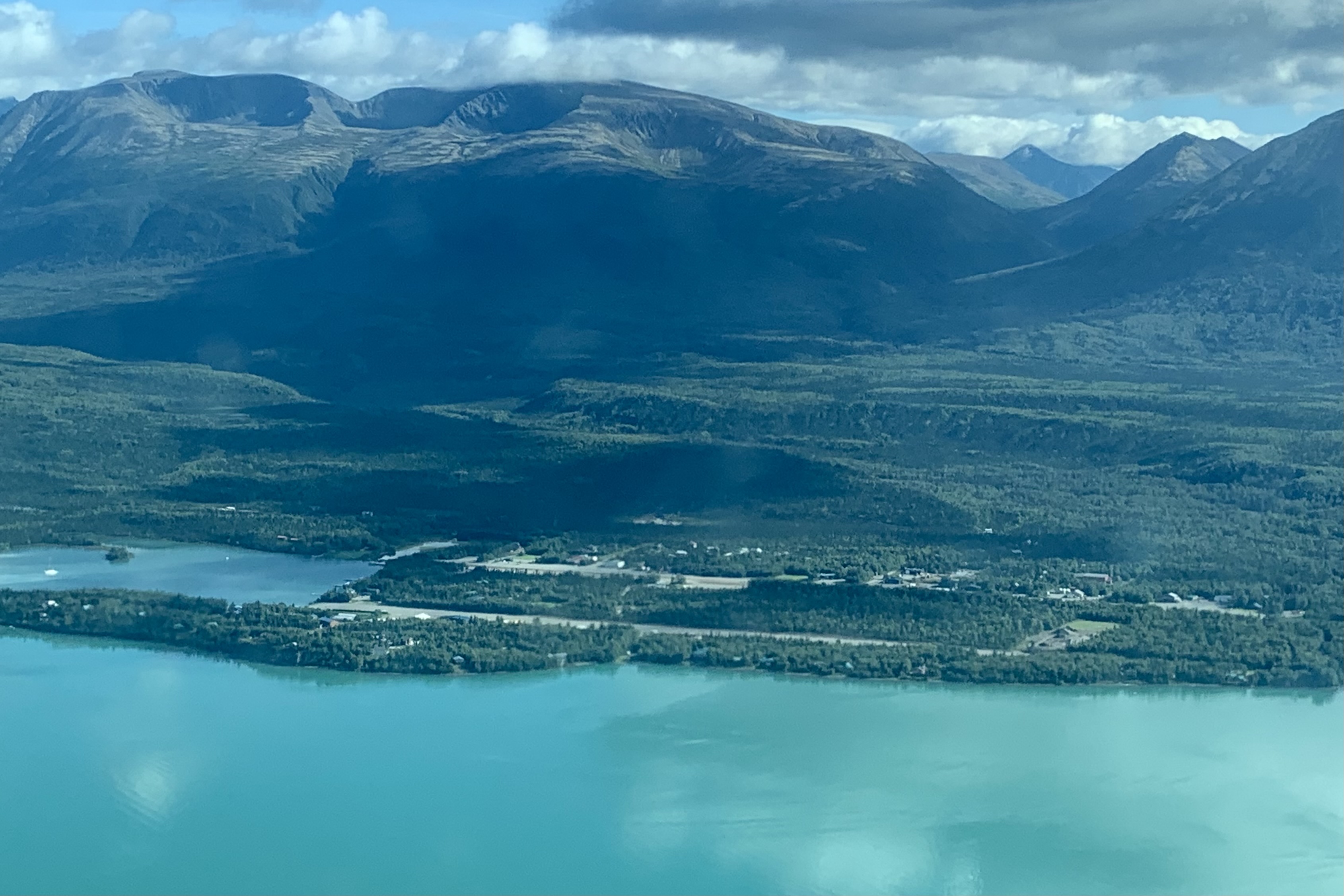
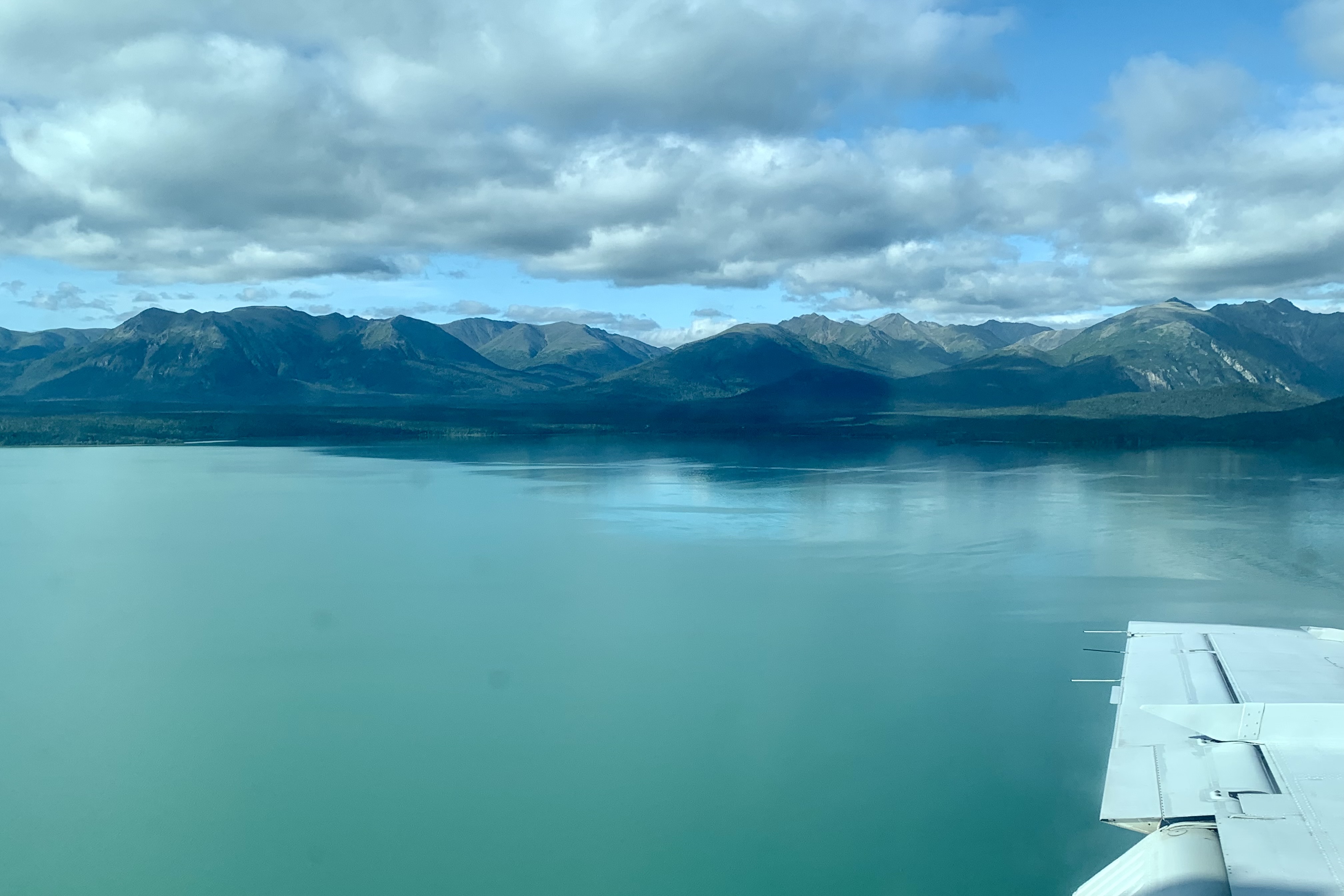
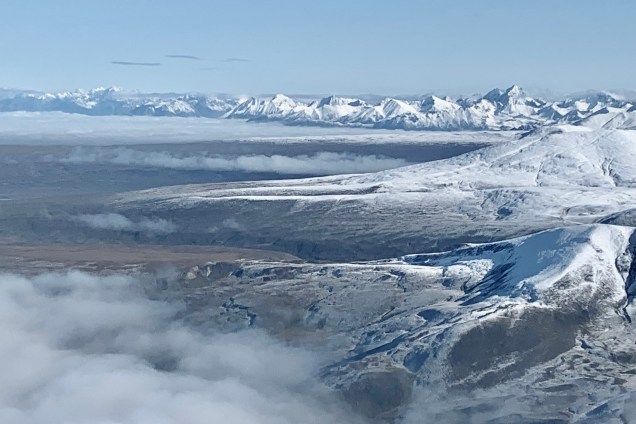
As always, our  float plane adventure took us over other stunning scenery of this vast Alaska Wilderness area. Initially the mountains were of a lower elevation and yet to be dressed out in snow.  The verdant colors never cease to amaze me but before long we were back over the jagged snow covered peaks. 

At times the cloud banks were more like ethereal cloaks and misty veils and other times a sea of  cottony pillows. Sometimes it seemed as if we were floating on thick layers  of the cumulus clouds .  Our pilot charted a course up the western side of Lake Clark over fish Trap Lake and the western area of Twin Lakes. Of course I was wildly taking pictures and I am sure if my camera didn’t date them, at times mark there location, and keep them ordered I might assume they were from a previous jaunt… but it never ceases to inspire awe.

It is always interesting to be privy to the pilot talk between planes as they share the conditions all over the area they are experiencing. It began to sound like our adventure on Twin Lakes was a possible “no go” when listening to the floatplane to floatplane chatter. The micro weather systems in the different valleys can be quite disparate and the gist of it was that Twin Lakes was fogged in and landing there was contraindicated. The pilot also had to take into consideration the forecast for later in the afternoon when we were to be picked up and made the determination to take us back to the Lodge and possibly try again after lunch. Within the hour however we were told we would try again tomorrow. Seems that most of the valleys were in layers of fog and the conditions later in the day would deteriorate further. Guess he didn’t want to drop us and not be able to safely retrieve us especially since there were no public sleeping accommodations at the cabin site. Of course I definitely thought it would be a great adventure roughing it out there like “Hero Dick.”
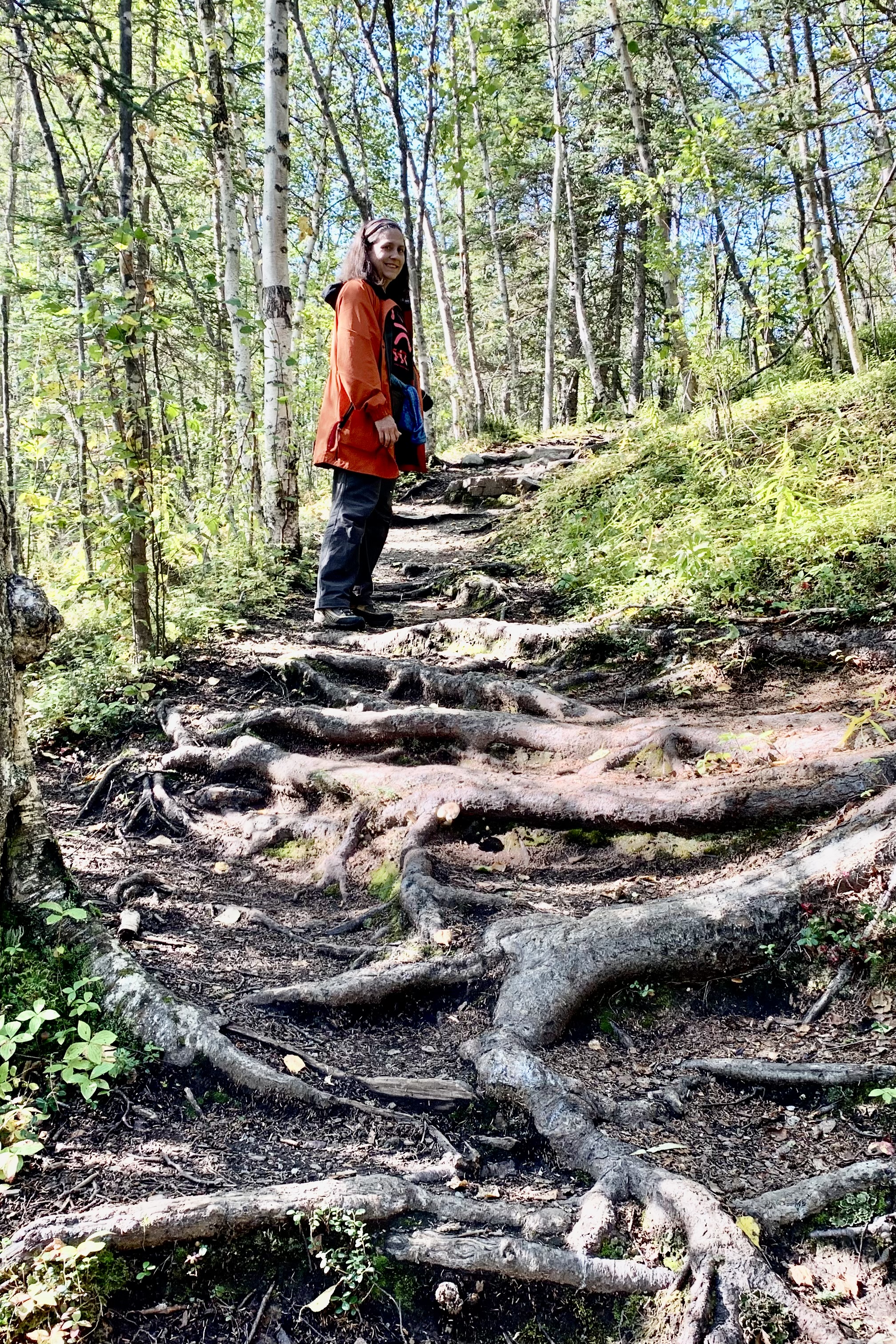
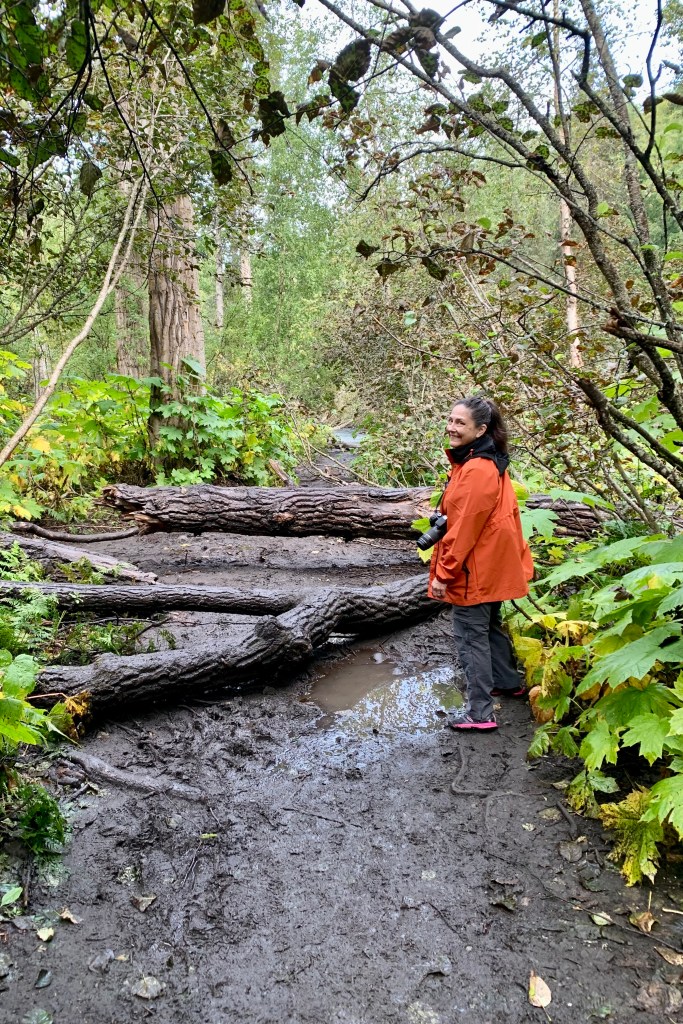
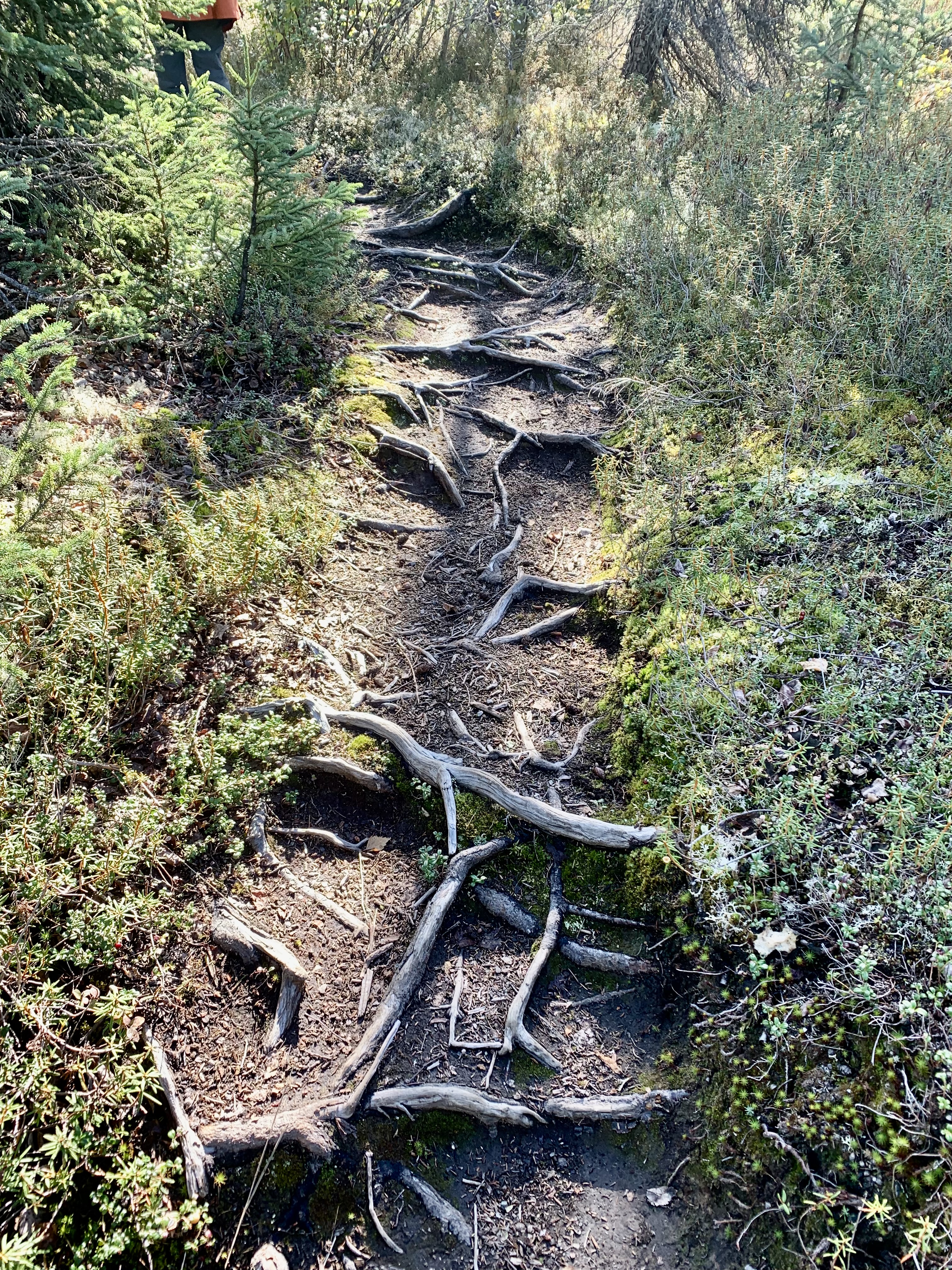
Tasia and I put into action our Plan B which was a visit to the National Park Headquarters and the loop hike to to Tanalian Falls. Naturally though I thought what an adventure it would be to hike the Tanalian Mountain Trail which is described as steep, strenuous and with wonderful views of the area. Fortunately it dawned on me that I have already had many times over the most wonderful views of the area from the floatplane and there was no need to batter my body with a challenging and possibly dangerous hike. So Tasia and I headed out the Beaver Pond Loop Trail on this beautiful sunny afternoon. As I have discovered, most forest trails I have encountered when hiking in Alaska this summer, are staircases of tripping roots, wet muddy bogs, and abounding with a rich variety of flora and fauna, and berries (good grizzly lunchables). It was a delightful to meander upward towards the falls but sadly there were no beaver or beaver dam sightings on this Beaver Loop Trail.
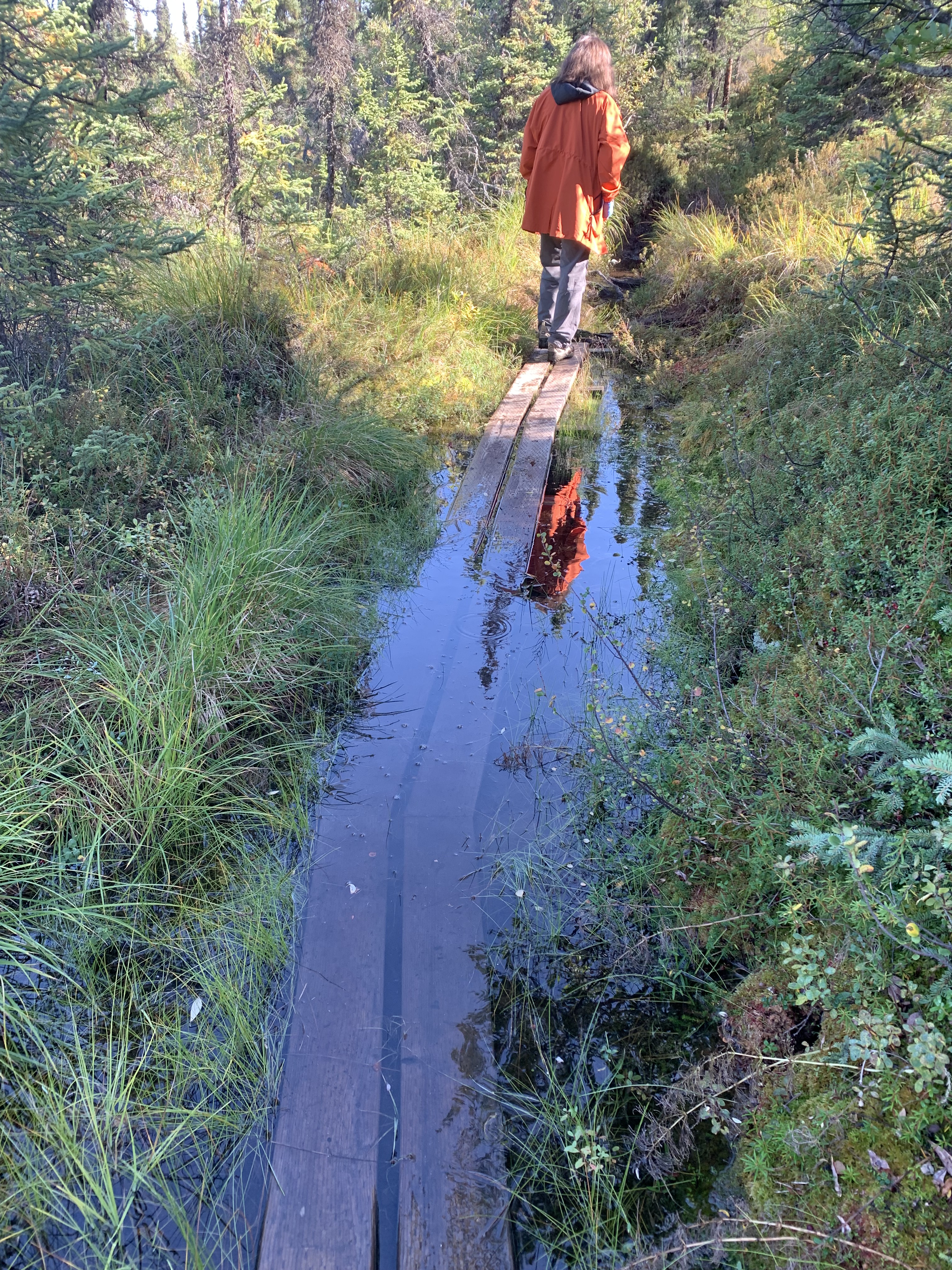
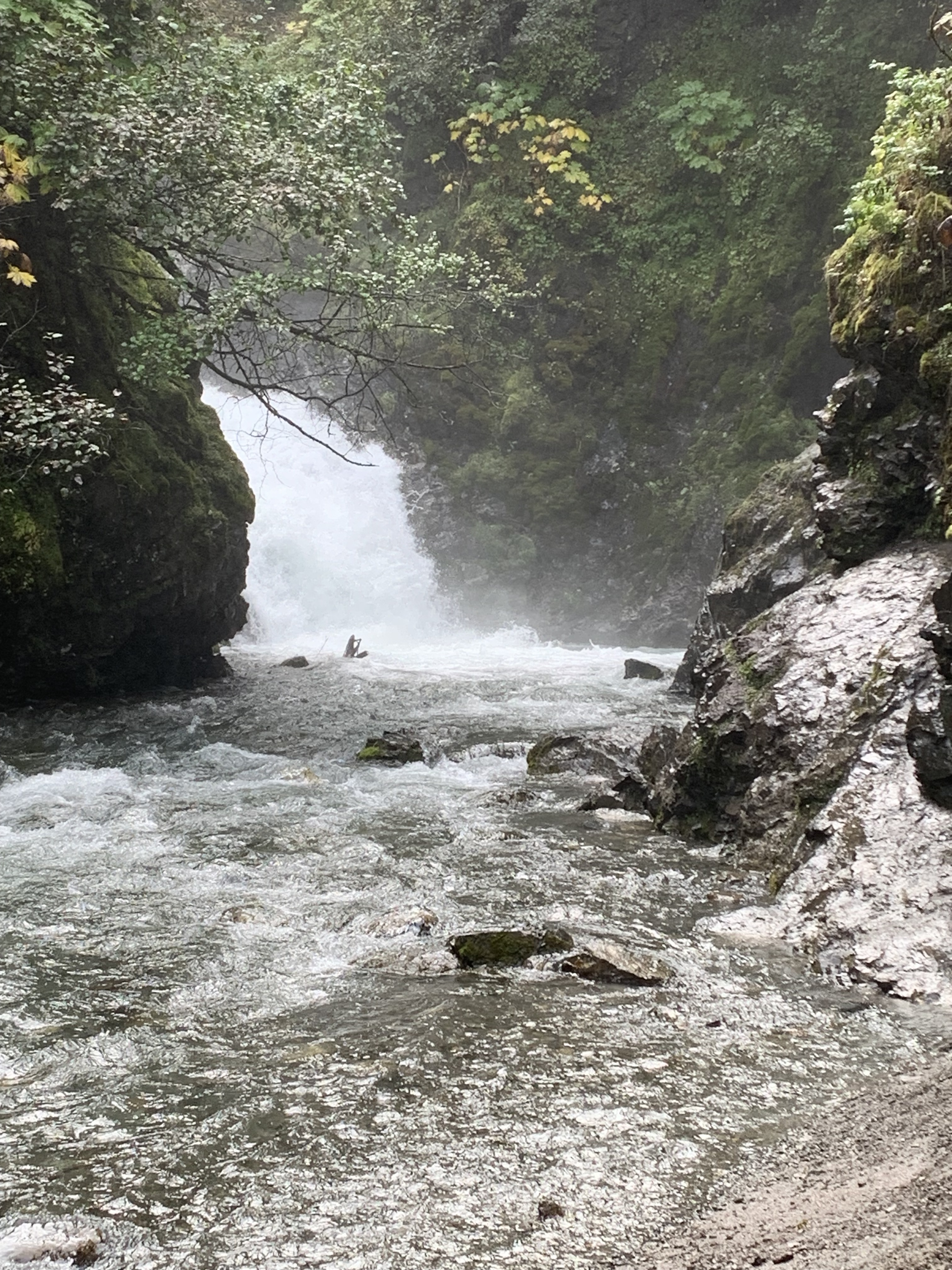
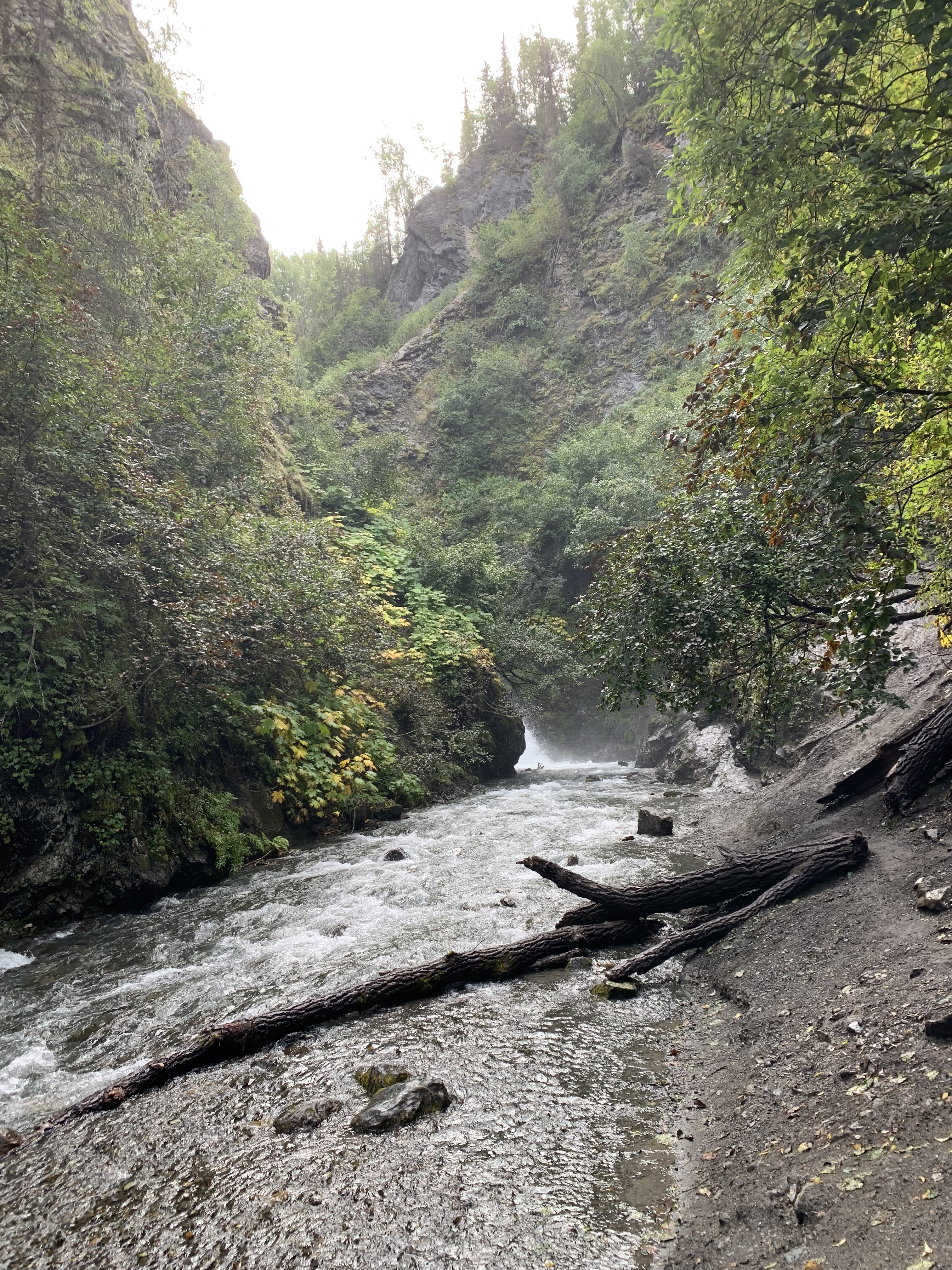
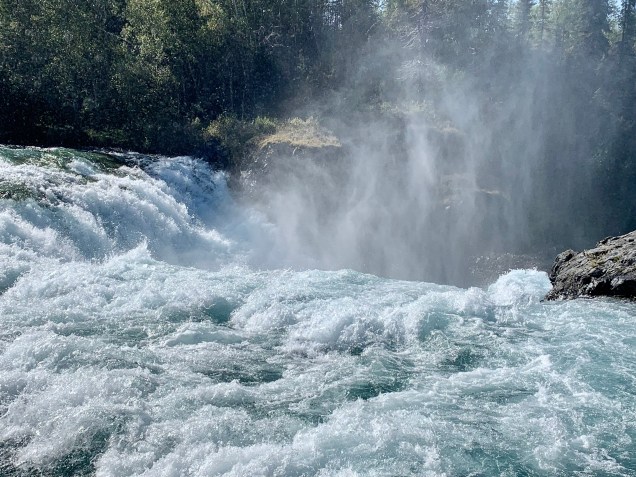
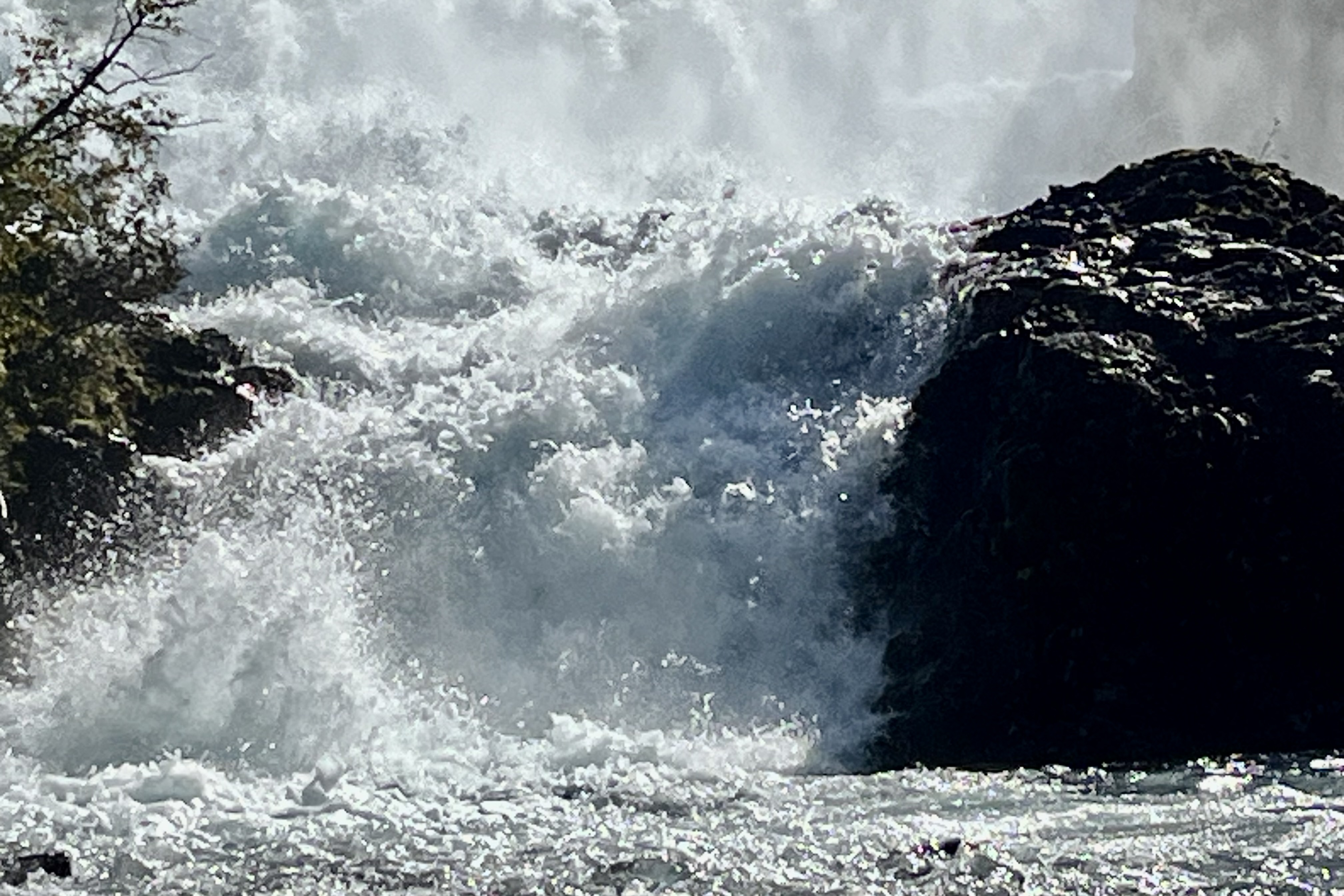
After about two miles of a mostly uphill trek we were finally able to hear the roar of the gushing water and see the mist in the air from the sheer force of the water tumbling down the escarpment. We followed the trail to the top of the falls and it was breathtaking to just stand there and experience the grandeur and power of this cascade of water.
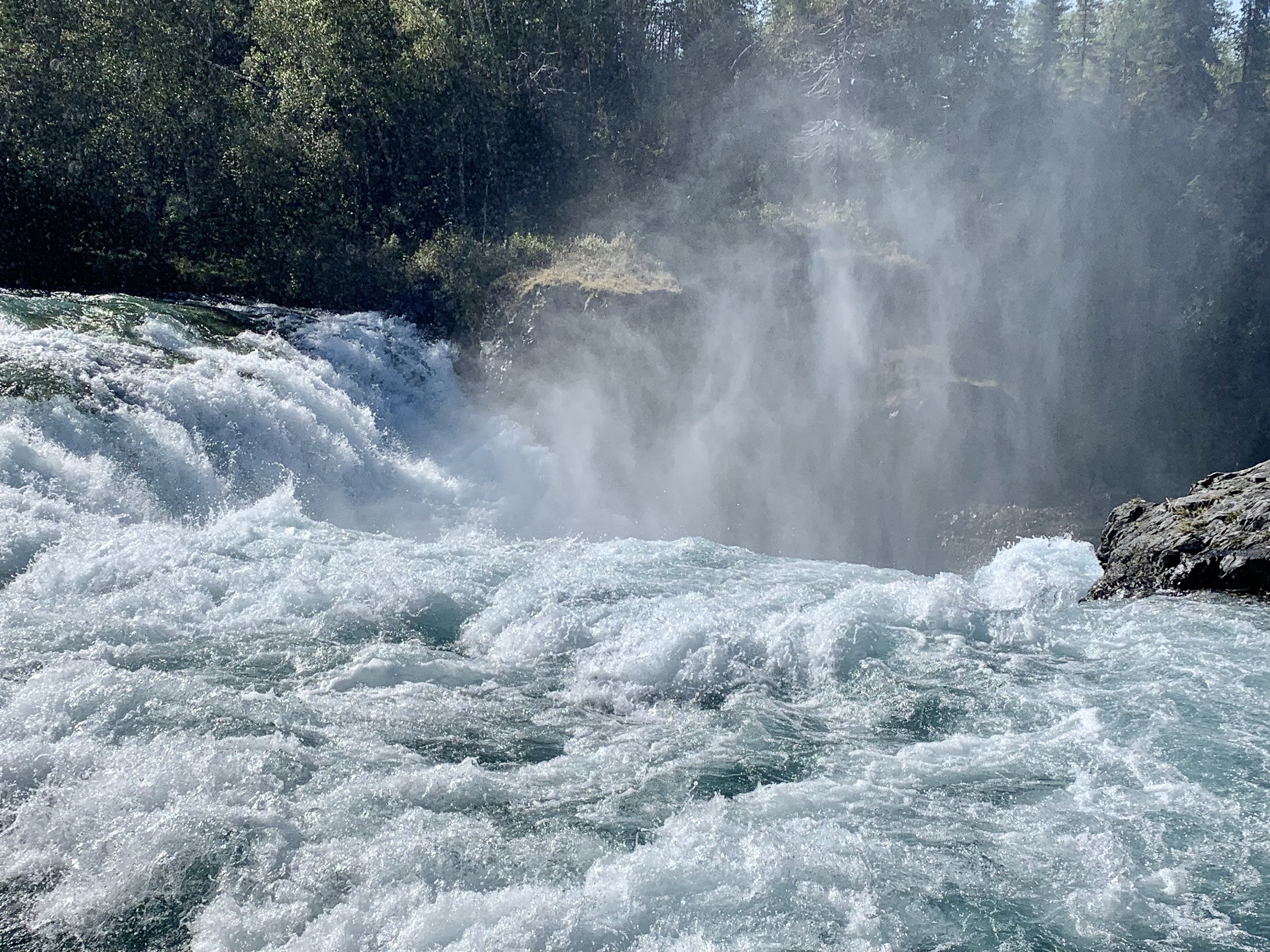
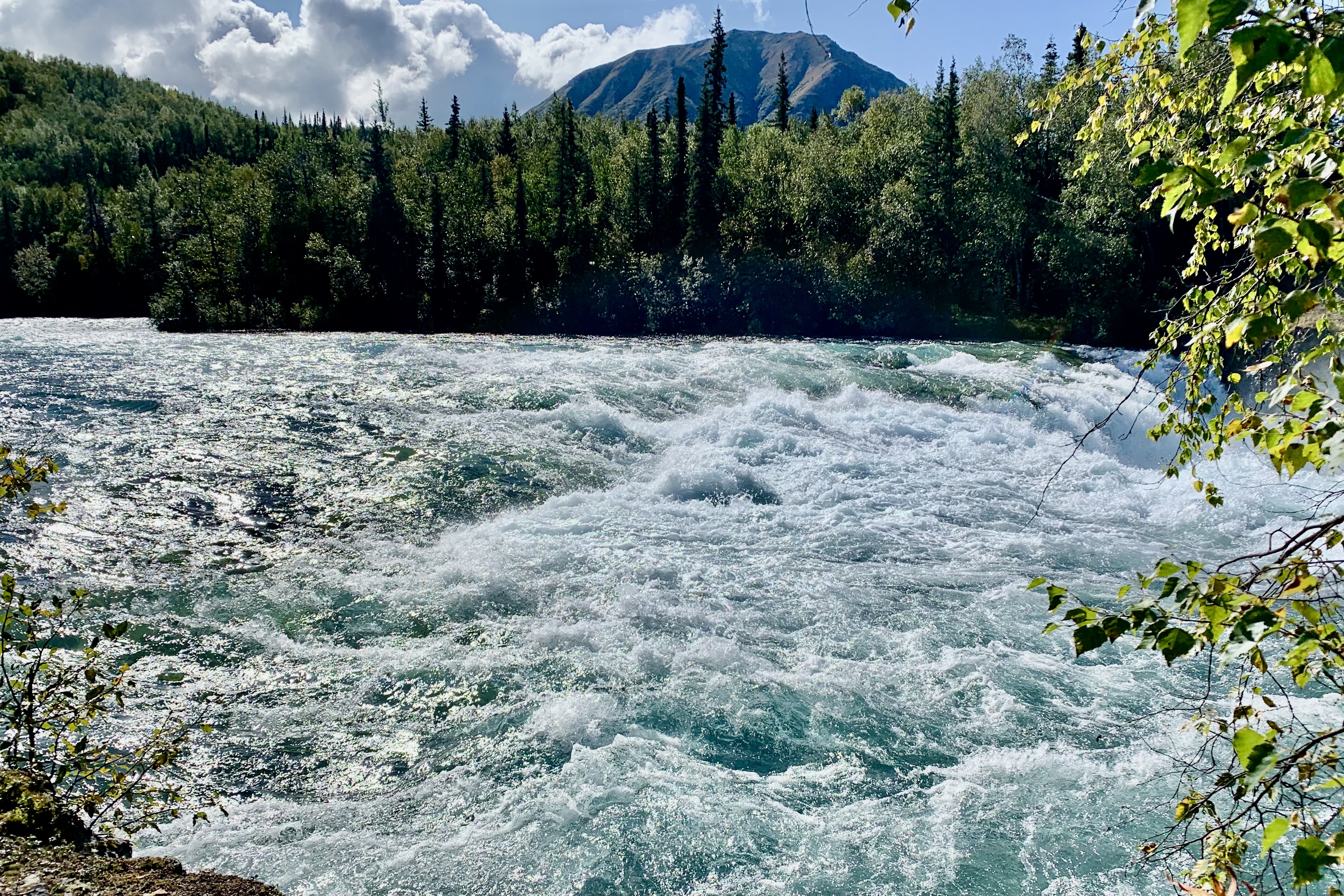
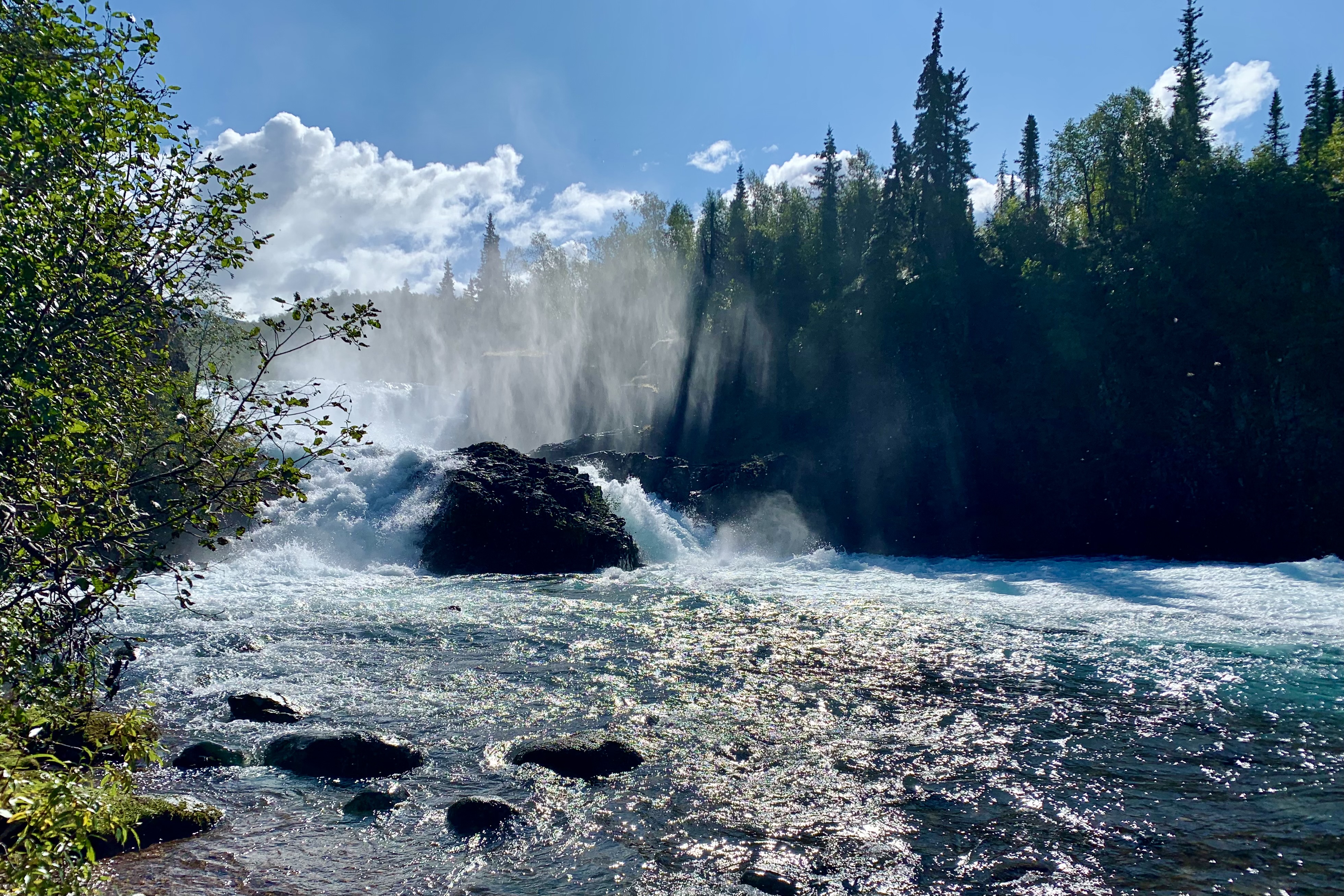
After soaking up the wonderful energy at “top-o-the-falls” we followed the trail back and headed to the bottom of the falls to experience this unbridled power as the water roared into the Tanalian River before we headed back to the forest tail.
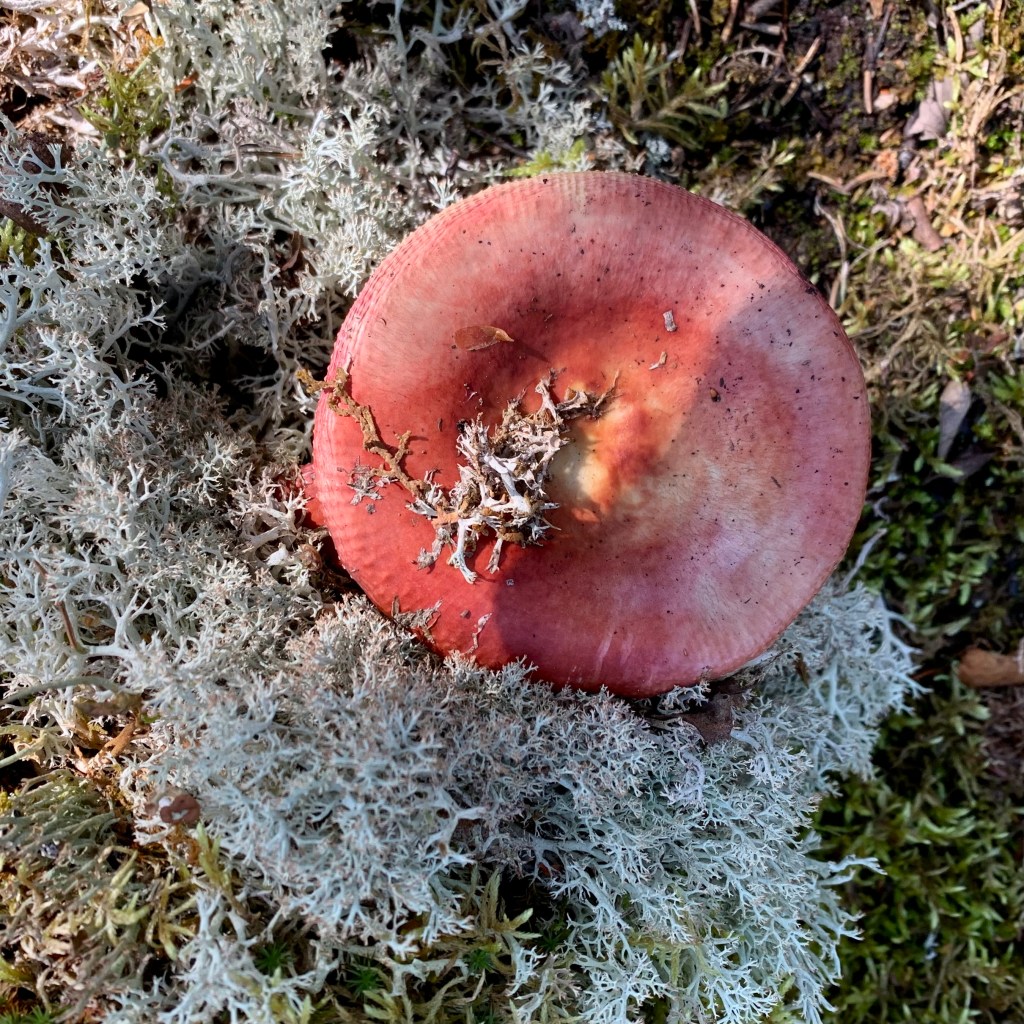
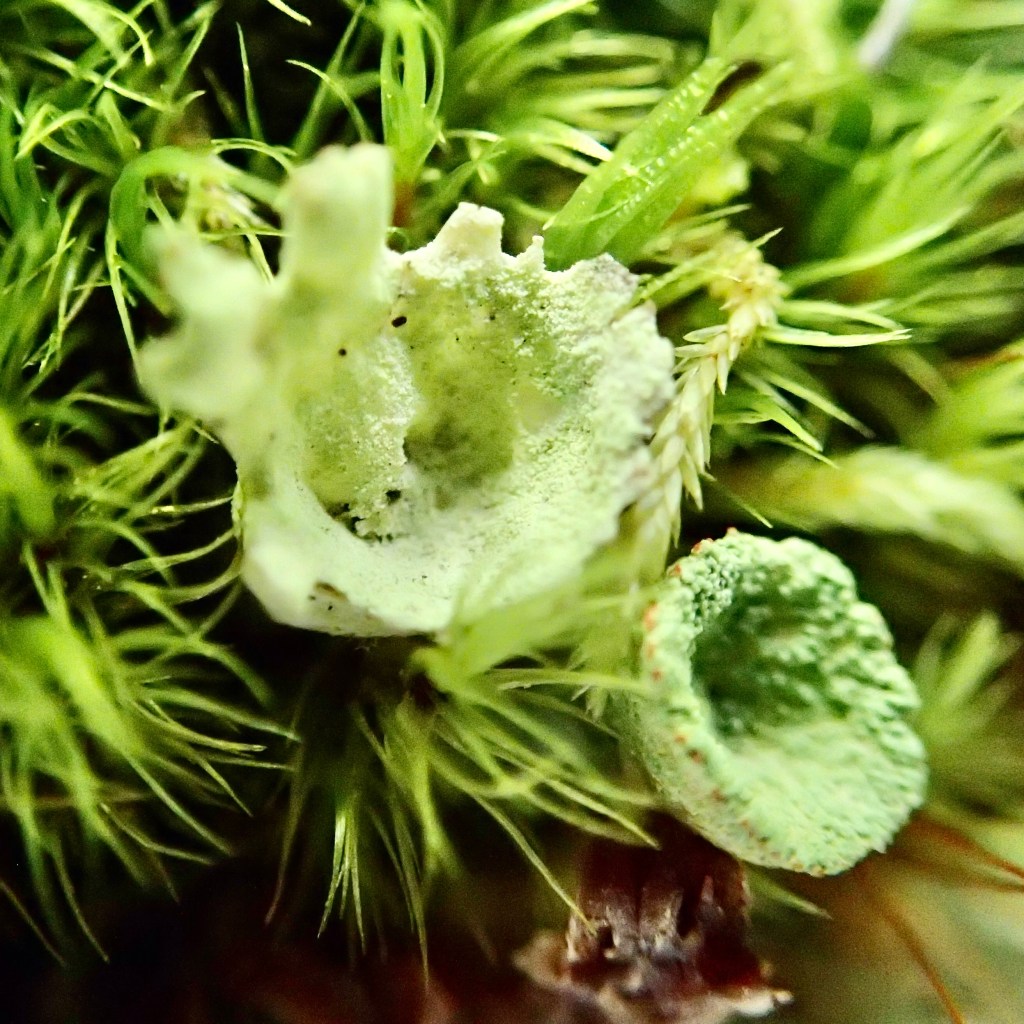
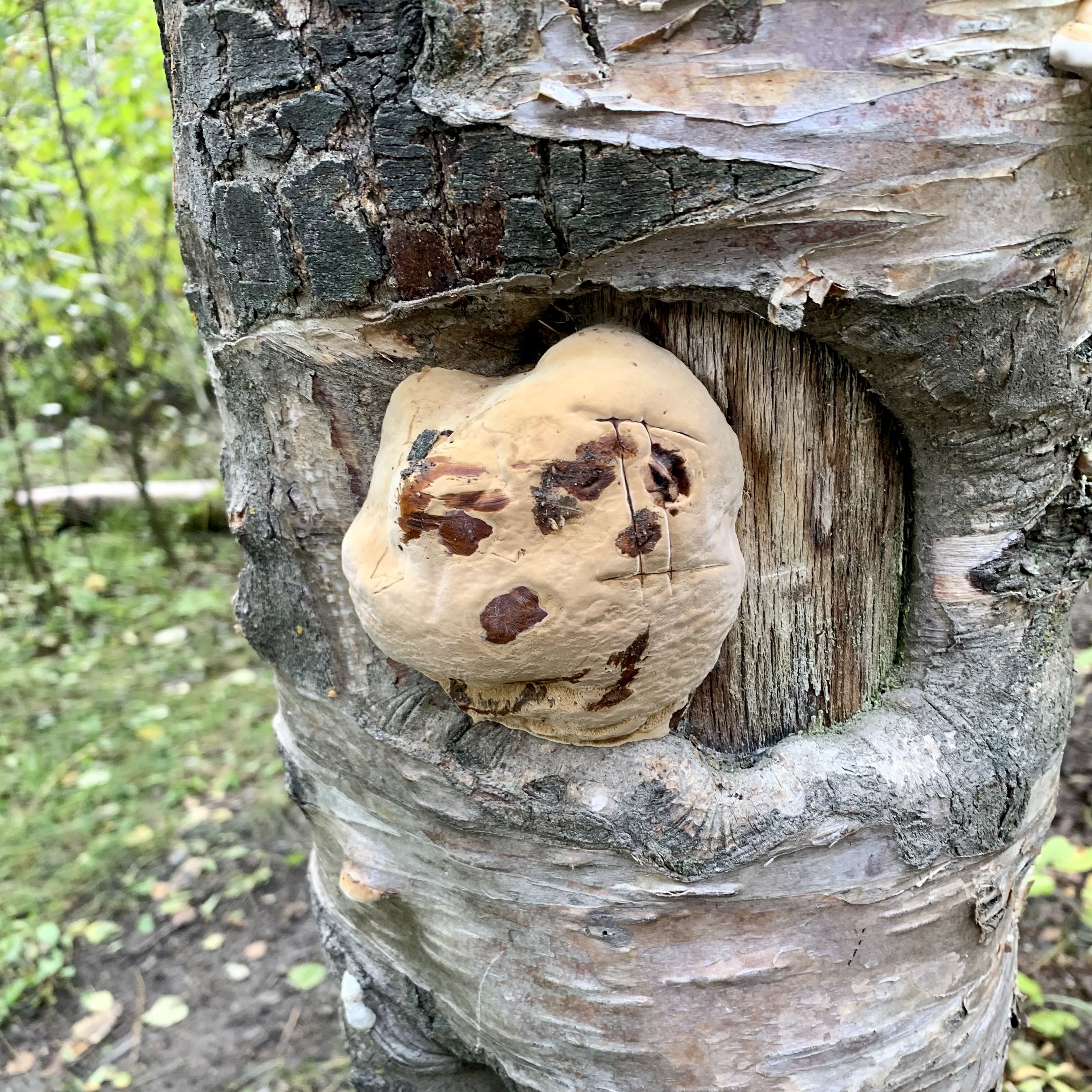
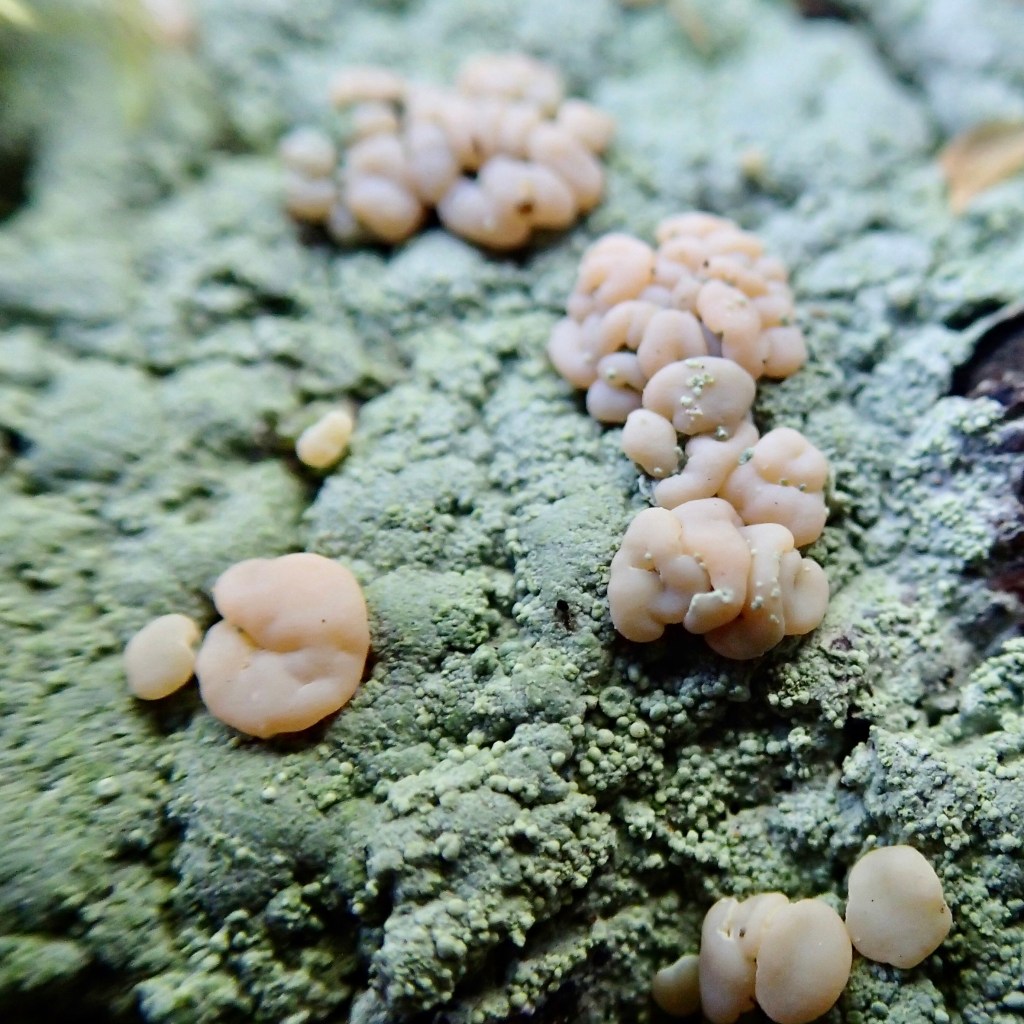
The return trail wandered through this forest thick with a diverse array of fungi which were just begging Tasia to cast her artist’s eye to memorialize them in our travel blog.
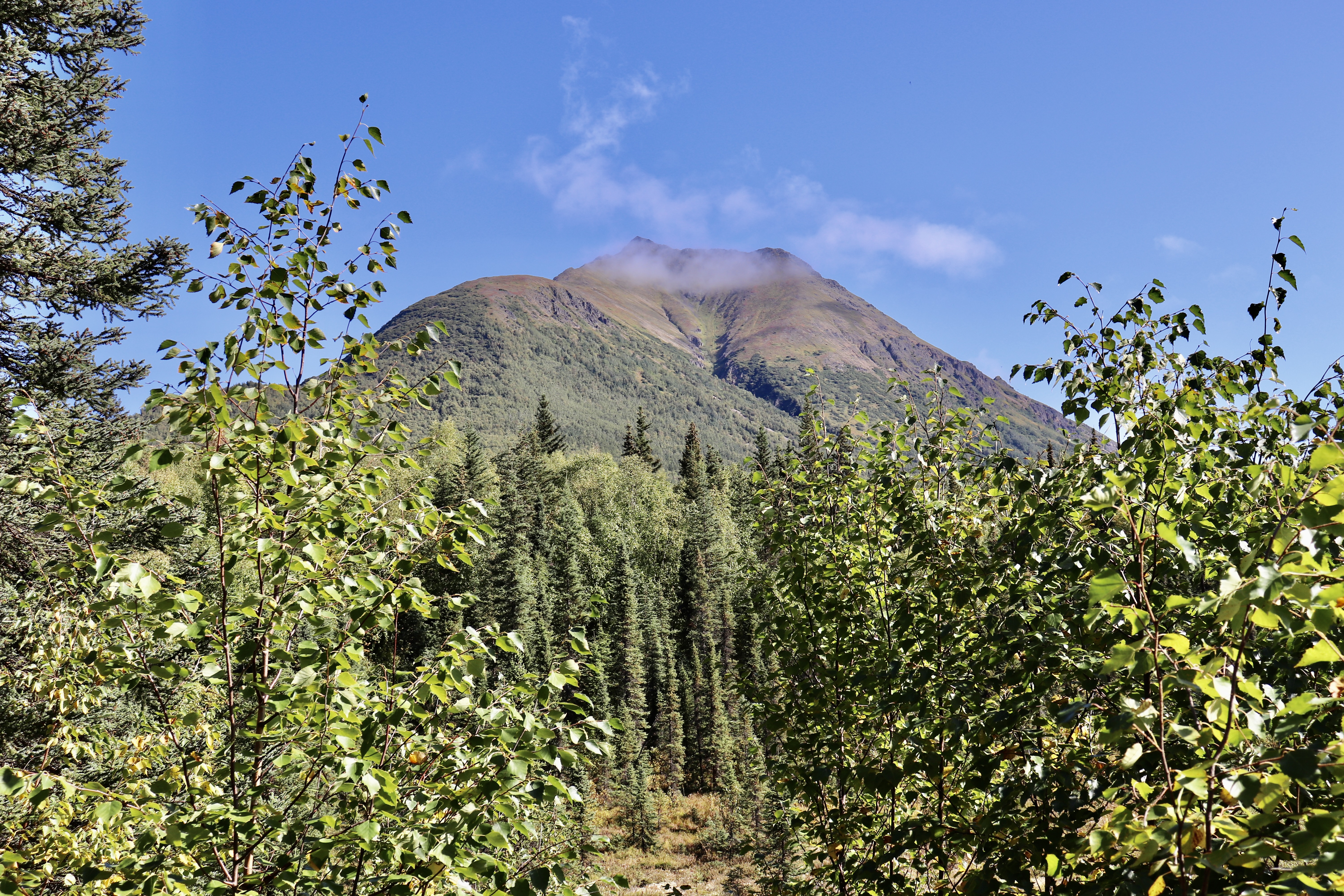
This trail, the Falls and Lake Trail, offered a more diverse landscape with views of the Tanalian River, tranquil ponds, Tanalian Mountain, and a panoramic view of our lodge in the distance.
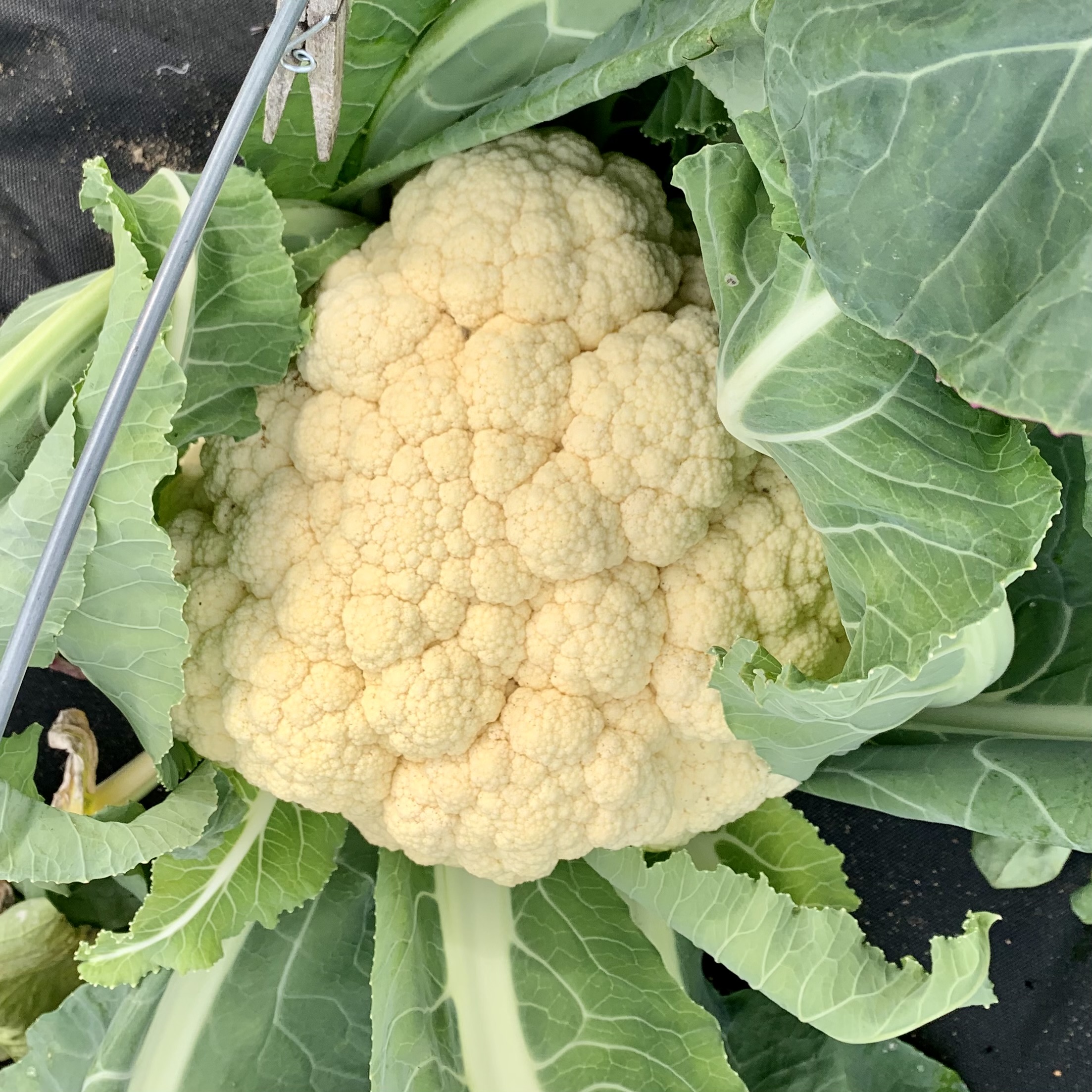
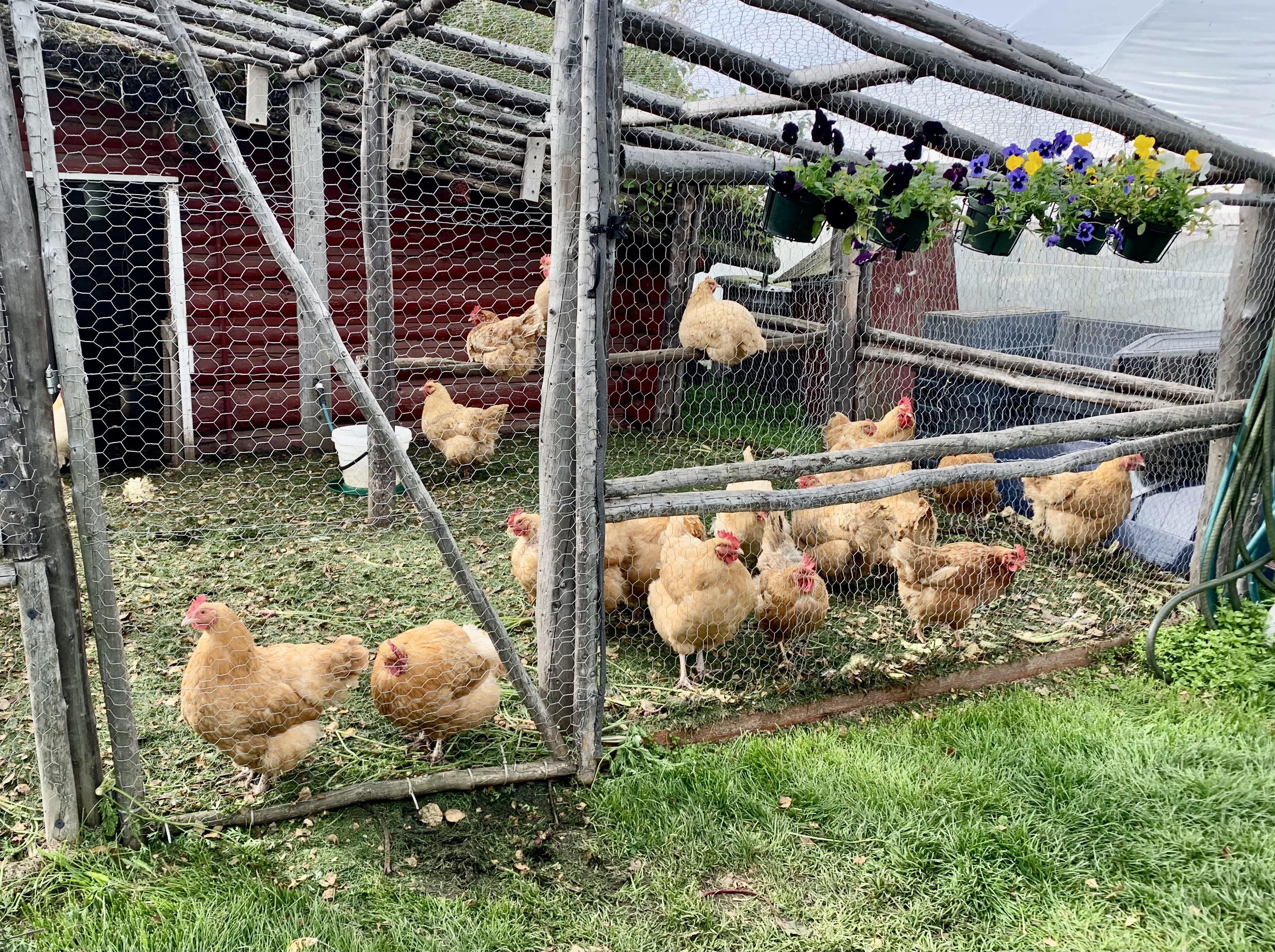
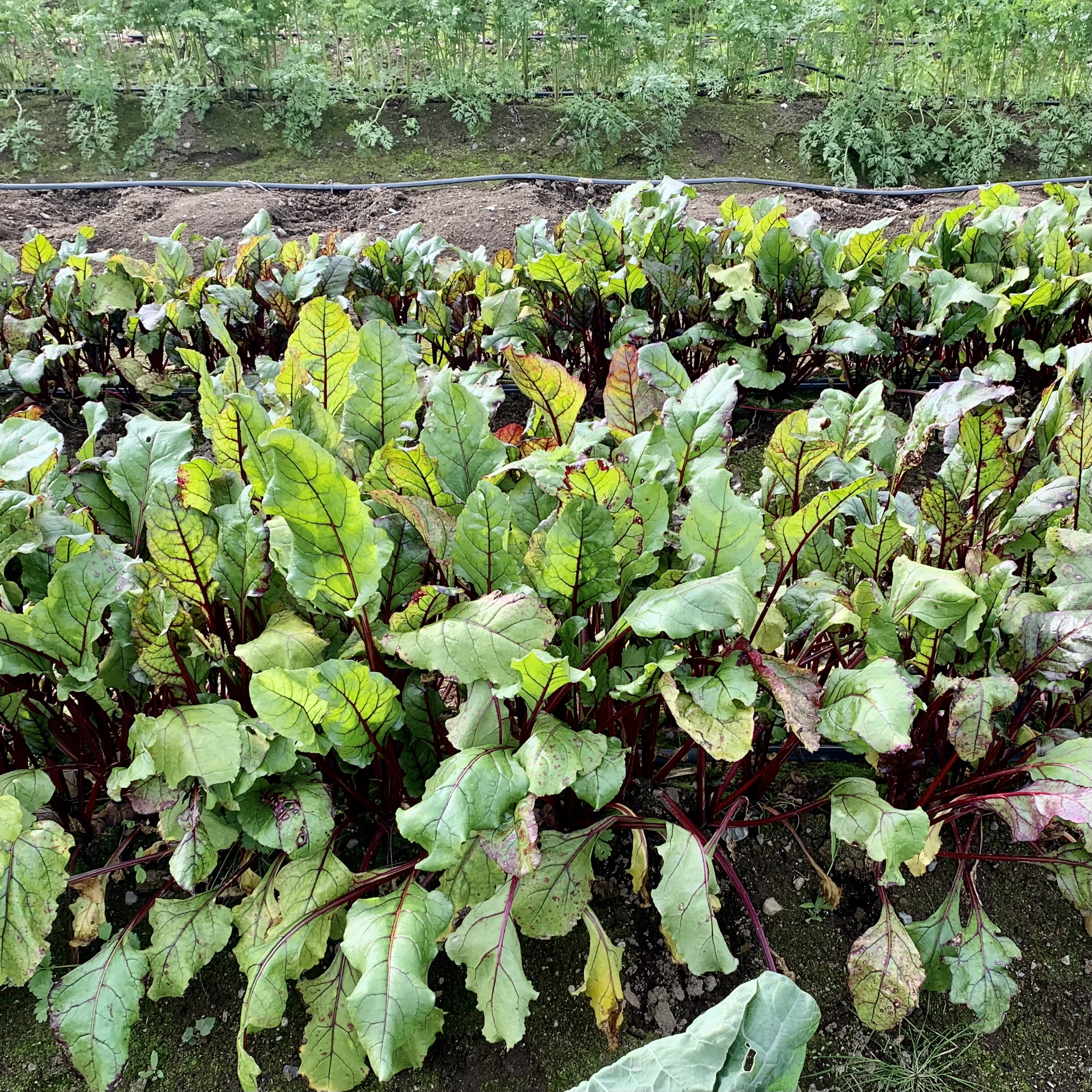
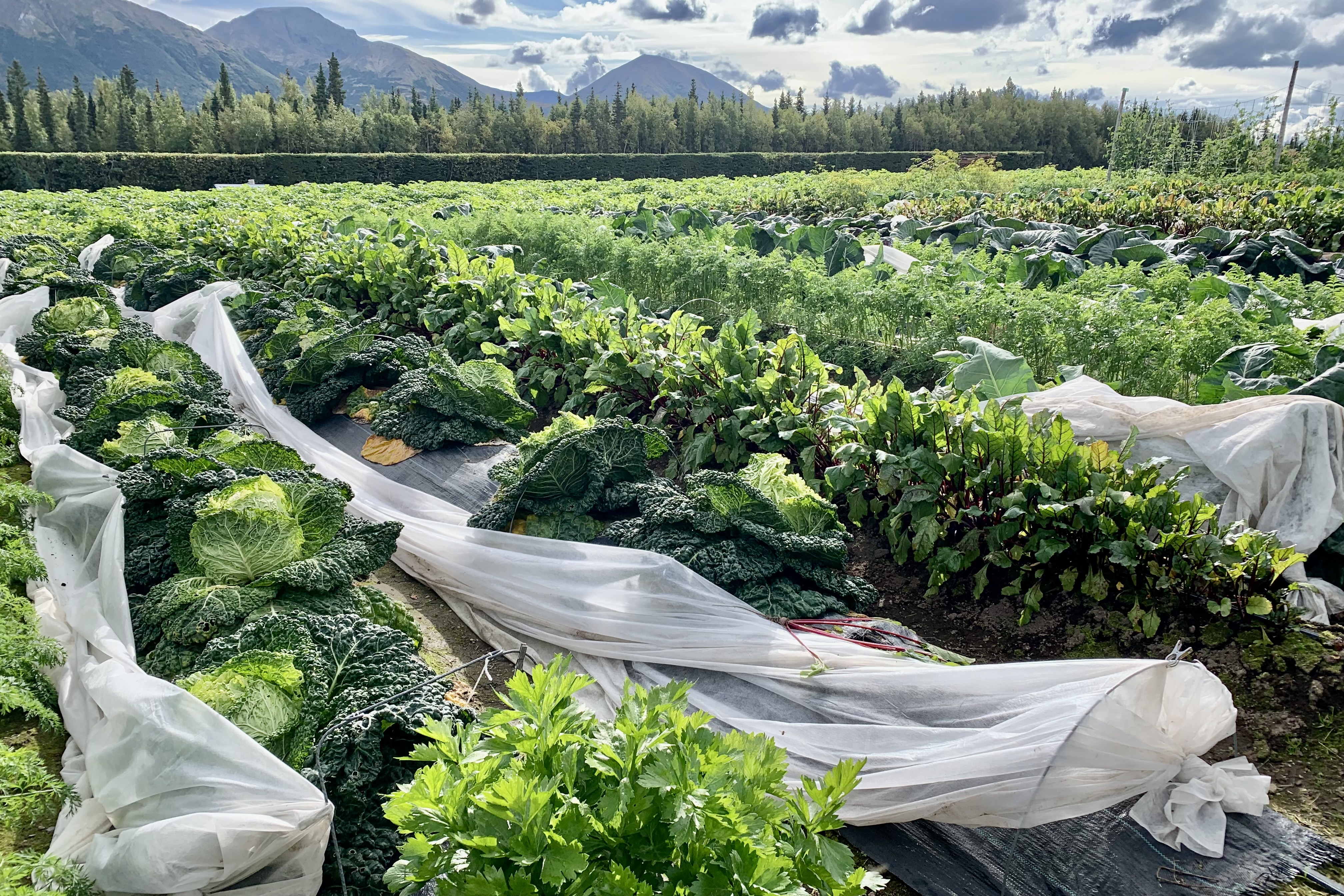
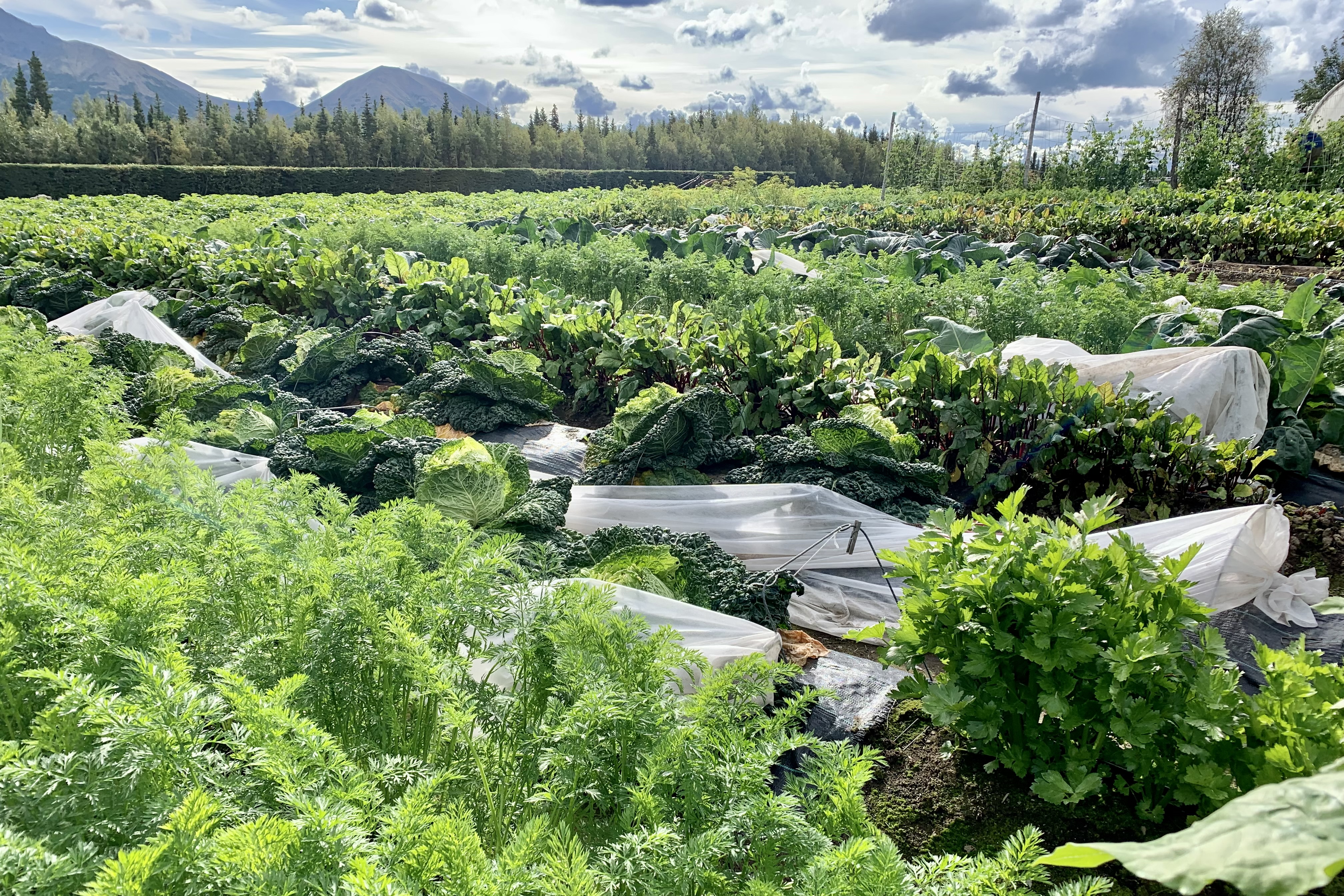
Once back at Lake Clark Farm Lodge, I decided a tour through the “farm” area was in order as I hadn’t yet taken the time to explore this “working farm” with it’s vegetable garden. From a distance it appeared quite impressive. We had been enjoying wonderful salads and fresh vegetable at every dinner from the garden . The vegetables in the garden were a la Alaska style. Alaska typically has a very short summer growing season, only 105 days, on average. Despite this short summer growing season, Alaska farmers have the advantage of the midnight sun enjoying as much as 20 hours a day of sunlight during the summer months. The vegetables love it but without blackout curtains sleeping in the midnight sun for a human can be challenging. The extra hours of sunlight allows Alaskan crops to just bask in the sun and keep growing and growing because of a longer photosynthesis window each day, resulting in bigger sweeter produce. There were hardier crops such as potatoes, cabbage, kale and cauliflower in large plots outside and the less hardy in in the green houses. Every evening I watched the gardeners covering rows and rows of some of the plants but not all. I came to find out that, what I assumed was an attempt to protect them from the colder night air or possibly insects, was to actually keep the moose from having an evening feast or big old garden party. Additionally there were fresh egg options at breakfast from the resident chickens in the hen dominated coop though there was one strutting rooster maintaining order and establishing the pecking order .

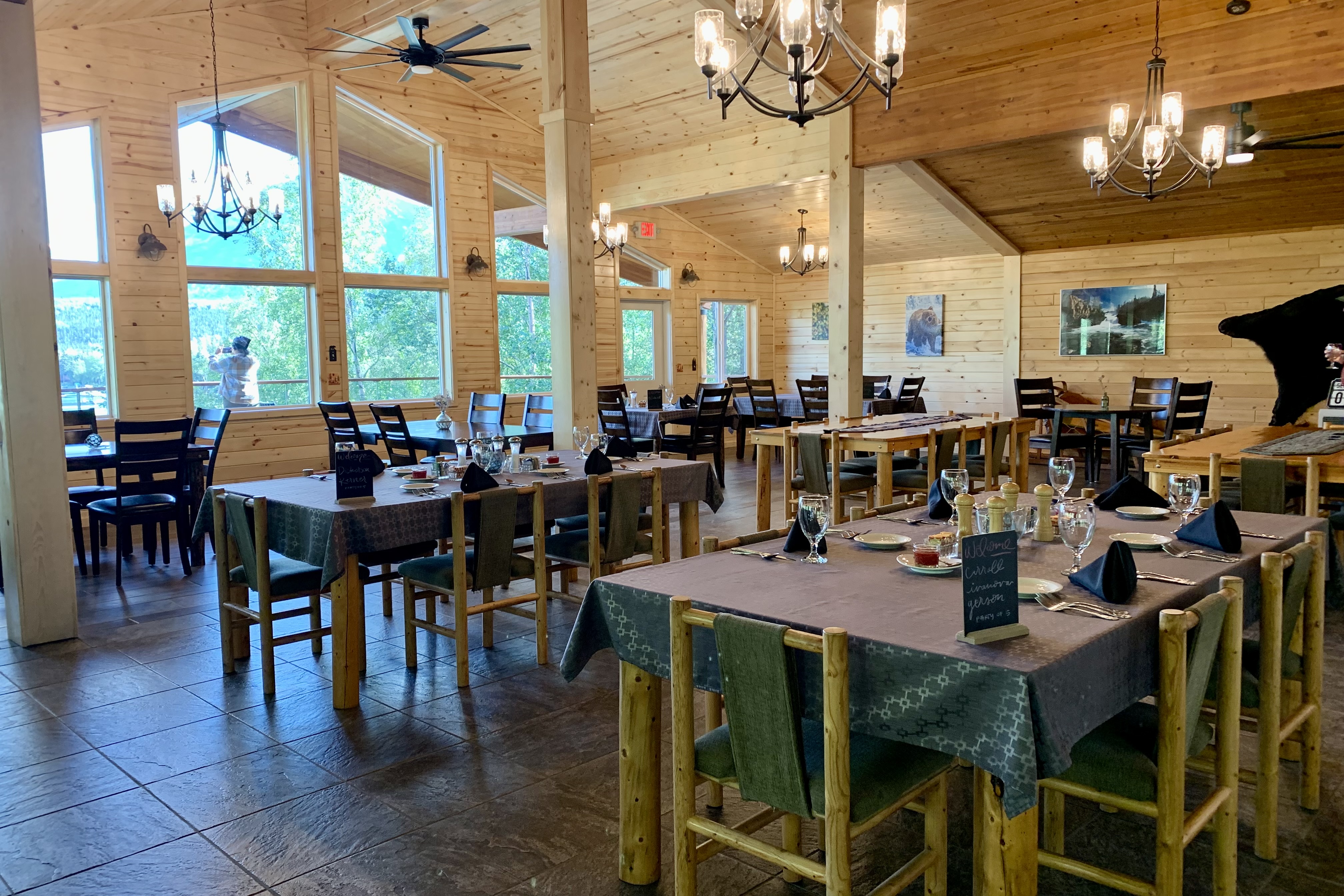
Soon it was time for our evening meal. Home cooked meals at the Farm Lodge were served in the main lodge family style at a an appointed time daily and were excellent.. The family cooks prepared exceptional breakfasts and dinners and very tasty sack lunches to go. I thought the food was truly gourmet and I marveled at how they could have a 5 star dinner in such a remote area! Portions were huge and our dinner meals included fresh baked breads, farm-to-table fresh vegetables, homemade deserts along with the overly generous entrees. We order our breakfast and lunches from a multiple option menu at dinner. When I first learned that seating would be family style at large tables of 8 and we should look for our place cards, I was a bit off-put. I really prefer not to be “told” who I have to socialize with. But I soon mellowed to the process at is did allow for interesting conversations with other guests. And there was a lot of commonality amongst this group that would opt for this type of trip.
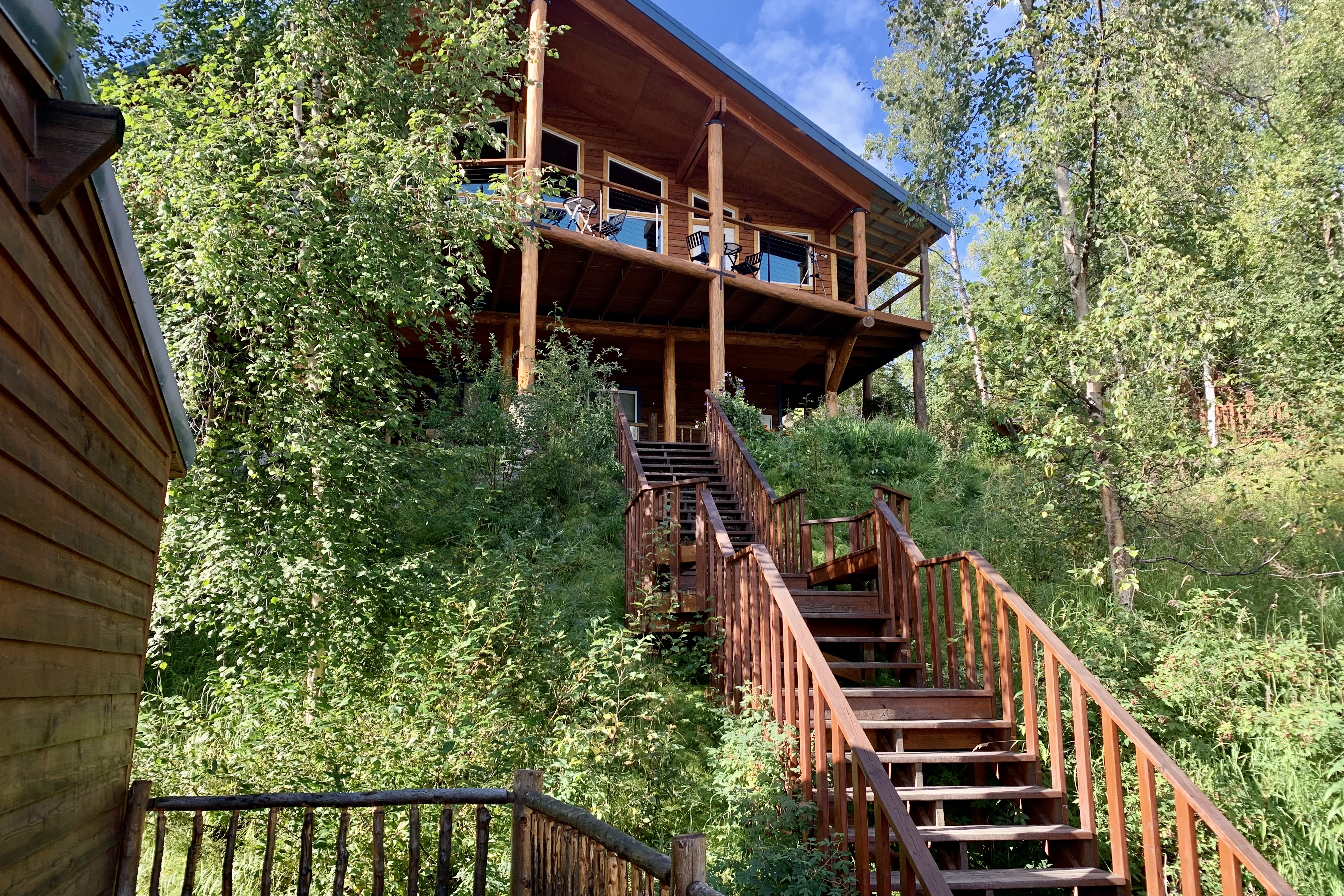
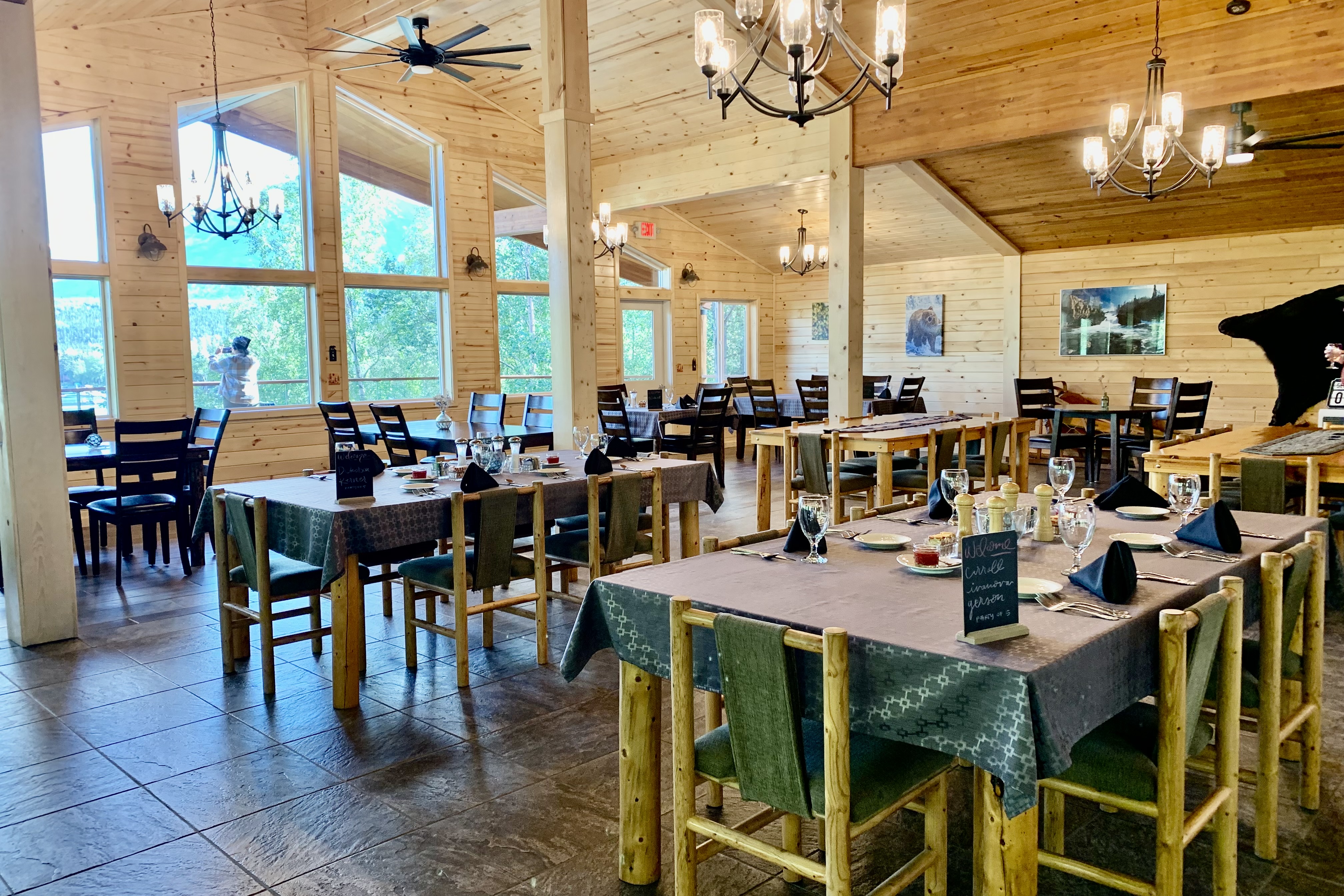
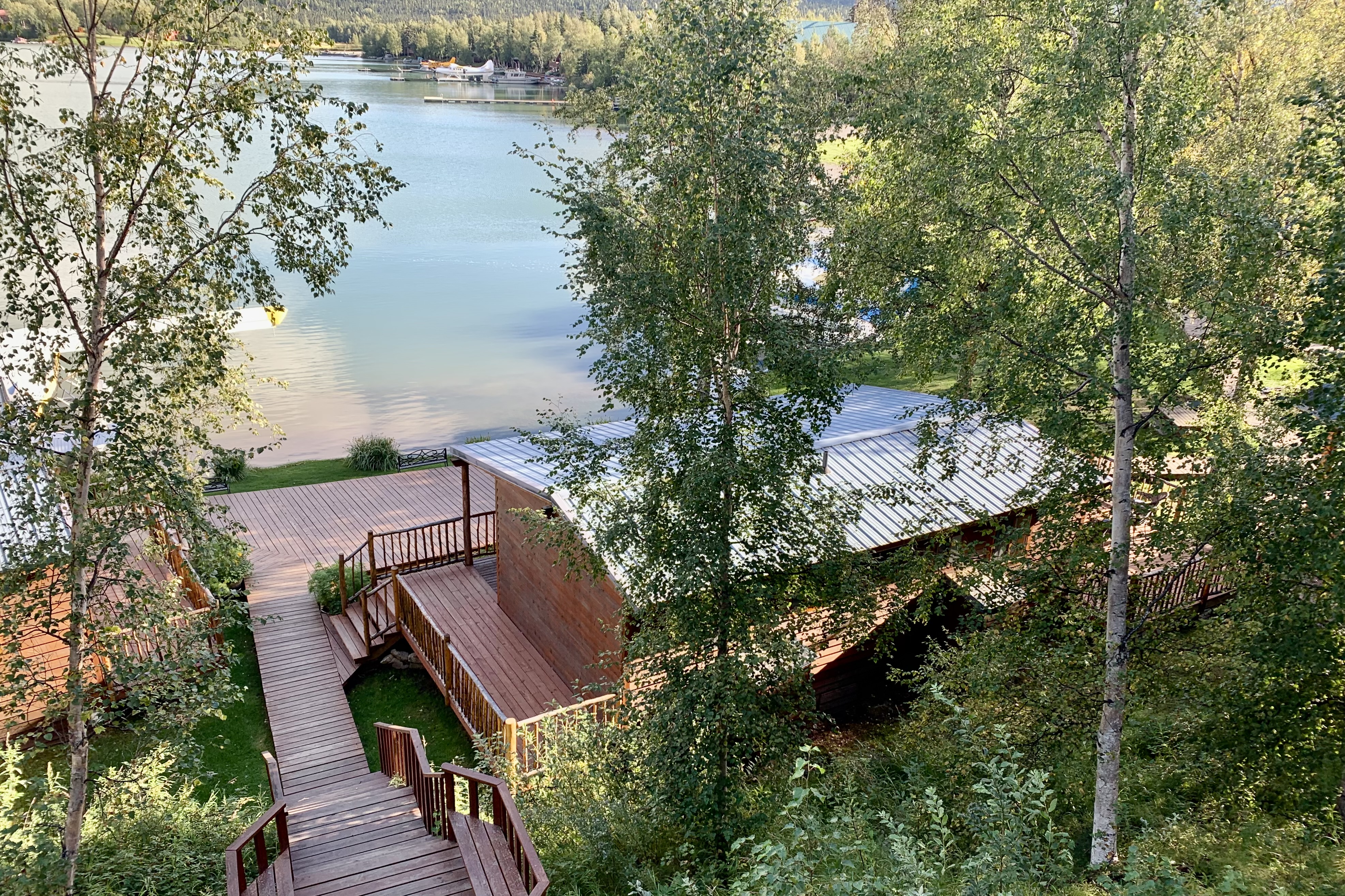
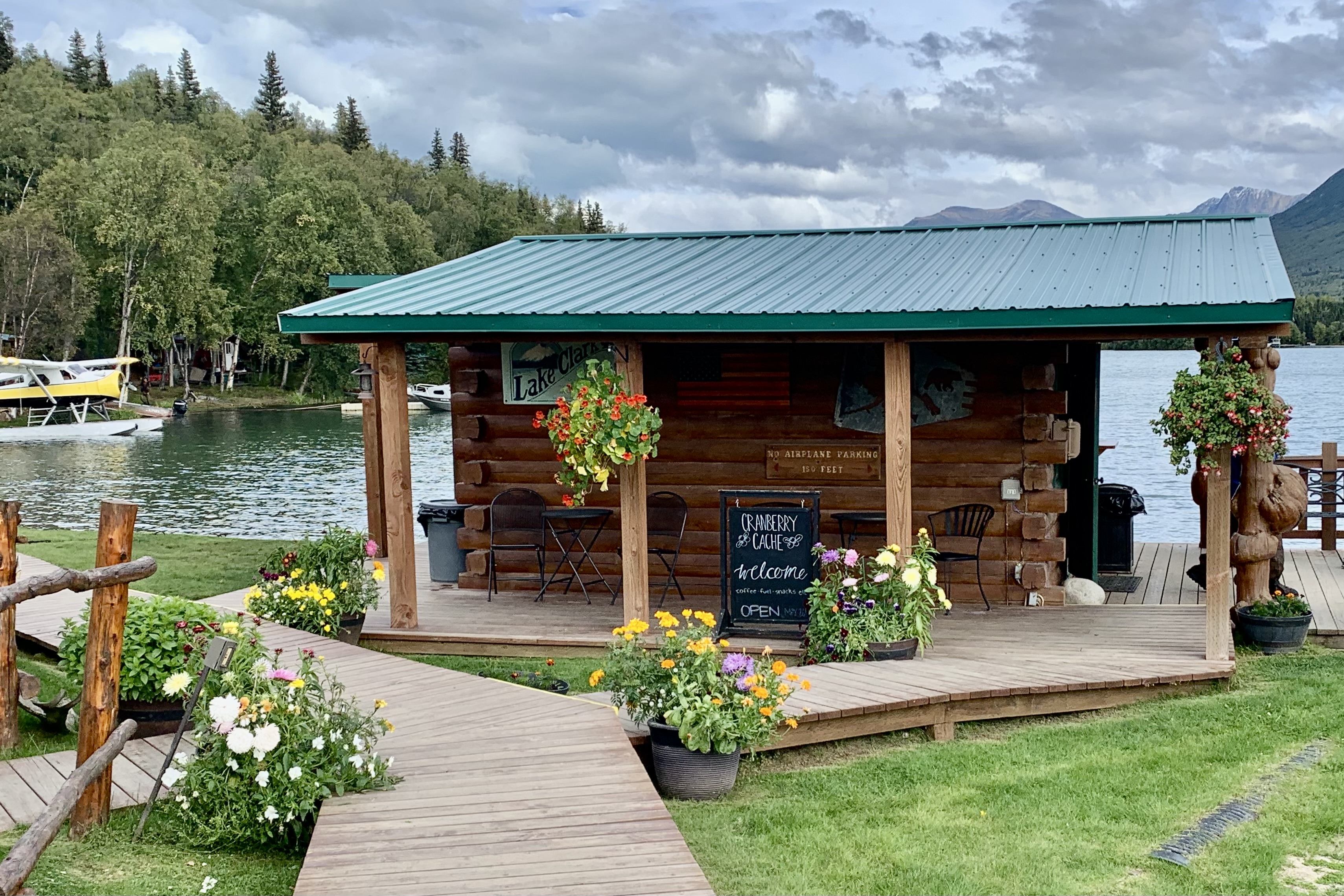
The accommodations were relatively modern for Alaska Our guest cabins was heated (definitely a necessity at this time of year), had a private bathrooms with running water. (yes this is important to note when booking a cabin in Alaska), a covered porche for relaxing, AND was on the waterfront.

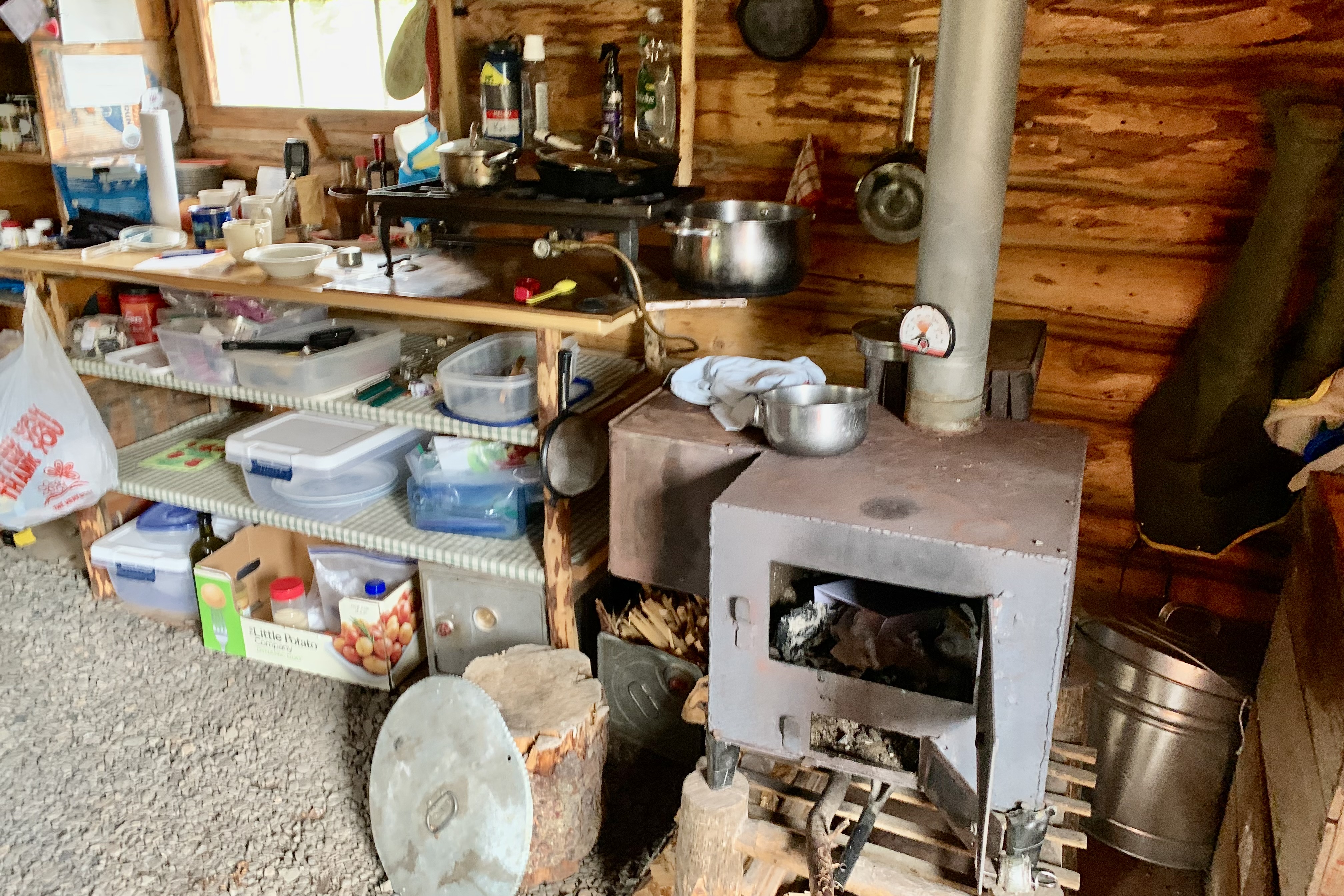
For our final full day we hopped back into our float plane to try again a landing at the Upper Twin Lakes and the opportunity to visit Richard Proenneke’s wilderness cabin. There had been a dusting of snow on the mountains we flew over that were not snowcapped the day before, reminding me that winter was fast approaching in Alaska. I was pleased to have finished reading One Man’s Wilderness the previous evening and was so grateful to have read it as it really gave me a glimpse of this arduous enterprise that he had undertaken and what was involved in building this very rustic home. The entire structure was built purely with materials on hand: gravel retrieved from the lake bed, felled and hand worked timbers, and stones dug from around the site for use in his chimney and hearth.
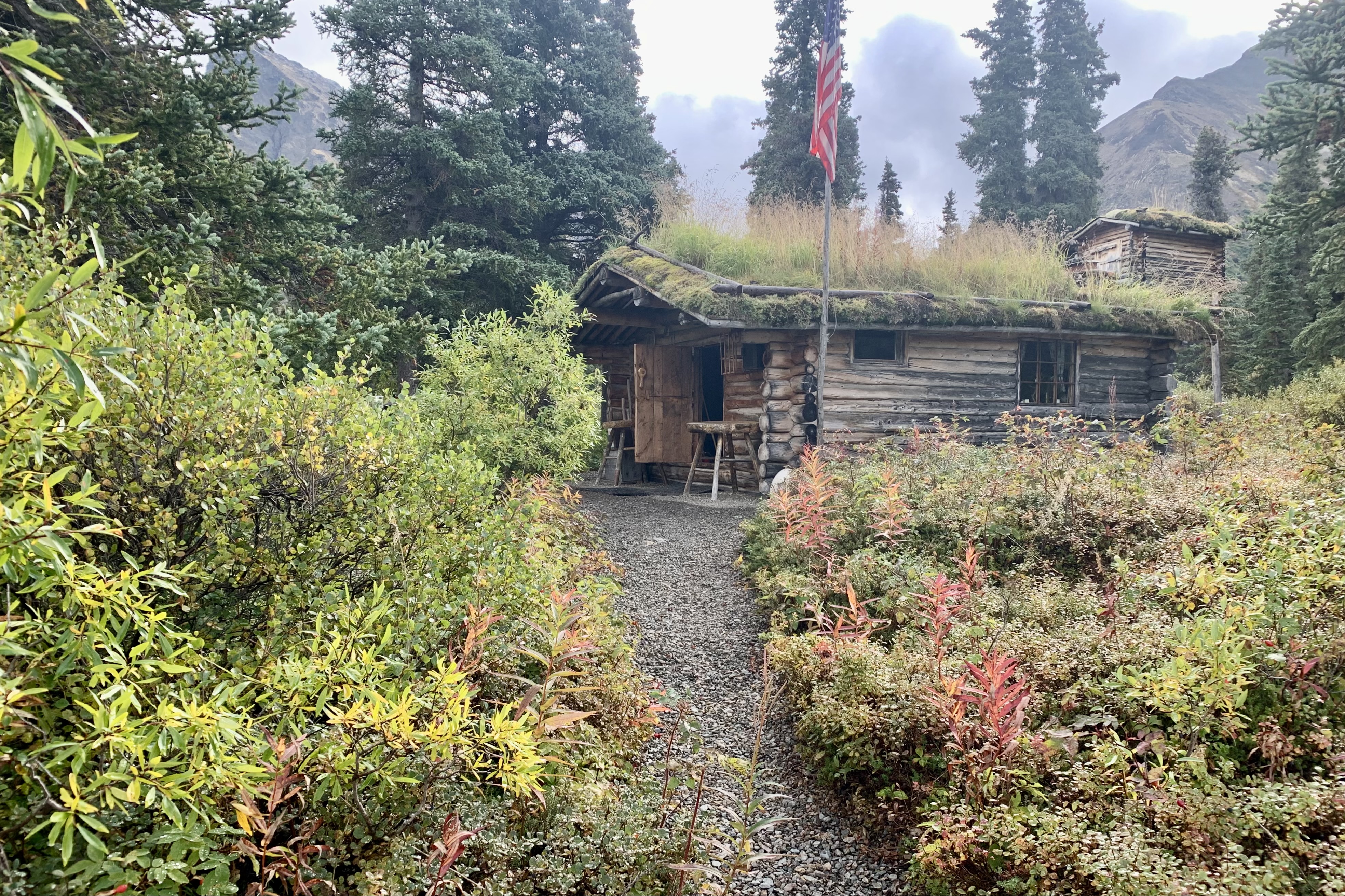
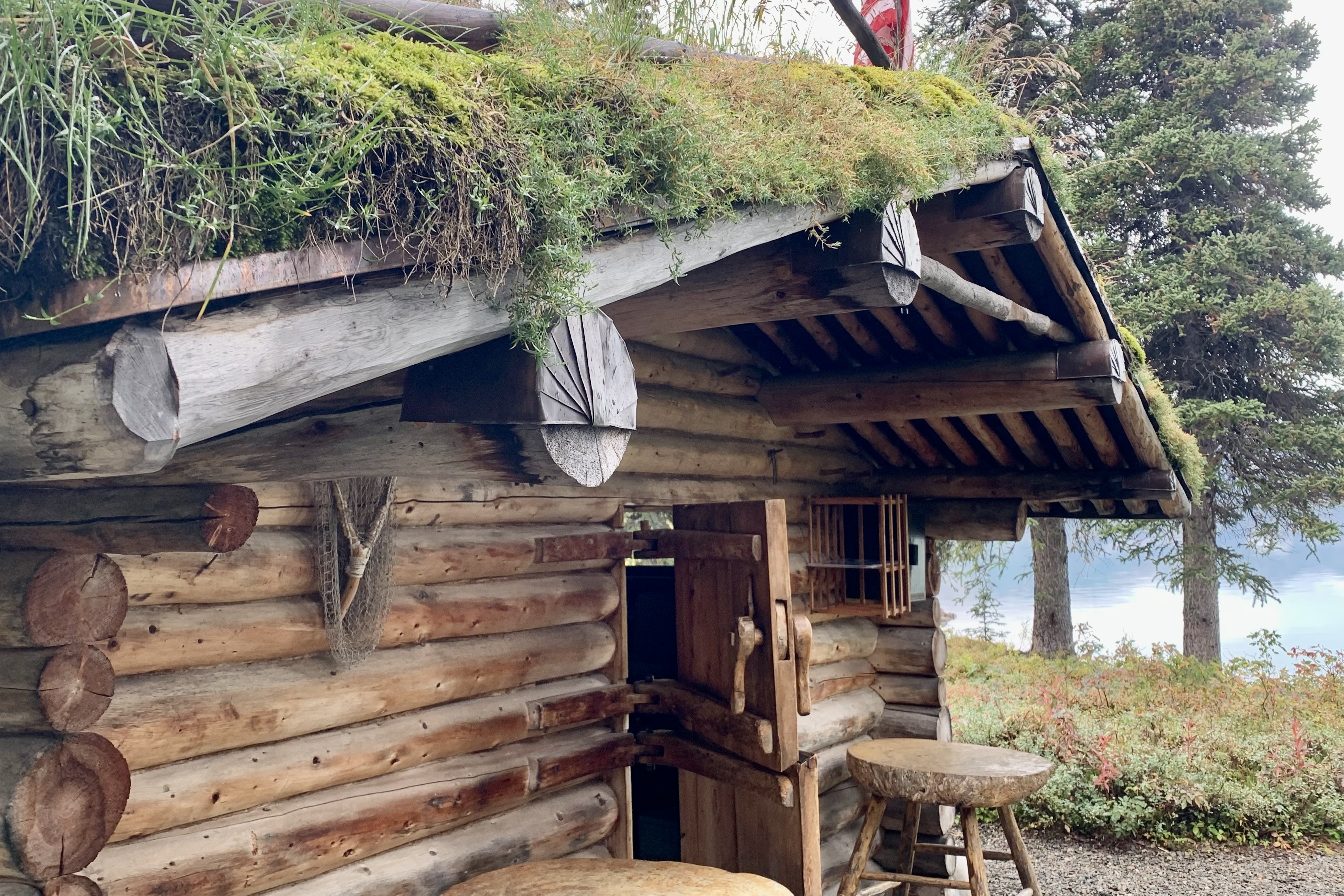
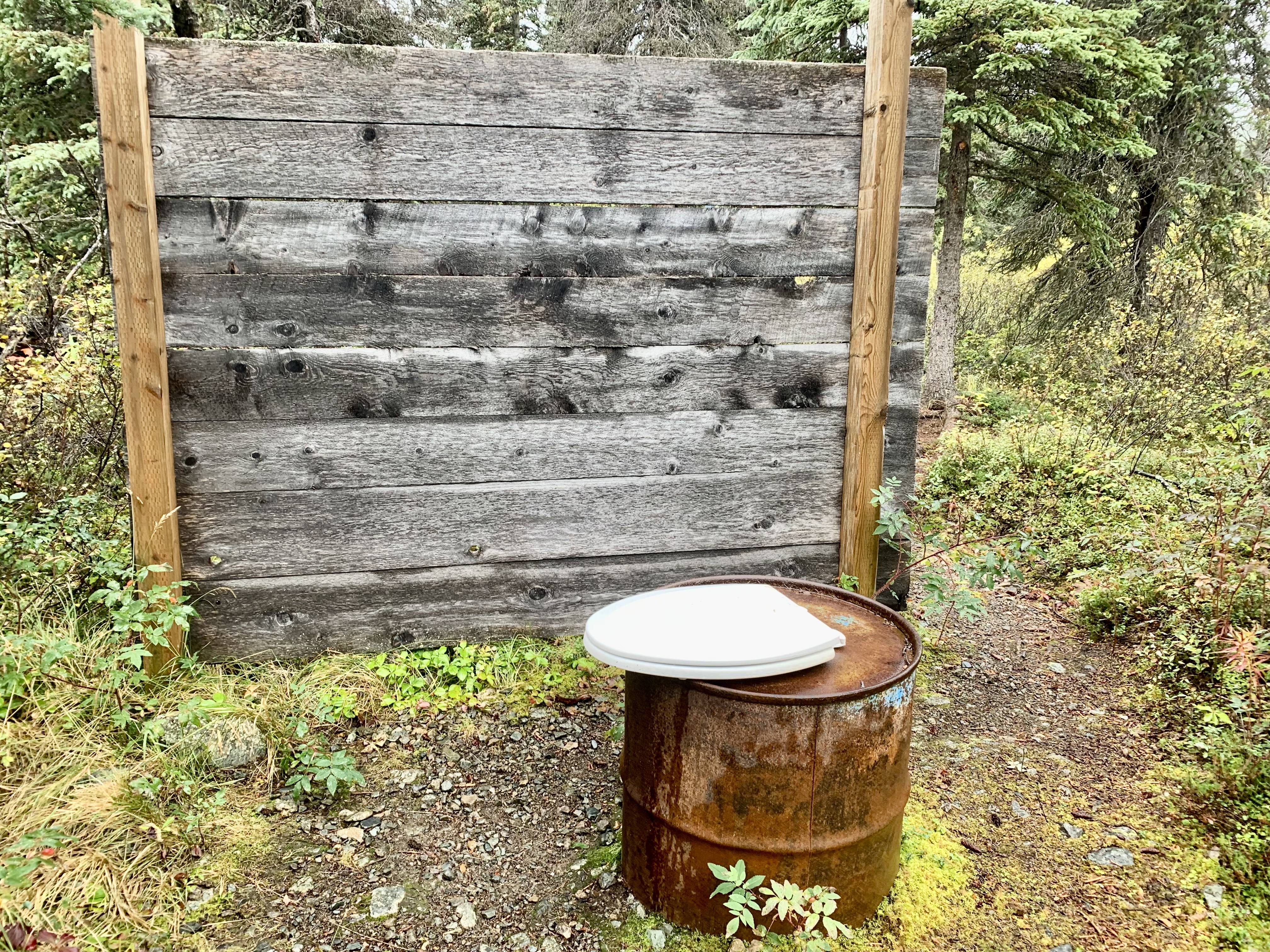
Visits are guided through the cabin and grounds by two National Park Service summer volunteers who live on the property. What I hadn’t thought about then was how tough these two women had to be to live in this remote wilderness area, out there with the bears, with few trips back to the civilization of Port Ellsworth during their stint. Now if I were ever to consider volunteering at a National Park this would be one of my first choices. I have no interest in living in a campground in a park in a monster RV with its satellite dish and every convenience of home. Here the volunteers are provided with NPS accommodations as they could not stay in Dick’s “luxurious accommodation” but in cabins nearby, one of which was the homes of his associate and friend Spike Carrithers. Any of my readers game for staying in this “woodsy forest retreat” as a volunteer next season??

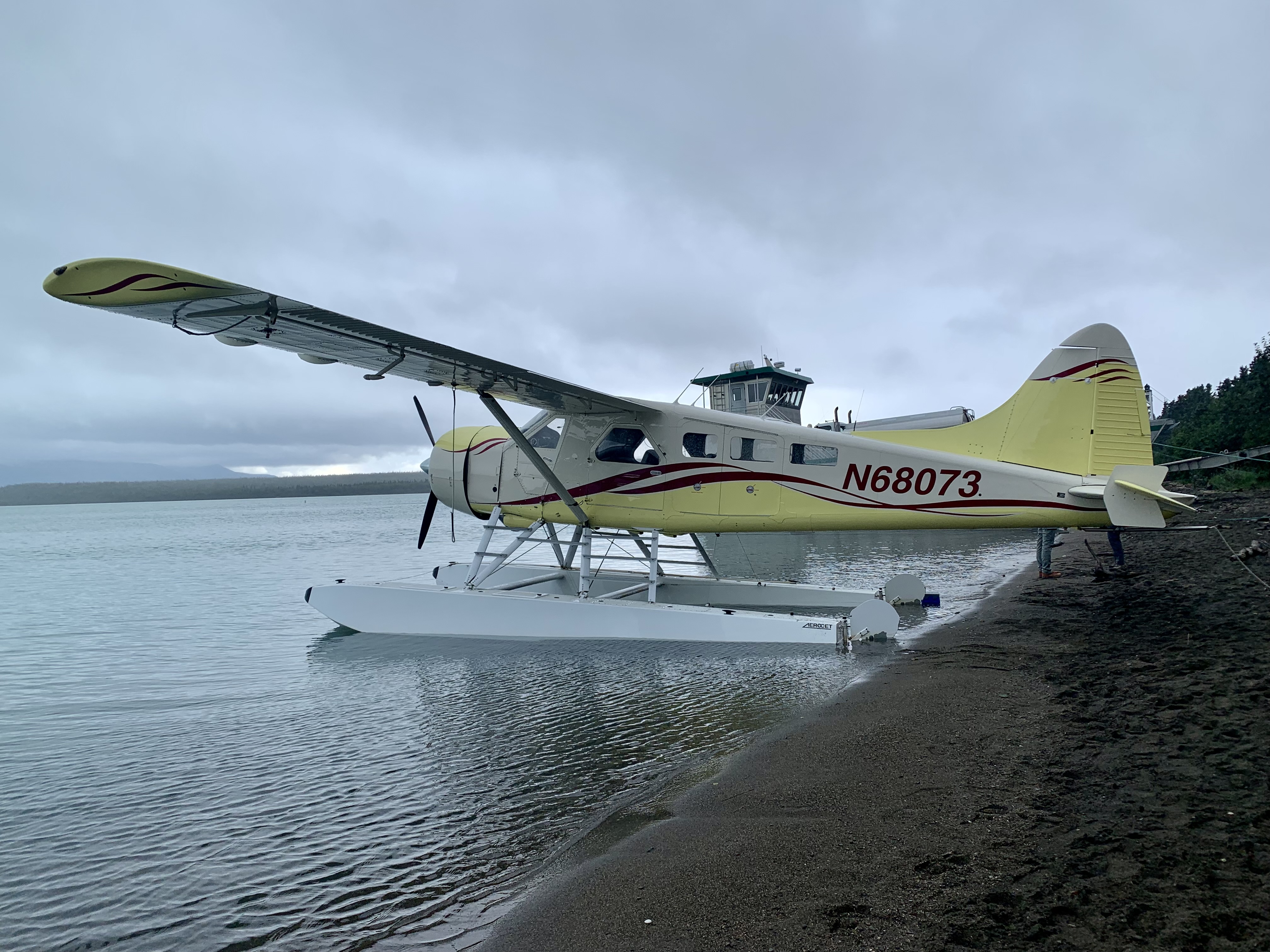
The following morning after our last made-to-order sumptuous breakfast, we boarded a Piper PA-31-350 Chieftain, with wheels not floats! This plane is no spring chicken since this model was built from 1973-1984 thus probably between 40-and 50 years old. I know nothing about aging planes but I trusted they have a good long life-span and someone has taken care of their health. The flight took us back through the Lake Clark Pass with one final spectacular view of the Chigmit Mountains and the Cook Inlet. After retrieving my car I dropped Tasia at the Ted Stevens International Airport and was on my way up to Talkeetna AK for Phase II of probably my last great Alaskan adventure.
#32 Chunk, #747, and Other Fat Bears

CHUNK

Our second day was the day that was, for me, the most highly anticipated of all of the adventures awaiting us. We would take a float plane over to Brooks Camp at Katmai National Park and Preserve where we would spend the day bear viewing and photographing some of those notorious Brown Bears (grizzlies) pigging out on salmon in preparation for a winter of hibernation and generally hanging out in their natural environment.

Heading South out of Port Alsworth in our float plane of the day, despite it being a relatively cloudy day, the cloud cover was high enough and we were definitely flying low enough to have excellent vistas . Heading out of Port Alsworth we were soon winging our way over the Newhalen River and Lake Iliamna, the largest lake in Alaska (77 miles long and 22 miles wide). The boreal forest of spruce and birch and the alpine tundra and in this area had a stark beauty with it’s colorful low-lying shrubs, mosses and lichen; areas of marshes, bogs, mossy terrain worthy of championship status , and lakes I would best describe as a waterlogged masterpiece of an earthscape.

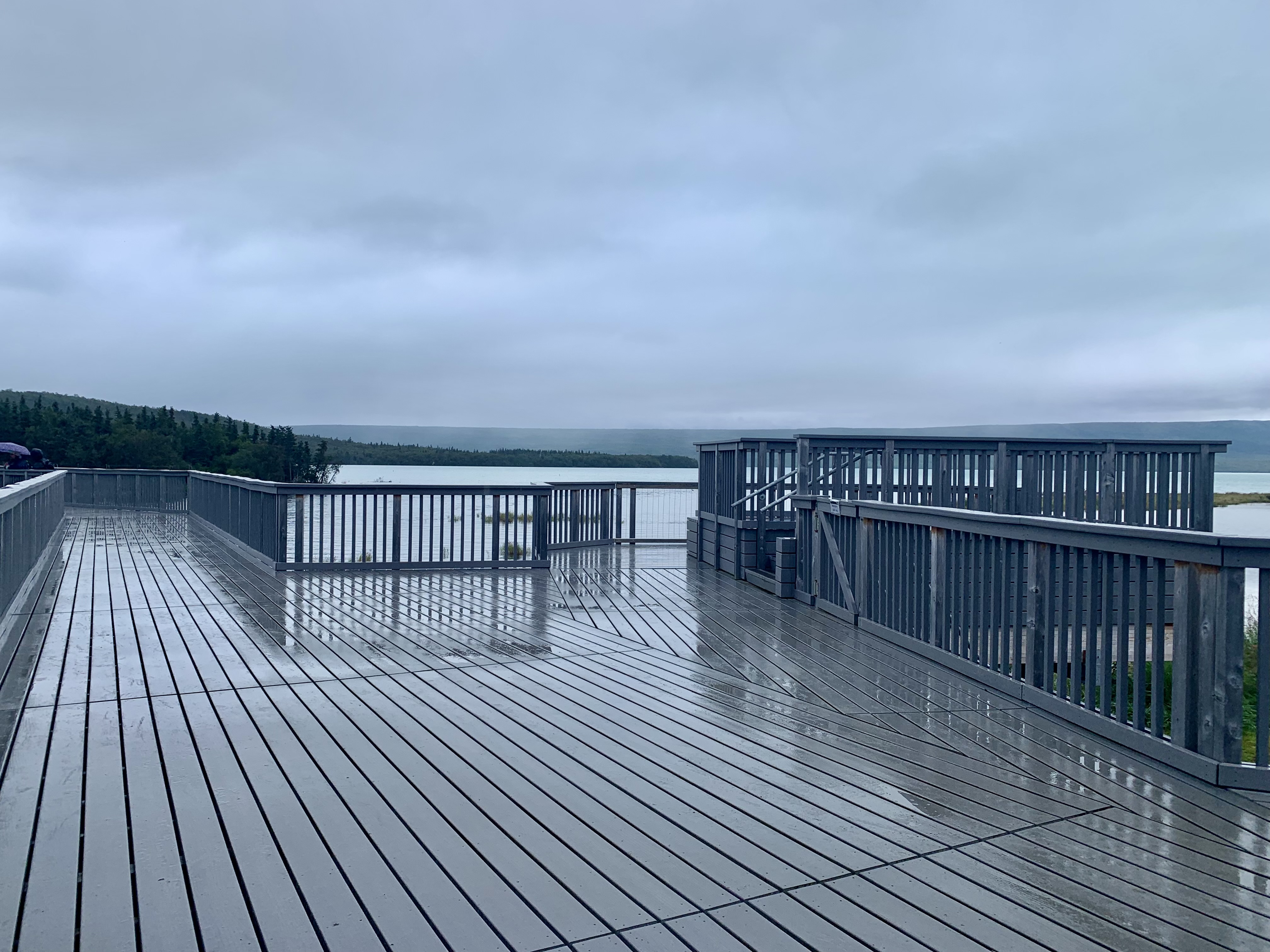
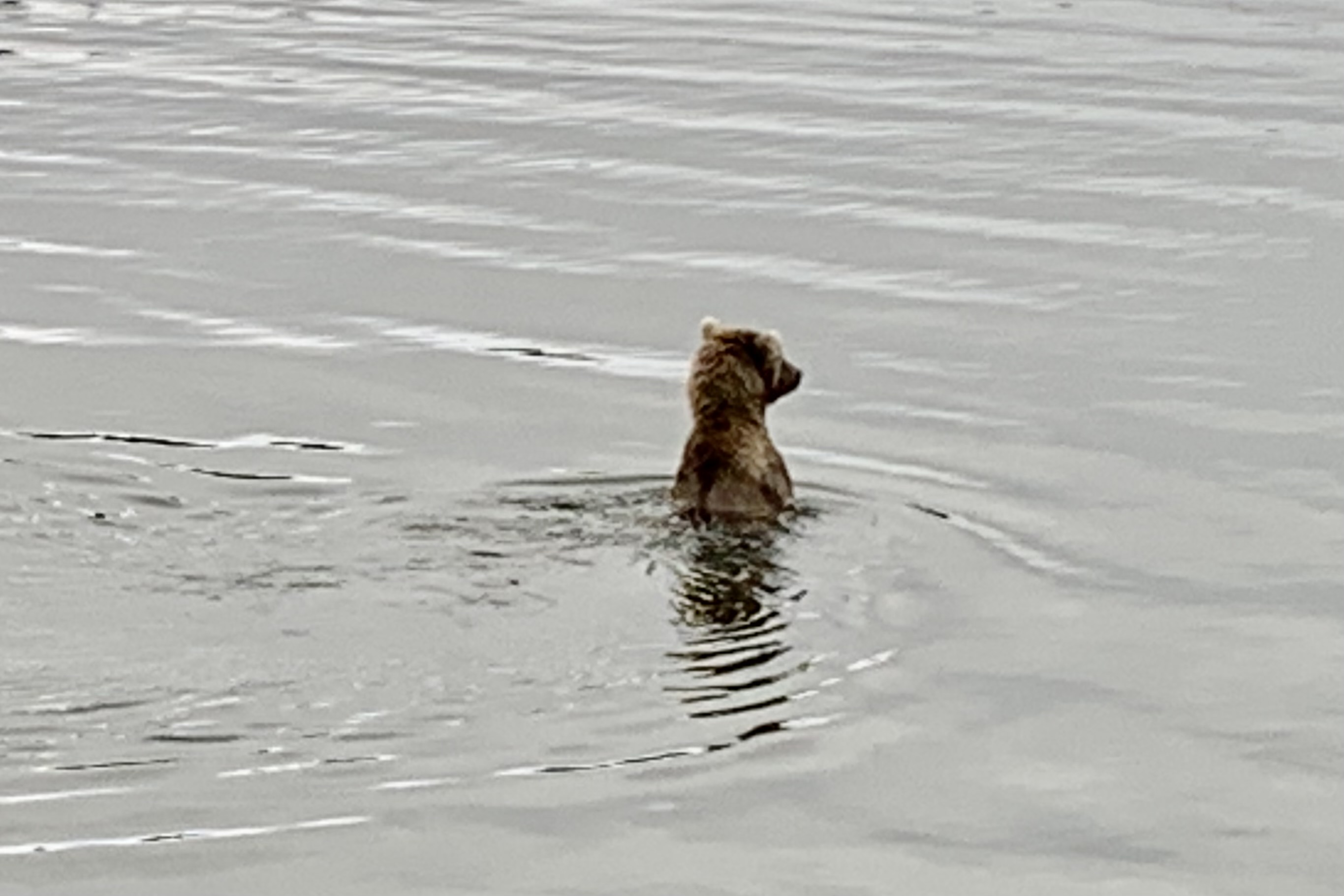
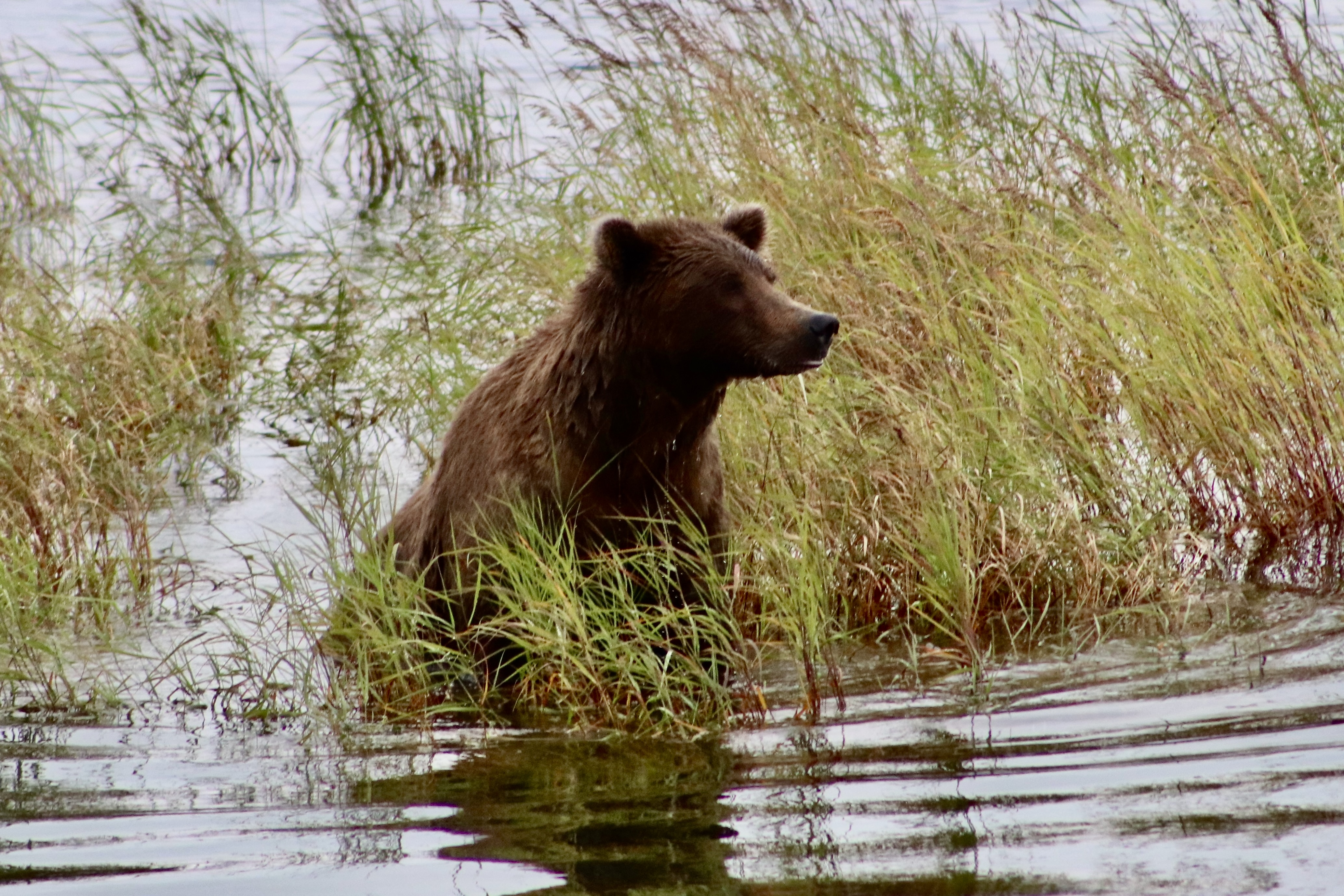
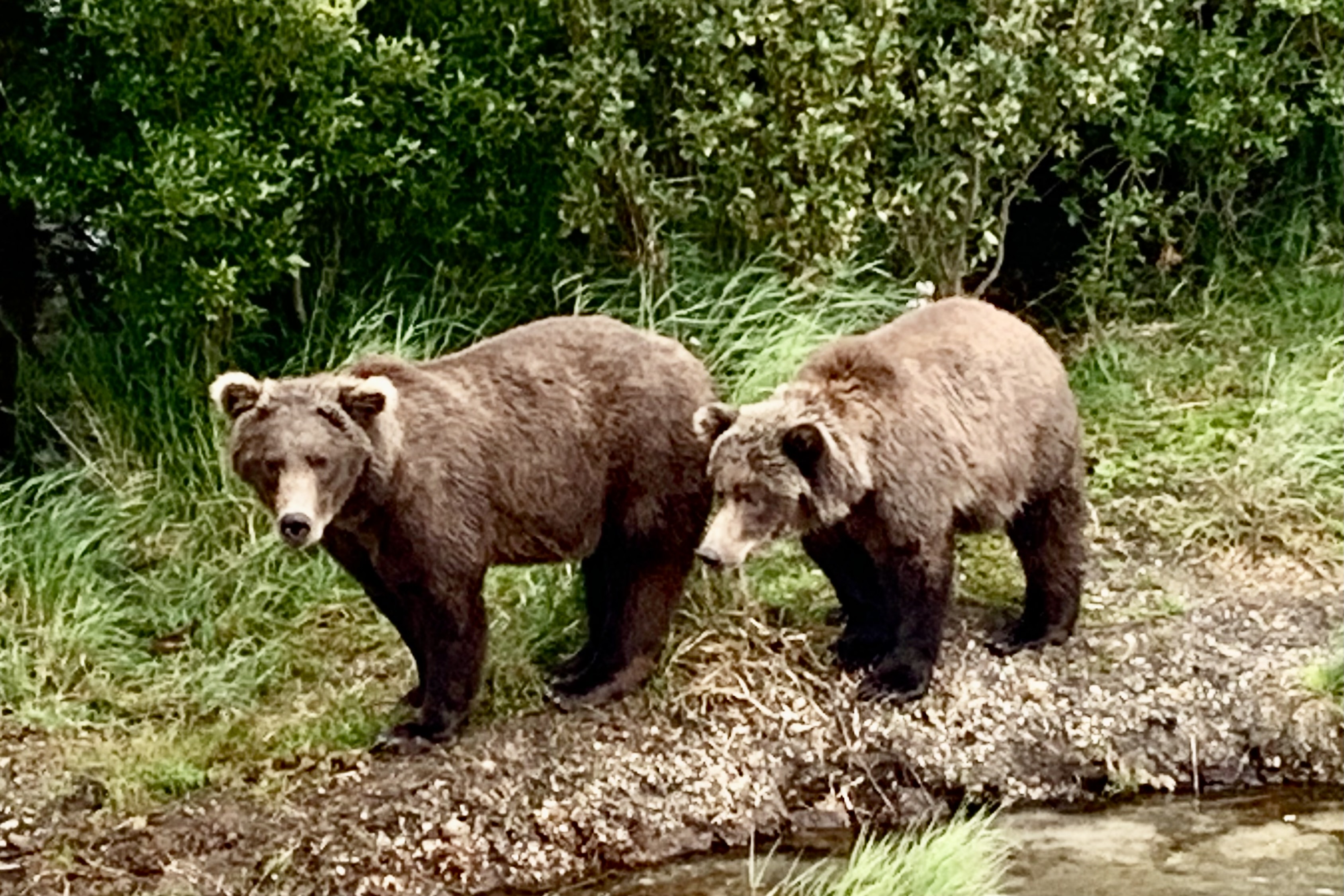
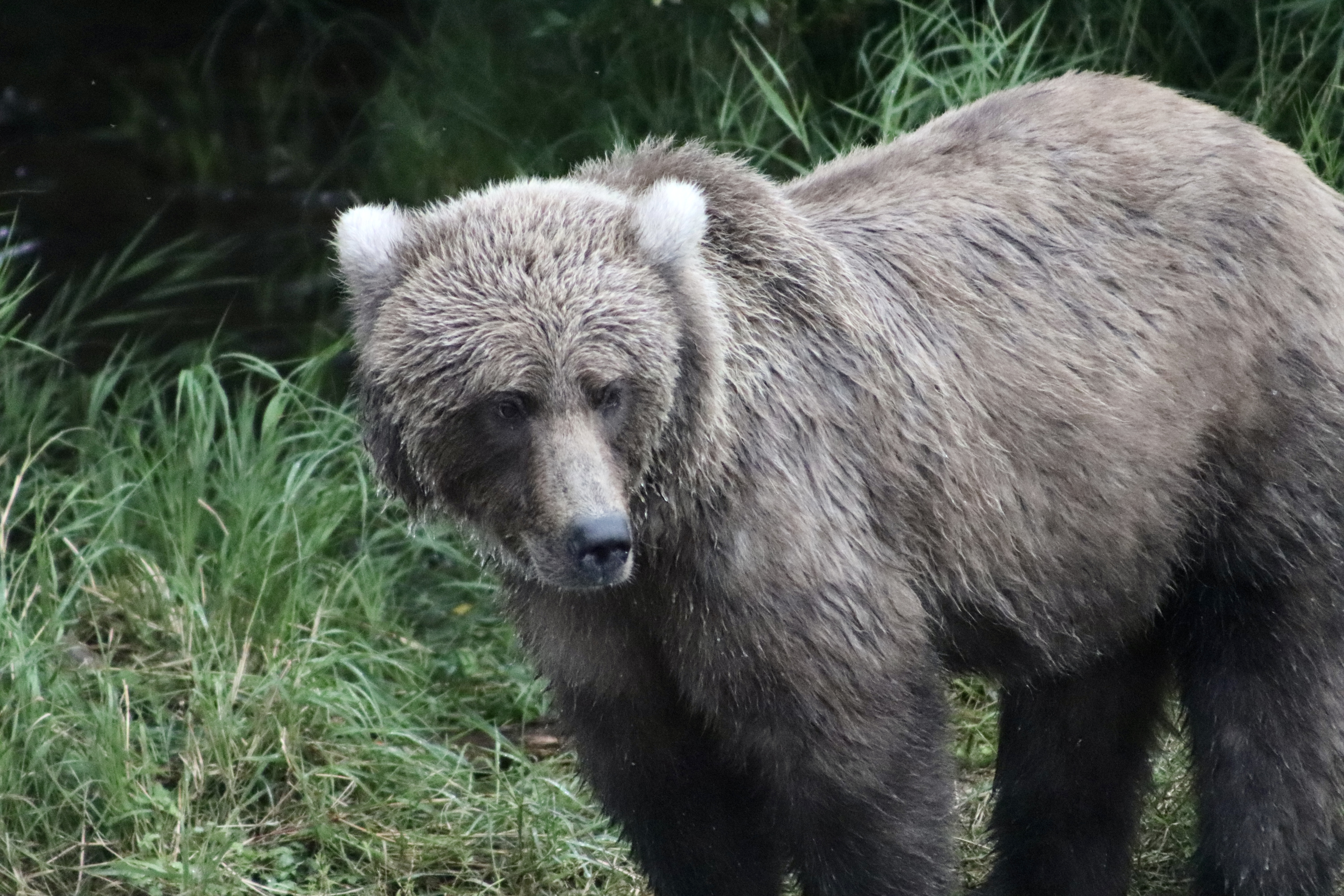
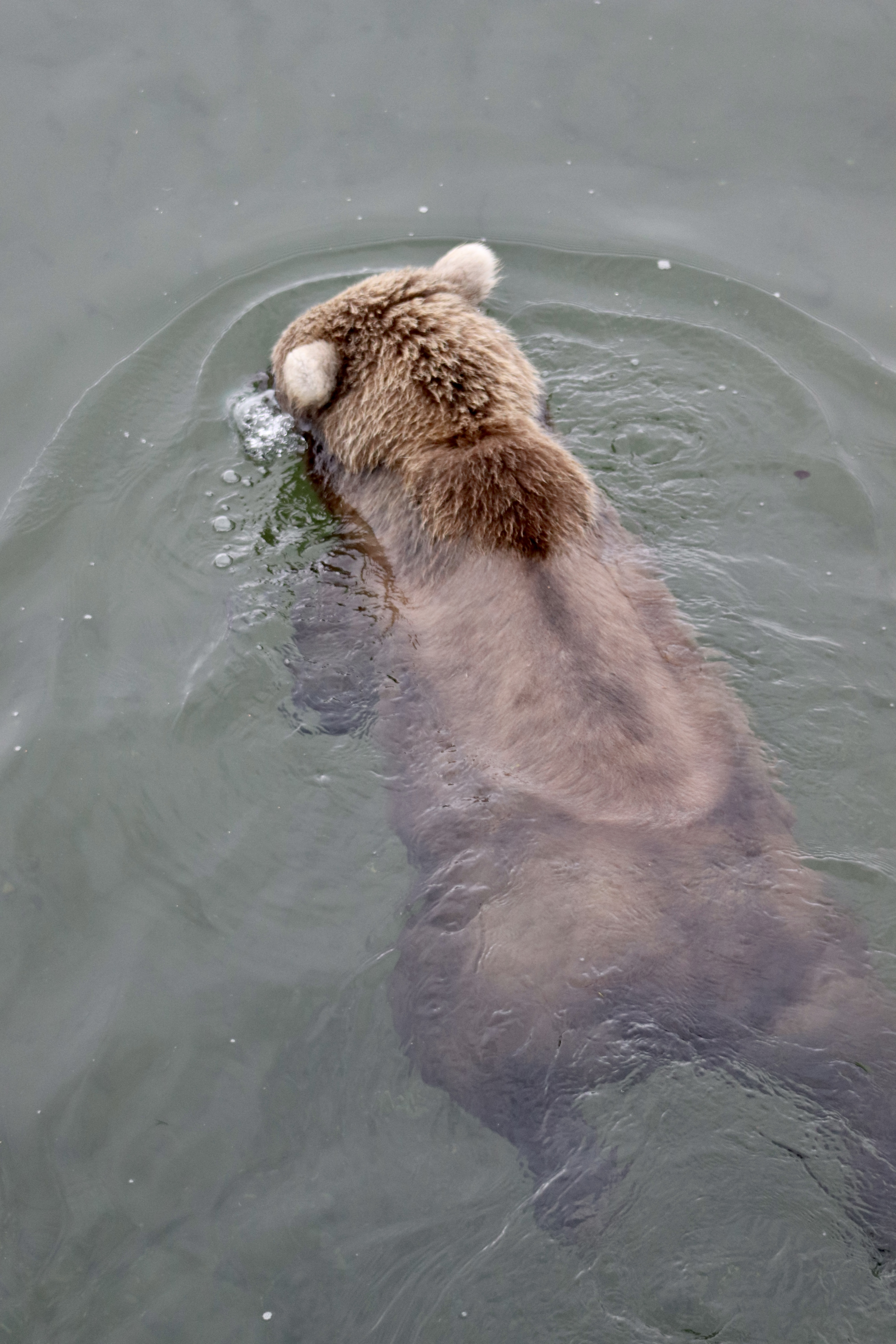
Arriving at Brooks camp around 11:00, upon exiting the plane , we were advised to not head to the park headquarters via the beach trail because of a grizzly, loitering on the beach enjoying the lake vista. Once we completed the orientation at the headquarters, used the restroom facilities, and consumed our sack lunches which were prepared per our order the previous evening, we made our way to boardwalk platforms for our first up close and though not too personal encounter with some of ursine residents of of Katmai. Since this is almost the end of the season feeding frenzy, the number of bears was considerably less than in the peak months of July and August. The upside of this is that the number of human non-residents interlopers is quite low and thus no massive lines and long waits to be on the platforms enjoying the bears. Our guide said that at times in the summer there is a 3 hour wait and time-limits to be on the viewing platforms. We thoroughly enjoyed observing the bears swimming, dunking, water-walking, scavenging, submerging, and even doing a little bit of fishing in the area. By this time most of the bears have reached a high enough level of fat stores to see them through the winter hibernation and are heading into the forest to much on berries and other forest delicacies for the minerals and other nutrients they need as well.

Perhaps you have heard of the grizzlies of Katmai. The Fat Bear Week celebration has made the national news and is a fun way to celebrate the end of the season of gorging on salmon. There is high concentration of salmon in the falls area so it draws a large number of bears to it. In direct contrast to the human beauty contests which prize leanness and minimal body fat, we are celebrating these bears success to hopefully ensure their survival over the winter. People get to vote for their favorite chubby bear who has packed on the pounds before their long winter nap. Why do we as humans not celebrate our accomplishment when we pack on the pounds whether on a vacation or just have been enjoying the plentitude of food be it gourmet or fast food.

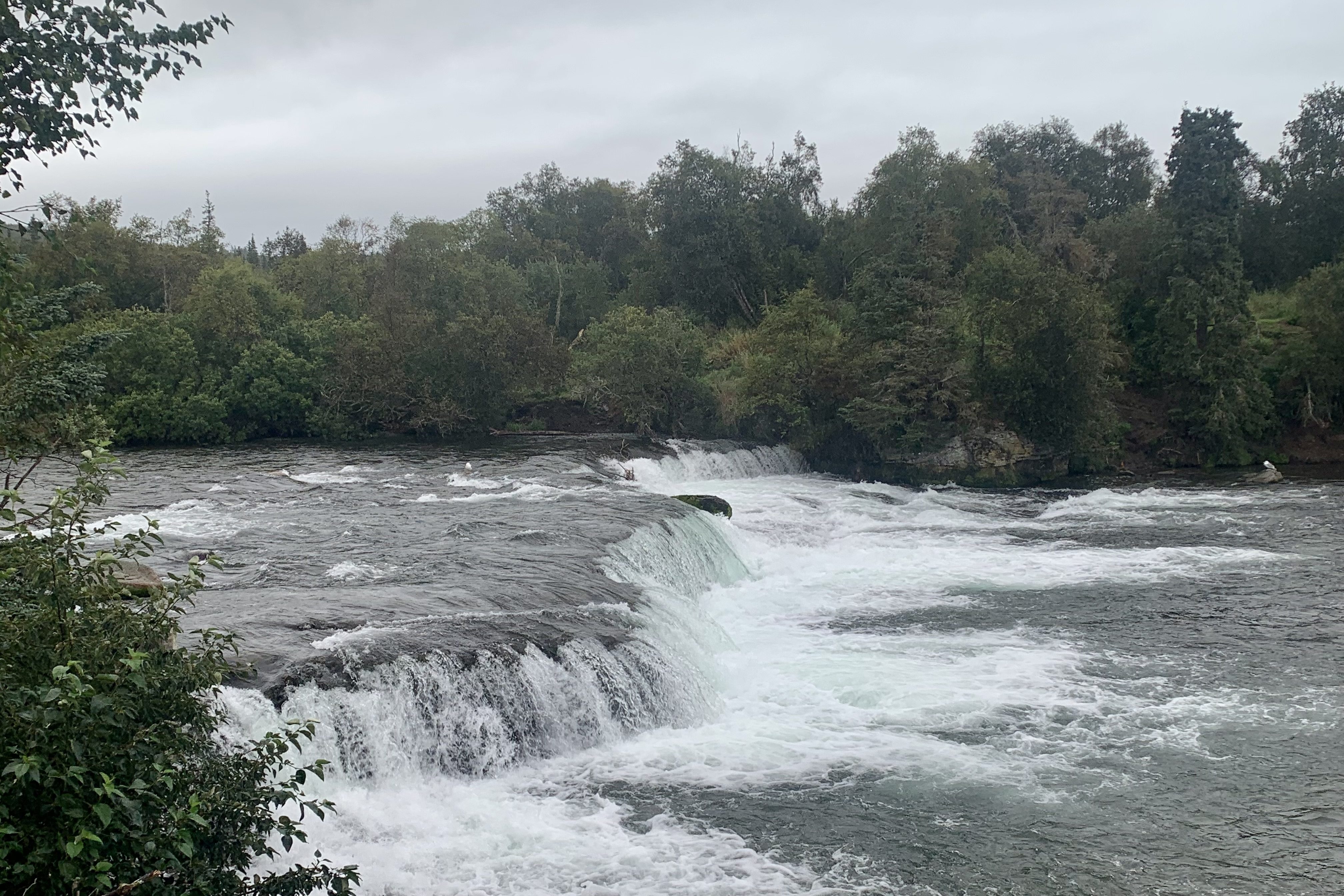
As I watched these bears such words as cute, adorable, playful came to mind but had of course needed to remind my self of the lethality that they pose if I were to jump down and try to pet or swim with the bears like I swam with the dolphins.  By the way, though at times I take significant personal risks, this DID NOT enter my mind as a real possibility. Soon it was time to hike the one mile trail up to Brooks Falls where the iconic picture of bears feeding is Brook Falls is taken.

Here again, at Brooks Falls there were only a few bears but it definitely just as satisfying as if there had been a dozen plus. I have two favorites which both have been winners in the past. Chunk (#32) and #747.

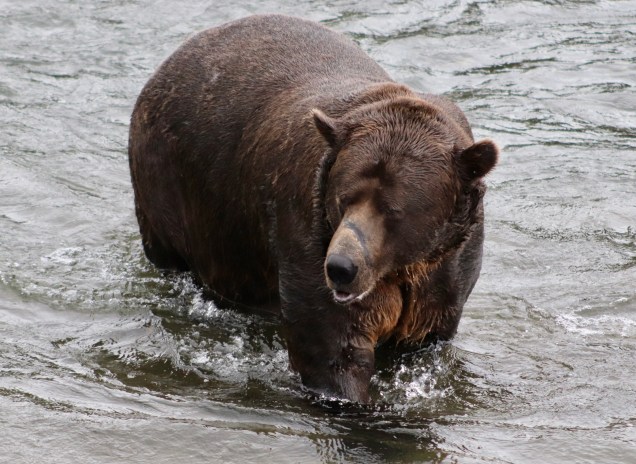
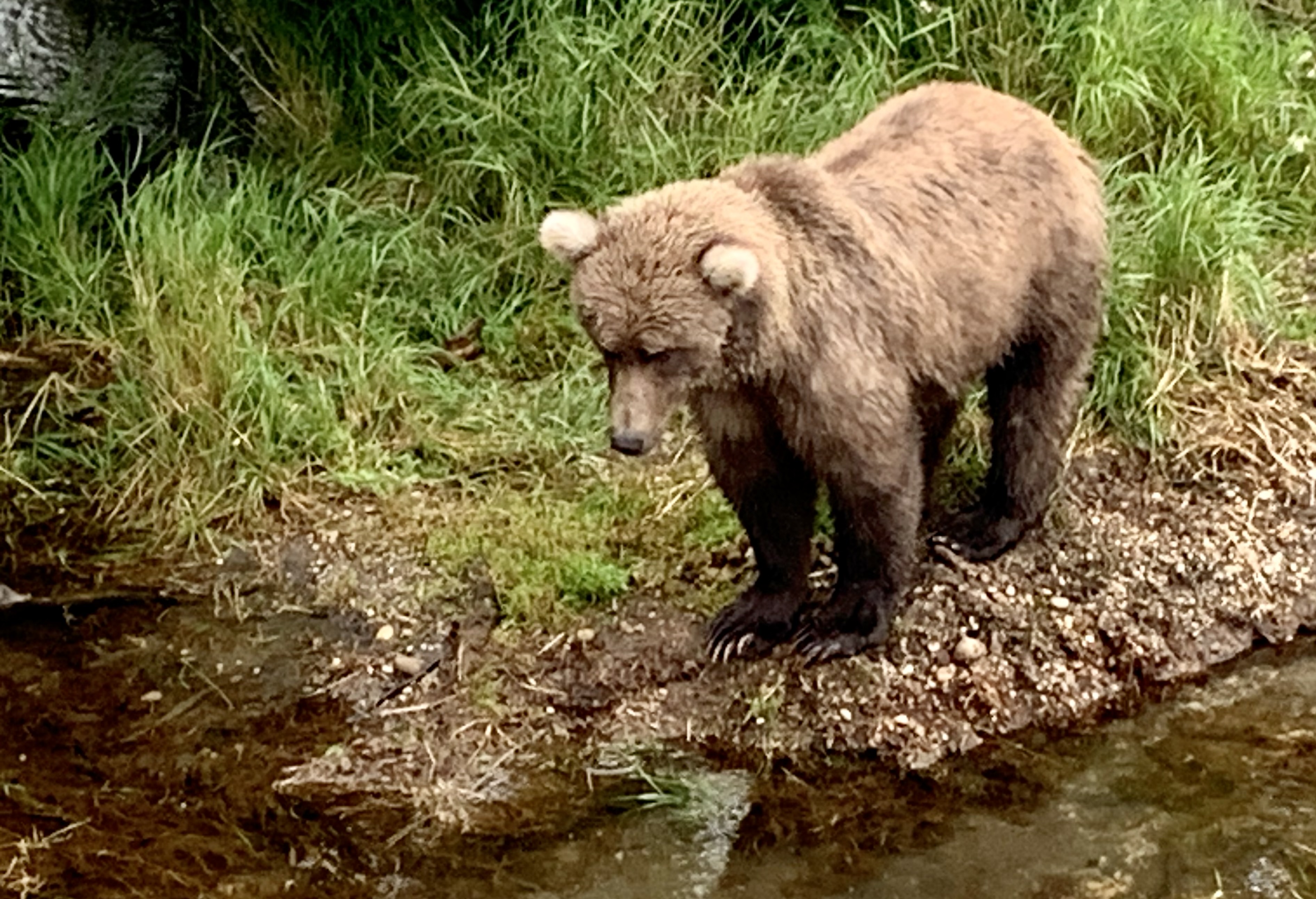
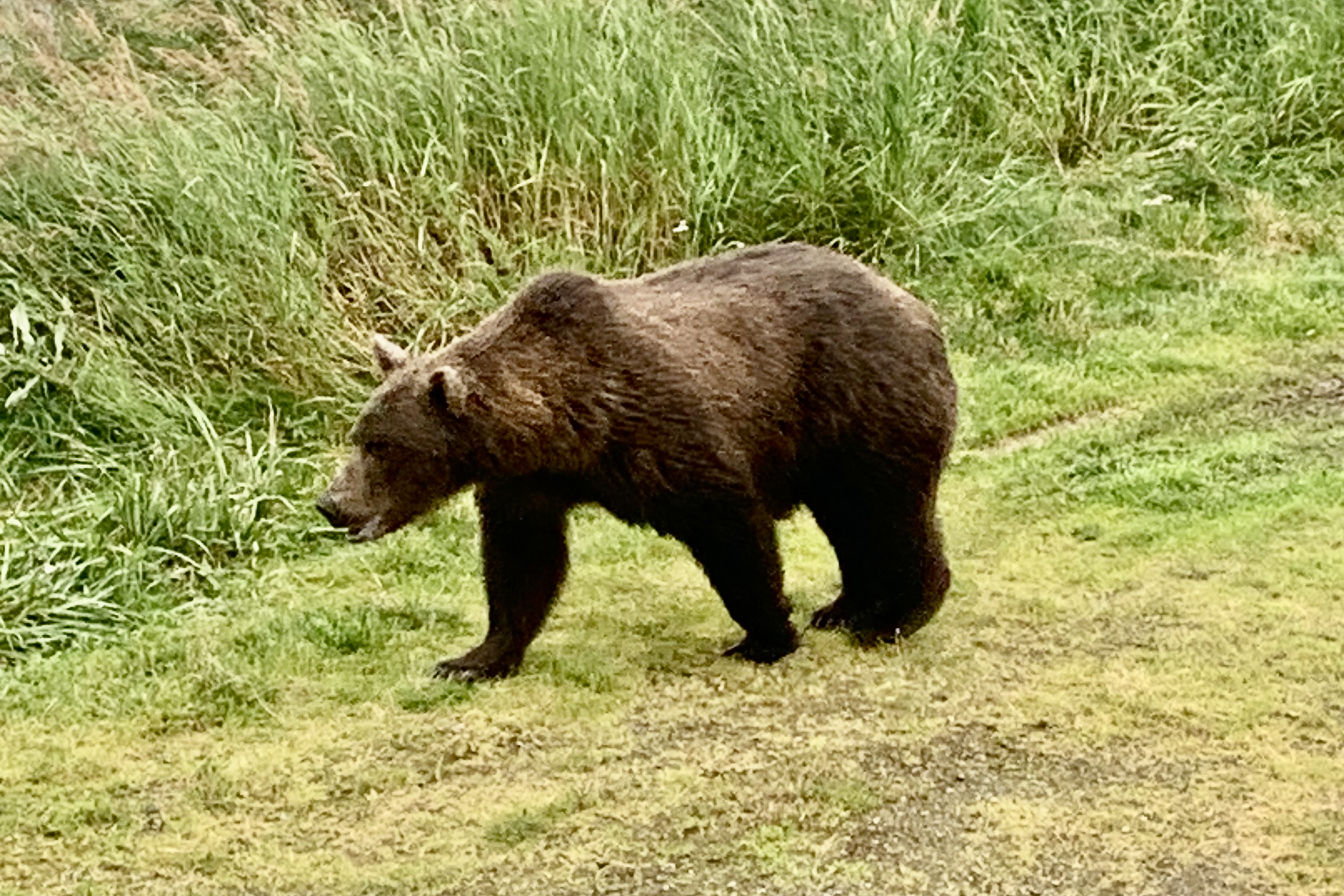
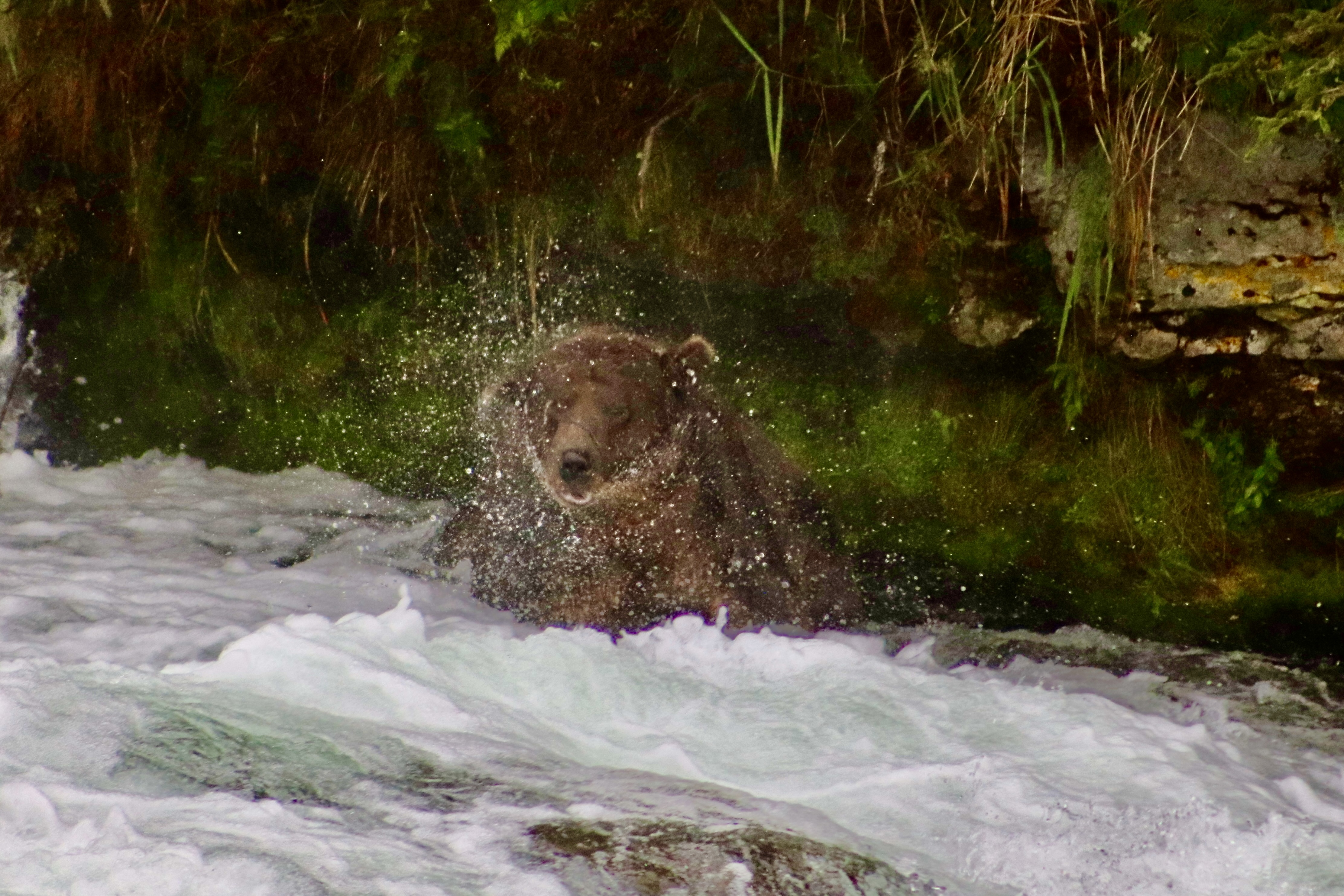
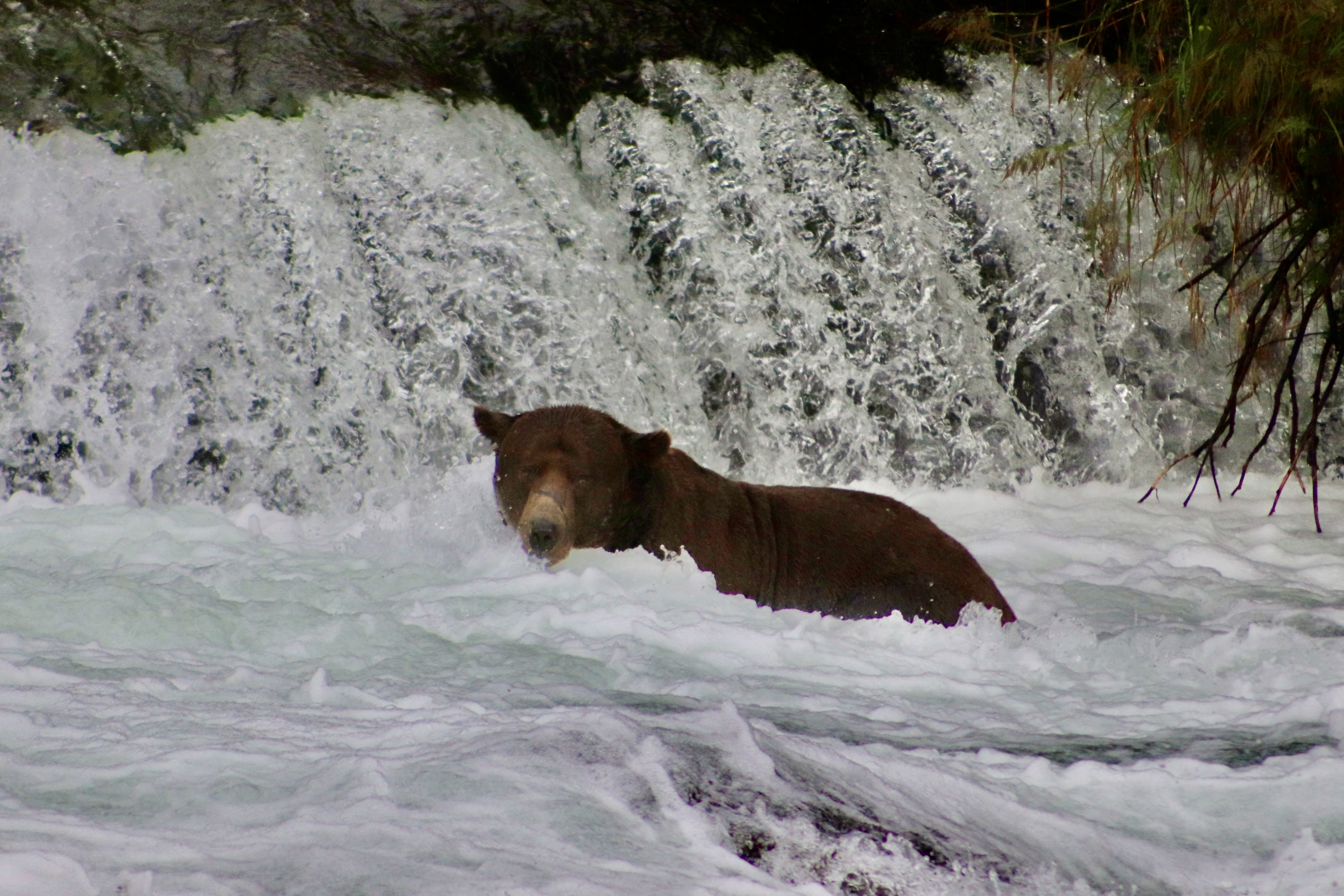
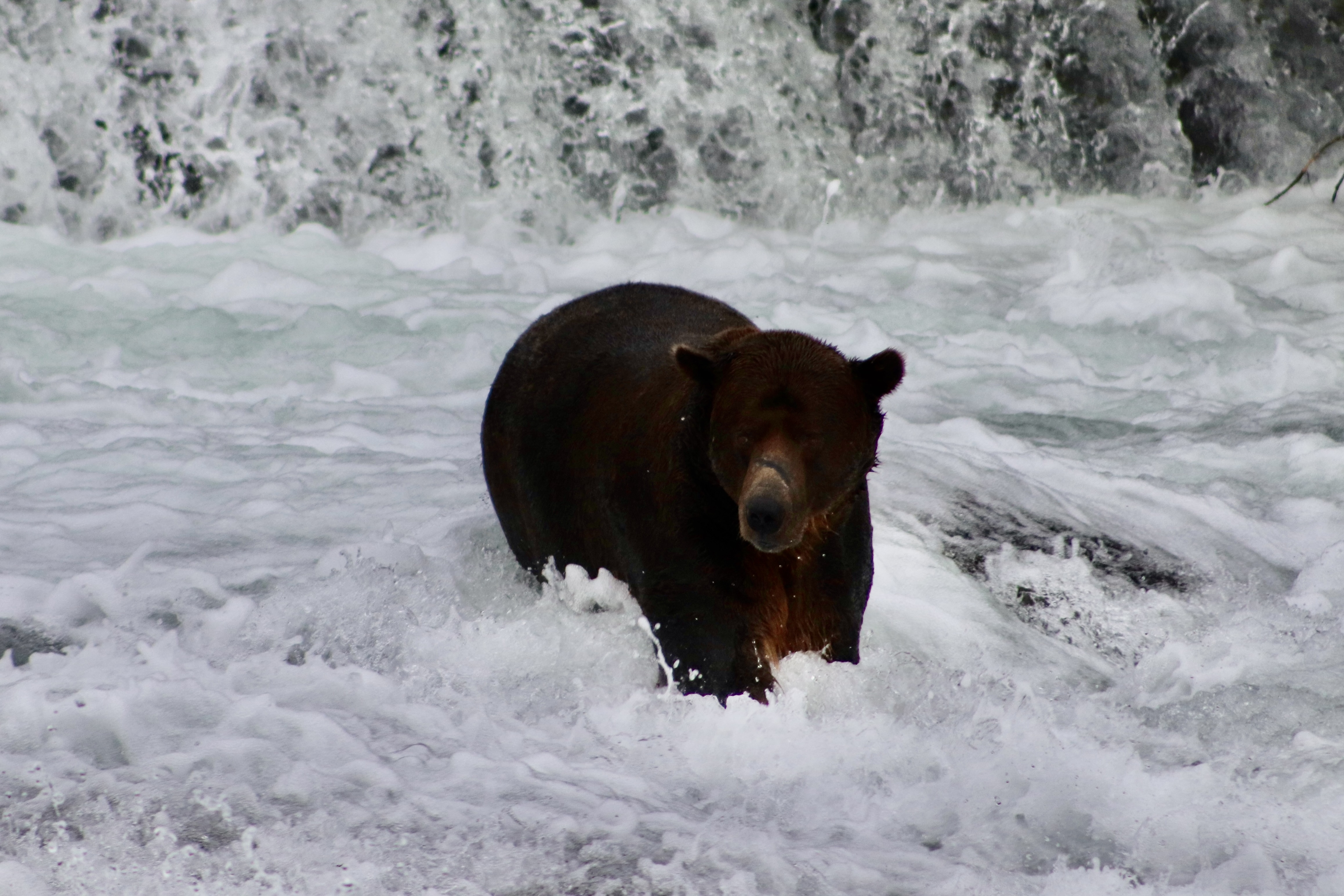
Chunk is a very large adult male and quite the bully. He has a very impressive  scar across his muzzle so he is easily recognizable. I had read that Chunk is consistently one of the largest and, definitely from my observation, the most dominant bears at the falls and that was the case on  this day. It has been estimated that he tips the scales  at 1,200 lbs before the lazy days of winter. He was determined to have sole proprietorship of the falls this day. He would chase off any other bear hoping to join the salmon feast. He frequently occupies  probably the best fishing spots mid-stream and occupied  the same spot and another one closer to the shore for the extent of time we observed him. Despite his fishing skills, he resolutely  challenged  any other bear who wished to also enjoy a prime fishing spot.. The uncanny part of this is that he did not seem to be too interested in serious fishing (he did not catch a the salmon during my observation period) despite watching many salmon leaping up the falls to reach their spawning ground, but was playfully performing for the spectator by making a pretense at it all the while playing “I am king of the castle…” He did some spectacular belly flops in his faux fishing regime.

Chunk

#747

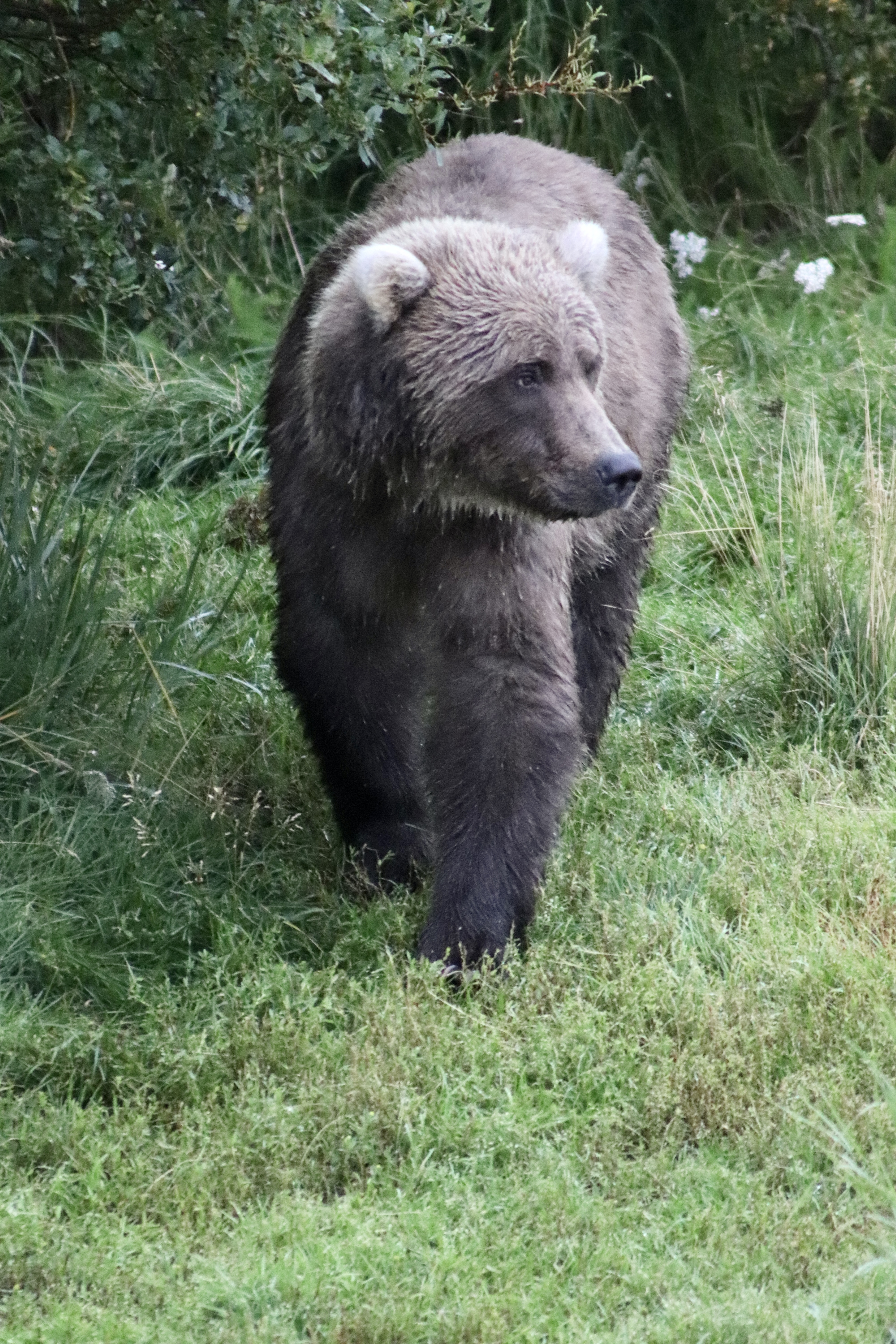
#747 is know as the  largest bear to inhabit the Brooks River and charmed the masses in 2020 to vote him the winner of chunkiest of the chunky. Thus he is quite stocky and recognizable by his size, more “dainty” short muzzle, ragged ear and a dark brown coat. It has been said that the has quite  assertive disposition and he has been  at the top of the hierarchy at Brooks Falls.

Bears establish a hierarchy and the most dominant bears get  the best fishing spots. But Chunk had the upper hand this day. Like our human counterparts, size alone can be  intimidating and  bears  like 747’s with its size alone will find most bears to yielding  their space to a behemoth like 747. I find it curious that on this day Chunk was the heir to the throne at least for today . I definitely will vote for Chunk if he becomes one of the elected contestants in fat bear week.

Though I was dazzled by the star bears, there were many other who were just going on doing what bears do best…fish!!! Of course these bears are quite habituated to having a paying audience . Though there is no entrance fee, to get to Katmai one must shell out considerable dollars as it is only accessible by float planes or boats. At times, I would swear these massive “teddies” were putting on a show but most likely they were just being their cute growly selves swimming, slogging and prancing about.

I definitely hated to depart but but it was time to make the return flight back to Port Elsworth  on Lake Clark.  We were supposed to flight-see the Valley of Ten Thousand Smokes but it was fogged in and the weather was deteriorating so we flew directly back to the Lodge with the landscape below partially shrouded with fog. and hauntingly beautiful.

The wind -up to this peak life experience was a beautiful sunset of pastel hues over Lake Clark.

Nature’s Skyscrapers, Liquid Turquoise, and Amphibious Planes

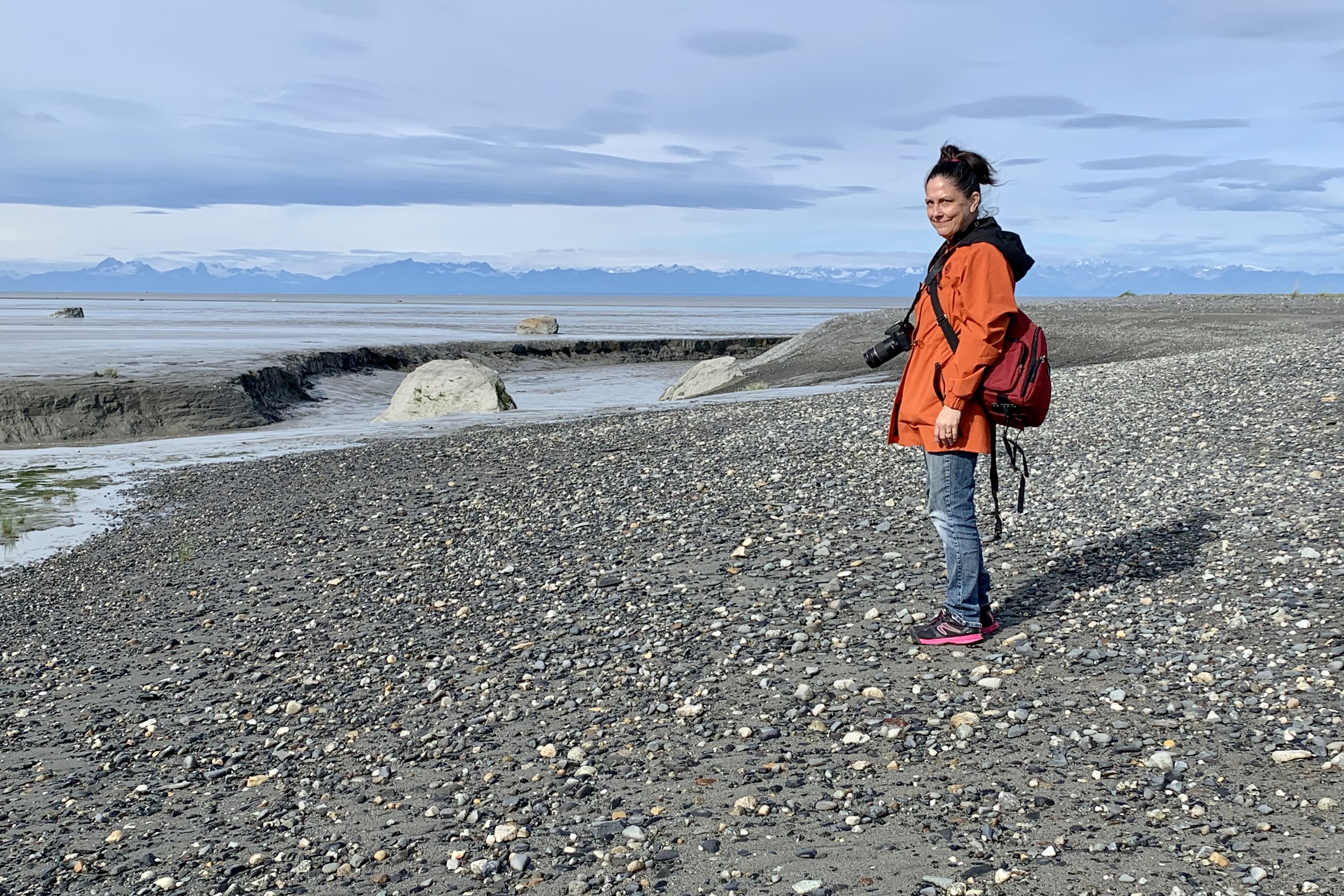
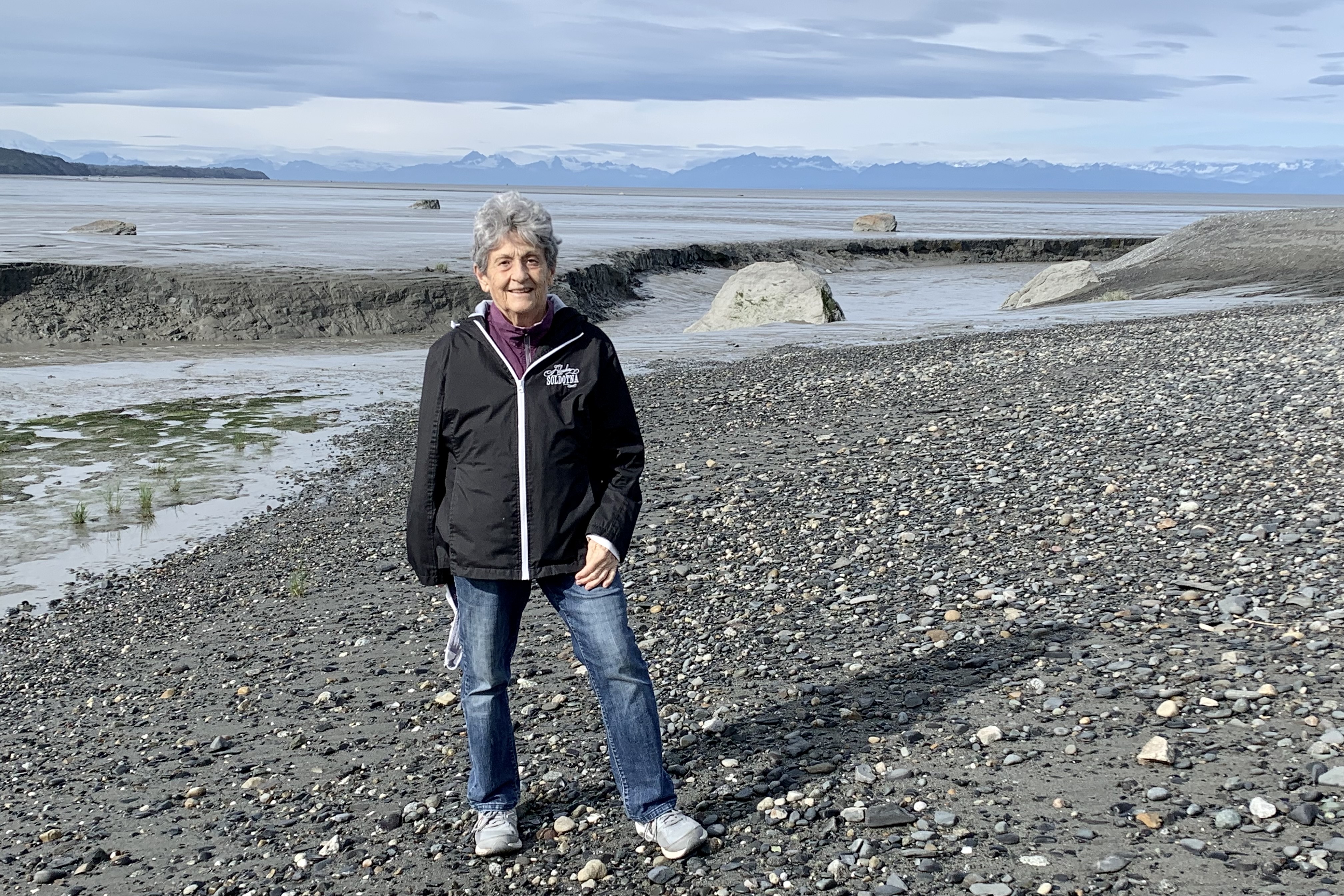
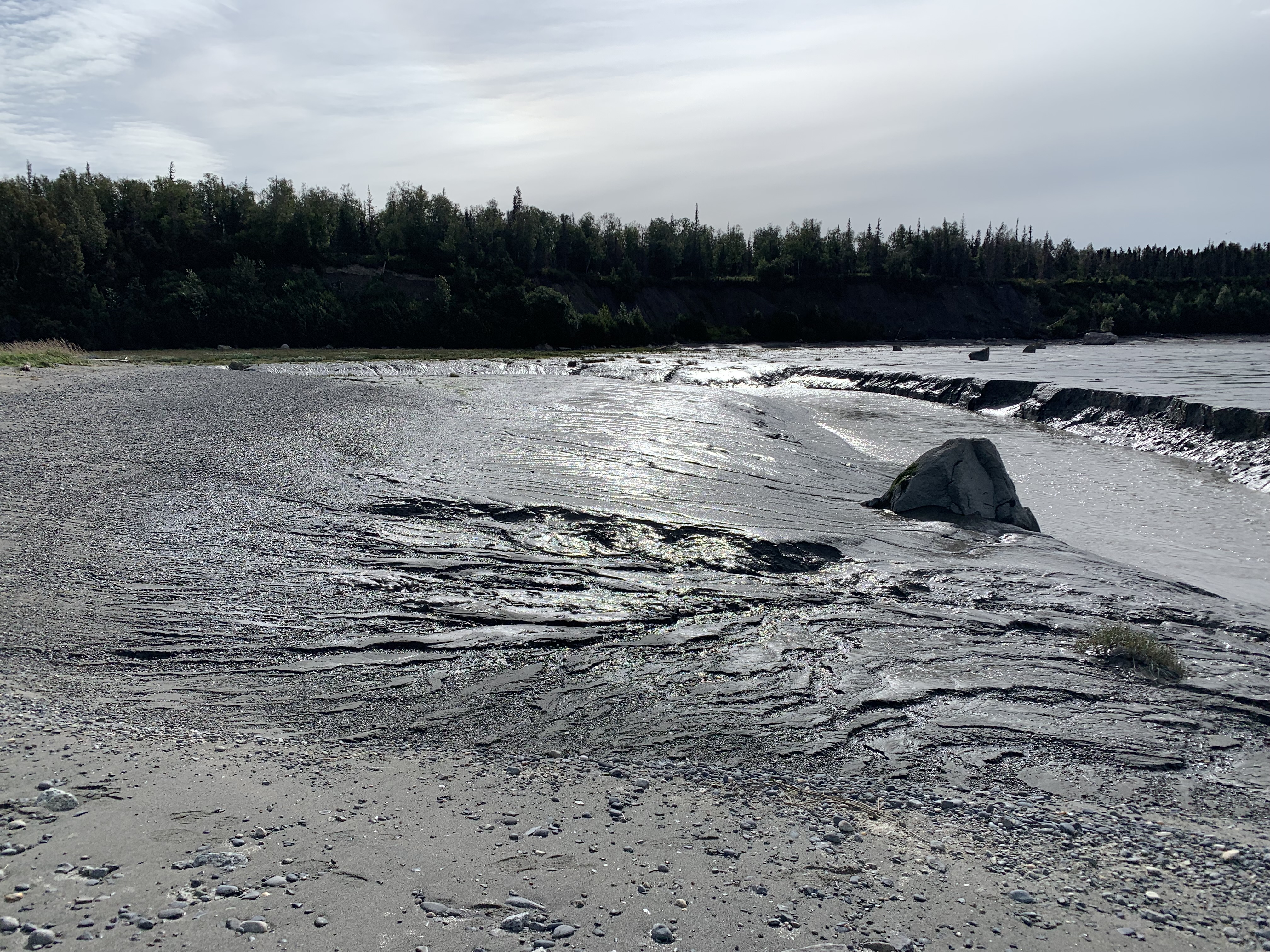
Most adventures that I blog include the task of getting there. Sometimes it is a tedious repetitive activity to be endured and other times it’s a stand alone episode. An so I begin the story of the latest venture in my quest to visit all of the National Parks in the USA, and in this case Lake Clark NP and Katmai NP (#53 and #54). My daughter, Tasia flew into Kenai AK and we spent three days packing up my household goods into a very tall U-Box to be shipped to Oregon and I bade farewell to my Alaska Homestead feeling more relief rather than sadness. Part of the “grande finale” of living on the Kenai for 5 summers was taking the time to comb Kenai Beach and the beach at Captain Cook State Recreation Area with Tasia, an avid rock and fossil connoisseur. The beach is littered with immense boulders that were dropped by melting glaciers. They dot the beach and mud flats offshore. A clutter, tumble and tangle of of colored rocks, of varying shades of red, green, yellow, clear, black and granite carpet the beach. The 50-60 foot eroded cliffs and the walled “canyons” that cut through the mudflats near the river outlet add a raw beauty to this area. The view of Aleutian Range of mountains across Cook Inlet is breathtaking and at that point, I did not know with a couple days I would be circling those behemoths in a float plane. This was a fitting preface for the explorations awaiting us.

We headed up to Anchorage the night before as it was a holiday week-end and I had an immense fear of a major accident closing the Sterling Highway, the only road off the Kenai Peninsula and not being able to get to Merrill Field in Anchorage for a departure the following afternoon. The next morning after one night in a shabby hotel (seems to be more and more of them since COVID all over the place.) We discussed our options for the day until our appointed arrival time at Merrill Field. Having no interest in the Anchorage city scape or shopping ops, we chose to hike the trail to Thunderbird Falls north of Anchorage. The one-mile undulating trail to Thunderbird Falls traverses a lichen and fungi enriched birch forest along the Eklutna River canyon with steep cliffs on both sides of the gorge to a deck with views of this 200-foot waterfall. The view of the falls from the overlook was not particularly impressive in my mind because the platform is quite a distance away. There was no keen sense of the power of the water cascading over the falls but it was a lovely hike.

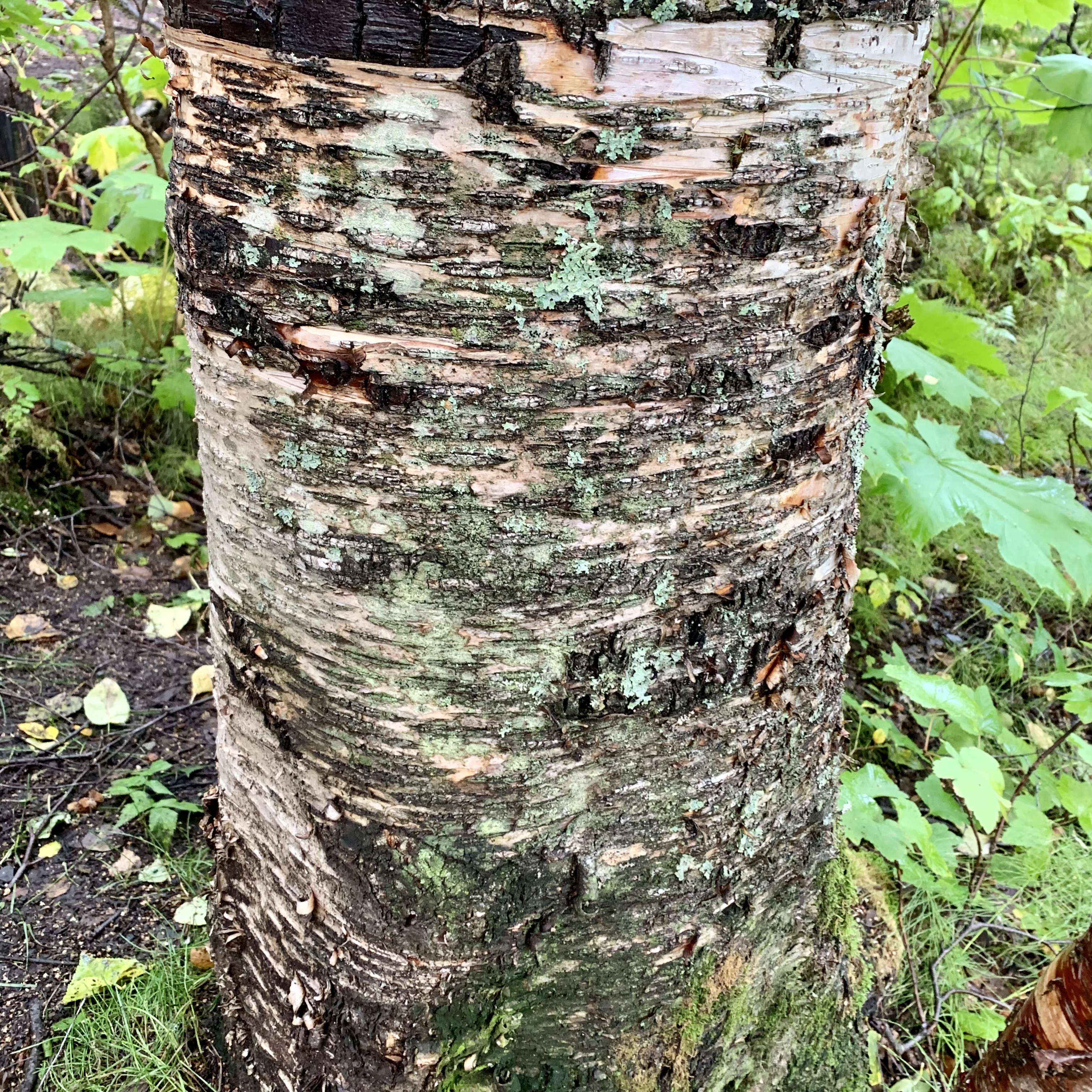
Our more adventure spirits took us down a side trail into the canyon, hopefully to the base of the falls. It was a suitably muddy, tripping root, somewhat steep traverse . What a downer at the bottom as I would have had to climb into the frigid rushing water making my way upstream on the slick rocks to the get close enough to the base of the falls to experience the chilly spray of Thunderbird Creek or get a unlimited view of the entire cascade. Camera zooms definitely create the illusion in my photo of one being in the spray zone of the falls. Since this hike was not a time trial to be annotated in a log book but a leisurely stroll, taking time to appreciate and to explore nature’s passion for multifarious life forms was pure pleasure. The fungi on and the array of hues of the birch trunks along the trail was enchanting

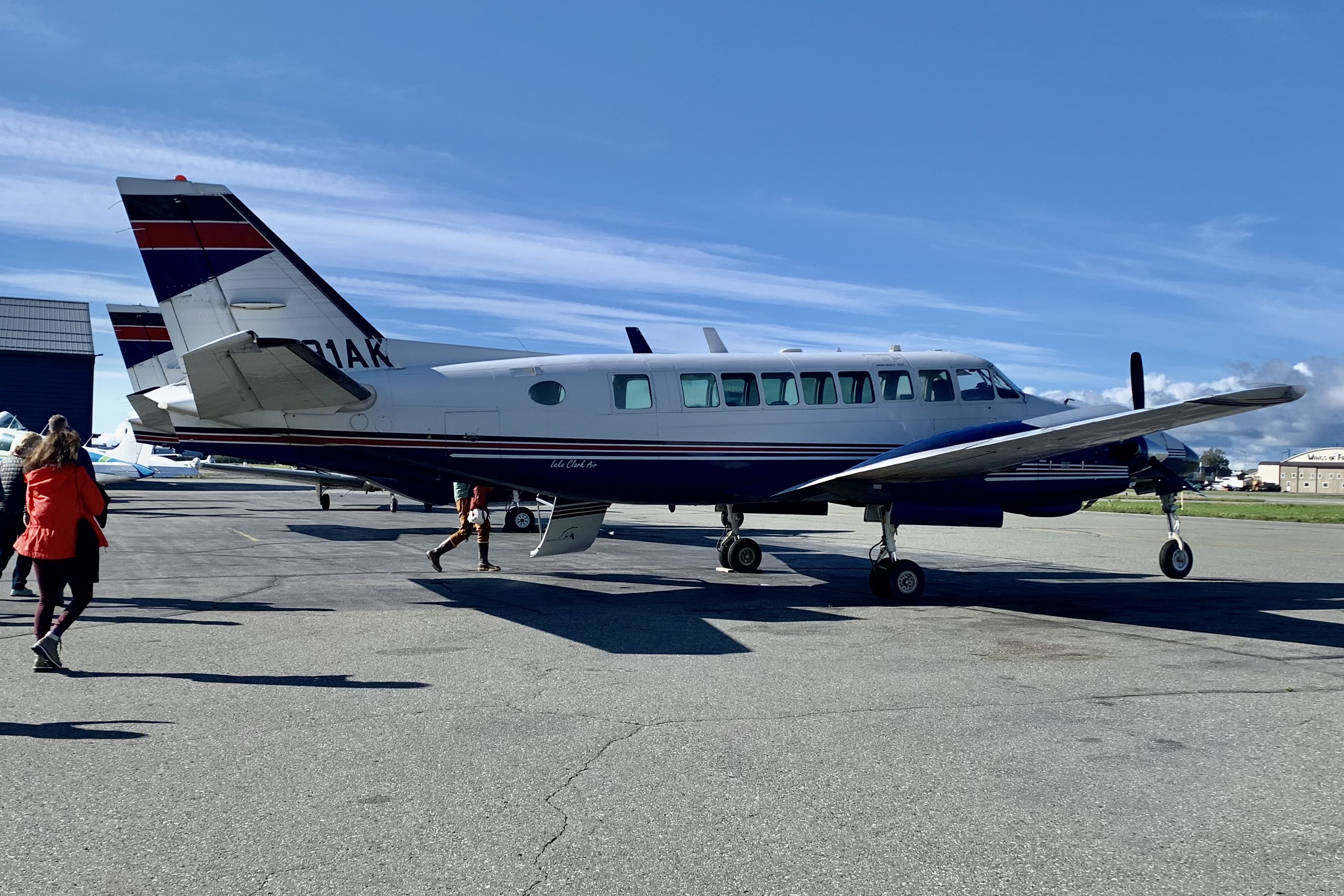
After a picnic lunch at Mirror-Edmonds Lakes Park, we headed to Merrill Field and the Lake Clark Air terminal. How grateful I was that I didn’t have to deal with Ted Stevens International Airport and its massive parking mess. Merrill field is the primary field for small private wheel-equipped aircraft and the thus home base for Lake Clark Air Service which is the airline based in Port Alsworth, Alaska providing transportation for our tour to remote areas of Katmai and Lake Clark National Park and Preserve.  Unlike most airlines when checking in for flights, on theses small aircraft they not only weigh your bags but weigh you as well. I hate to be weighed let alone in public and often refuse to be weighed at a doctors office. In this instance, rather than trying to shed anything that would weigh me in heavier, I was grateful to hang onto boots, purse and anything else that would camouflage my actual weight. Their terminal was impressive and I was fervently hoping that their pilots and planes were equally impressive.

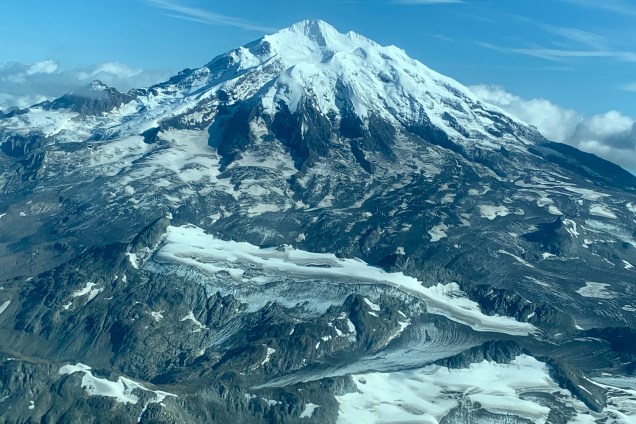
Once aboard our largest aircraft for the trip, a nine seater, the flight took us over the Cook Inlet, with views of its oil platforms and the bays and estuaries of the western shore of Cook Inlet. I was beginning to anticipate that this was going to be the bulk of the aerial view for this trip. Though they have their own unique beauty and can be stunning, I was ready for new aerial vistas and not a rerun of those ones I experienced last year. Then almost like a bolt out of the blue we were headed towards Lake Clark Pass , so named because it is a pass through the Aleutian Range from Cook Inlet to Lake Clark and which I understand now is the primary aviation route between Anchorage and the western part of Alaska. We were flying between and over towering snow-covered peaks. I have no idea how wide and at points narrow this pass is but it seems deceptively close at time as if our wings were close to brushing the jagged edges of the faces of cliffs. We experienced vista after vista of snow covered peaks, pillows of clouds , curling white ribbons of water cutting into knife-edge crevasses in the rock faces, and ice tongues crawling there way downslope

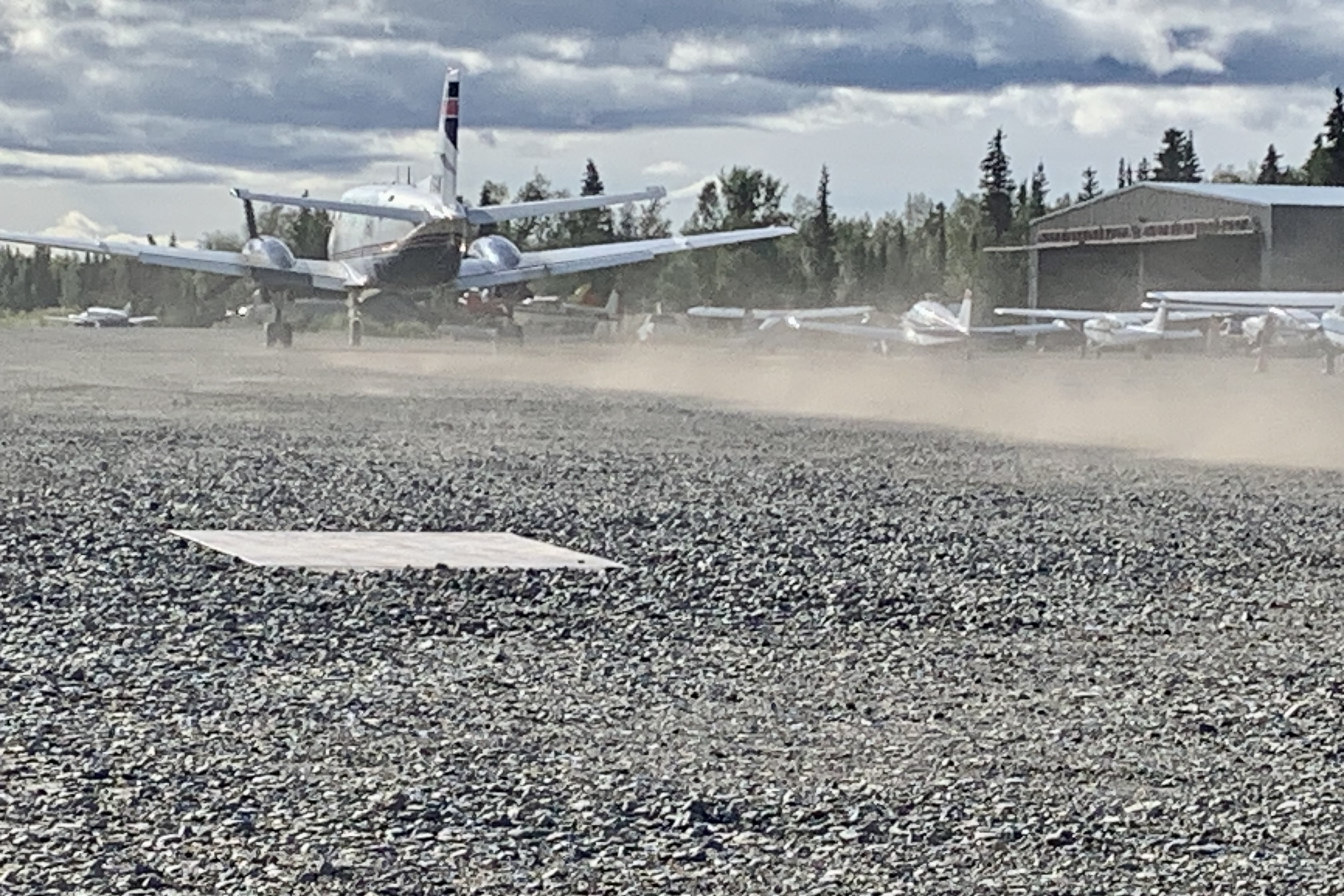
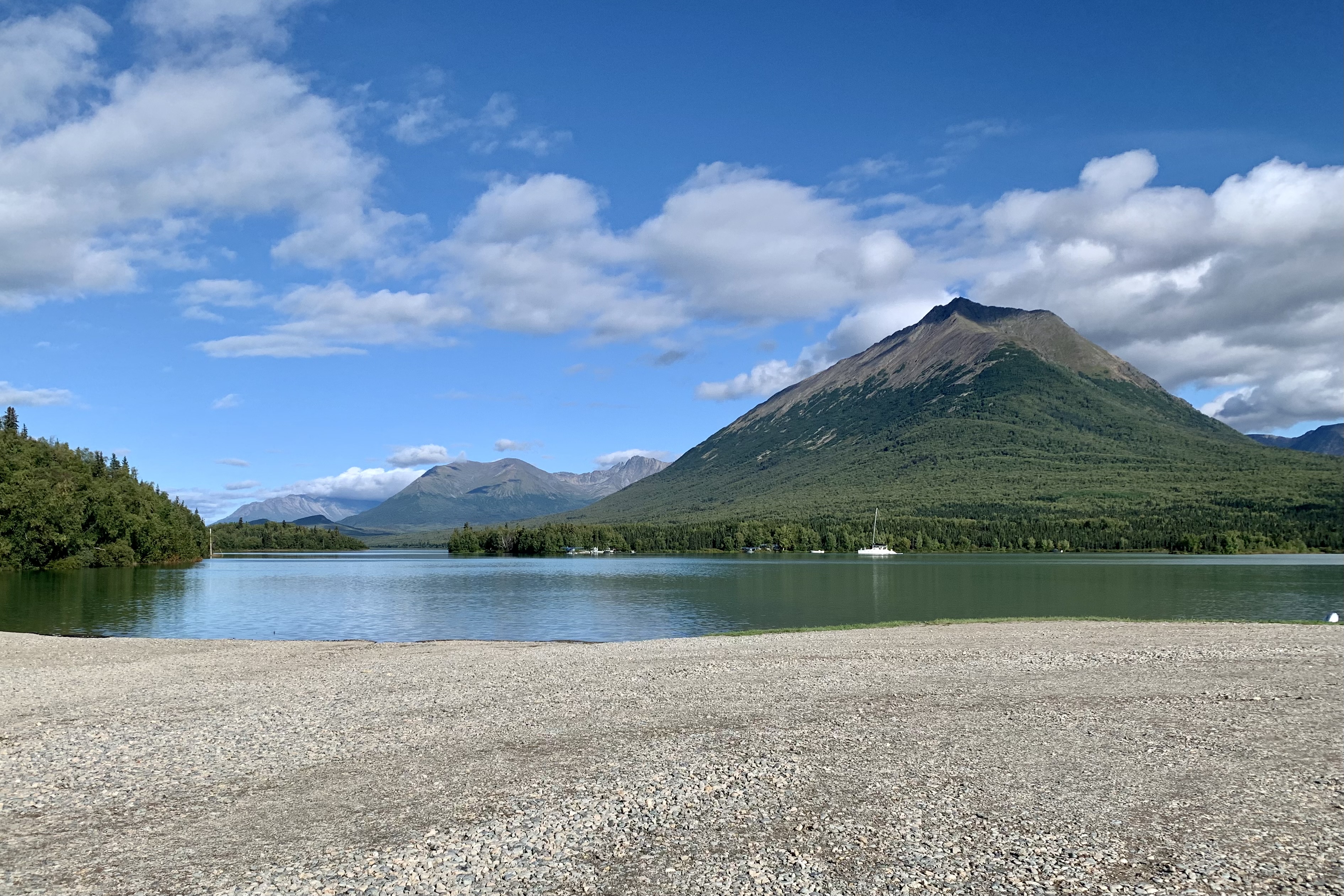
Coming out of the pass my eyes feasted on the amazing  spectacle of the glacier-fed turquoise water of Lake Clark and the  low green rolling hills surrounding it, with the village of Port Alsworth coming into view below. Soon we were in a quick decent  approaching one of the two  parallel, gravel thousand-foot-long runways. We skidded to a halt kicking up a cloud of dust to announce our arrival. What an auspicious beginning to a week-long adventure into the mostly untamed wilderness of these  Alaska parks. 

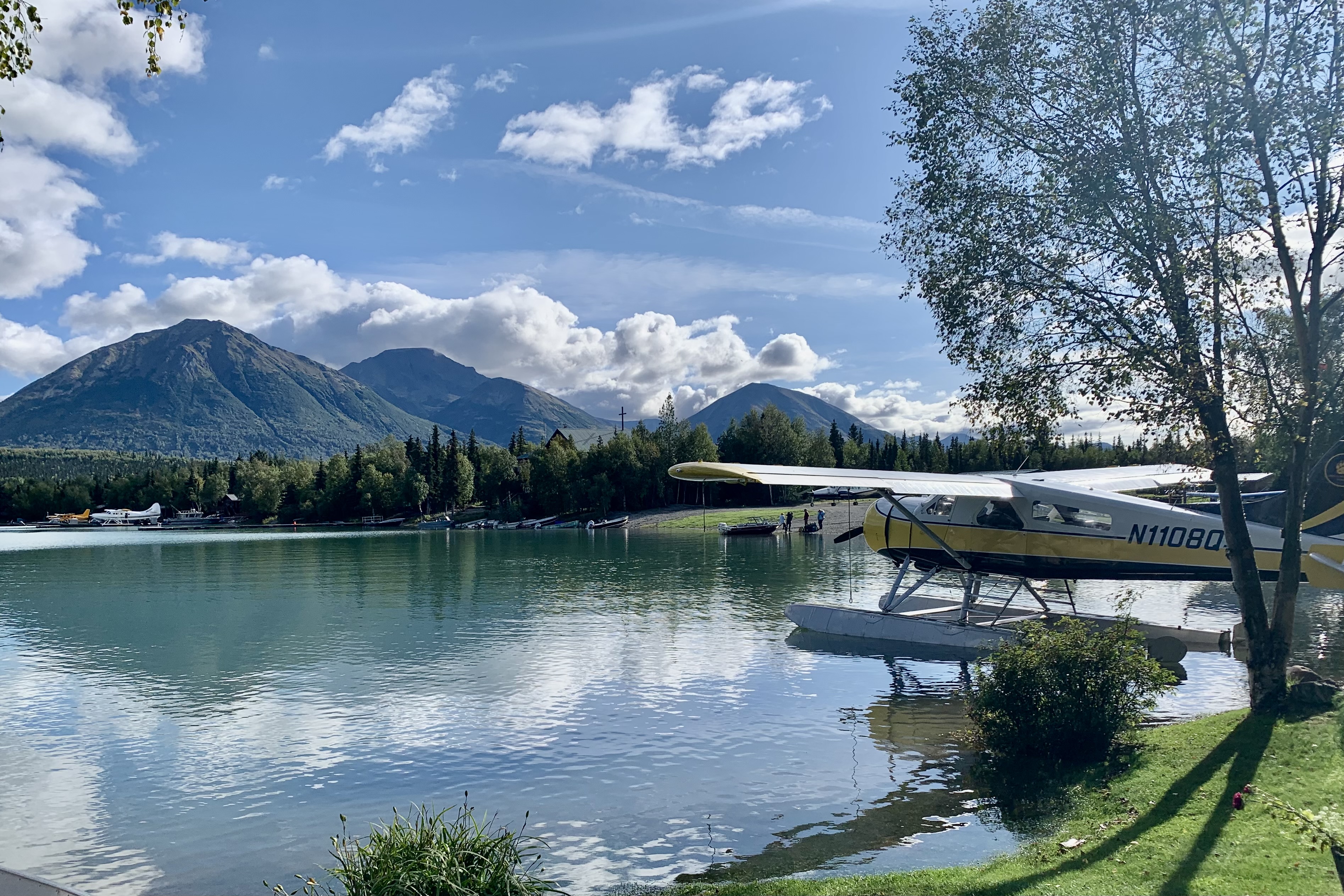
I was not sure what to expect when booking our stay at Lake Clark Farm Lodge. What we got far surpassed what I had anticipated. We settled into our cozy cabin fronting the Lake and I gazed at the float planes parked right outside our door. Had I  expected the quality of the Ritz-Carlton, I would have been sorely disappointed and probably would have much to complain about.  But rooms were adequate, cozy, warm and had decent Keurig coffee pods instead of those lame hotel packets that brew very mildly caffeinated brown water.  But everything else was first-rate. The meals were of exceptional high quality, elegantly served in a rustic dining room with several flights of stairs to climb to reach the main lodge, thus working up an appetite. 

And this was just Day One of of a full week of exploring Lake Clark and Katmai National P arks.