A guided day trip to Twin Lakes was on the schedule for this day. We were advised to be ready for our outing to Twin Lakes around 10:30 am, somewhat later than our normal 9;00 am plane. No sleeping in though because breakfast is served at 7:30. The plan was to drop us with our guide at Upper Twin Lakes where we would be exploring the Hope Creek area where Richard Proenneke, aka” Dick”, the embodiment of wilderness values, self-subsistence, and resourcefulness, lived. From the age of about 51 he lived alone for nearly thirty years (1968–1998) in the mountains of Alaska in a log cabin that he constructed by hand near the shore of Twin Lakes. He definitely is my kind of hero. Dick’s cabin is a National Historic Site and managed by the National Park Service.. We were encouraged to read a book titled One Man’s Wilderness for some background of the areas, Hope Creek, and Teetering Rock. I had download it the night before and had read about half…at least enough to have a good idea of the challenges he faced in building his home and living off the land.


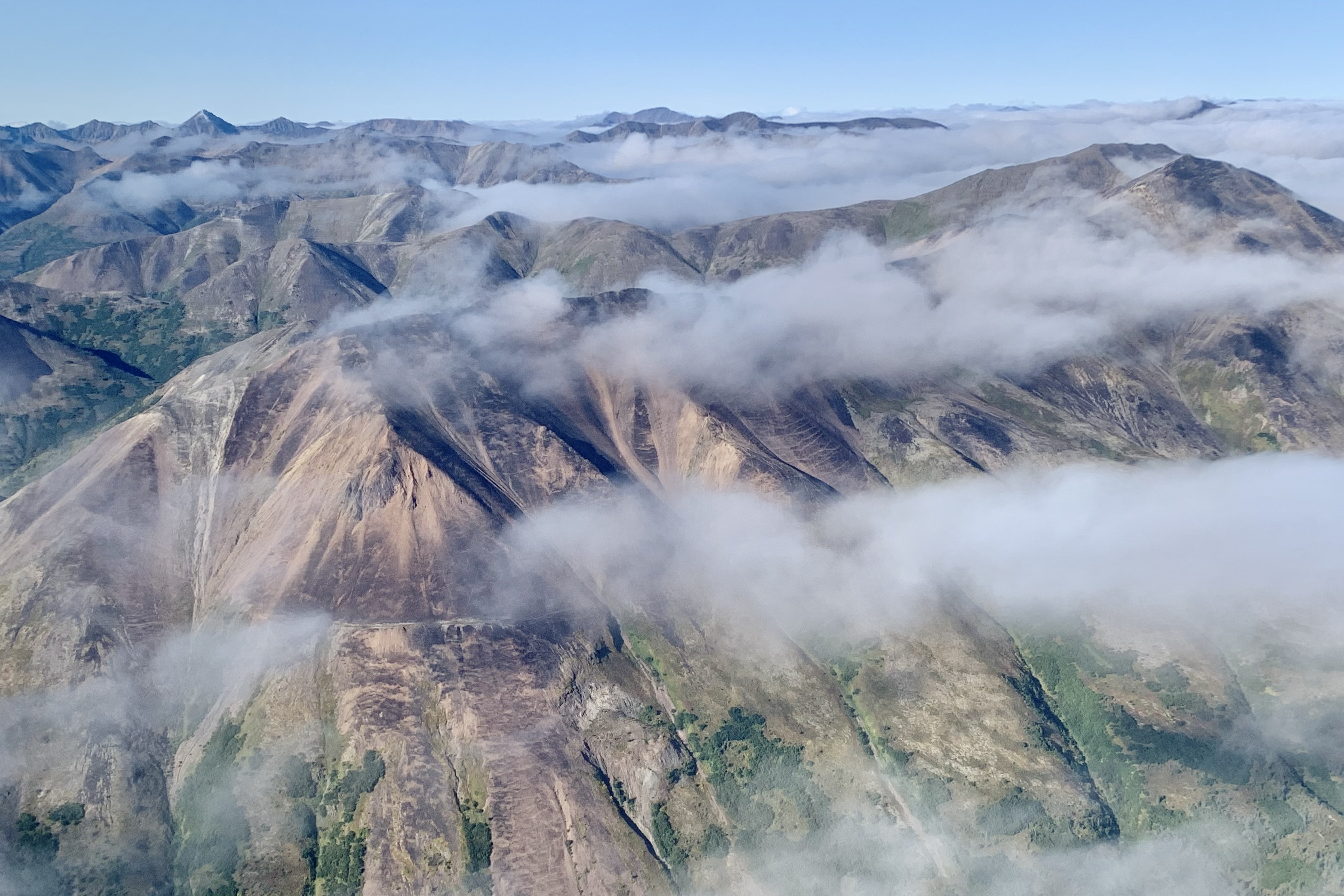
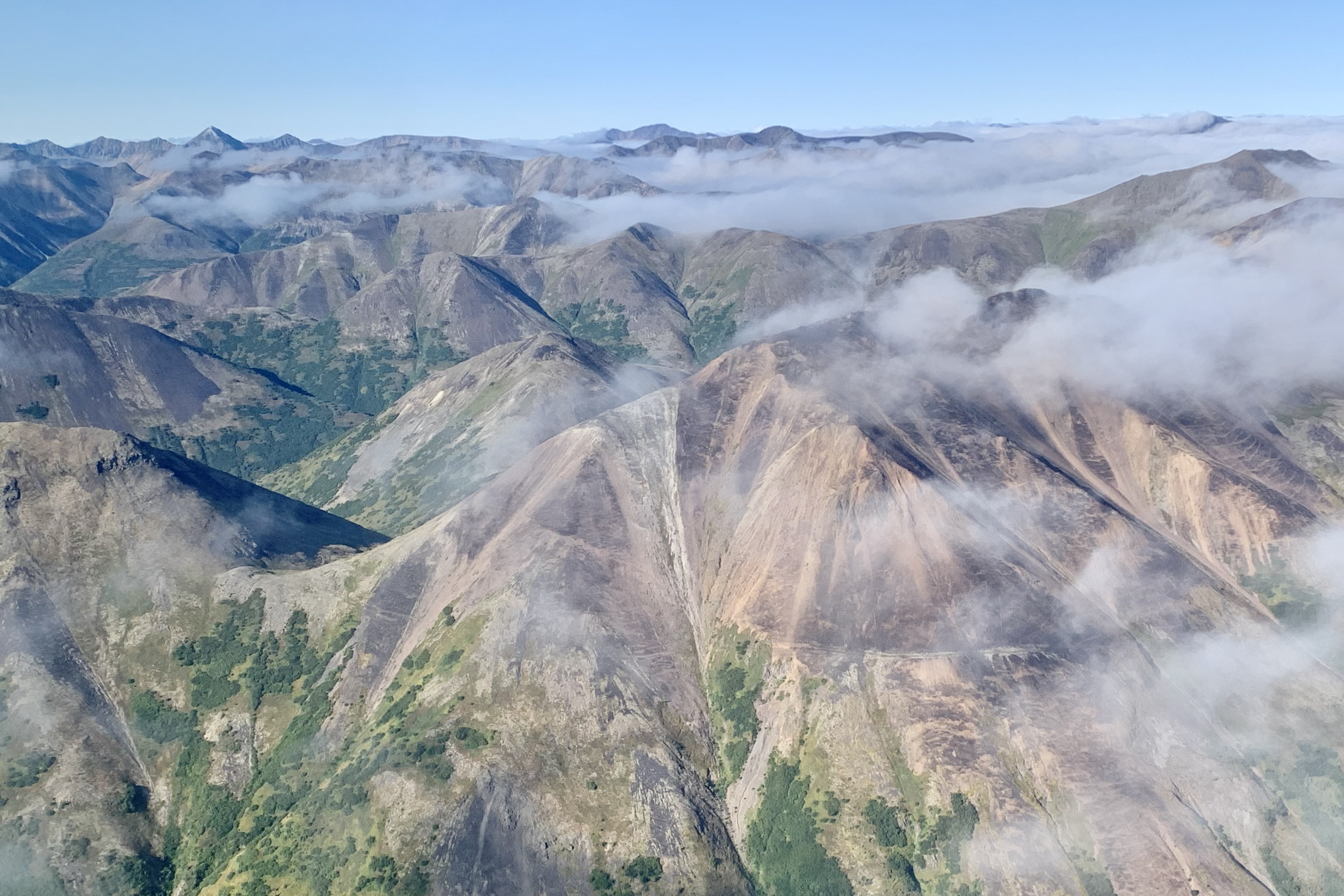
As always, our float plane adventure took us over other stunning scenery of this vast Alaska Wilderness area. Initially the mountains were of a lower elevation and yet to be dressed out in snow. The verdant colors never cease to amaze me but before long we were back over the jagged snow covered peaks.


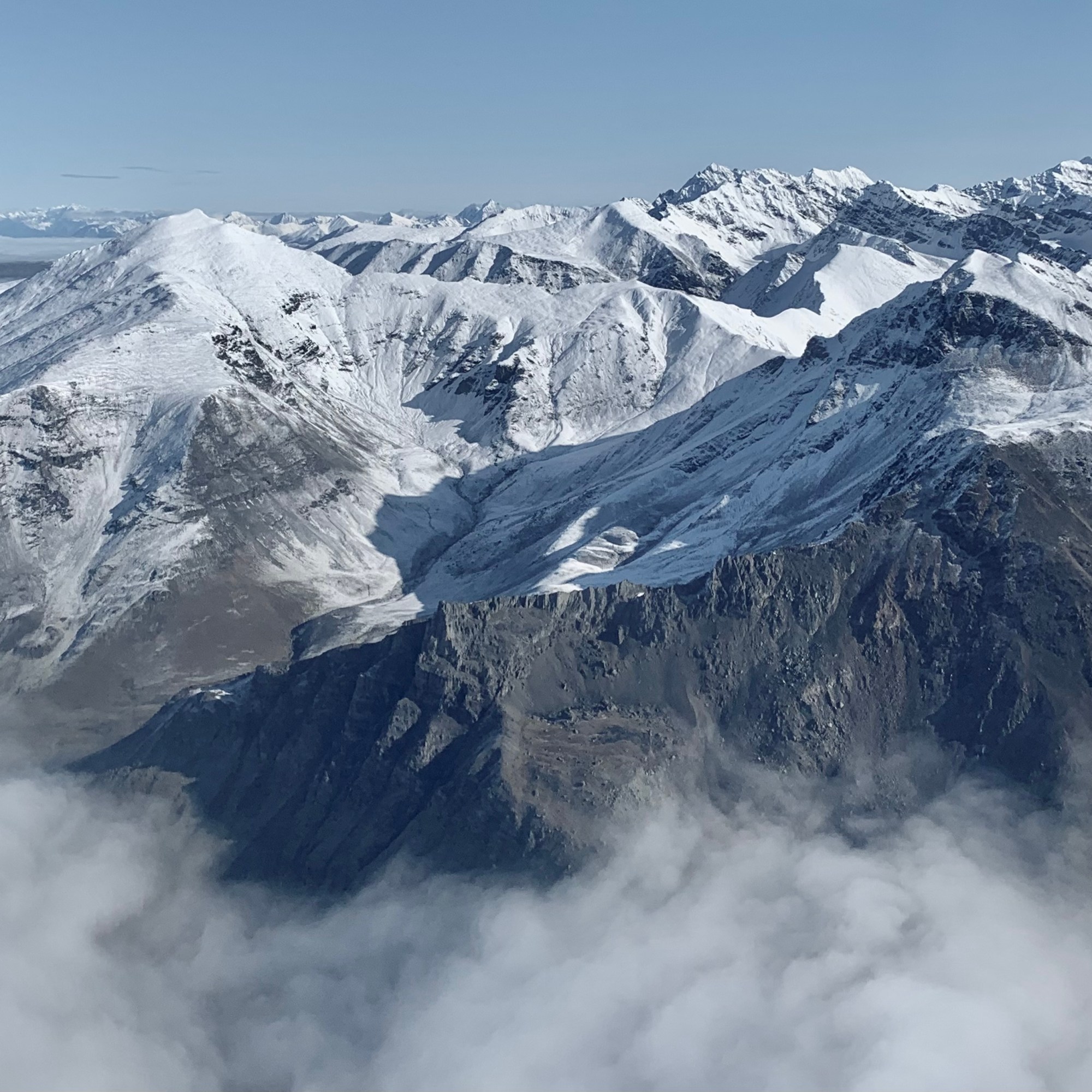
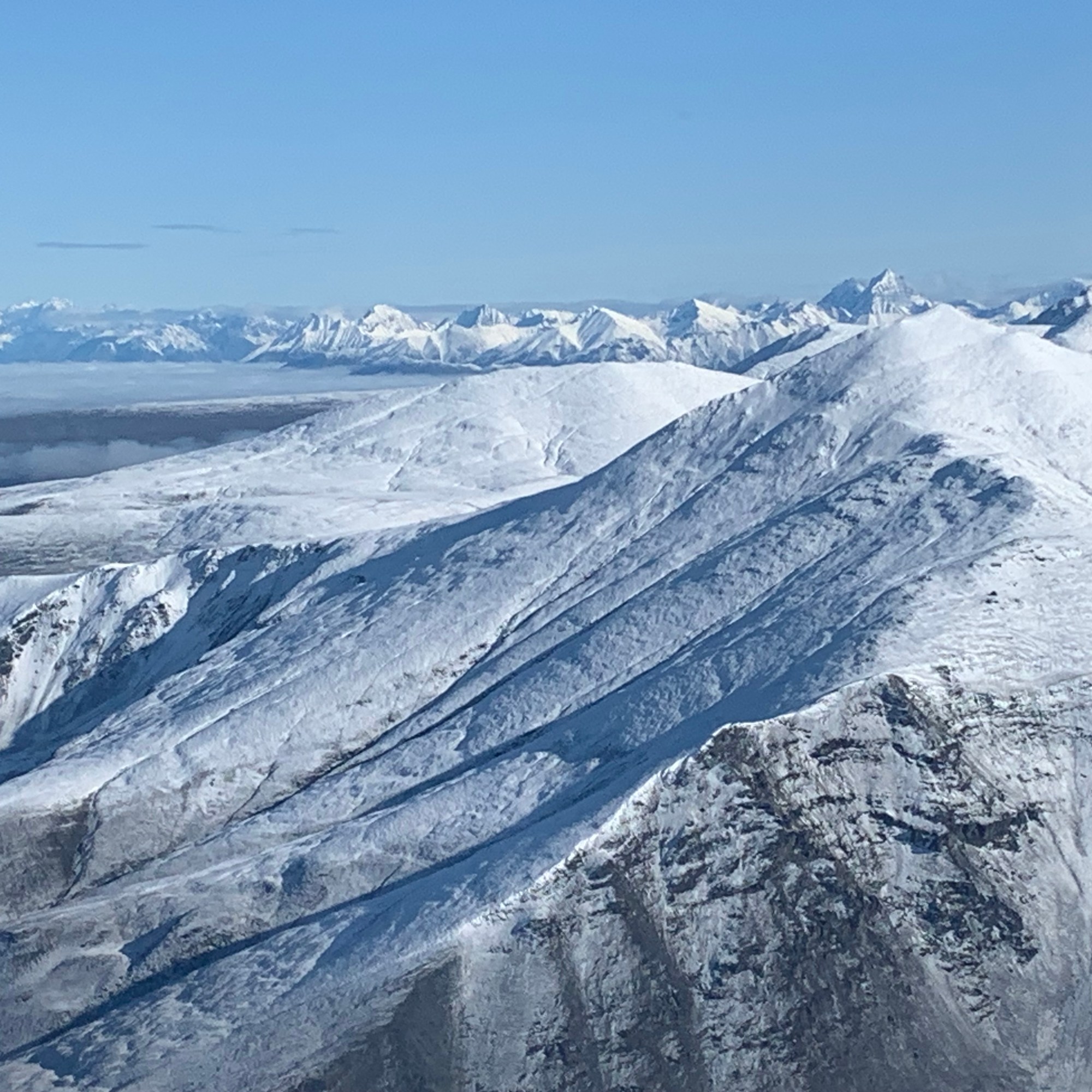
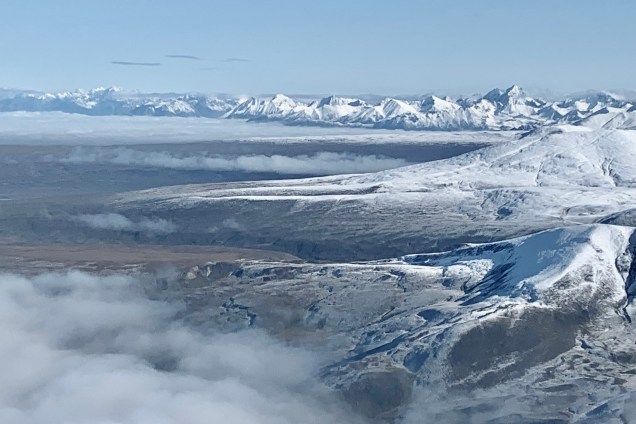
At times the cloud banks were more like ethereal cloaks and misty veils and other times a sea of cottony pillows. Sometimes it seemed as if we were floating on thick layers of the cumulus clouds . Our pilot charted a course up the western side of Lake Clark over fish Trap Lake and the western area of Twin Lakes. Of course I was wildly taking pictures and I am sure if my camera didn’t date them, at times mark there location, and keep them ordered I might assume they were from a previous jaunt… but it never ceases to inspire awe.
It is always interesting to be privy to the pilot talk between planes as they share the conditions all over the area they are experiencing. It began to sound like our adventure on Twin Lakes was a possible “no go” when listening to the floatplane to floatplane chatter. The micro weather systems in the different valleys can be quite disparate and the gist of it was that Twin Lakes was fogged in and landing there was contraindicated. The pilot also had to take into consideration the forecast for later in the afternoon when we were to be picked up and made the determination to take us back to the Lodge and possibly try again after lunch. Within the hour however we were told we would try again tomorrow. Seems that most of the valleys were in layers of fog and the conditions later in the day would deteriorate further. Guess he didn’t want to drop us and not be able to safely retrieve us especially since there were no public sleeping accommodations at the cabin site. Of course I definitely thought it would be a great adventure roughing it out there like “Hero Dick.”
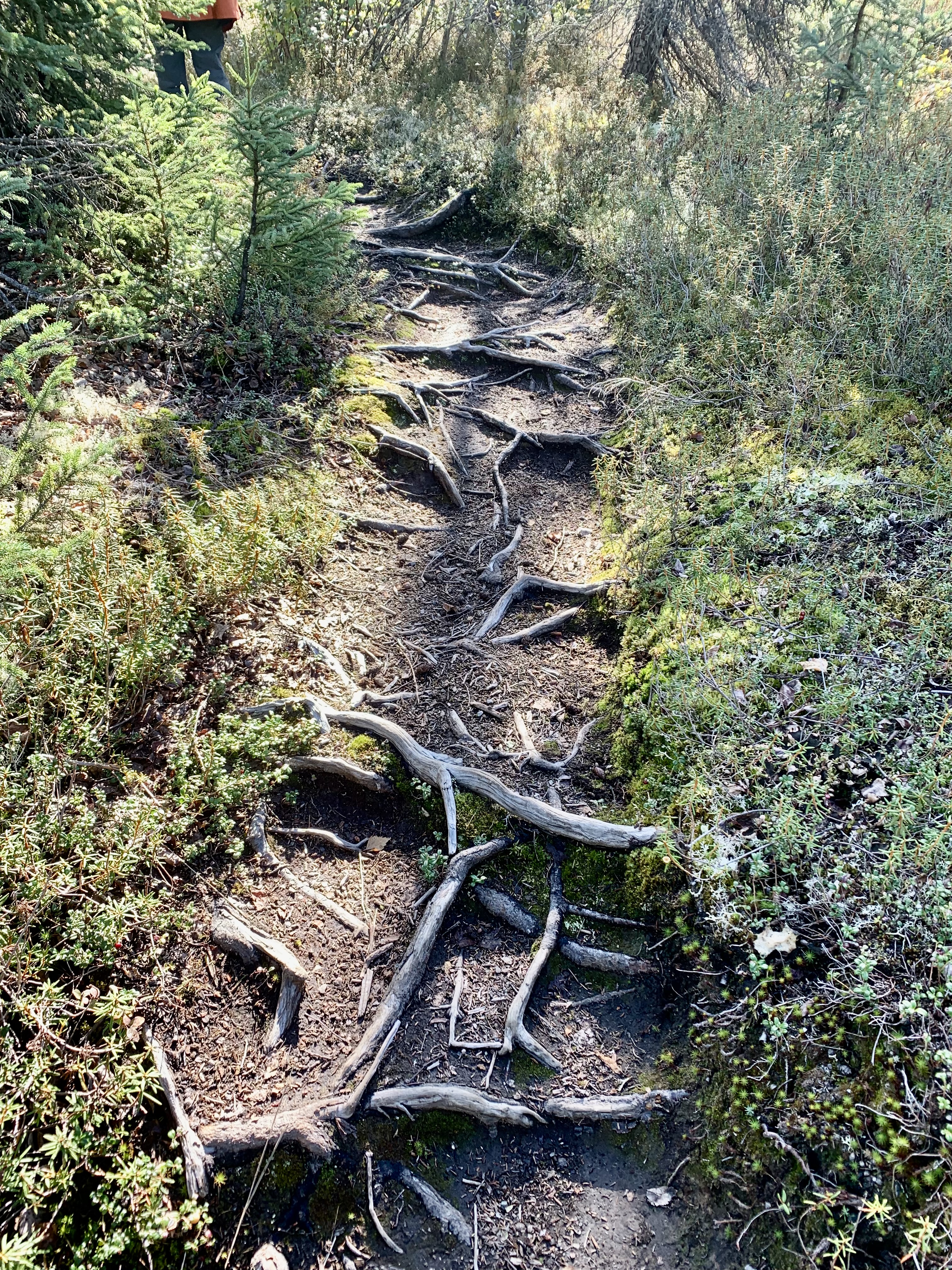
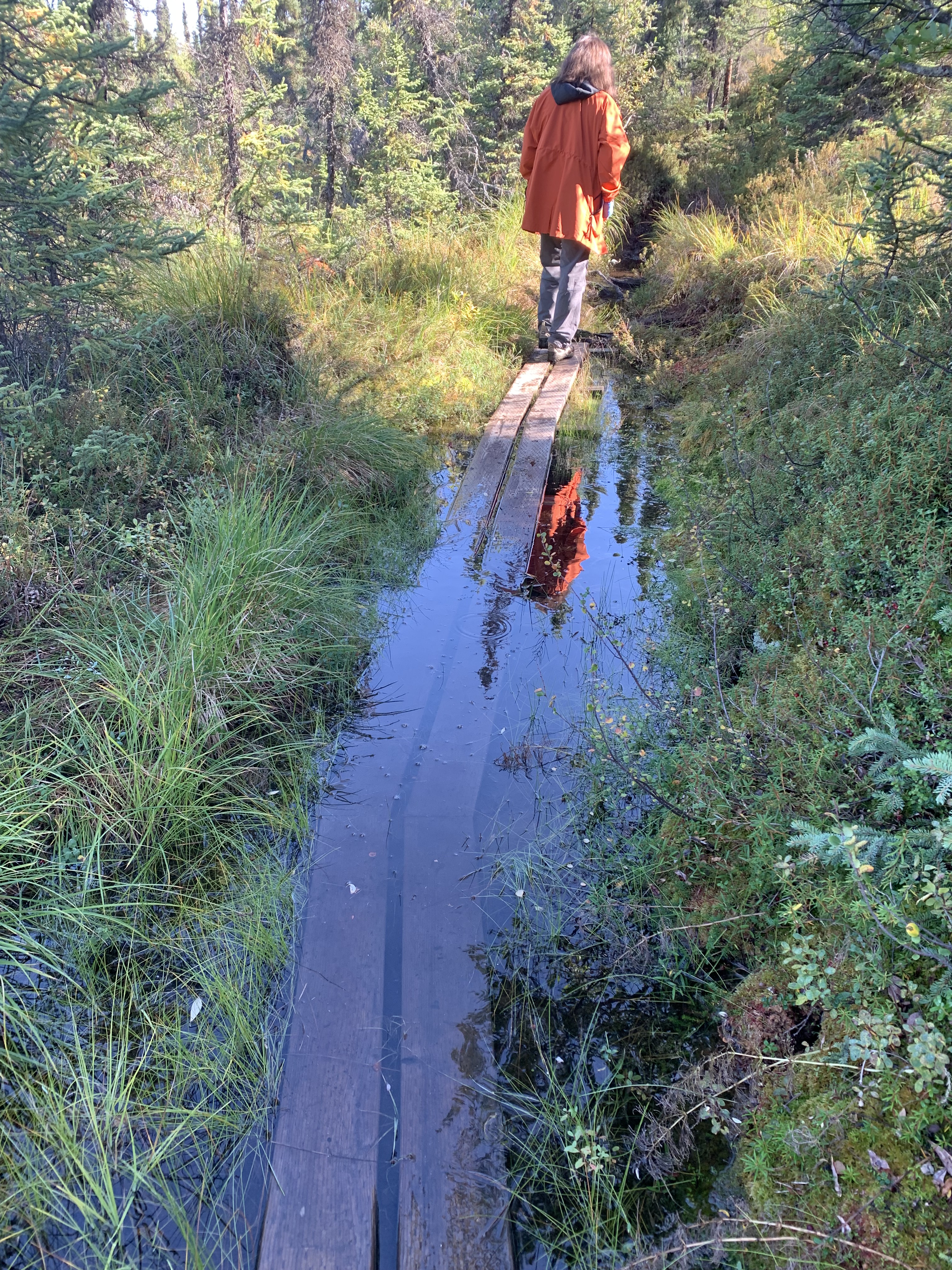
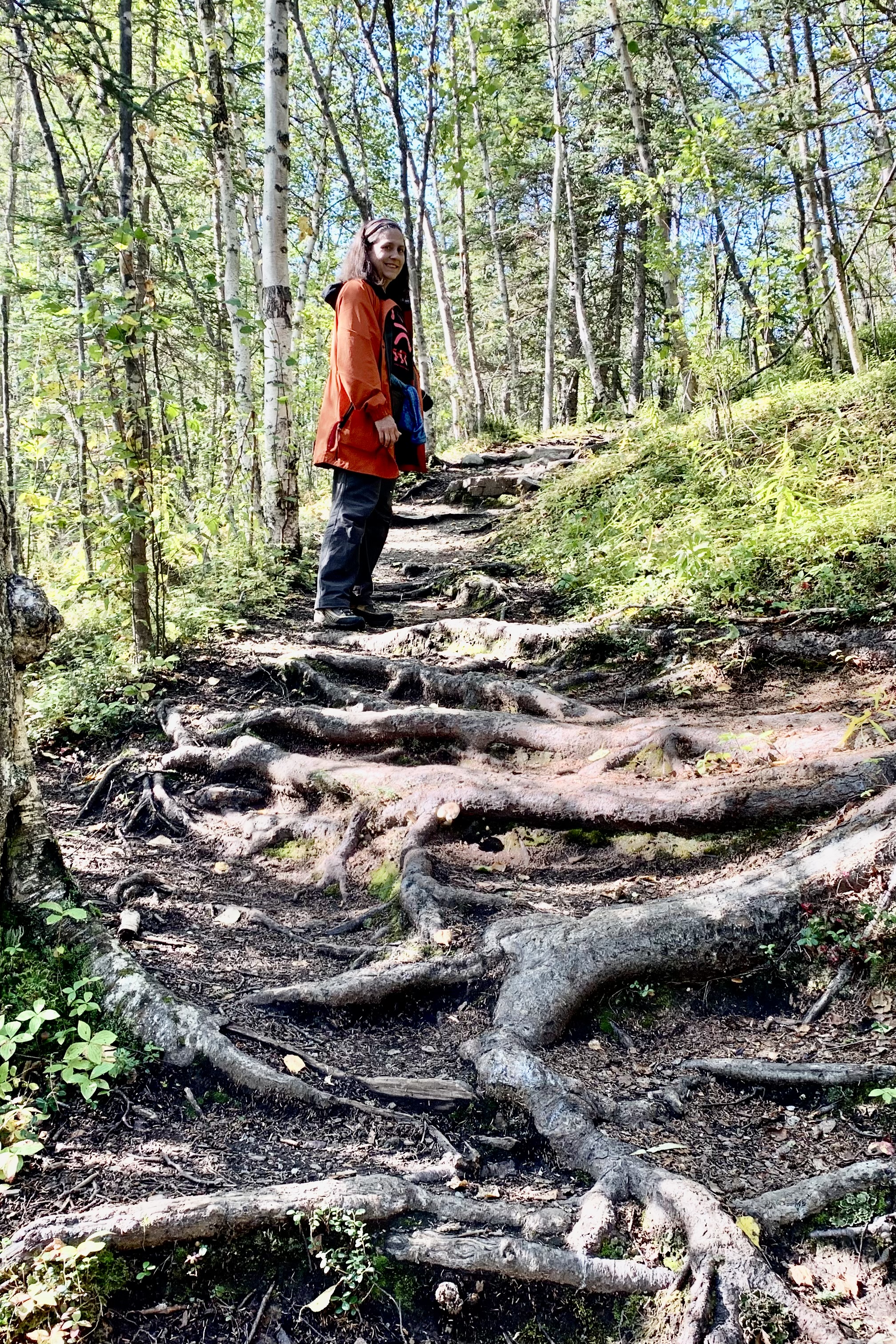
Tasia and I put into action our Plan B which was a visit to the National Park Headquarters and the loop hike to to Tanalian Falls. Naturally though I thought what an adventure it would be to hike the Tanalian Mountain Trail which is described as steep, strenuous and with wonderful views of the area. Fortunately it dawned on me that I have already had many times over the most wonderful views of the area from the floatplane and there was no need to batter my body with a challenging and possibly dangerous hike. So Tasia and I headed out the Beaver Pond Loop Trail on this beautiful sunny afternoon. As I have discovered, most forest trails I have encountered when hiking in Alaska this summer, are staircases of tripping roots, wet muddy bogs, and abounding with a rich variety of flora and fauna, and berries (good grizzly lunchables). It was a delightful to meander upward towards the falls but sadly there were no beaver or beaver dam sightings on this Beaver Loop Trail.

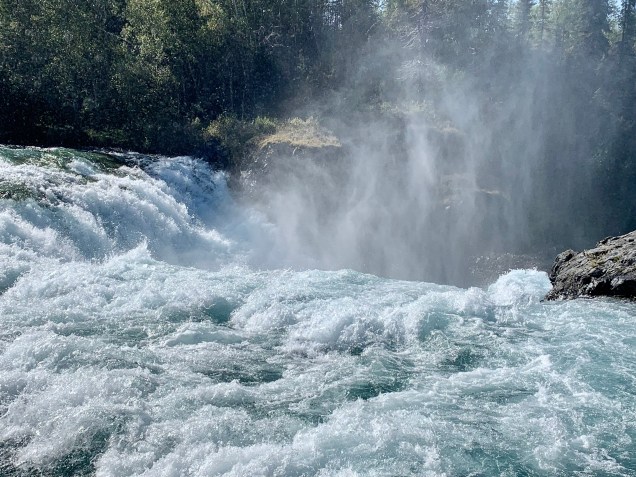
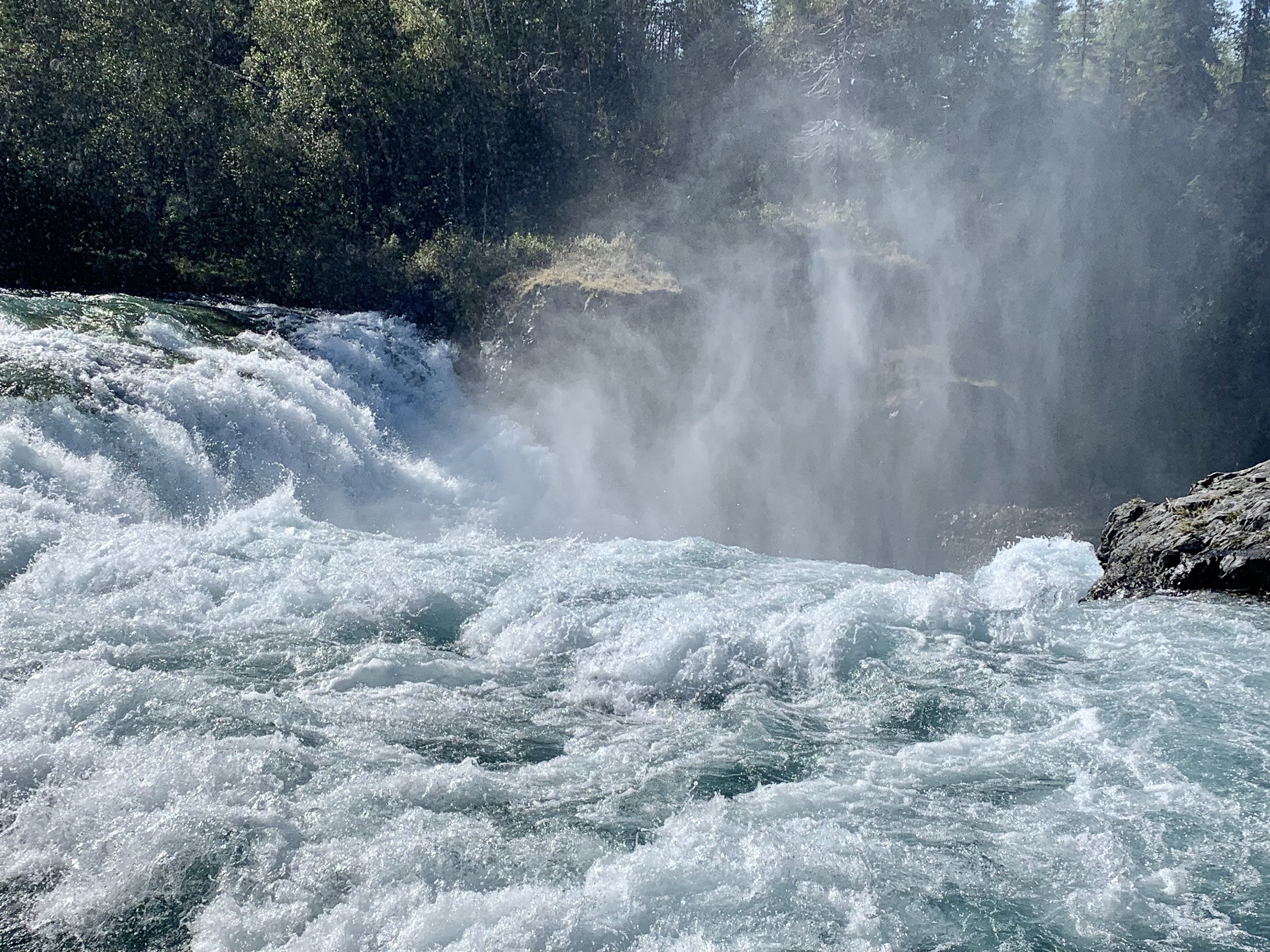
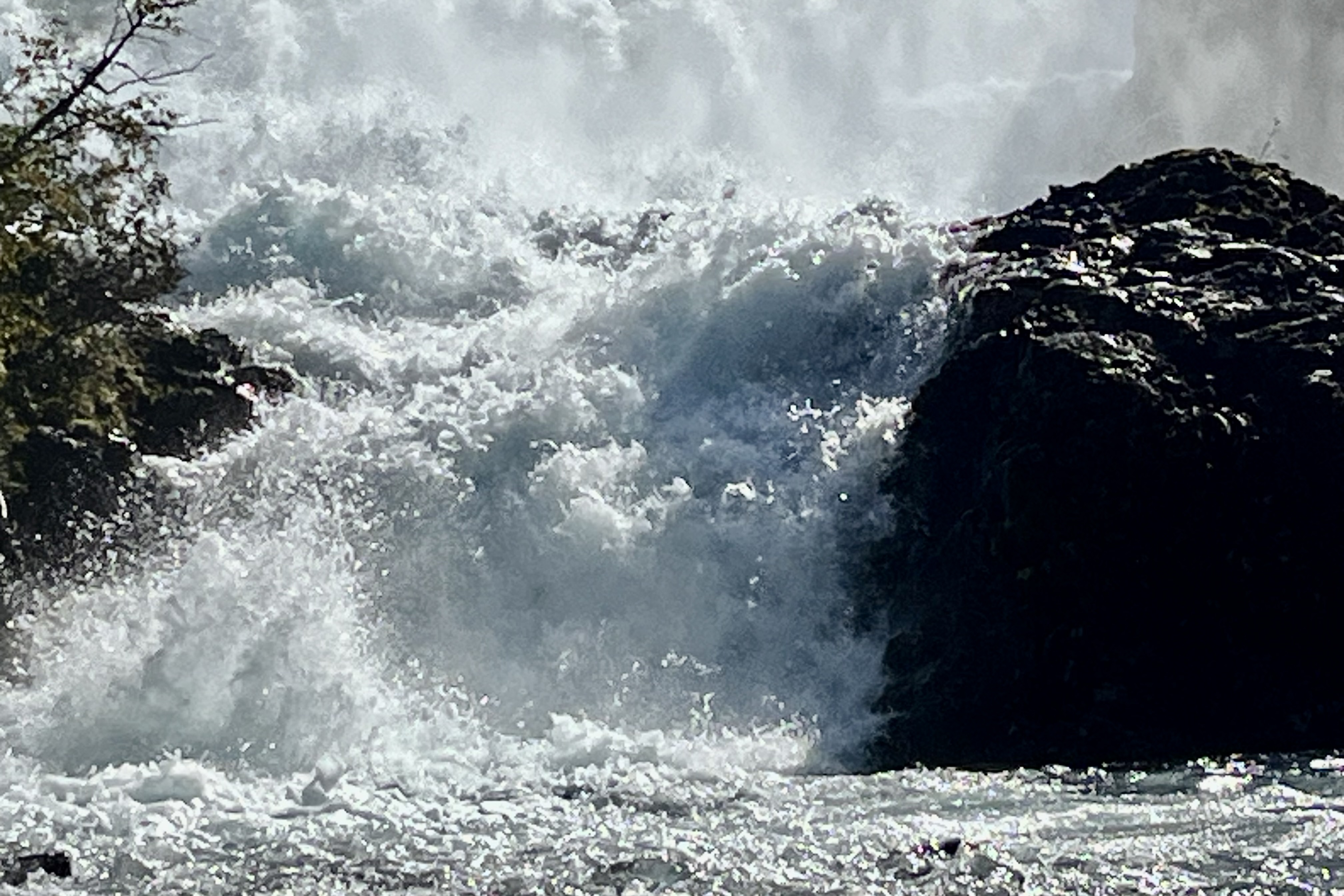
After about two miles of a mostly uphill trek we were finally able to hear the roar of the gushing water and see the mist in the air from the sheer force of the water tumbling down the escarpment. We followed the trail to the top of the falls and it was breathtaking to just stand there and experience the grandeur and power of this cascade of water.
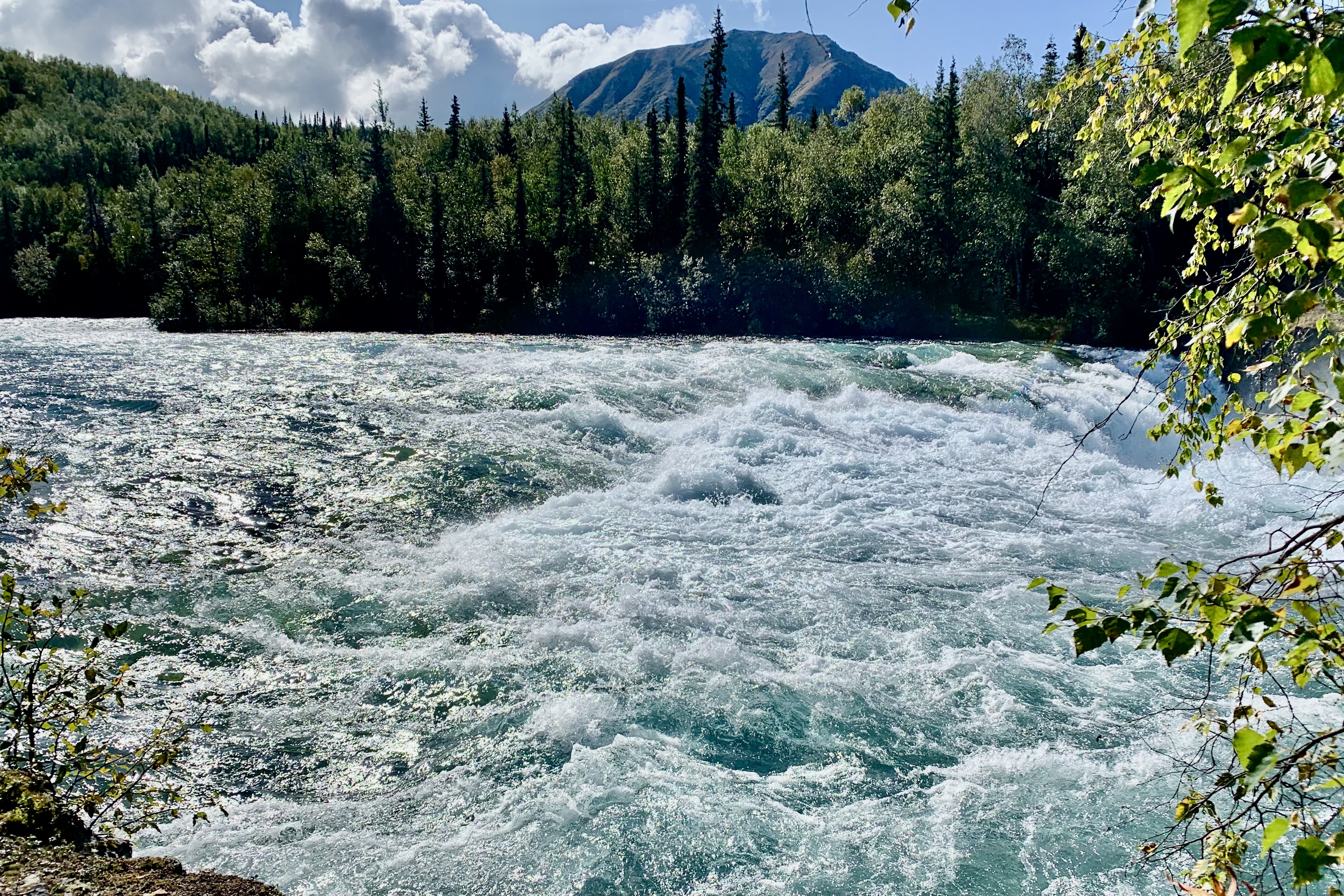

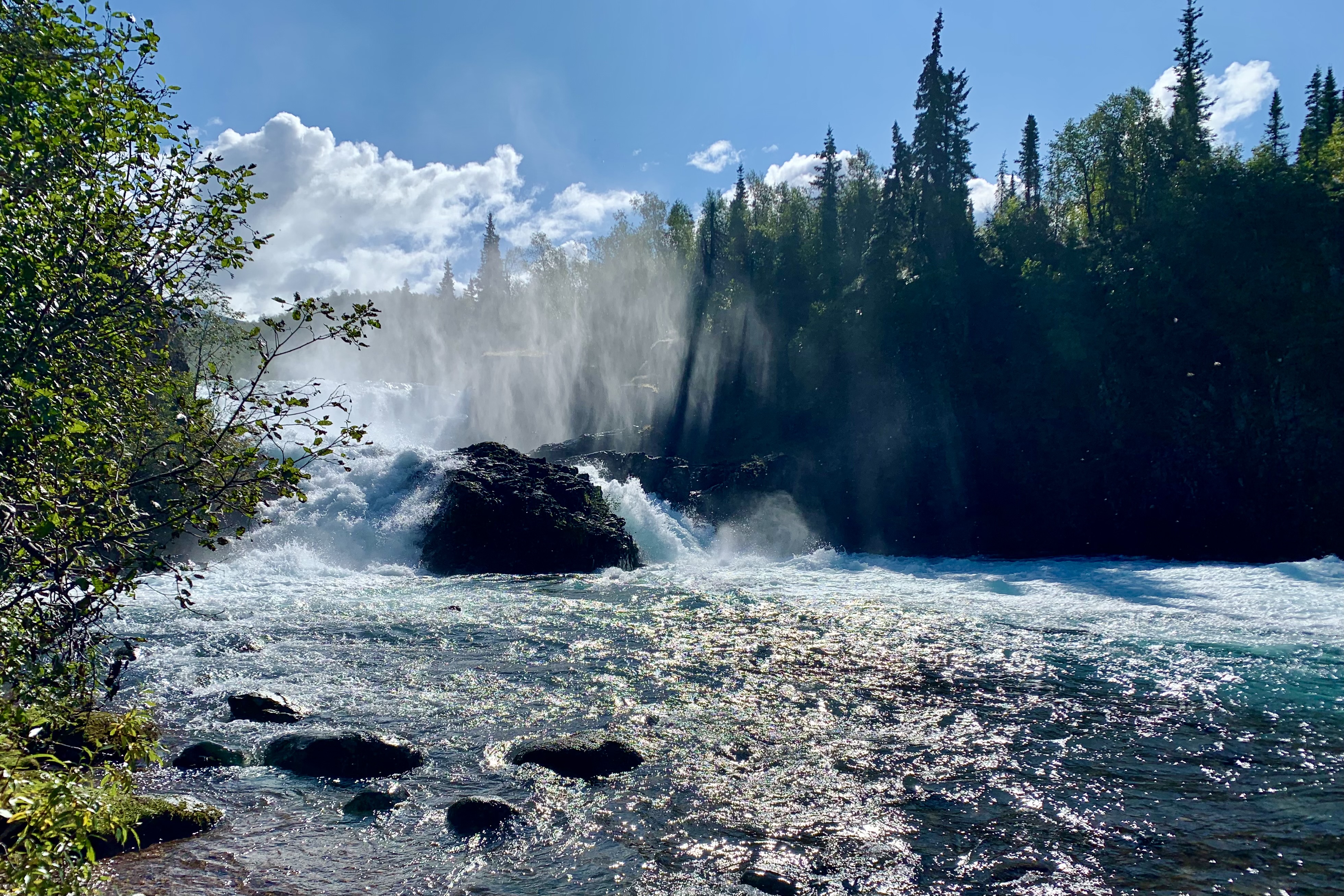
After soaking up the wonderful energy at “top-o-the-falls” we followed the trail back and headed to the bottom of the falls to experience this unbridled power as the water roared into the Tanalian River before we headed back to the forest tail.

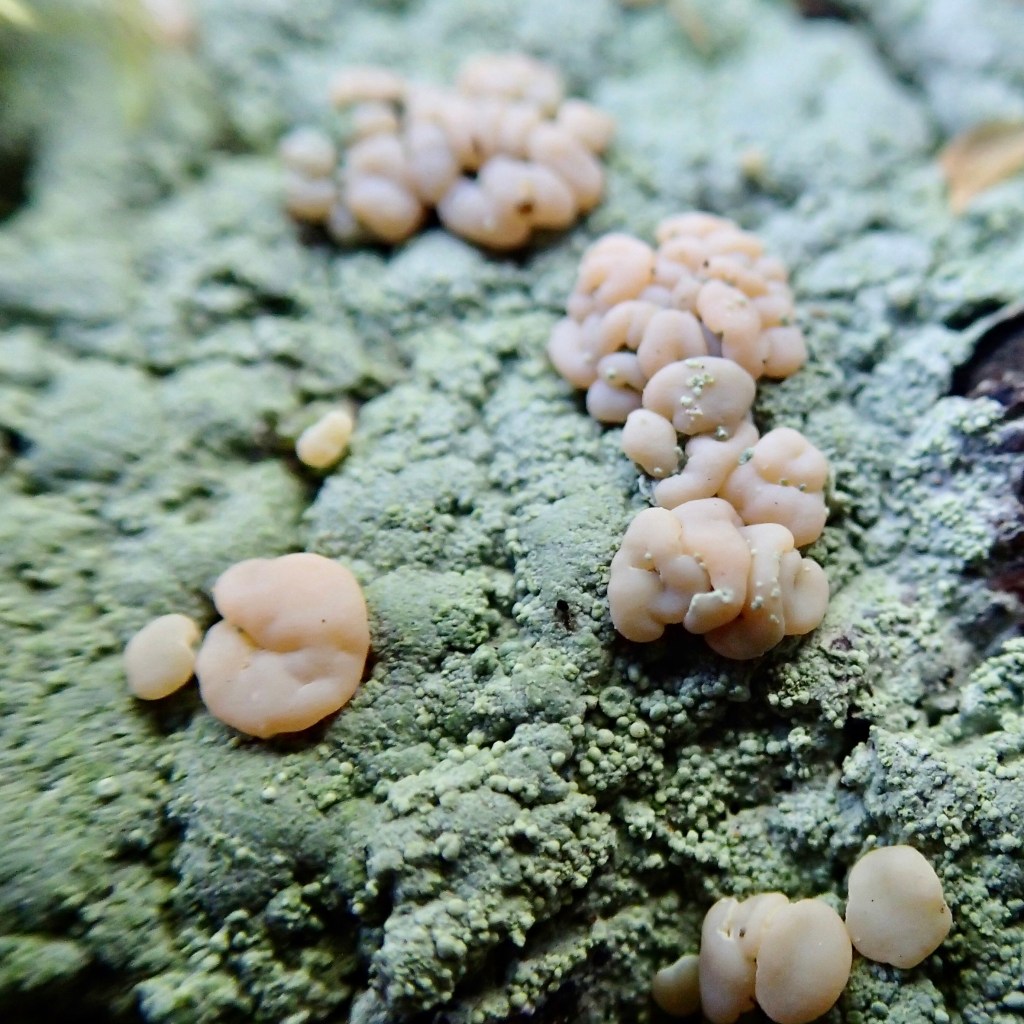
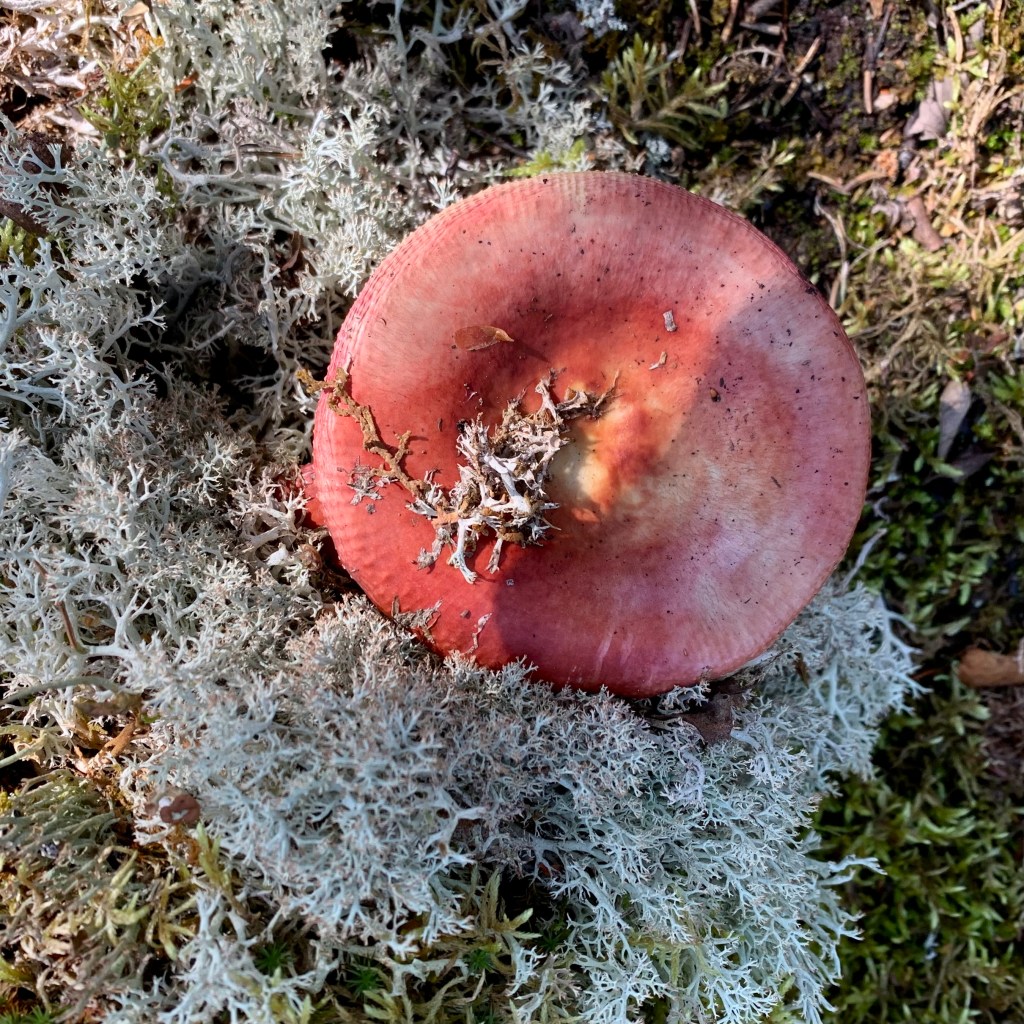
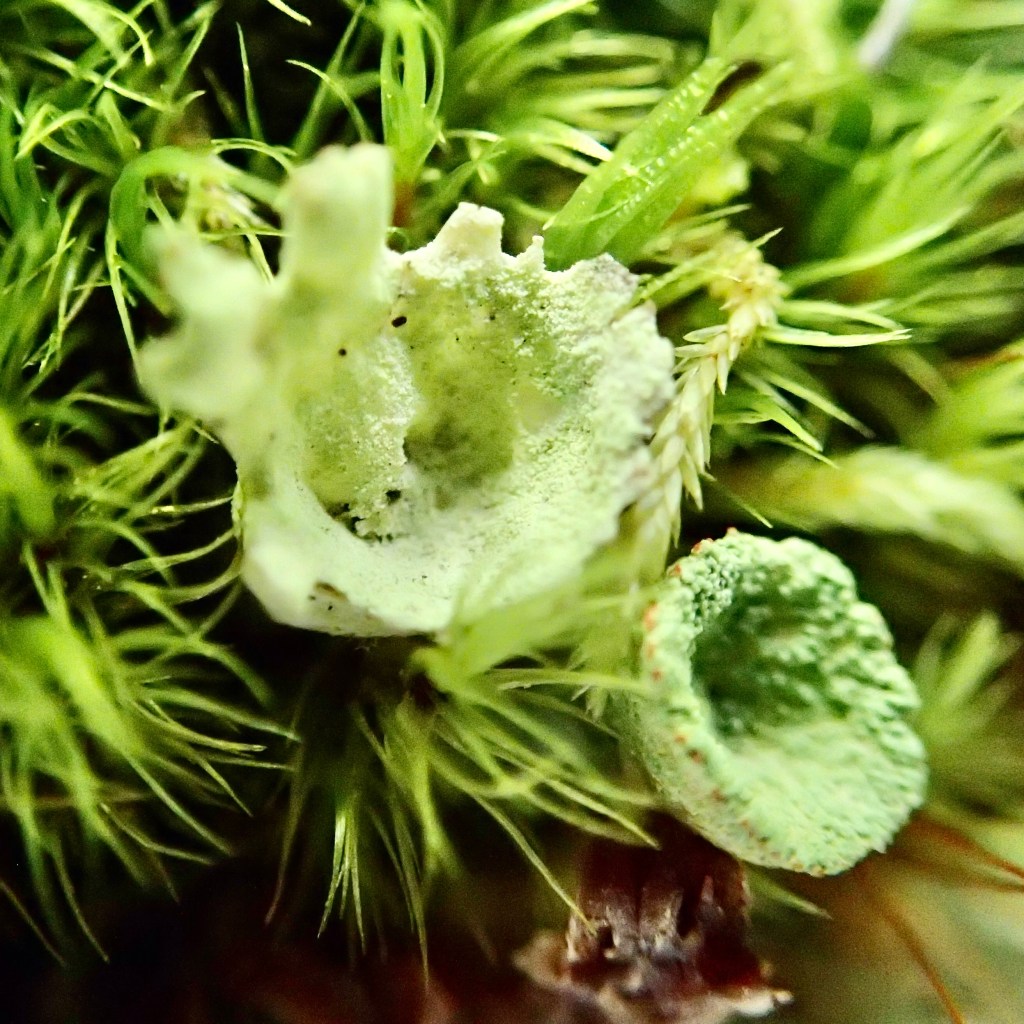
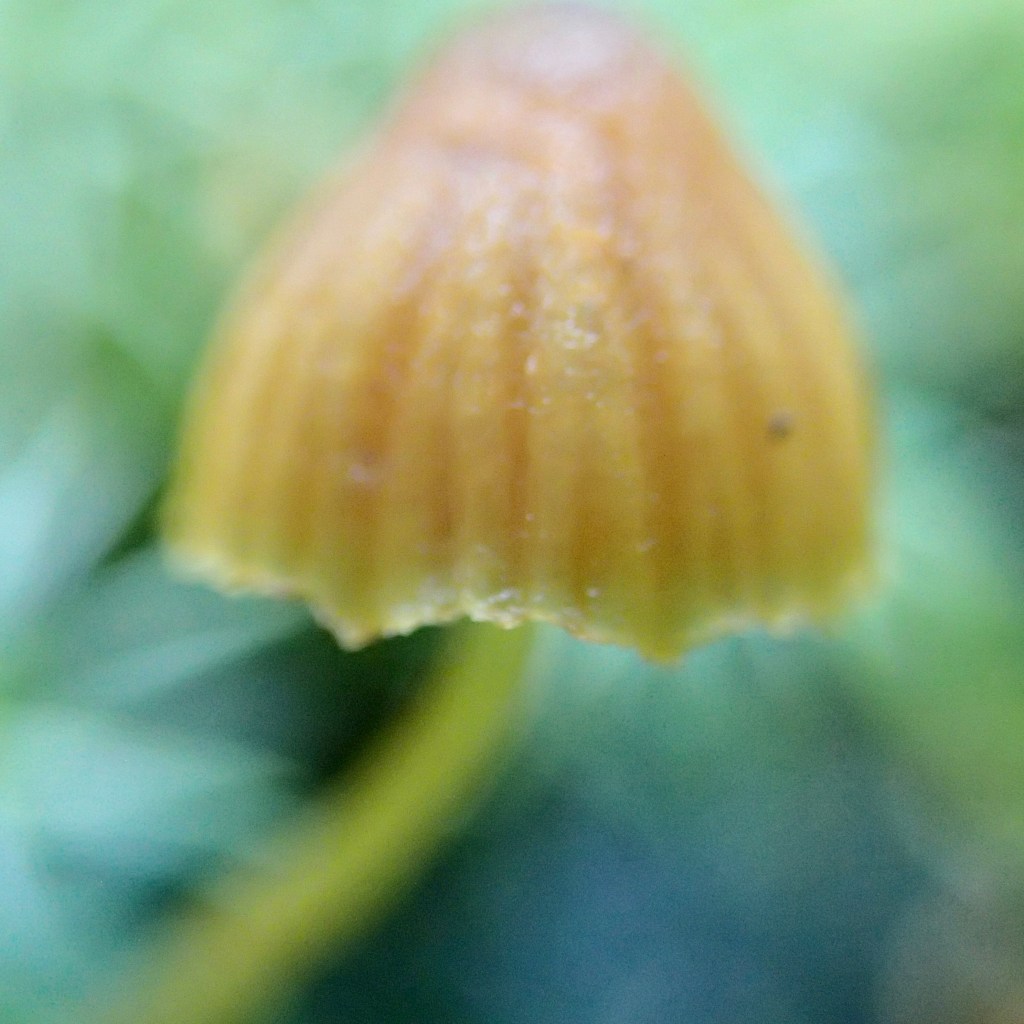
The return trail wandered through this forest thick with a diverse array of fungi which were just begging Tasia to cast her artist’s eye to memorialize them in our travel blog.


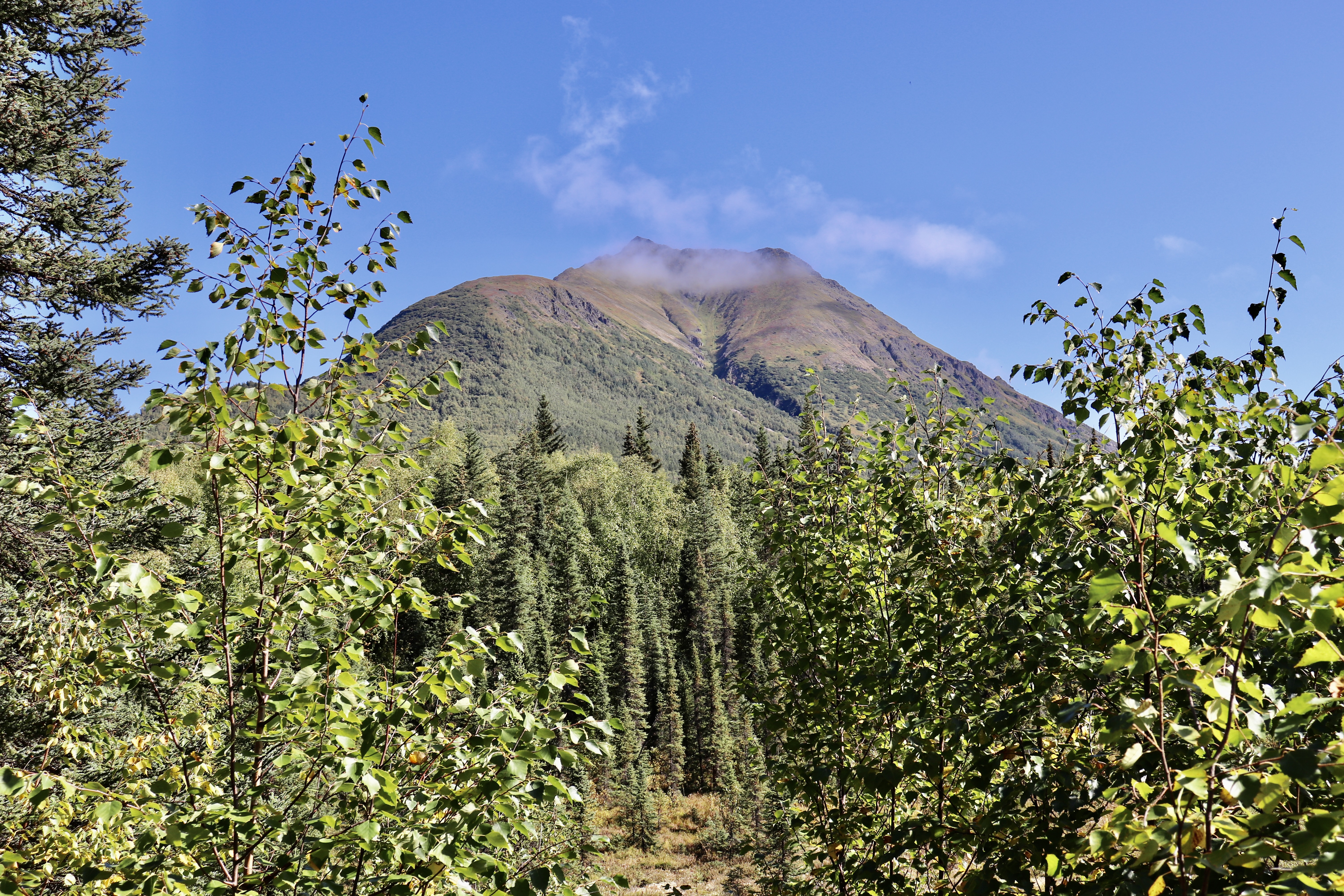
This trail, the Falls and Lake Trail, offered a more diverse landscape with views of the Tanalian River, tranquil ponds, Tanalian Mountain, and a panoramic view of our lodge in the distance.


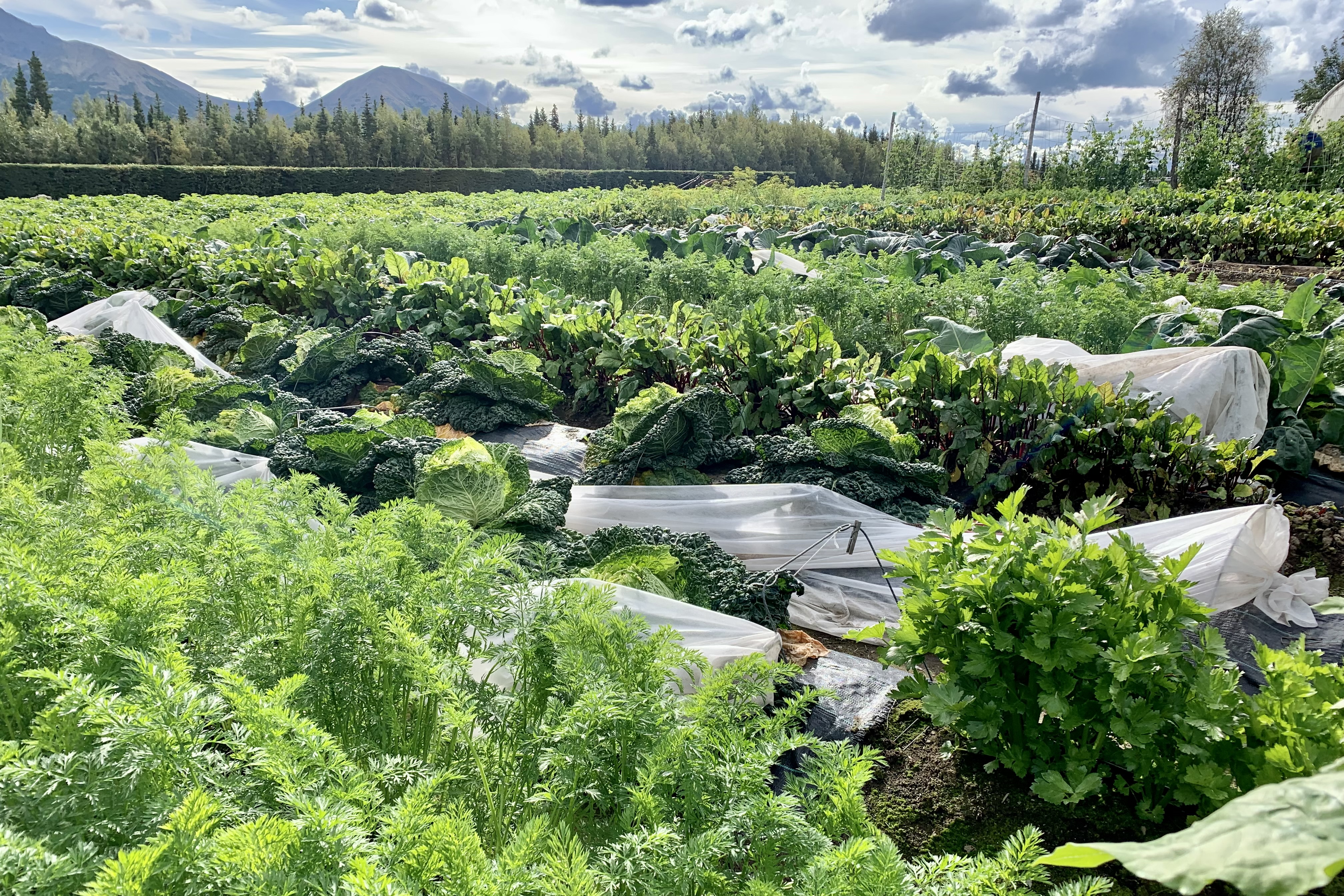
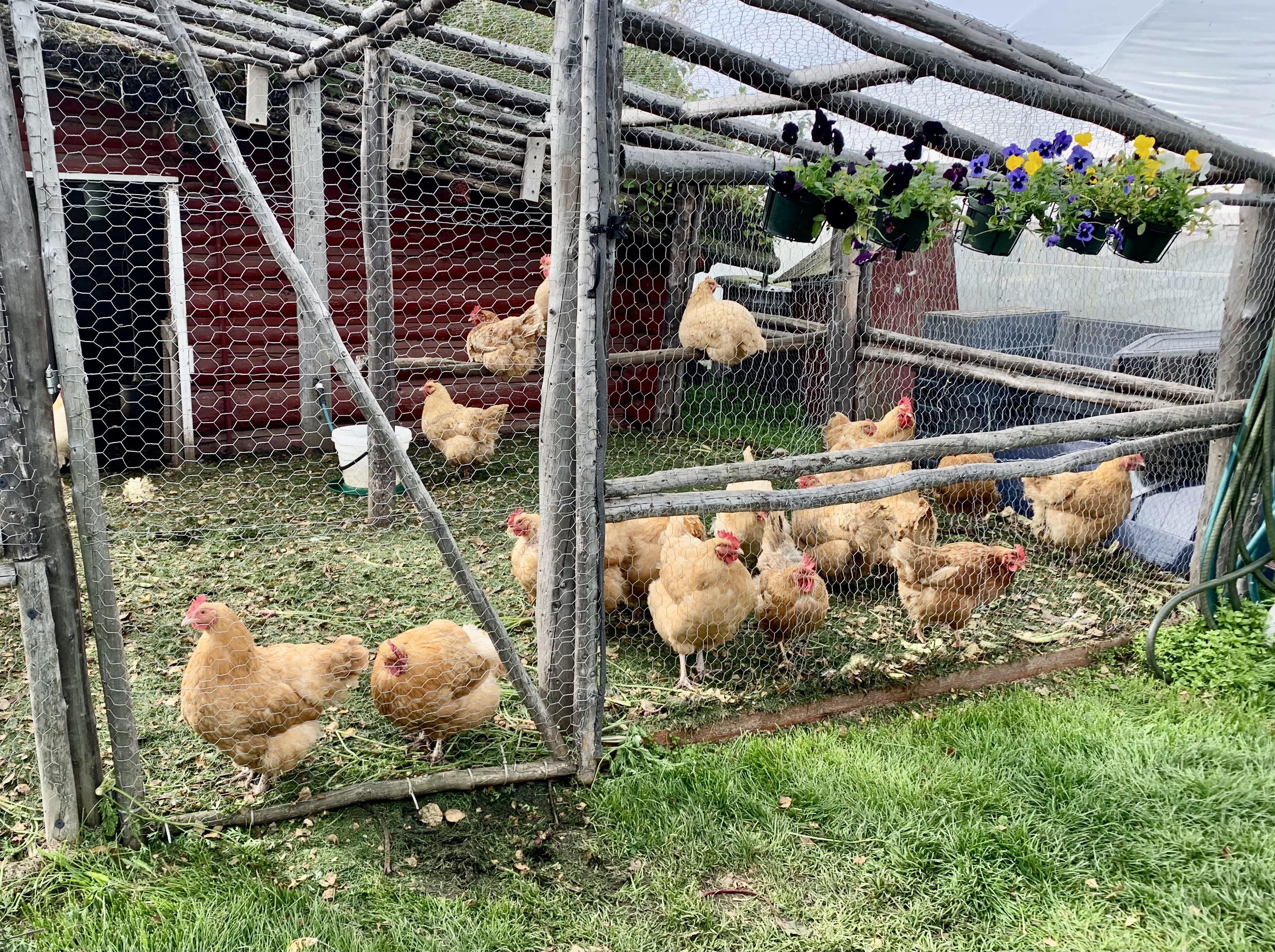
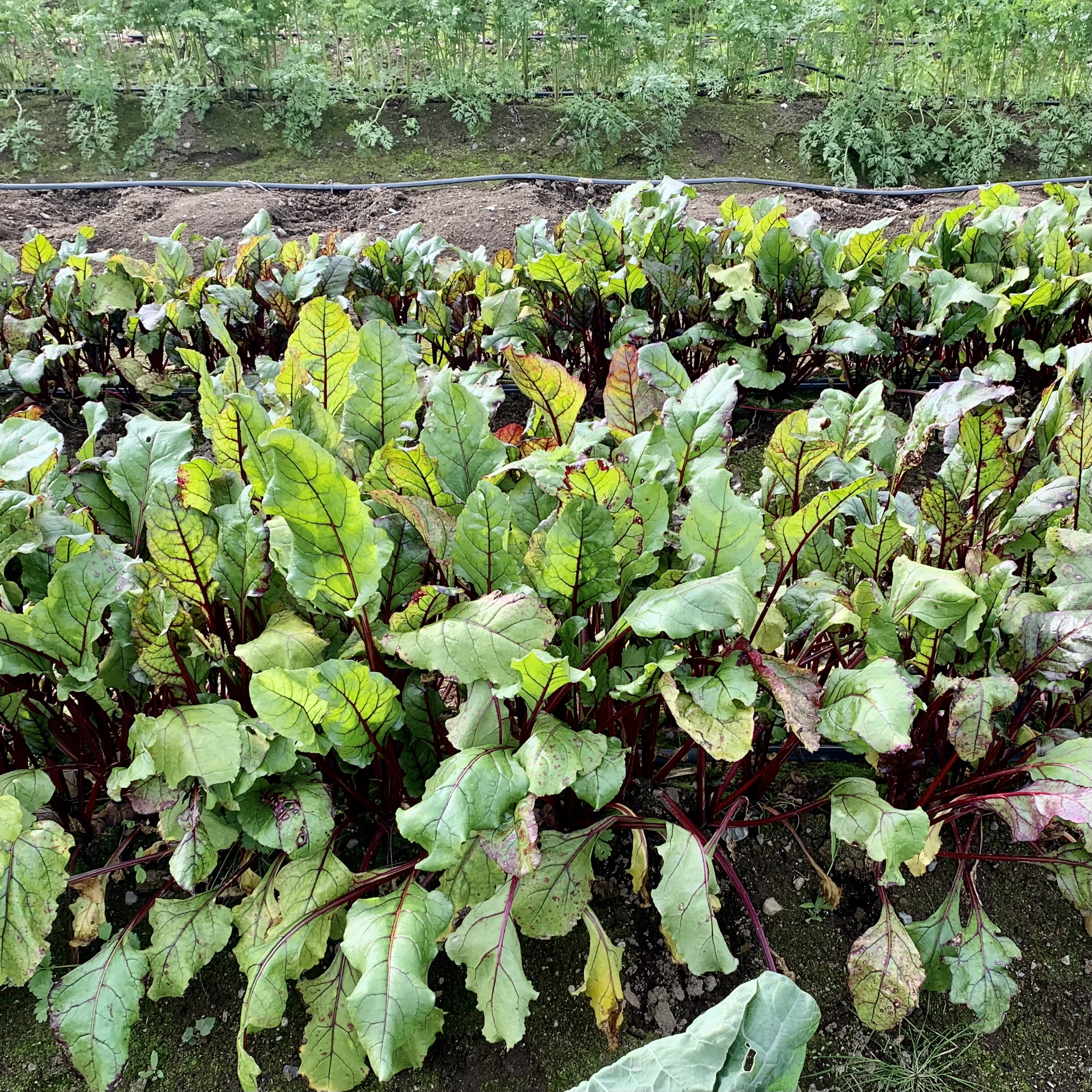
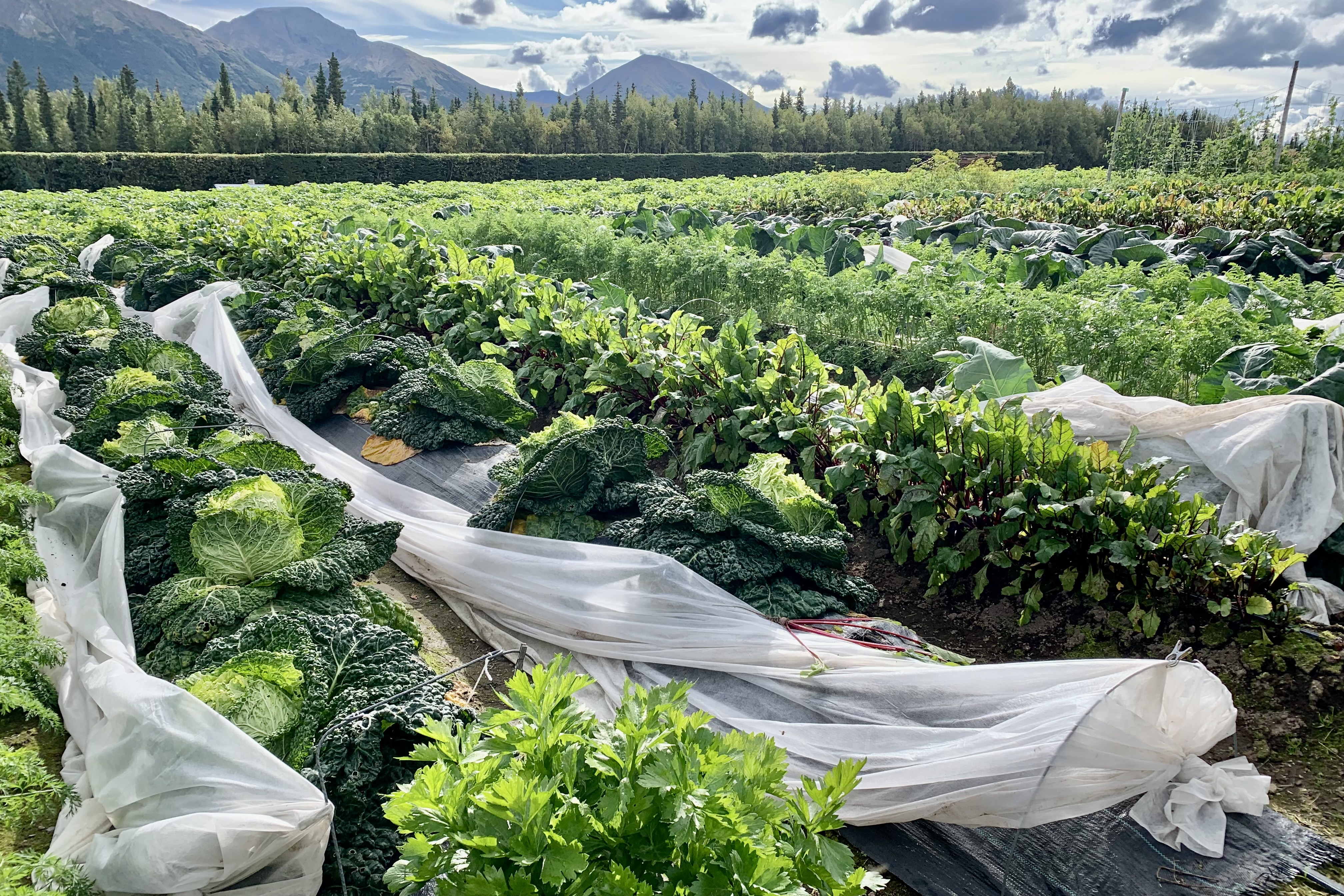
Once back at Lake Clark Farm Lodge, I decided a tour through the “farm” area was in order as I hadn’t yet taken the time to explore this “working farm” with it’s vegetable garden. From a distance it appeared quite impressive. We had been enjoying wonderful salads and fresh vegetable at every dinner from the garden . The vegetables in the garden were a la Alaska style. Alaska typically has a very short summer growing season, only 105 days, on average. Despite this short summer growing season, Alaska farmers have the advantage of the midnight sun enjoying as much as 20 hours a day of sunlight during the summer months. The vegetables love it but without blackout curtains sleeping in the midnight sun for a human can be challenging. The extra hours of sunlight allows Alaskan crops to just bask in the sun and keep growing and growing because of a longer photosynthesis window each day, resulting in bigger sweeter produce. There were hardier crops such as potatoes, cabbage, kale and cauliflower in large plots outside and the less hardy in in the green houses. Every evening I watched the gardeners covering rows and rows of some of the plants but not all. I came to find out that, what I assumed was an attempt to protect them from the colder night air or possibly insects, was to actually keep the moose from having an evening feast or big old garden party. Additionally there were fresh egg options at breakfast from the resident chickens in the hen dominated coop though there was one strutting rooster maintaining order and establishing the pecking order .



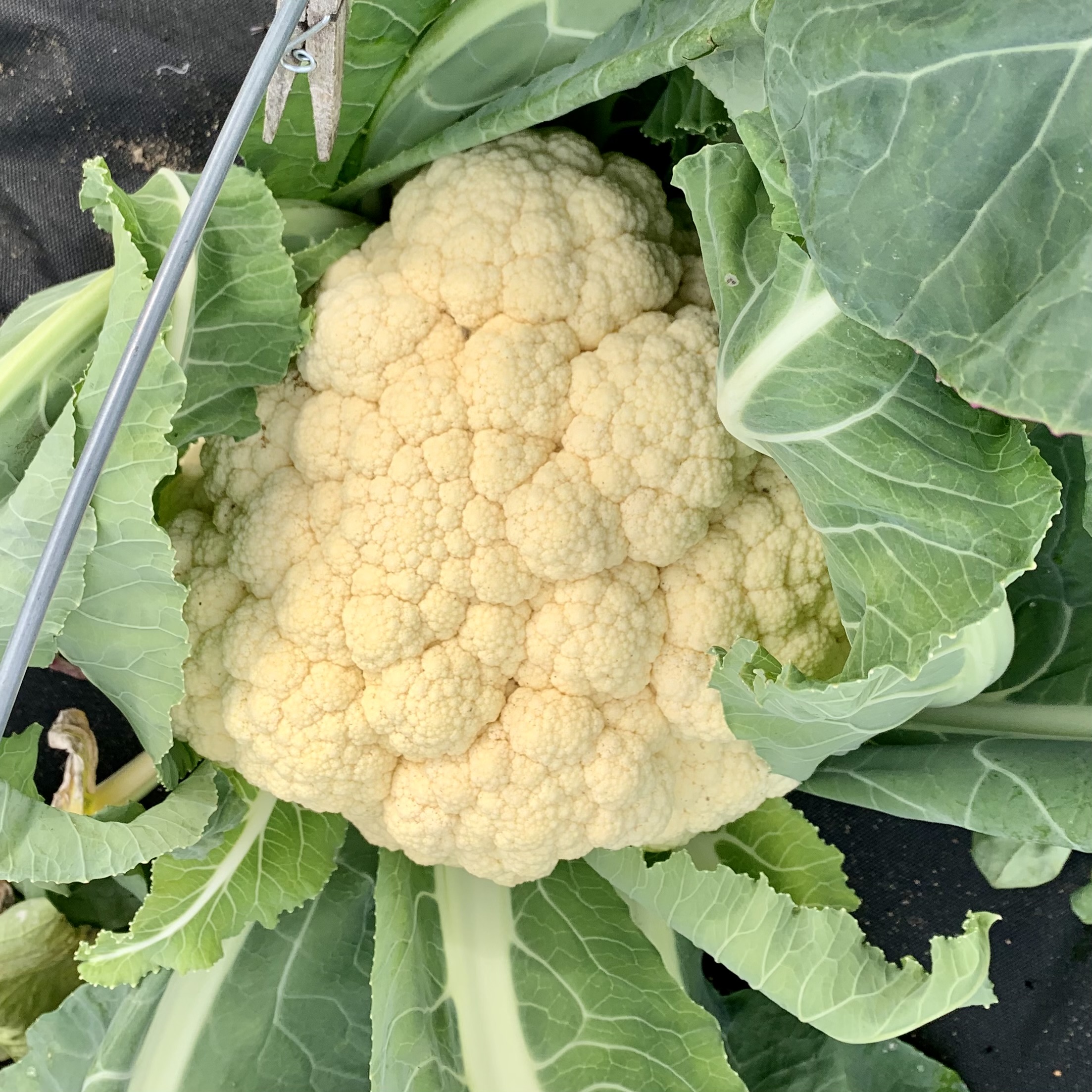

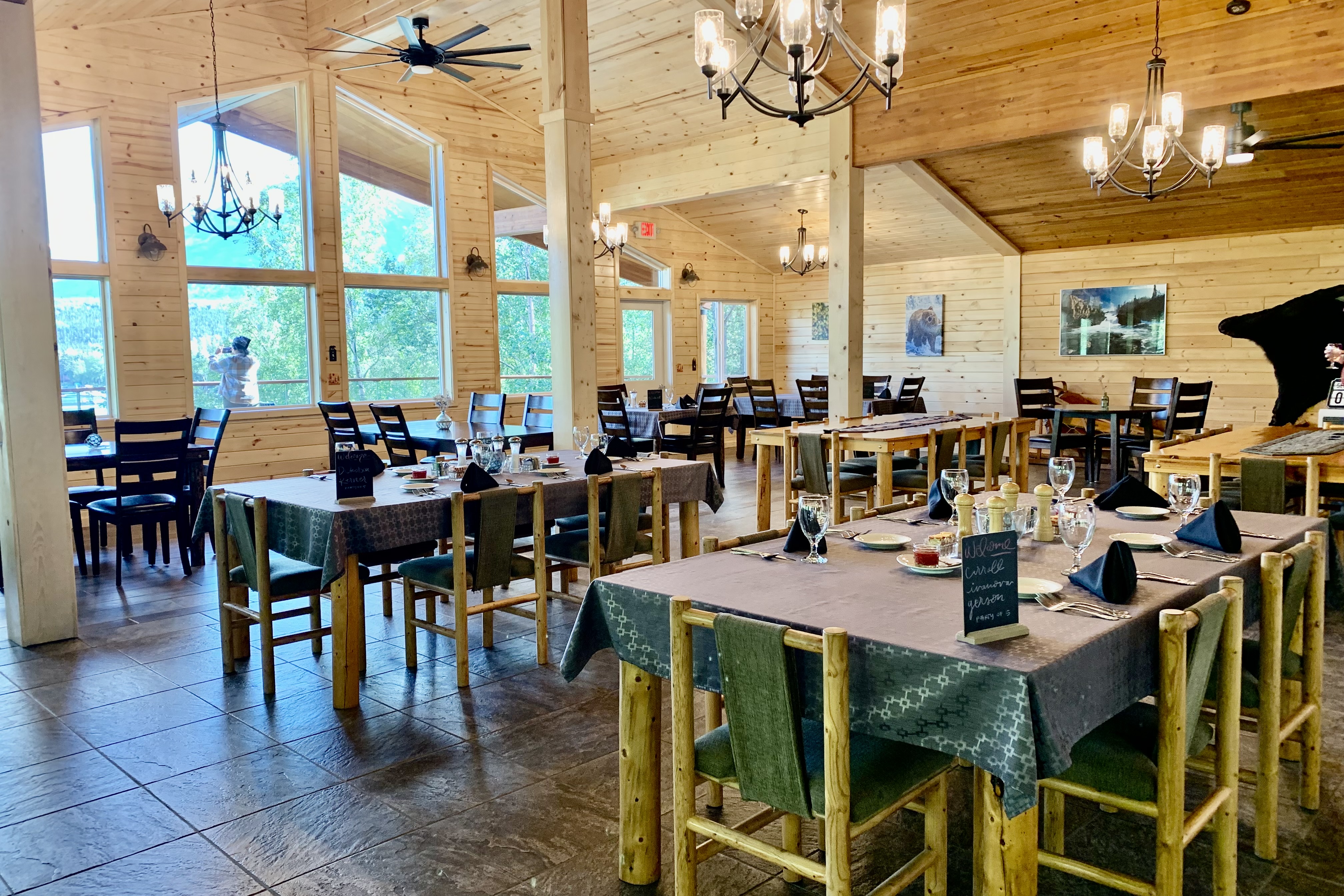
Soon it was time for our evening meal. Home cooked meals at the Farm Lodge were served in the main lodge family style at a an appointed time daily and were excellent.. The family cooks prepared exceptional breakfasts and dinners and very tasty sack lunches to go. I thought the food was truly gourmet and I marveled at how they could have a 5 star dinner in such a remote area! Portions were huge and our dinner meals included fresh baked breads, farm-to-table fresh vegetables, homemade deserts along with the overly generous entrees. We order our breakfast and lunches from a multiple option menu at dinner. When I first learned that seating would be family style at large tables of 8 and we should look for our place cards, I was a bit off-put. I really prefer not to be “told” who I have to socialize with. But I soon mellowed to the process at is did allow for interesting conversations with other guests. And there was a lot of commonality amongst this group that would opt for this type of trip.
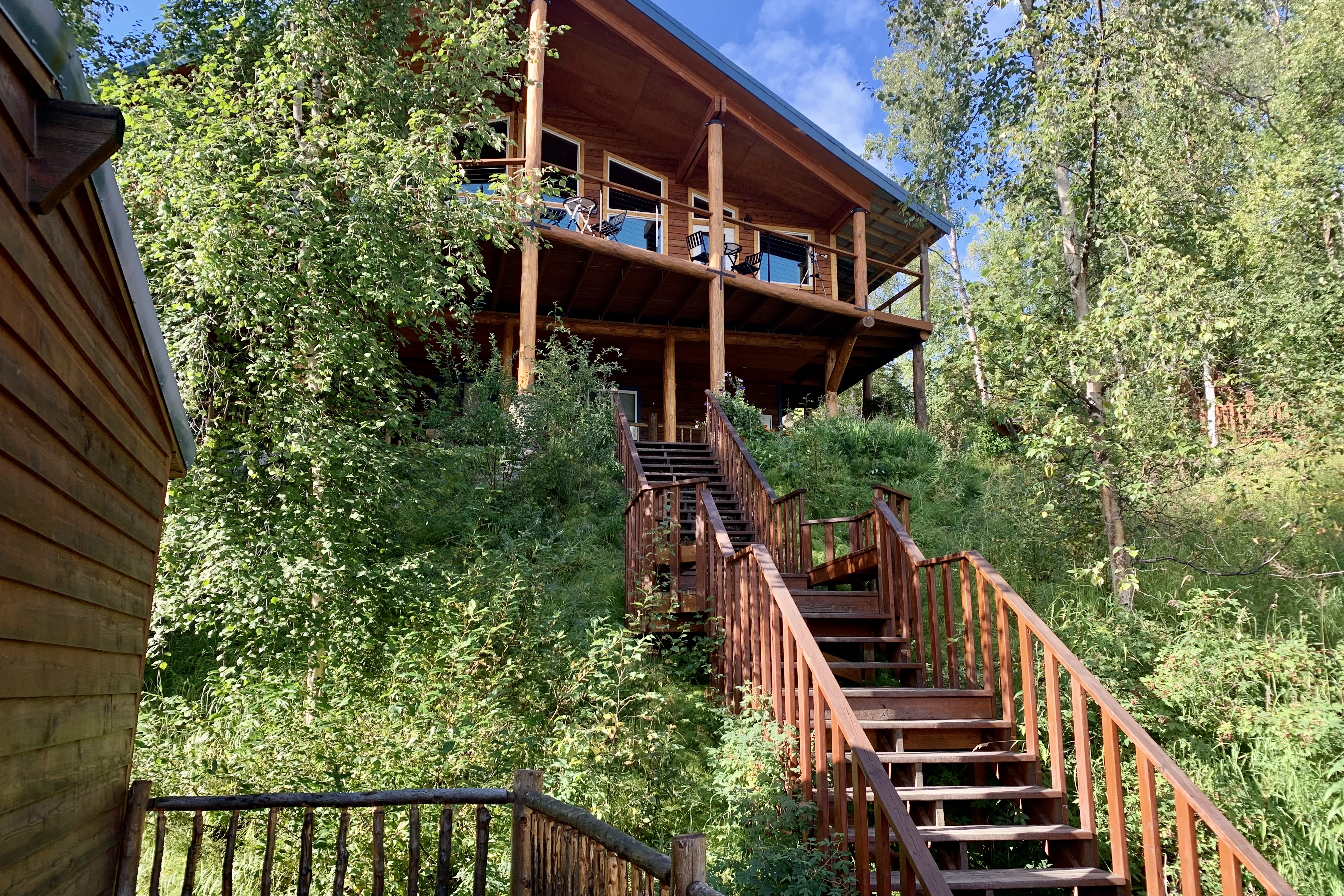
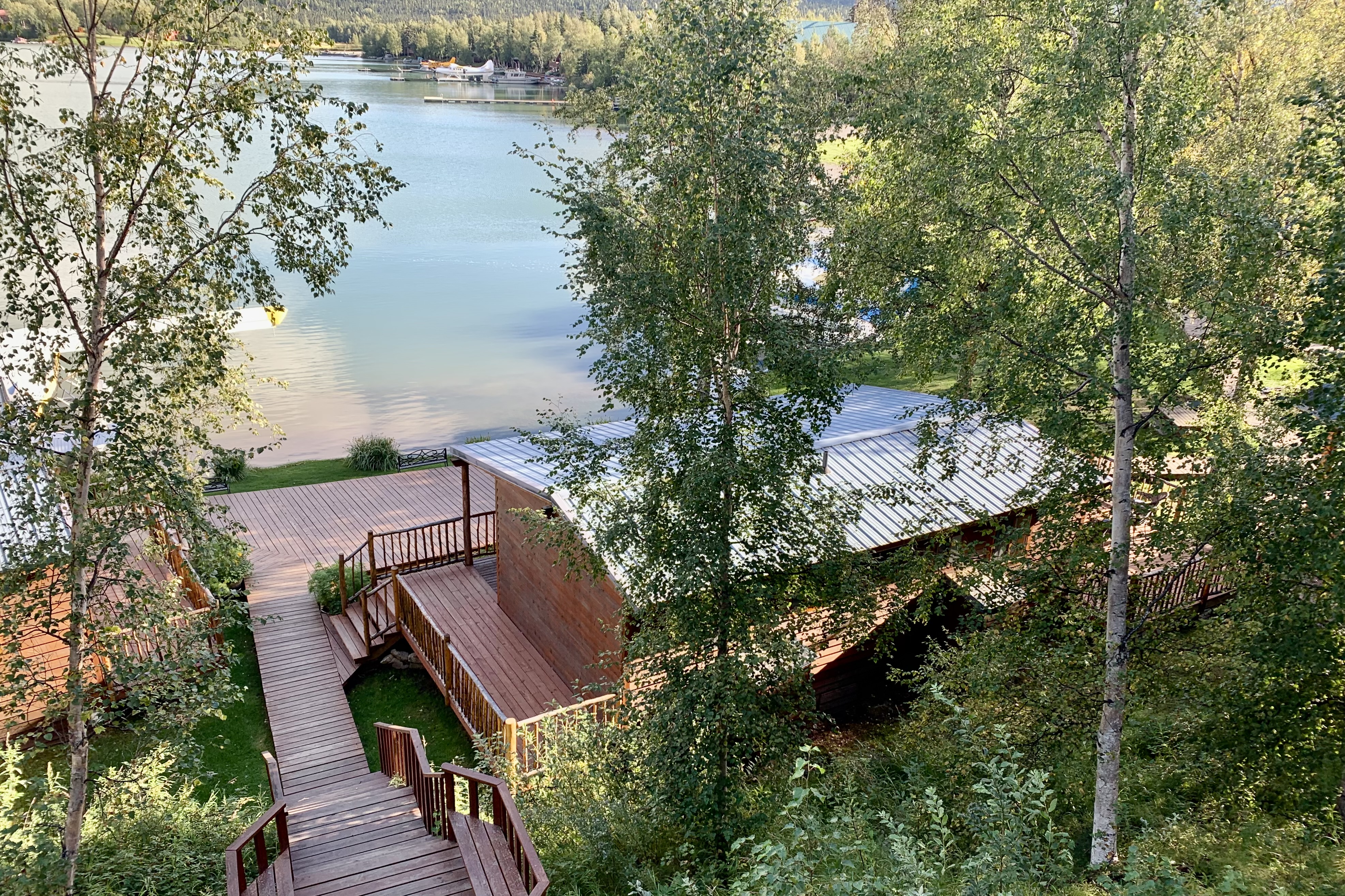
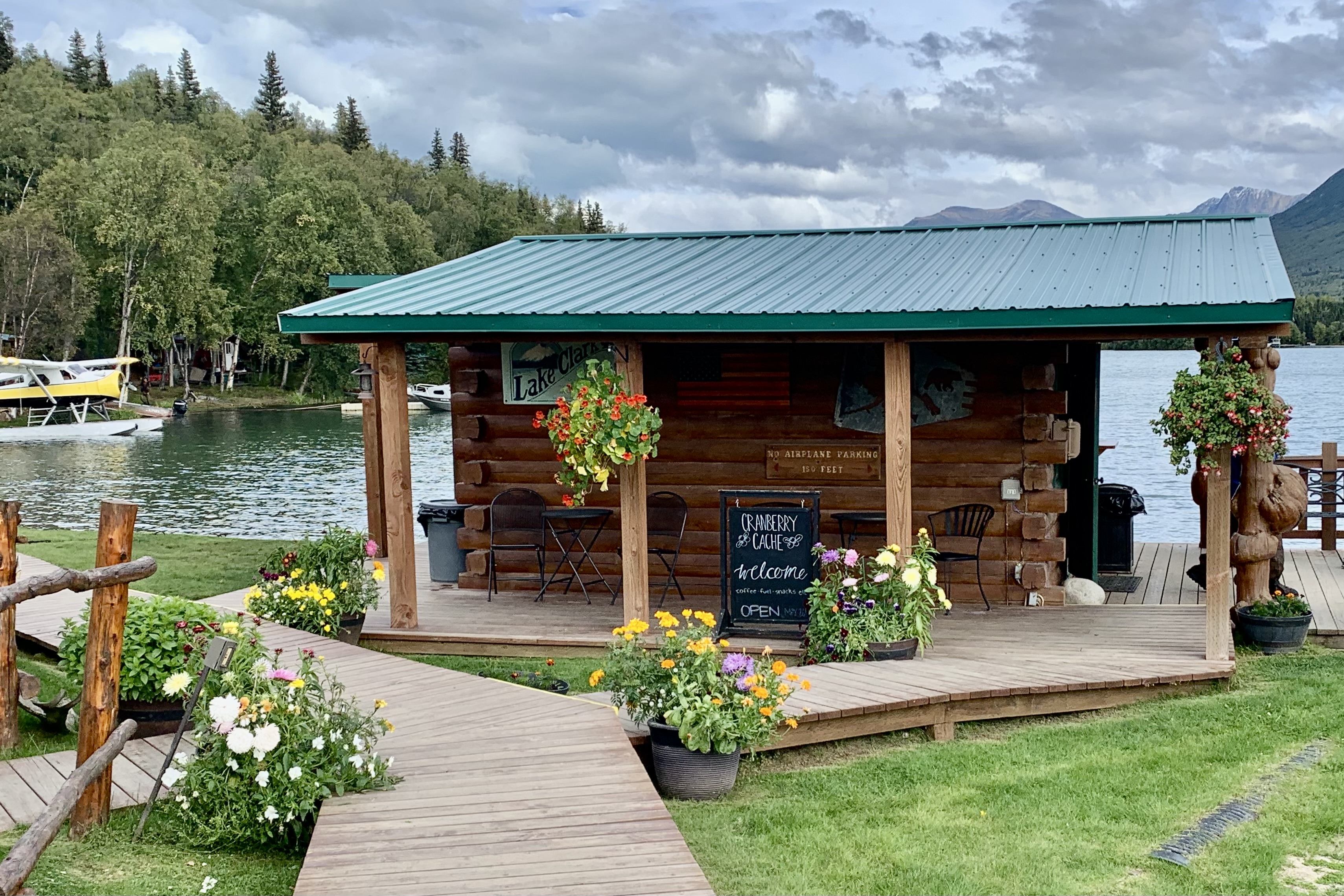
The accommodations were relatively modern for Alaska Our guest cabins was heated (definitely a necessity at this time of year), had a private bathrooms with running water. (yes this is important to note when booking a cabin in Alaska), a covered porche for relaxing, AND was on the waterfront.



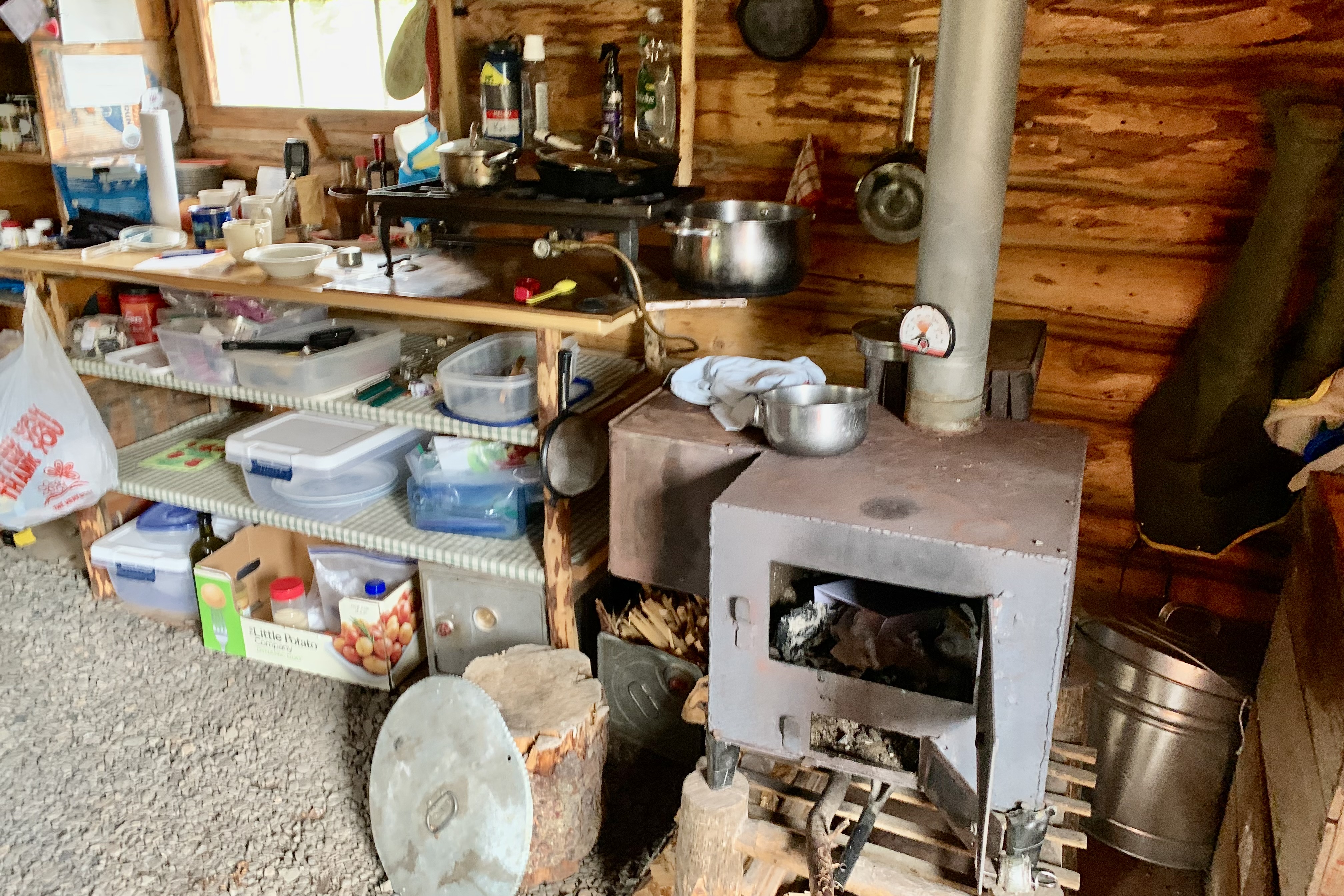
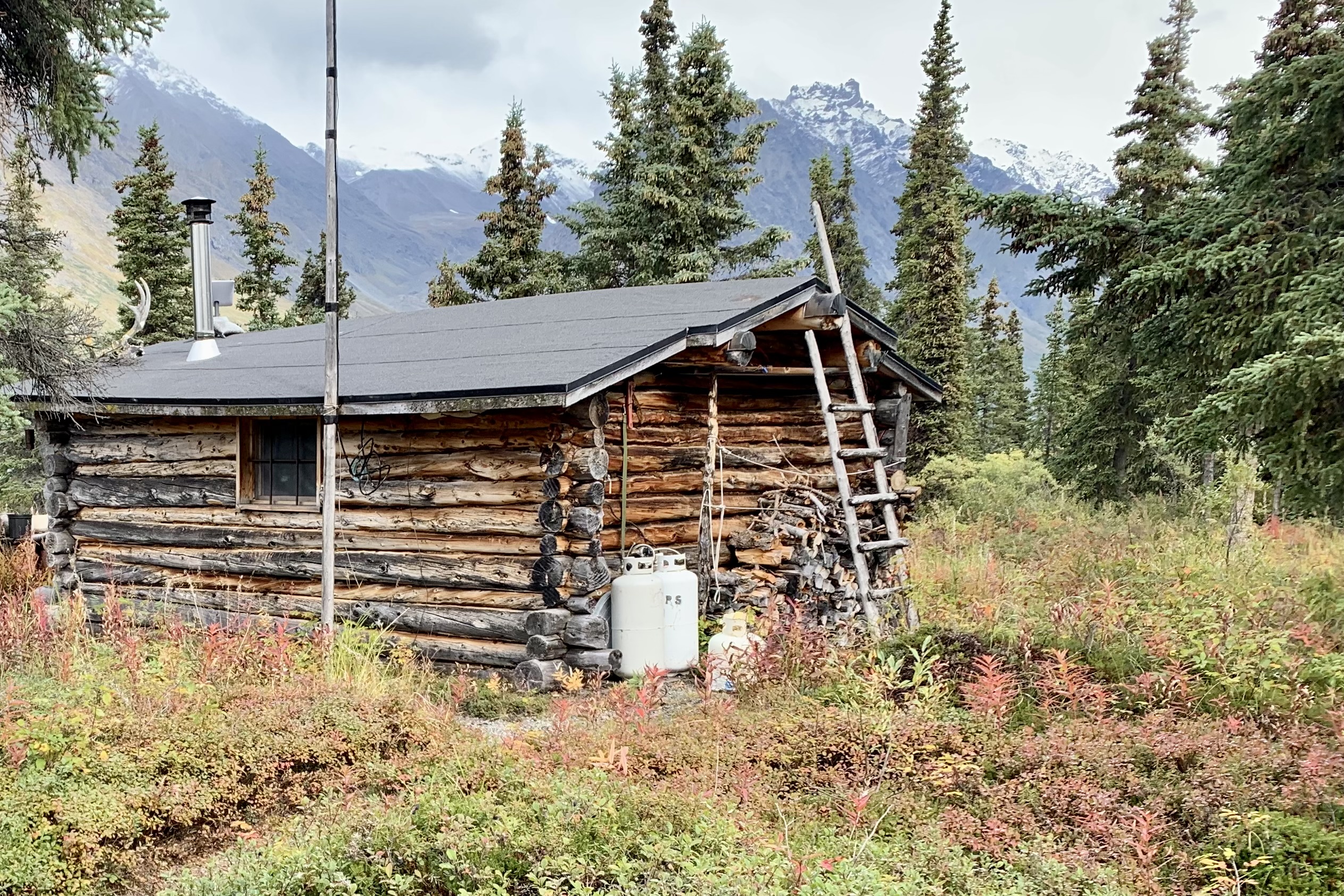
For our final full day we hopped back into our float plane to try again a landing at the Upper Twin Lakes and the opportunity to visit Richard Proenneke’s wilderness cabin. There had been a dusting of snow on the mountains we flew over that were not snowcapped the day before, reminding me that winter was fast approaching in Alaska. I was pleased to have finished reading One Man’s Wilderness the previous evening and was so grateful to have read it as it really gave me a glimpse of this arduous enterprise that he had undertaken and what was involved in building this very rustic home. The entire structure was built purely with materials on hand: gravel retrieved from the lake bed, felled and hand worked timbers, and stones dug from around the site for use in his chimney and hearth.
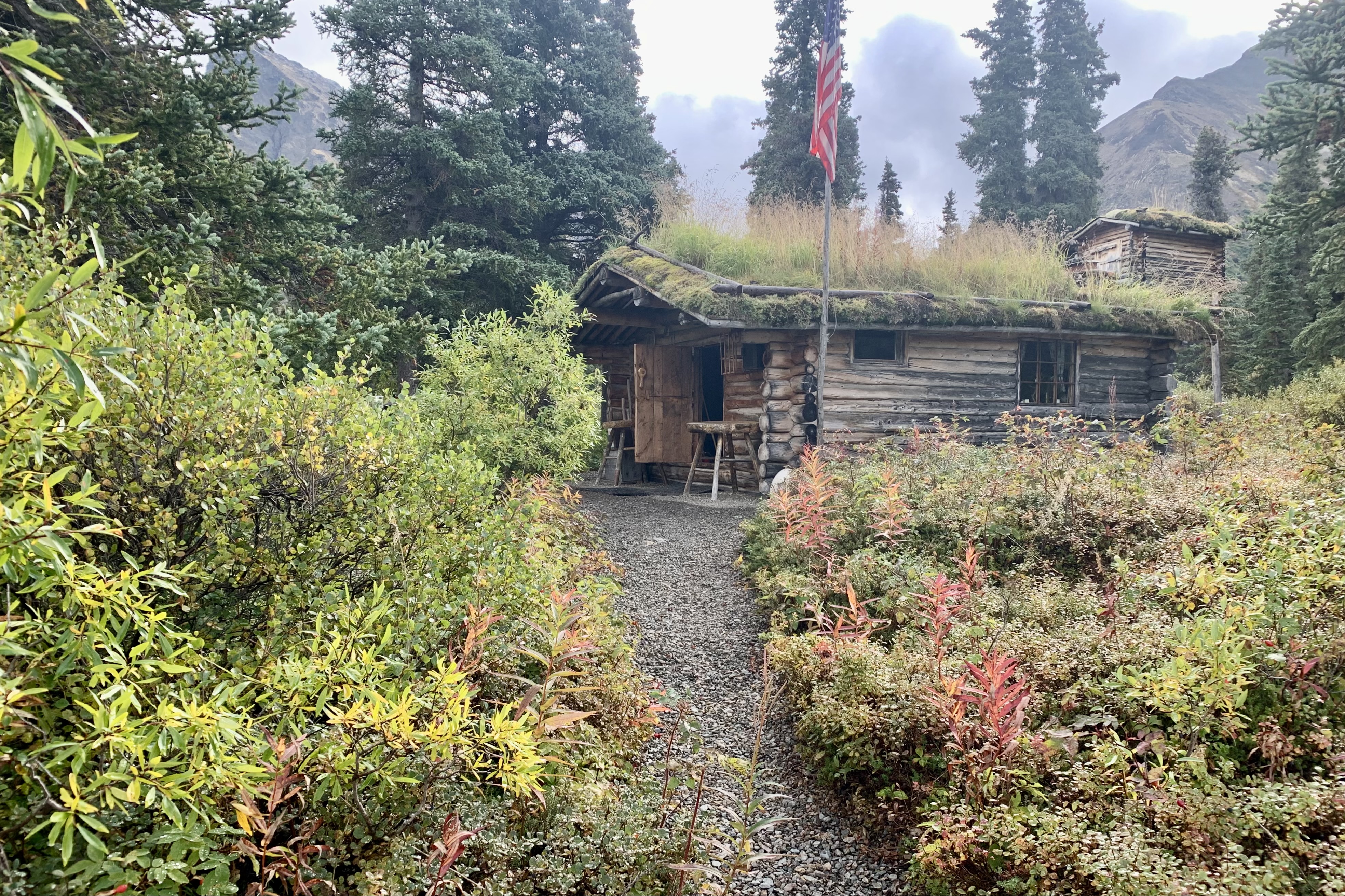
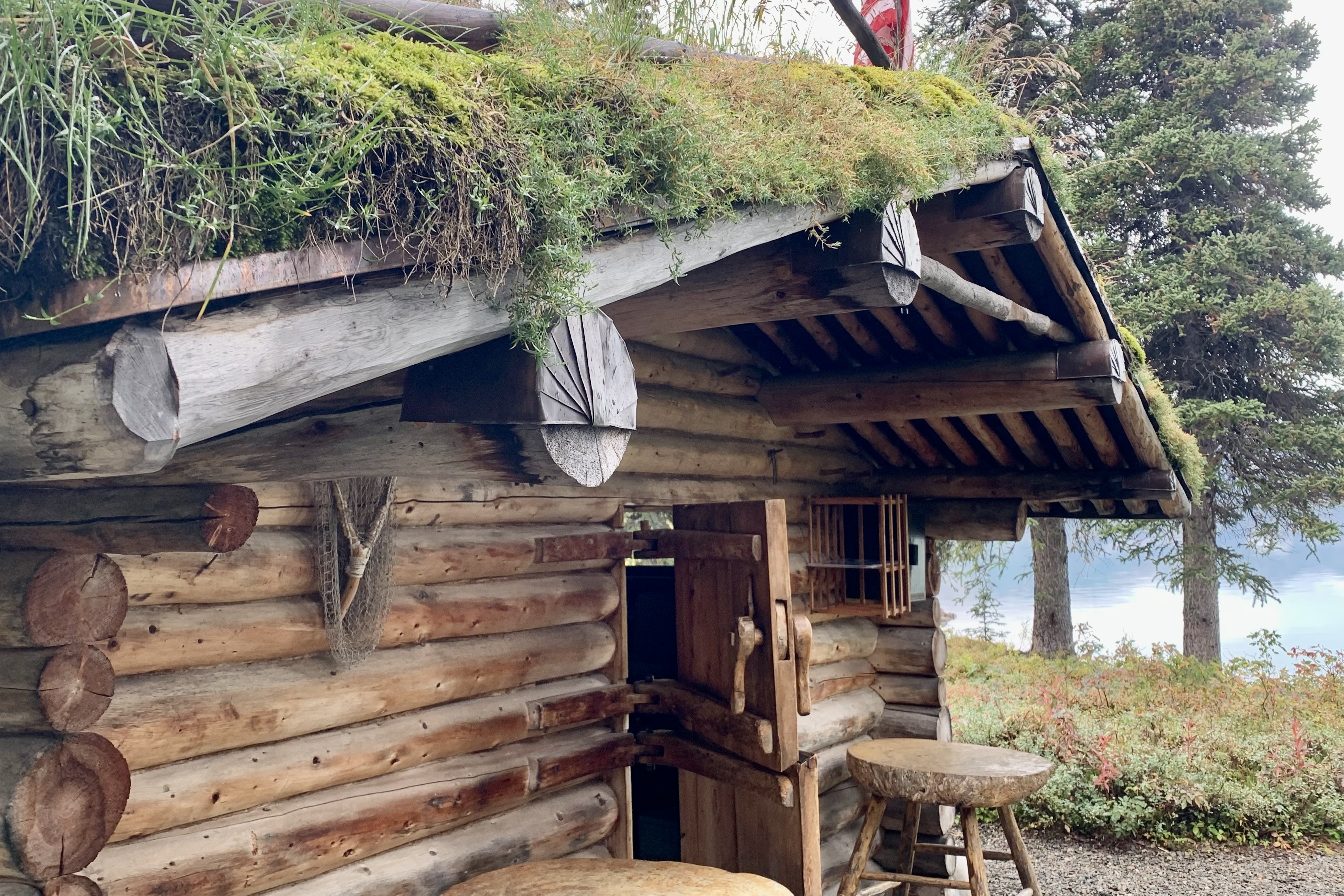

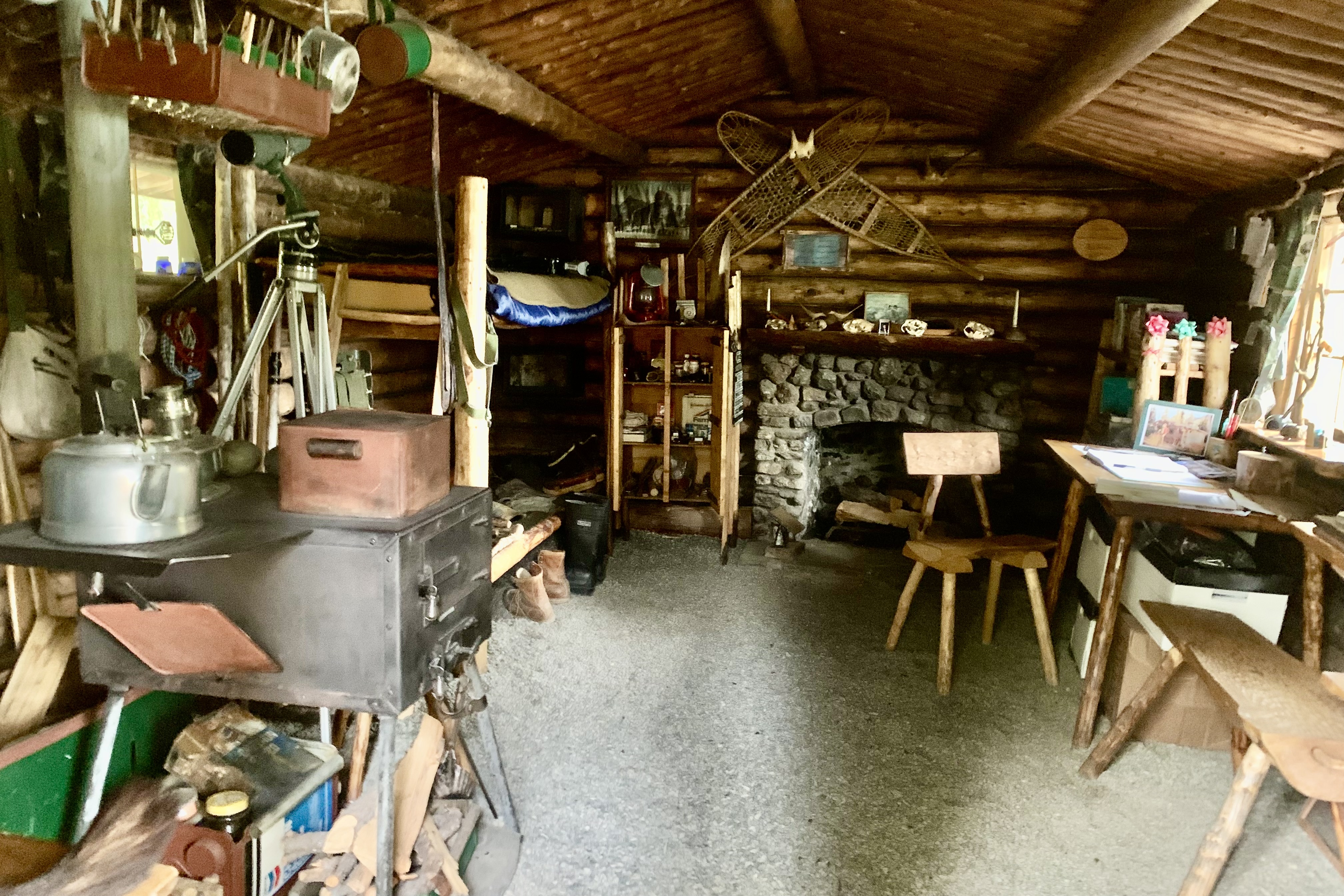
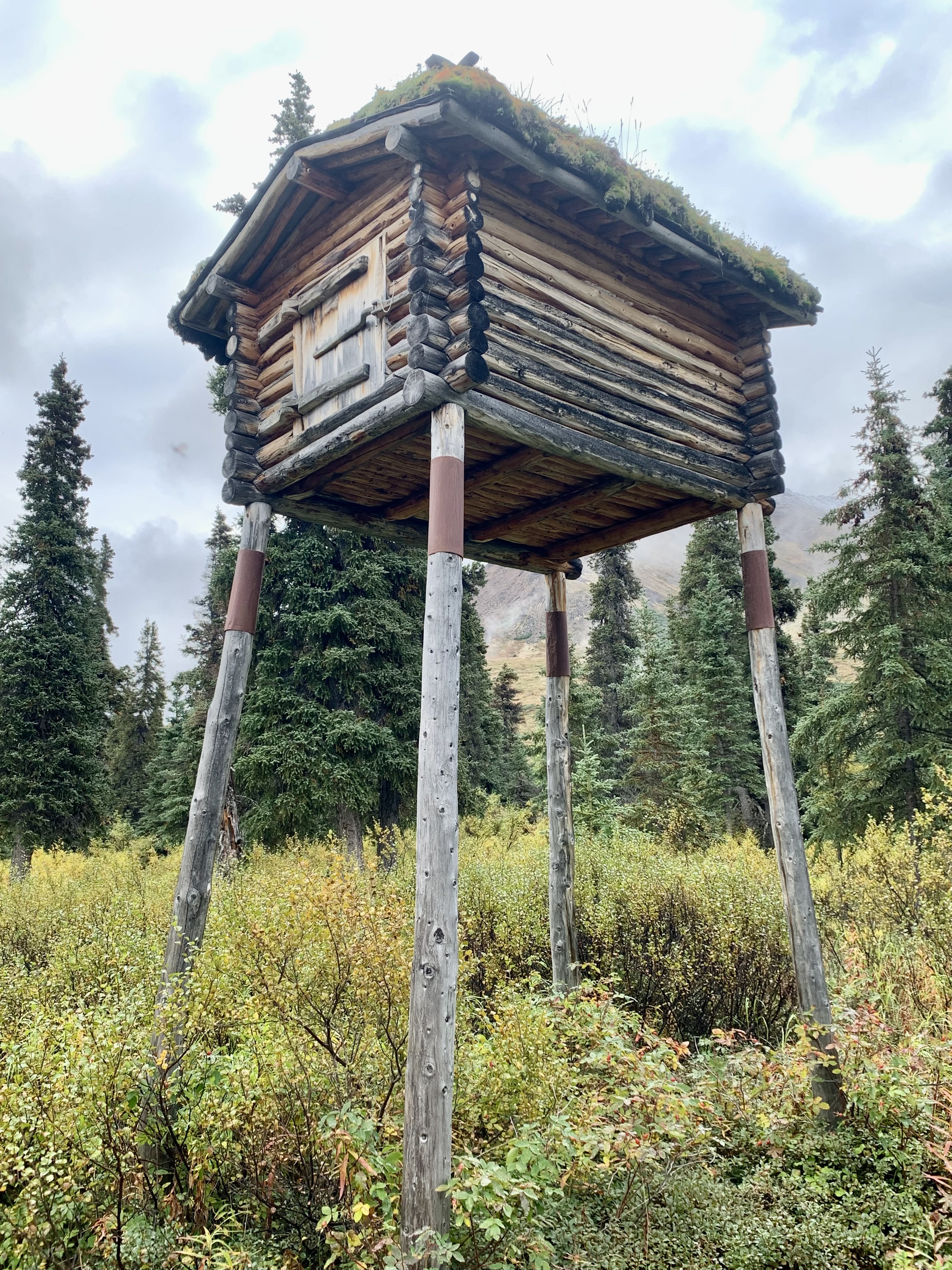
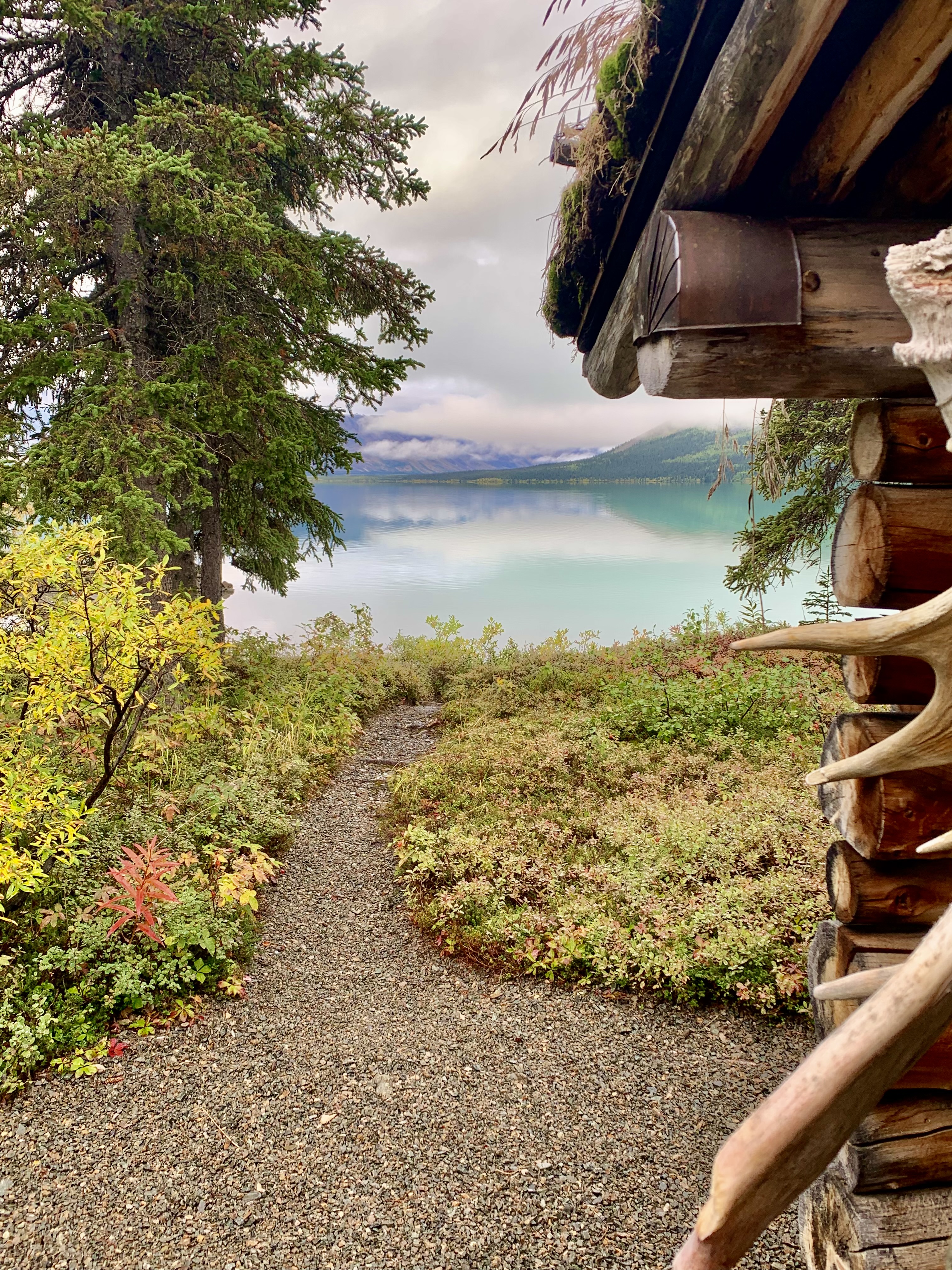
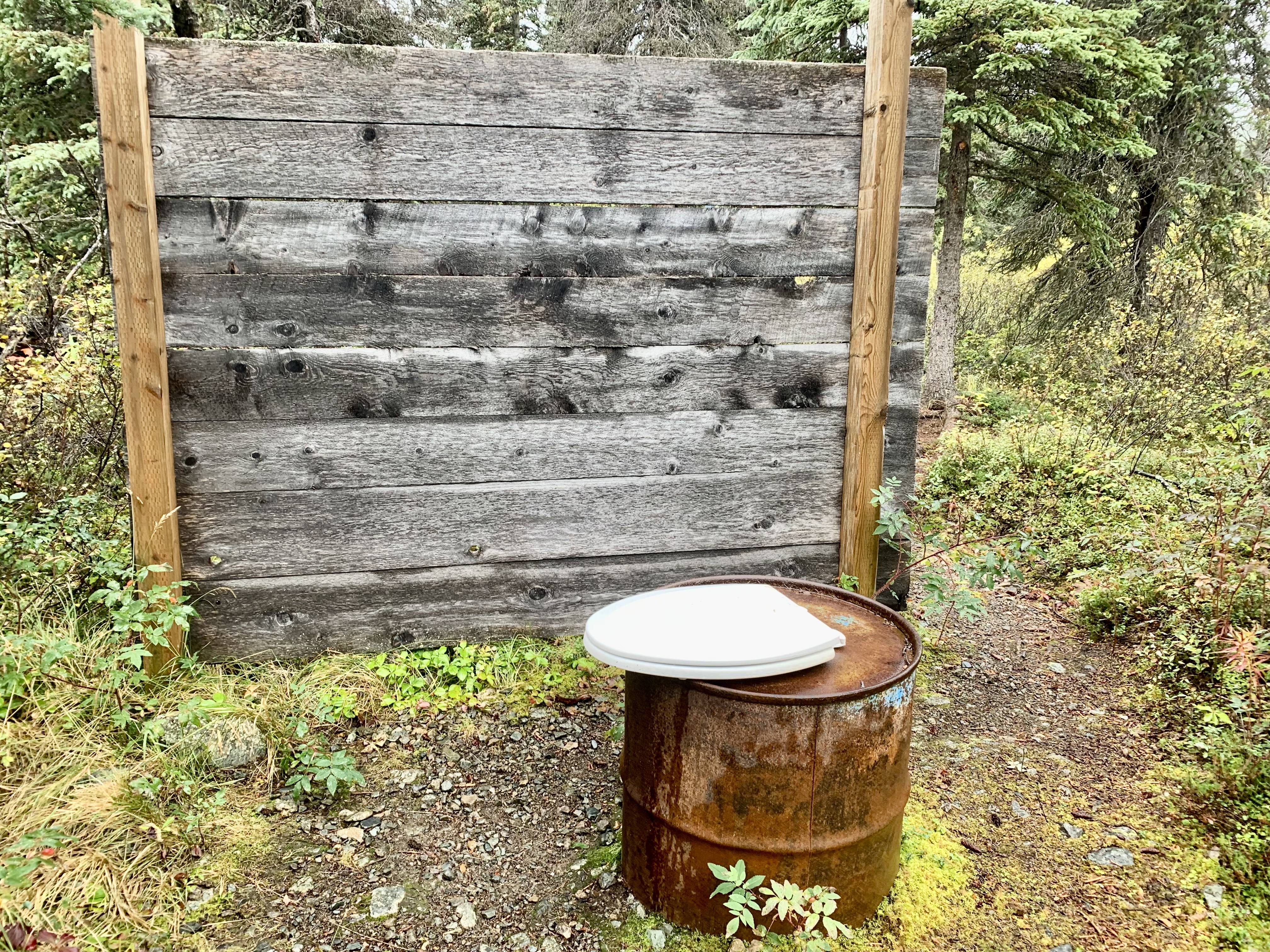
Visits are guided through the cabin and grounds by two National Park Service summer volunteers who live on the property. What I hadn’t thought about then was how tough these two women had to be to live in this remote wilderness area, out there with the bears, with few trips back to the civilization of Port Ellsworth during their stint. Now if I were ever to consider volunteering at a National Park this would be one of my first choices. I have no interest in living in a campground in a park in a monster RV with its satellite dish and every convenience of home. Here the volunteers are provided with NPS accommodations as they could not stay in Dick’s “luxurious accommodation” but in cabins nearby, one of which was the homes of his associate and friend Spike Carrithers. Any of my readers game for staying in this “woodsy forest retreat” as a volunteer next season??


The following morning after our last made-to-order sumptuous breakfast, we boarded a Piper PA-31-350 Chieftain, with wheels not floats! This plane is no spring chicken since this model was built from 1973-1984 thus probably between 40-and 50 years old. I know nothing about aging planes but I trusted they have a good long life-span and someone has taken care of their health. The flight took us back through the Lake Clark Pass with one final spectacular view of the Chigmit Mountains and the Cook Inlet. After retrieving my car I dropped Tasia at the Ted Stevens International Airport and was on my way up to Talkeetna AK for Phase II of probably my last great Alaskan adventure.


 Uniquely Theo